


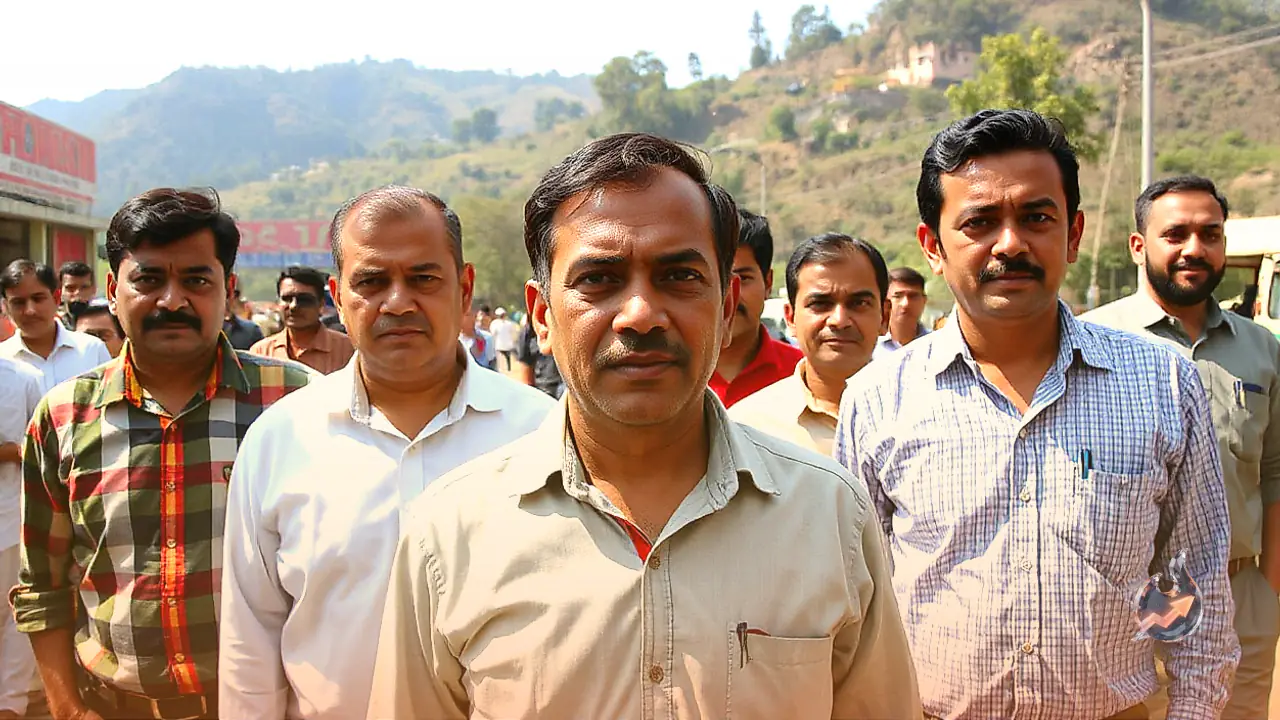


















Debates surrounding women empowerment and legislative reservations frequently take center stage in Indian politics, highlighting differing ideologies between major political parties. During a recent high-profile state summit, leaders from both the Congress and the BJP in Rajasthan engaged in a sharp verbal exchange concerning women reservation policies and their overall political representation. The discussion provided a clear glimpse into how both national parties approach the vital subject of gender parity in governance.
Congress Emphasizes Grassroots Prioritization and Assembly Quotas
Rajasthan Mahila Congress President Sarika Singh Chaudhary stated during the event that her party has consistently prioritized women across political structures. Pointing to past administrative decisions, she noted that Congress paved the way for women in politics by implementing a 33 percent reservation for women in local panchayats. Expanding on that point, she called upon Prime Minister Narendra Modi to extend similar reservation frameworks to state legislative assemblies and the Lok Sabha to boost female leadership at the highest levels.
While addressing the broader legislative landscape concerning women empowerment, Chaudhary remarked that while Congress fundamentally supports women Shakti, the party strongly opposes the specific implementation methods chosen by the ruling administration. She argued that true empowerment requires structural sincerity rather than selective execution, making the party's stance distinct on how such reforms should roll out nationwide.
BJP Defends Long-Term Vision and Hits Back at Opposition
Countering the opposition's claims, Rajasthan BJP Mahila Morcha President Rakhi Rathore asserted that her party operates with a long-term strategic vision rather than seeking short-term political gains. She maintained that decisions taken by the leadership are designed to yield sustainable benefits for women over time, ensuring that promises made by Prime Minister Narendra Modi are systematically fulfilled in letter and spirit.
The debate took a sharper turn when Rathore directed criticism toward the opposition leadership, specifically remarking that certain figures within rival camps face internal political struggles within their own domains. This high-energy exchange on a public platform underscored the deep ideological divide and the ongoing competition between the two parties to champion the cause of women's rights and political inclusion.