
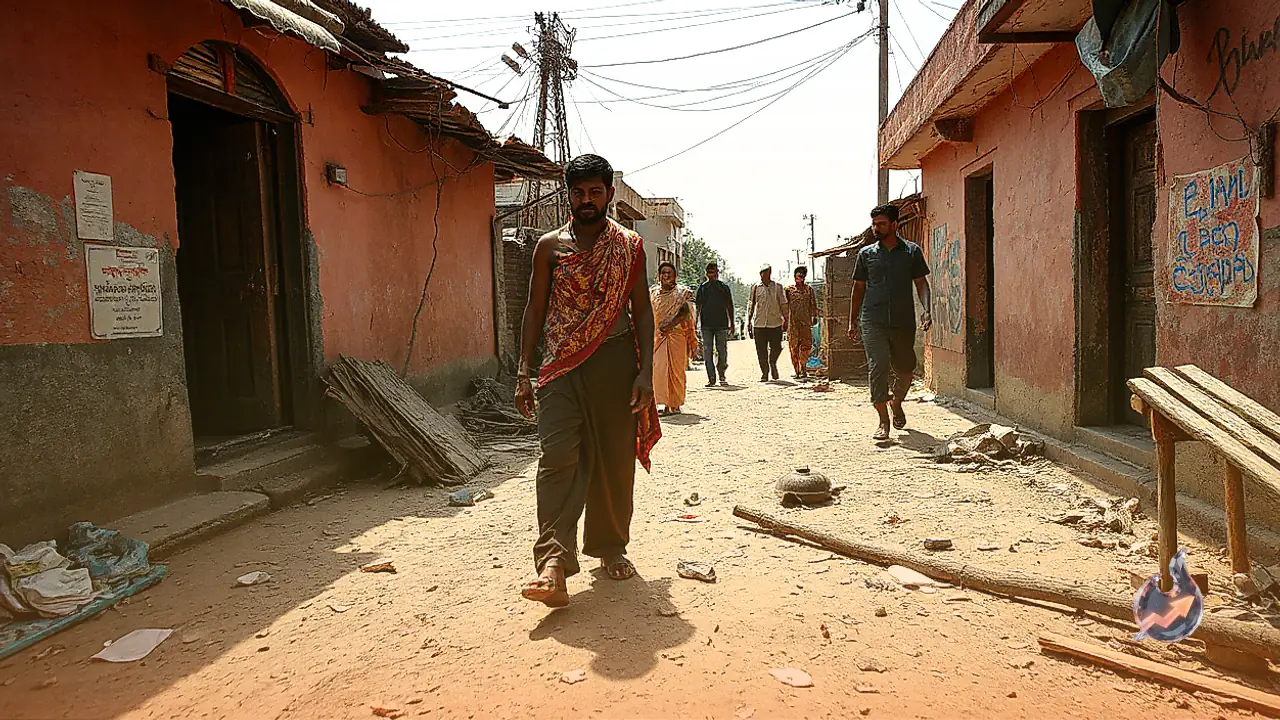
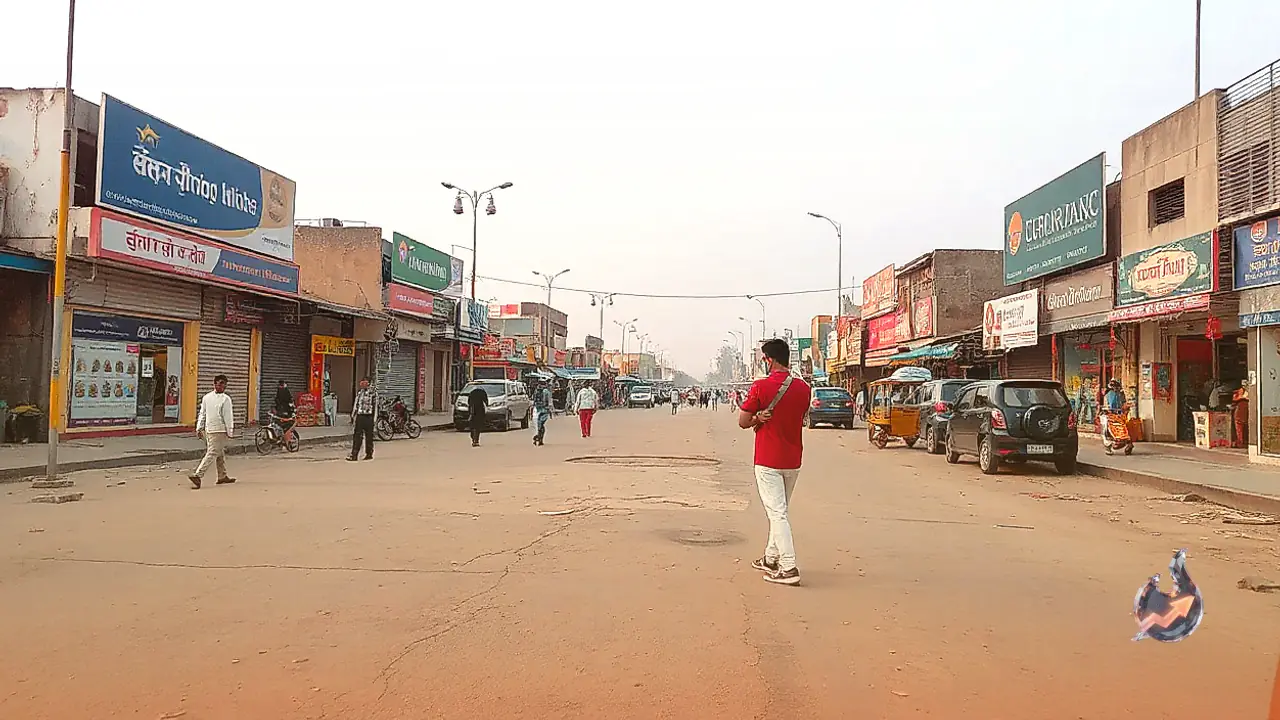














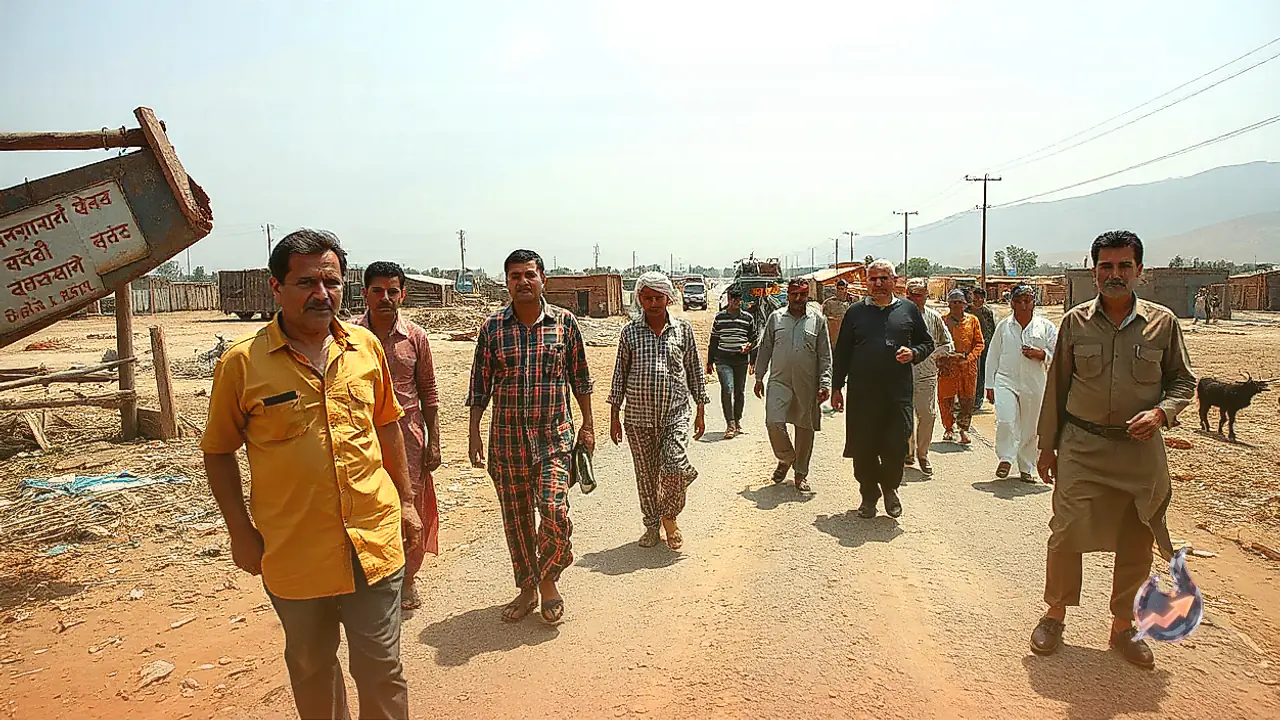

During a recent event in Jaipur, Urban Housing Development minister Jhabar Singh Kharra shared an intriguing anecdote from the past regarding road connectivity in his region. He revealed that there was a time when rural communities actually feared the construction of roads near their settlements. In those days, livestock represented the single largest form of wealth for villagers. People harbored deep apprehensions that if a main road passed close to their village, it would invite outsiders and increase the risk of cattle, buffalo, goats, and camels being stolen.
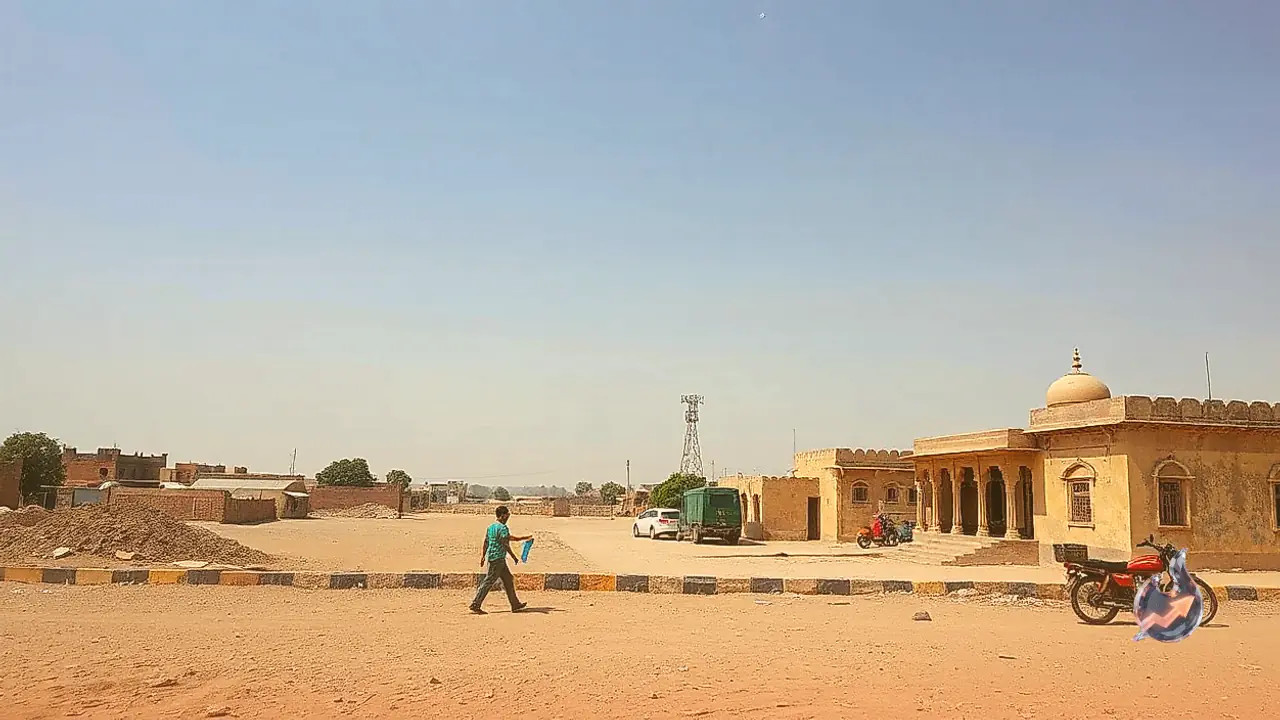
The minister cited a specific example involving his native area, recounting how the village of Bhani and the neighboring gram panchayat of Mehroli near Ringas were once slated for road development. The original plan for the highway connecting Jaipur to Bikaner was designed to pass through the western side of Mehroli and Bhani. However, local representatives and residents fiercely opposed the proposal at the time. They strongly believed that the arrival of a proper road would turn the area into a safe haven for thieves and outsiders, putting their valuable livestock at permanent risk.
Shifting public demands and modern needs
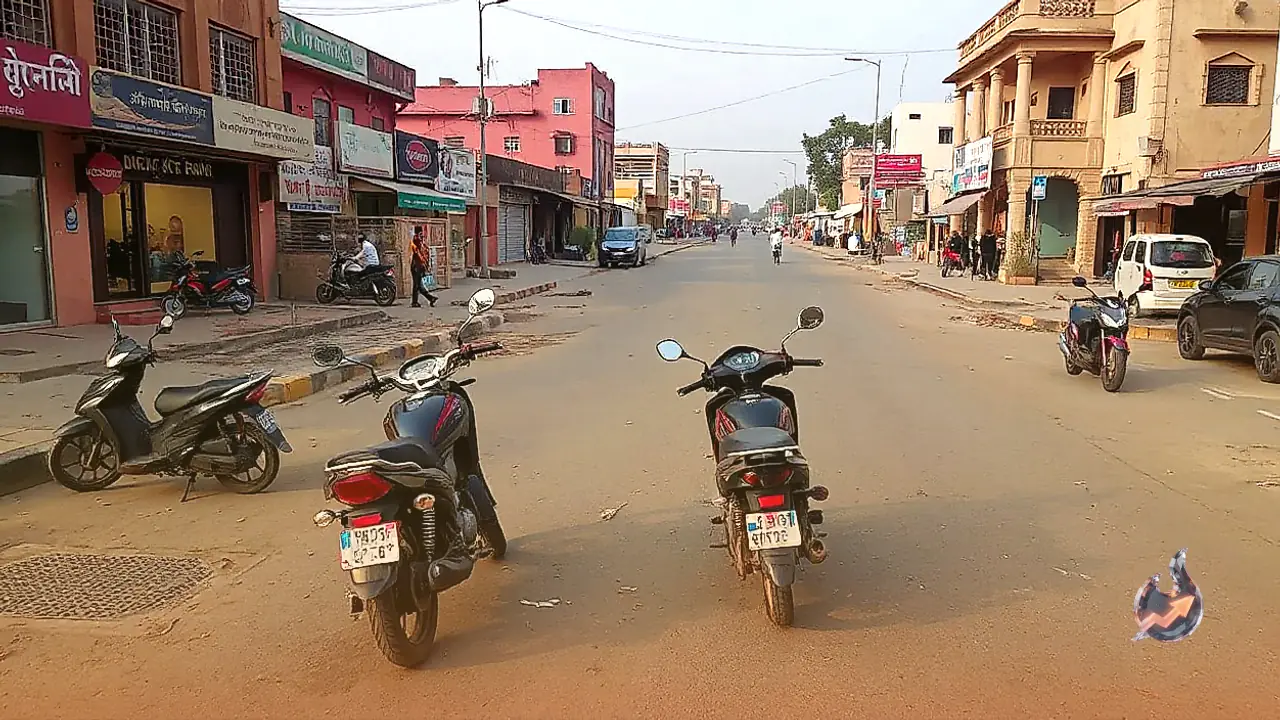
Local representatives made repeated representations and pulled strings to have the alignment changed, eventually succeeding in getting the road diverted toward Ringas. Minister Kharra used this historical reference to illustrate how human needs and public sentiment evolve over time. While communities once viewed nearby roads as a direct threat to their livelihood and safety, the reality today has completely flipped. In the modern era, farmers and rural residents actively demand that roads be extended right up to their doorsteps to ensure smooth and convenient travel to markets.
Unplanned expansion of villages and cities
Reflecting on the broader trajectory of national development since independence, Kharra pointed out a fundamental flaw in how growth has occurred across the country. Small hamlets grew into villages, villages turned into towns, and towns eventually expanded into major cities. Unfortunately, this entire urbanization process took place largely without proper planning or long-term foresight. The lack of structured expansion has now manifested into severe infrastructural challenges across urban centers.
Blocked drainage and deteriorating urban infrastructure
Among the pressing urban issues highlighted by the minister was the systematic blocking of natural water flow channels. Little attention was paid historically to maintaining the waterways designed to drain excess water away safely, causing these vital paths to gradually become obstructed. This failure has directly impacted urban roads, leading to premature structural damage, waterlogging, and widespread accumulation of dirt and sludge in multiple areas.
Surging vehicle ownership and traffic congestion
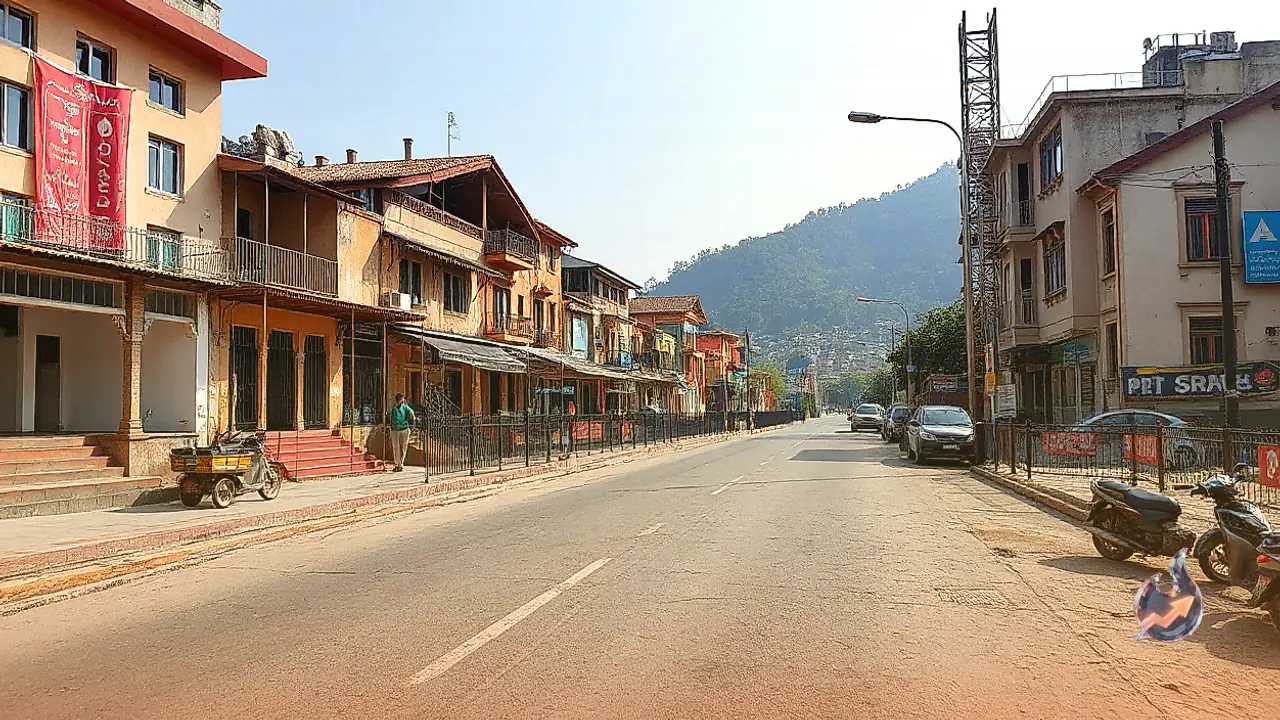
The proliferation of private enterprise and economic growth has triggered a massive surge in vehicle ownership across the nation, resulting in far more cars and two-wheelers on the road today than ever before. Consequently, traffic congestion has evolved into a major crisis within cities. Kharra emphasized that merely building additional roads is no longer sufficient; authorities must strategically manage the exponentially growing volume of vehicular and pedestrian movement.
Expanding metro networks to ease urban gridlock
Tackling urban density and easing traffic bottlenecks has remained a central objective for the administration. In response to mounting congestion, the expansion of the Jaipur Metro system stands out as one of the most critical ongoing initiatives. By expanding mass rapid transit, the government aims to alleviate the heavy load of traffic currently choking local roads, thereby providing commuters with a faster and more efficient alternative.
Flyovers and road widening initiatives
Highlighting infrastructure projects championed by Prime Minister Narendra Modi, the minister noted that massive flyovers are being constructed at high-density junctions to maintain smooth traffic flow. Simultaneously, narrow corridors are undergoing extensive widening to accommodate heavier transport loads. Kharra added that these infrastructure improvement efforts are moving forward with active backing from the judiciary alongside government action, addressing the complex challenges of modern urban planning.