




















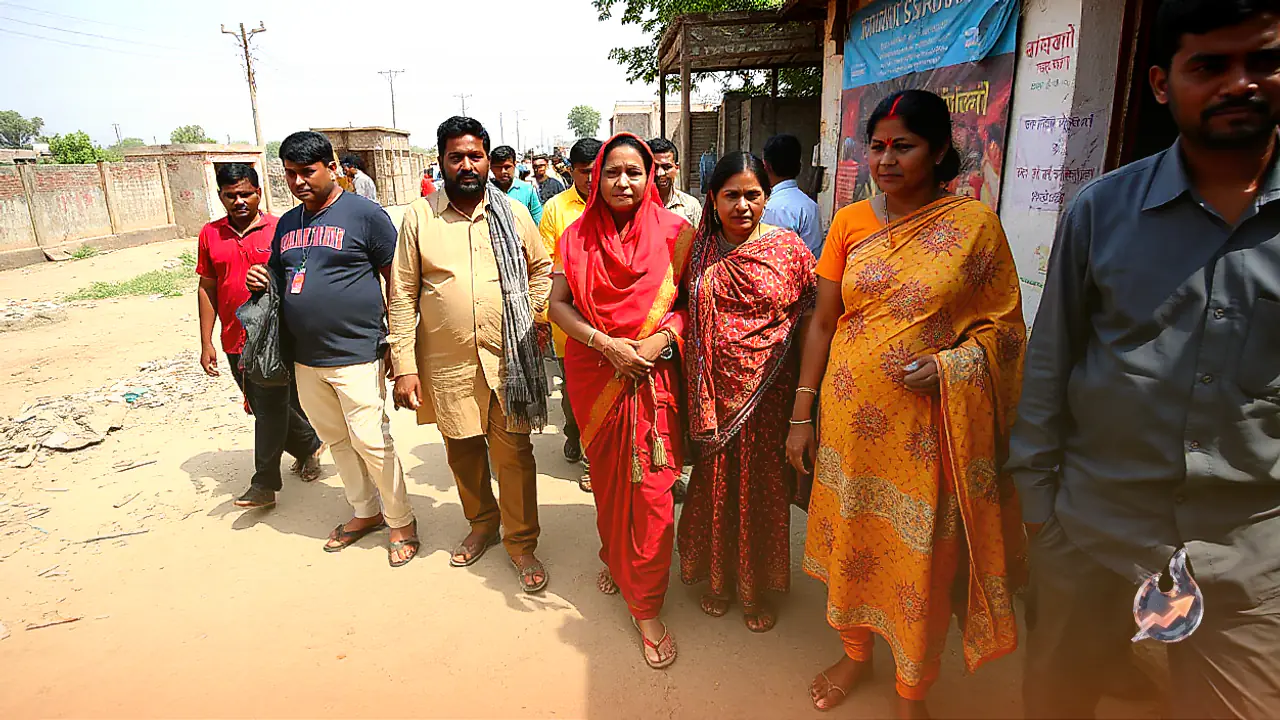

Technological interventions are increasingly simplifying complex administrative tasks during grass-roots democratic exercises. In Rajasthan, a specialized artificial intelligence platform has been deployed in Dausa district to assist election personnel during the ongoing panchayat elections. Conceptualized by Dausa Collector and District Election Officer Saumya Jha, the digital assistant named Dausa Bot has bridged administrative communication gaps by delivering rapid regulatory clarifications directly to polling teams. Following its successful performance across the second phase of polling, authorities have confirmed that the digital tool will continue serving election staff in the upcoming third phase.
Solving Ground Realities and Procedural Complexities in Poll Management
Conducting elections extends far beyond stationing polling personnel at booths and managing ballot processes. The entire operation relies heavily on extensive manuals, statutory paperwork, procedural checklists, and formal instructions issued by the election commission. On polling day, personnel frequently confront urgent procedural uncertainties. While many of these protocols are explained during training, recollecting specific instructions under the pressure of live polling conditions can prove challenging. Confusion regarding standard forms or conflicting statutory procedures can escalate into significant administrative bottlenecks if not resolved immediately. Instead of requiring field staff to flip through voluminous training handbooks or wait for senior officials to take phone calls, this initiative transforms real-time AI capabilities into a practical field utility.
Round the Clock WhatsApp Guidance Based on Official Rules
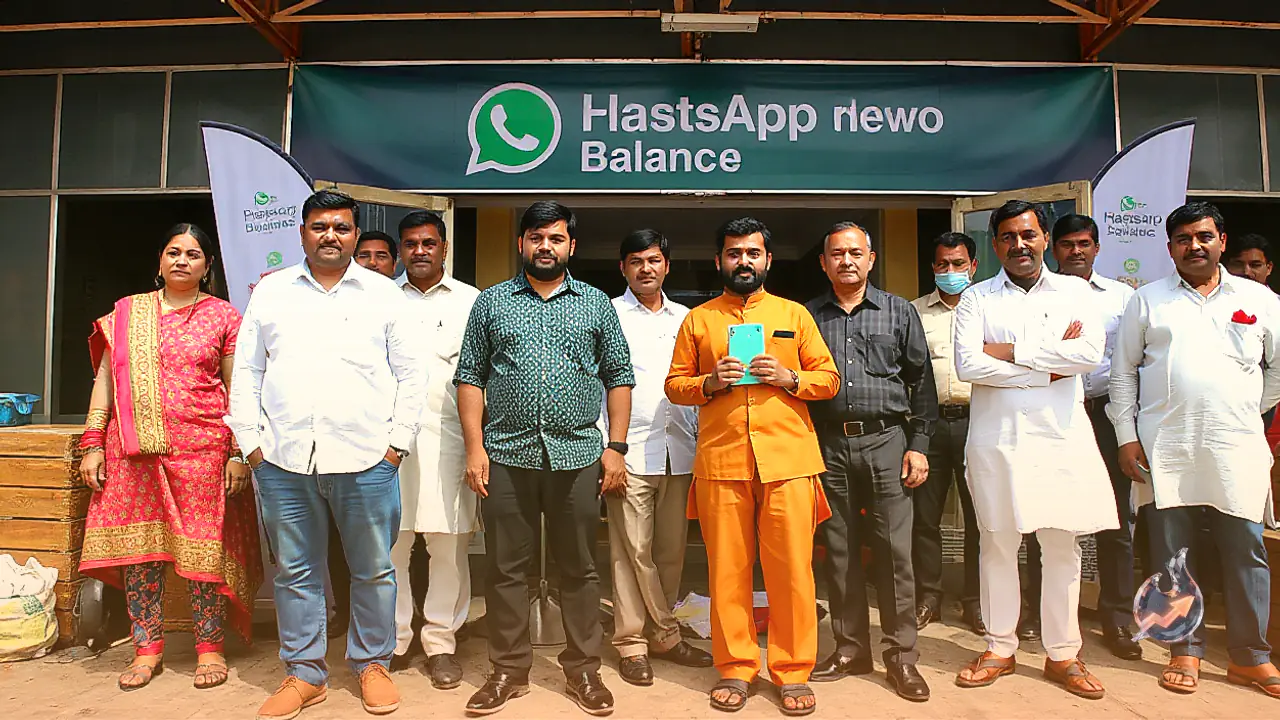
This digital assistant is built directly on election statutes and official administrative orders, offering uninterrupted twenty-four hour availability to on-duty personnel. A major advantage of the system is its minimal operational barrier, as polling staff are not required to download specialized applications or undergo technical software training. Officials simply open WhatsApp on their standard mobile phones and type their queries in ordinary language. Within moments, the assistant analyzes the inquiry and returns a precise answer fully supported by legal and statutory references.
Record Query Resolutions and Sustained Midnight Operations
Between October 12 and the present phase, 683 officers and employees engaged with the platform, generating 8,643 individual queries that were successfully answered. This represents an average of roughly 13 resolutions per participating staff member. Activity on the platform reached its single-day peak on October 29 during the candidate nomination phase, during which 1,408 questions were resolved in twenty-four hours. Speed metrics indicate that half of all submitted queries were resolved within just 35 seconds of receipt.
Because election preparations continue without pause, the system recorded continuous operational traffic outside normal administrative hours. Data shows that 10 percent of the total queries were logged between 10 pm and 6 am, with personnel receiving prompt solutions even at 3 am. To accommodate diverse user preferences, staff submitted 495 voice notes, while the platform dispatched 1,801 official circulars and statutory forms directly to users. These indicators highlight the immense utility provided to personnel handling sensitive fieldwork.
A Scalable Governance Model for Electoral Administration
The operational success achieved during the second phase in Dausa illustrates that artificial intelligence in public administration can transition from theoretical experimentation into an effective governance tool. As third-phase operations commence, the system will maintain its support role for polling staff across the district. This administrative approach also provides a workable blueprint for other districts across Rajasthan. Expanding such automated, instant information delivery systems could eventually provide thousands of election workers across the state with verified procedural guidance through a single tap on their personal smartphones.