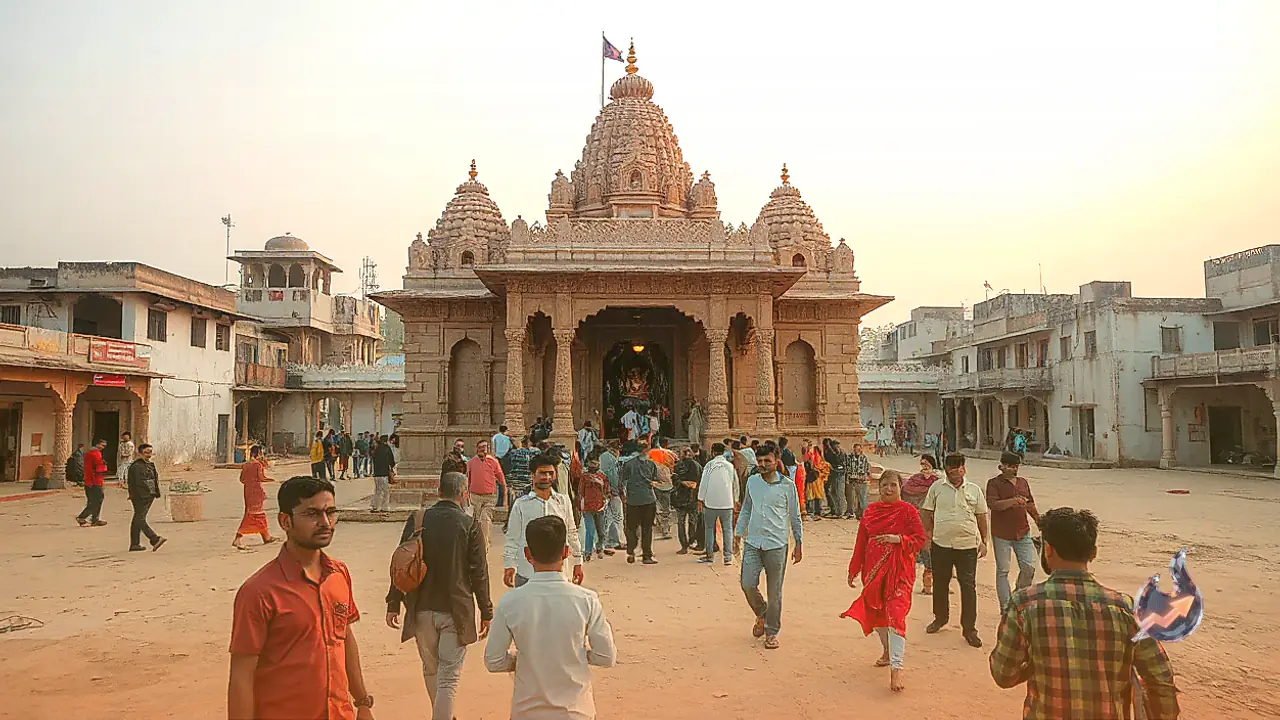
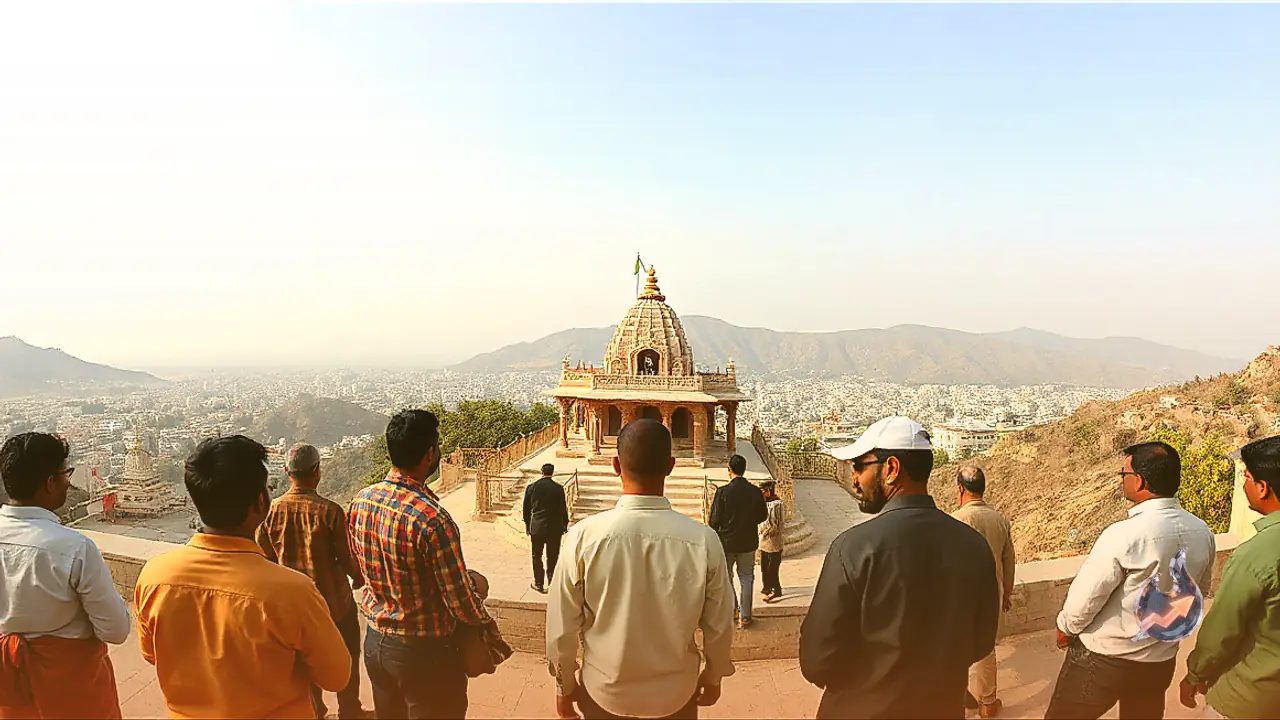















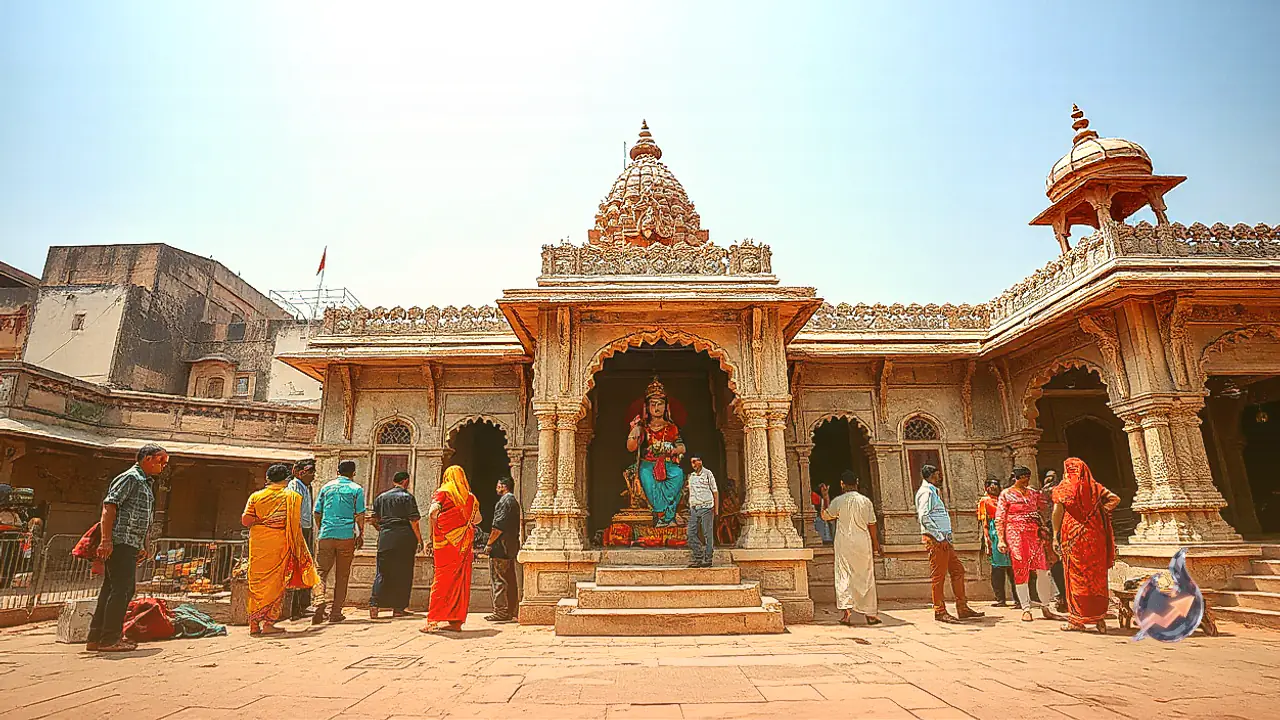

In the heart of Udaipur's Bhatiyani Chauhatta area stands an ancient sanctuary whose spiritual roots run four and a half centuries deep into Rajasthan's rich history. Unlike traditional depictions where the goddess of wealth is seated upon a lotus blossom, this revered shrine features Goddess Mahalakshmi seated directly atop an elephant. Carved meticulously from white stone, the 31-inch-high deity commands reverence among visitors and pilgrims who travel from across regions to pay homage.
Commissioned Under Maharana Jagat Singh Following Queen's Wish
The origin of this architectural landmark reflects the spiritual legacy of the Mewar dynasty. Providing historical context from the records preserved over generations, Hemendra, a member of the Shrimali Jati Sampatti Vyavastha Trust, detailed how the temple came into existence during the reign of Maharana Jagat Singh. The construction coincided with a momentous era in the city's architectural expansion, when the prominent Jagdish Temple dedicated to Lord Vishnu was being erected.
During that time, the reigning queen expressed a heartfelt desire that alongside the majestic Jagdish shrine, an equally dedicated temple should be raised in honor of Goddess Lakshmi. Respecting her religious devotion, Maharana Jagat Singh sanctioned the construction of the Mahalakshmi Temple. To consecrate the sanctuary, a sacred idol was brought from the historic town of Bhinmal. Religious scholars and priests performed elaborate Vedic rituals to conduct the formal consecration ceremonies, instituting worship traditions that continue uninterrupted to this day.
Spiritual Symbolism of the Gajalakshmi Form Across 4,200 Square Feet
The hallmark of the temple rests in the specific iconography chosen for the principal deity. While classical representations overwhelmingly portray Goddess Lakshmi seated on a lotus, this shrine venerates her in the rare manifestation known as Gajalakshmi. Within Hindu traditions, the elephant symbolizes supreme dignity, abundance, strength, and auspicious fortunes. Worshipping the goddess upon such a mount signifies the bestowal of both material prosperity and inner fortitude.
The historical structure covers an expanse of approximately 4,200 square feet. Its enduring foundation, stone architecture, and the distinctiveness of the Bhinmal sculpture have earned it an exceptional reputation within the heritage landscape of Udaipur.
Centuries of Unbroken Devotion and Living Heritage
For more than 450 years, the shrine has served as a central focal point of local faith and collective celebration, witnessing heightened activity during festive occasions such as Diwali. Devotees visit the sanctum to seek divine blessings for health, household harmony, financial well-being, and peace of mind. Blending royal craftsmanship, ancient stone sculpting traditions, and timeless faith, this monument remains an integral anchor of Udaipur's living cultural fabric.