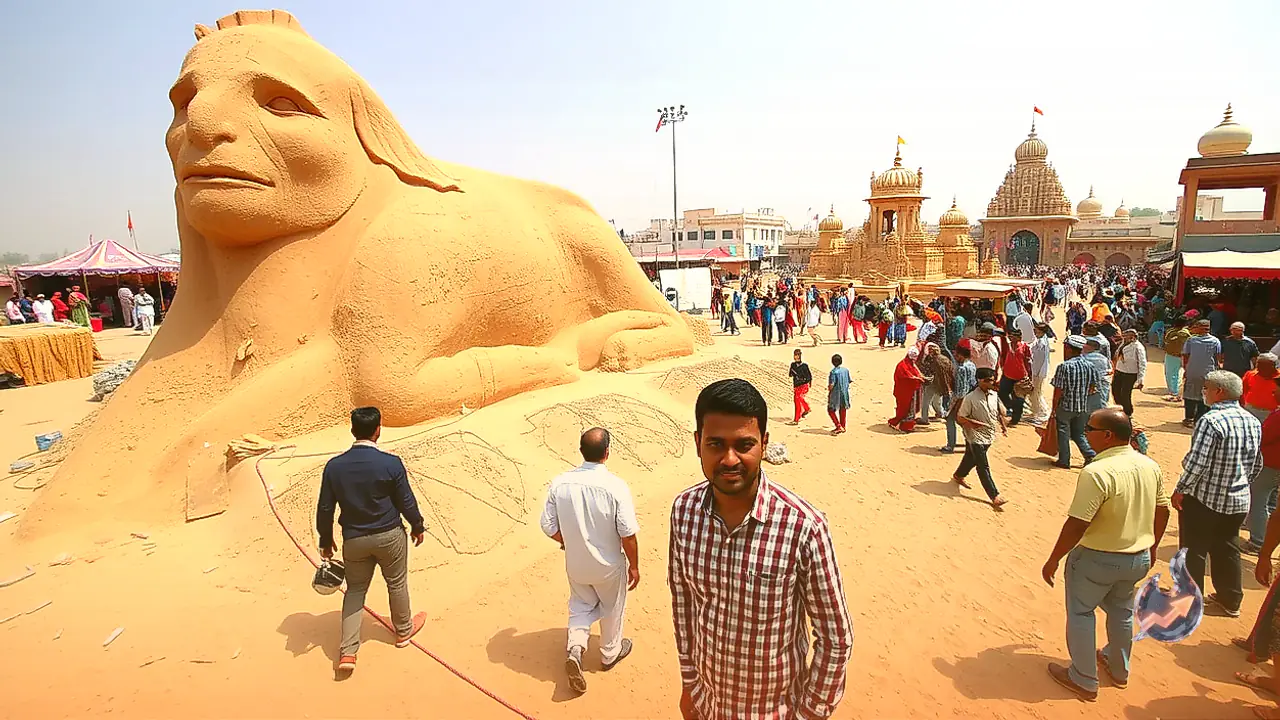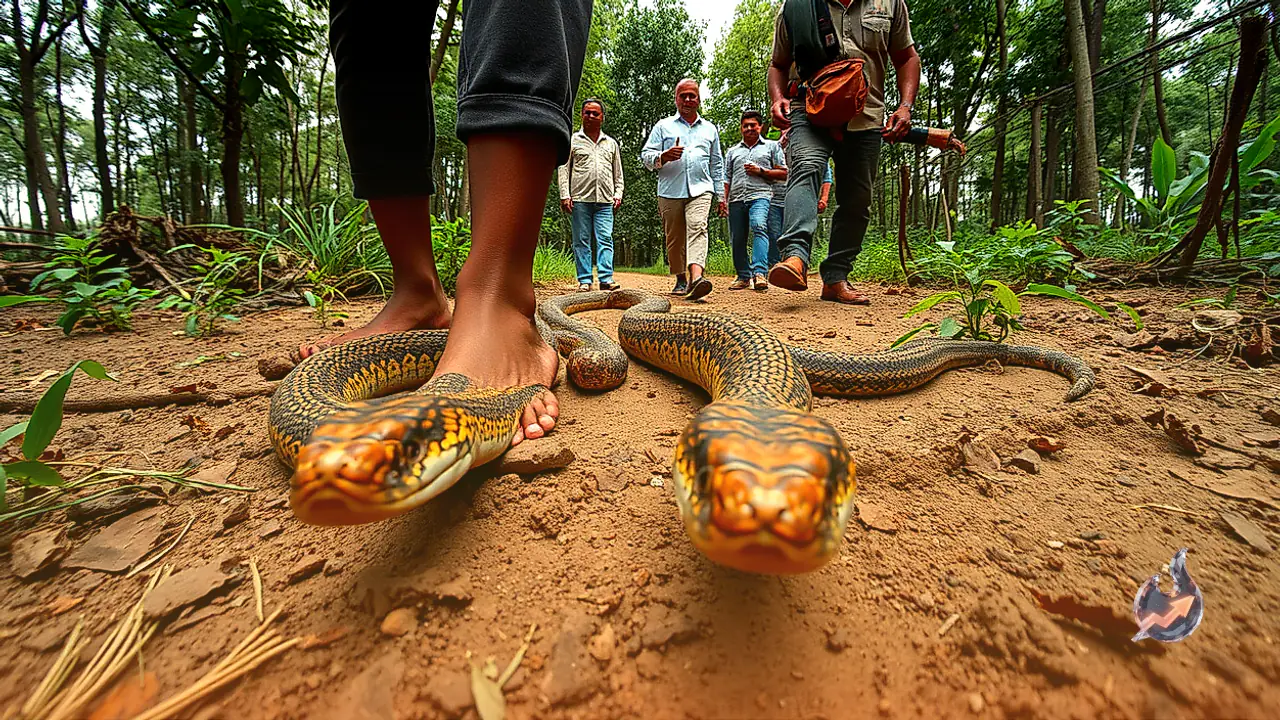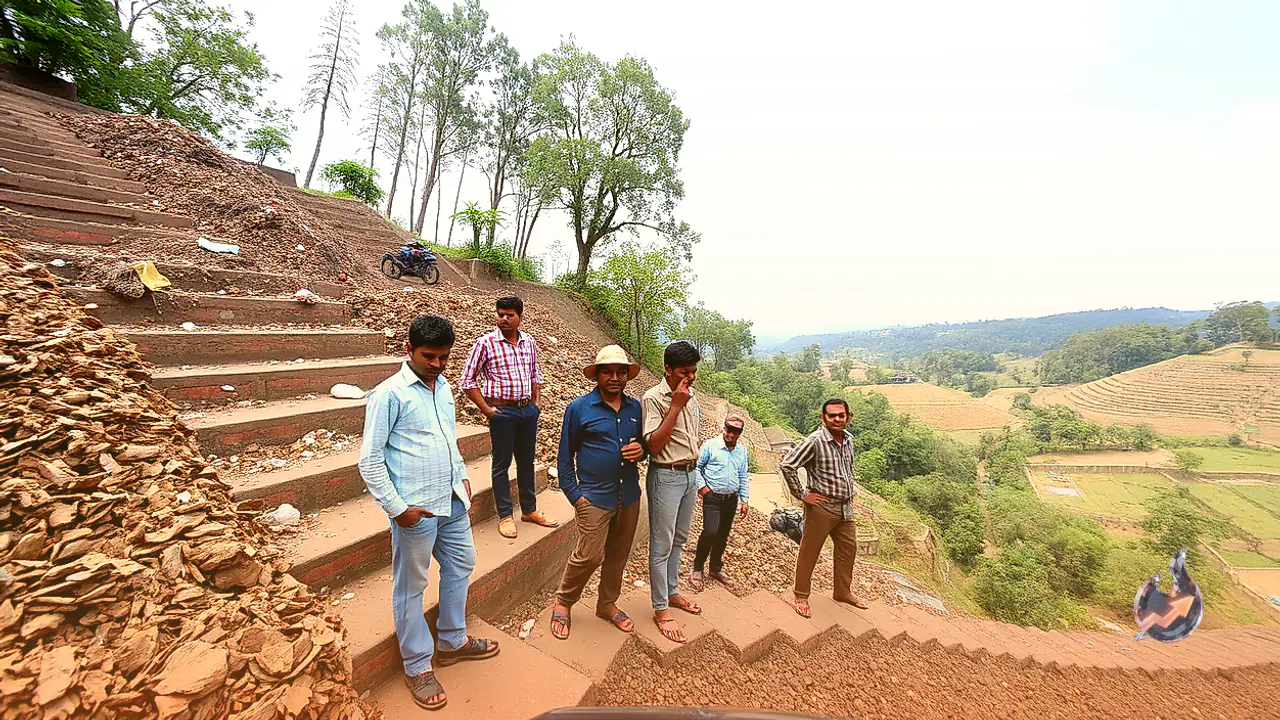


















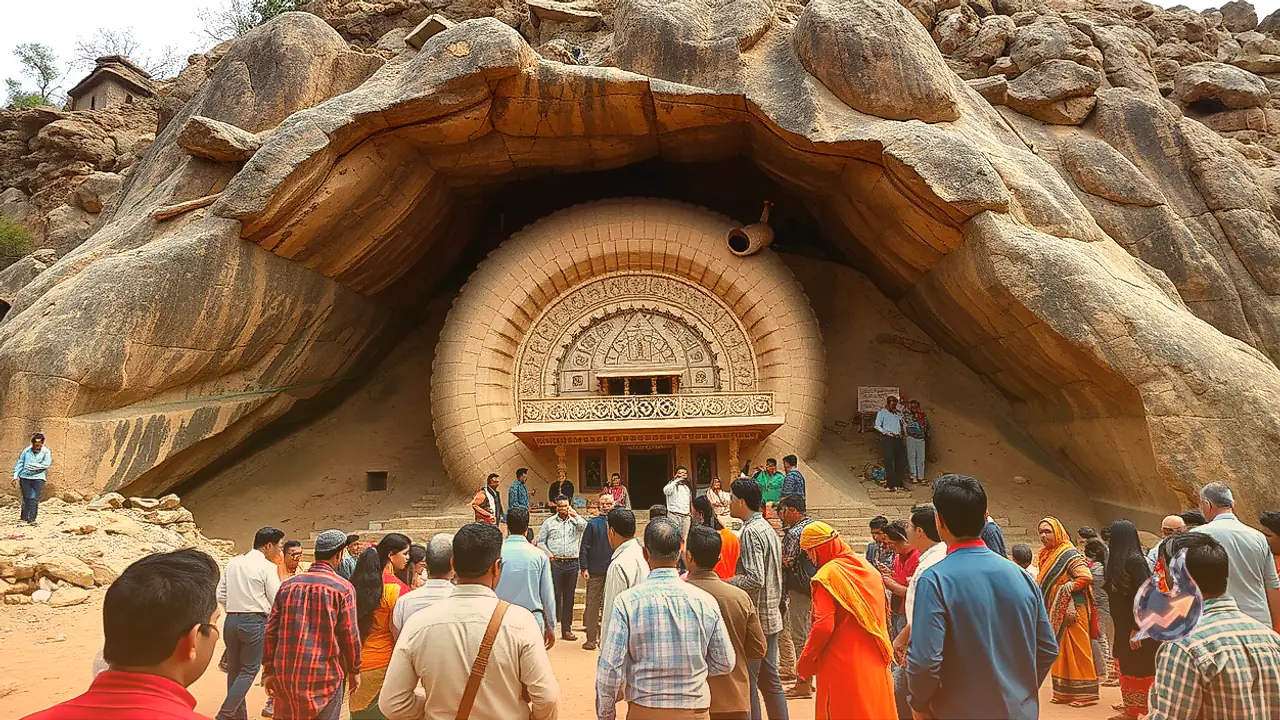

Situated amidst the rugged hills of Pali district in Rajasthan, the sacred shrine of Shri Sonana Khetlaji stands out for its distinctive architectural profile and ancient rituals. Located at Sarangwas within the scenic valleys of the Aravalli range, this pilgrimage site draws devotees from across the country. The most striking element of the hill sanctuary is its outer form, which from a distance appears remarkably like a massive serpent. The rocky landscape has been sculpted to depict the contour of a snake, complete with prominent carved eyes that immediately catch the attention of approaching visitors.
An Eight-Century Heritage Rooted in Aravalli Lore
Historical records and regional faith trace the roots of the Sarangwas shrine back roughly 800 years. Khetlaji Bawsi is revered as Kshetrapal, recognized in sacred lore as the fifth manifestation of Lord Shiva in the form of Lord Bhairav. Ancient traditions recount that when sages and hermits engaged in deep penance within the isolated caves of the Aravalli range, Lord Bhairav served as their guardian against perils. Over generations, this historic shelter transformed into a permanent center of devotion for communities across Marwar and beyond.
Serpent Carvings and the Ceremonial Sheshnag Aarti
The natural rock face has been carved into the distinct outline of a snake, giving the sanctum a rare and striking appearance. The most captivating spiritual experience at the temple unfolds during the morning and evening prayers. During these ceremonies, the head priest adopts the symbolic posture of Sheshnag, executing a specialized, deeply revered ritual of Maha Aarti. Devotees gather in large numbers to witness this uncommon ceremonial display, which remains a defining spiritual highlight of the shrine.
Guardian Deities, Canine Companions, and the Sanctum
Serving as sentinels to Kshetrapal, two towering statues of Lord Kala Bhairav are installed prominently within the courtyard. In keeping with traditional iconography, these guardian figures are depicted alongside two loyal dogs, their traditional mounts, forming a central point of interest for visitors. Alongside Kala Bhairav, the expansive temple premises also house dedicated worship spaces for Lord Hanuman and Lord Shanidev Maharaj, allowing devotees to seek blessings from multiple revered deities within a single sacred complex.
The Customs of Mundan and Bawdi Offerings
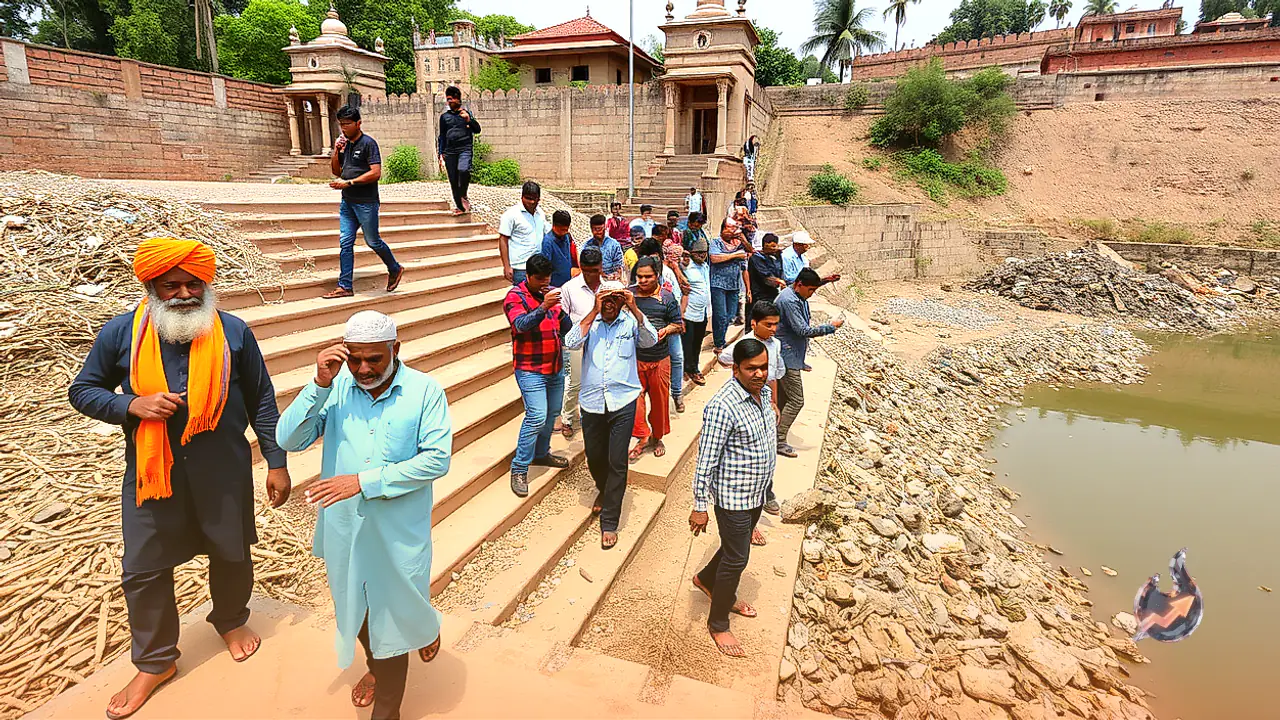
Faith in the shrine remains tied to long-held rites of passage and fulfilled vows. Families travel great distances, often barefoot, to perform the first haircut ceremony or Mundan, locally known as Jhadoola, praying for good health and long life for their infants. Furthermore, following weddings or the fulfillment of specific personal pledges, pilgrims observe the centuries-old ritual of offering a Bawdi. This custom involves presenting a traditional ceremonial attire or angi to the deity as an expression of gratitude.
Strict Sanctuary Rules for Churma Offerings
A key ritual rule that governs daily life at Shri Sonana Khetlaji Temple involves the sanctified food offered to the deity. According to ancient practice, the traditional churma prasad prepared and offered here cannot be taken beyond the boundaries of the temple grounds under any circumstances. Pilgrims must partake of and consume the consecrated sweet entirely within the shrine perimeter. This unwavering custom has been preserved without interruption across generations, remaining an integral part of the pilgrim experience today.