



















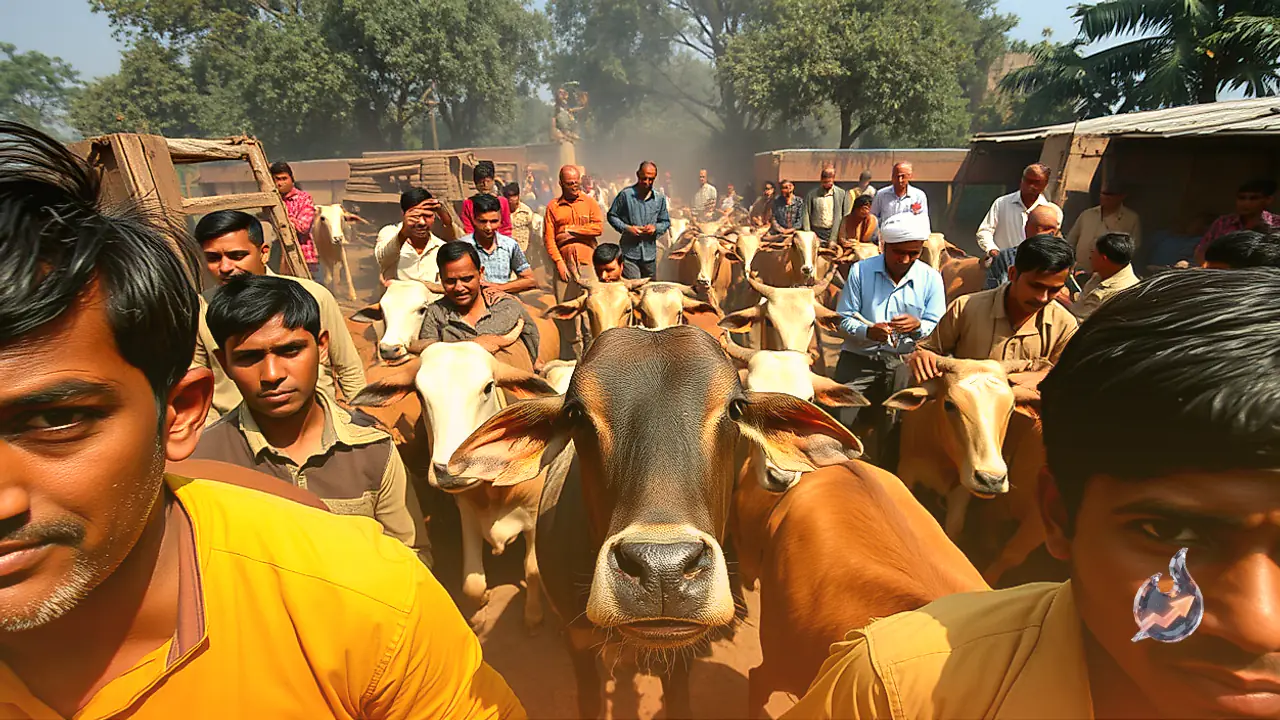

Concerns have resurfaced among livestock rearers in rural Rajasthan as symptoms resembling the dangerous Lumpy Skin Disease were observed in cattle wandering openly in Chaksu, near Jaipur. In Brijpura village, situated under the Kothun gram panchayat, cattle reportedly suffering from severe signs of the infection were seen grazing along public roads, raising fears of a broader outbreak across the surrounding rural belt.
Sick cattle near village school raise safety worries
The situation in Brijpura became especially alarming after the ailing cattle were spotted right outside the local government school. With schoolchildren continuously moving through the area, the presence of unattended and visibly sick animals near school premises has left parents deeply worried about the safety of their children during their daily commute.
Risk of transmission to healthy herds mounts
Local residents pointed out that allowing infected cattle to roam freely on public pathways creates an imminent hazard for healthy livestock. Close contact between sick and unaffected animals could quickly cause the viral contagion to spread throughout the region. Remembering the heavy toll that the previous Lumpy Virus wave inflicted on livestock across Rajasthan, villagers fear that any delay in isolating the sick animals could trigger an uncontrollable wave of infections.
Residents demand swift veterinary screening and isolation
Facing the growing threat, residents of Brijpura village have called on the local administration and the animal husbandry department to deploy emergency medical teams immediately. The community is demanding that officials promptly identify all cattle exhibiting symptoms resembling Lumpy Virus and isolate them from healthy animals. Furthermore, villagers want medical teams to conduct thorough door-to-door health checks across cattle sheds in the area to break the chain of transmission before the condition escalates.
Timely vaccination and hygiene crucial to contain the spread
Containing viral outbreaks of this nature relies heavily on rapid vaccination drives and maintaining strict hygiene within animal enclosures. Villagers stressed that negligence or slow administrative action could allow the infection to turn into a widespread crisis, inflicting severe financial hardship and emotional distress on families dependent on dairy farming.