

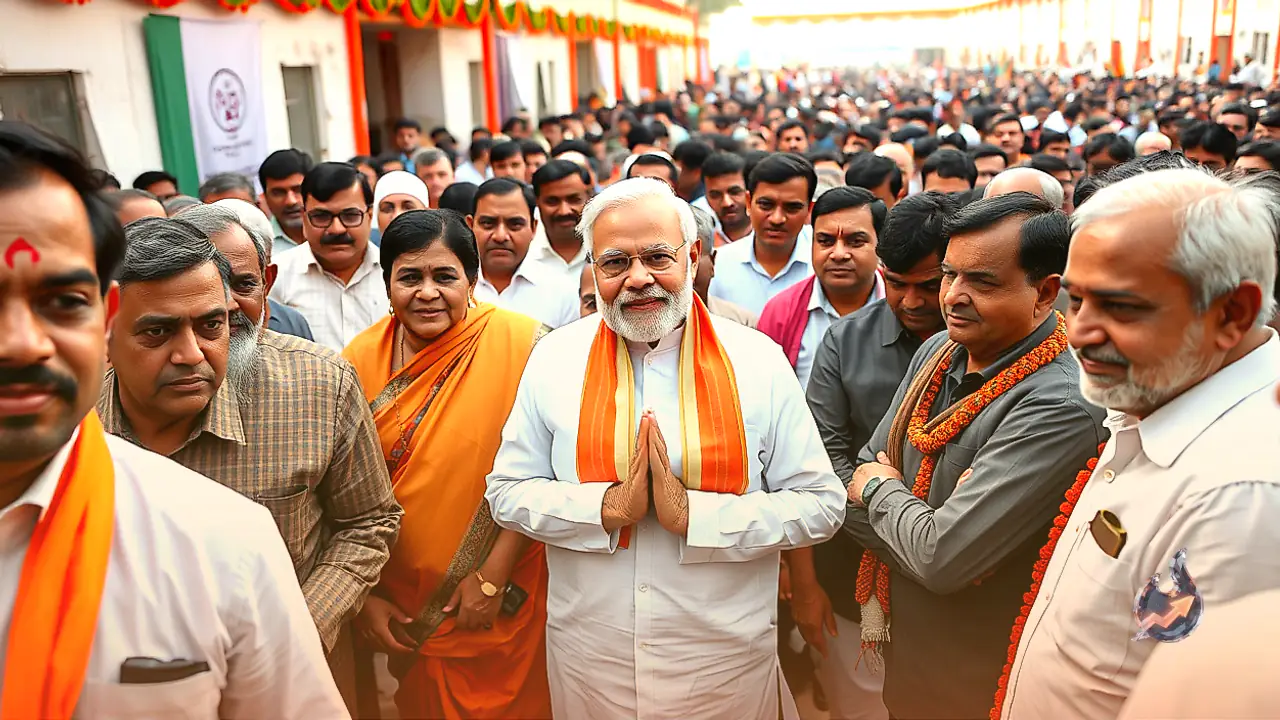
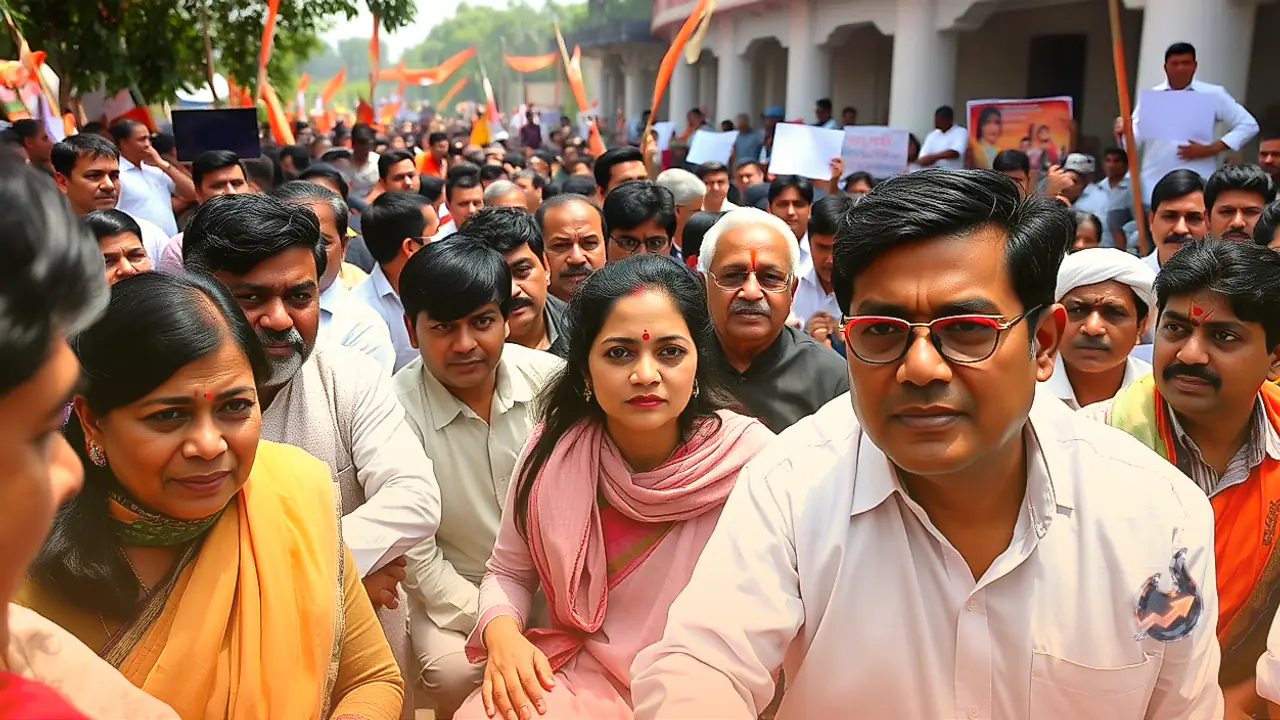














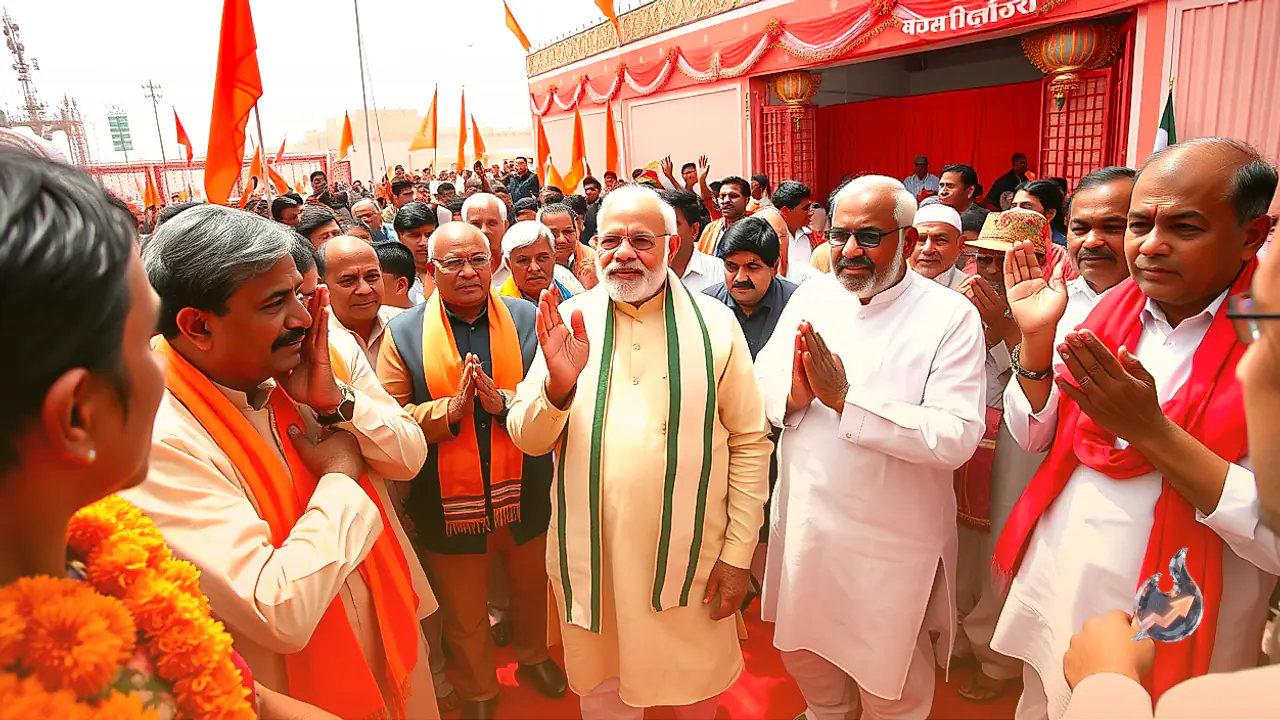

Marking a quarter of a century dedicated to public administration and statecraft, Prime Minister Narendra Modi completed twenty-five years in governance. Political leaders in Rajasthan extended warm congratulations on this milestone, highlighting his transition from the Chief Minister of Gujarat to the nation's principal public servant as an enduring benchmark of transparency, dedication, and systemic reform.
Governance Experiments in Gujarat Becoming National Blueprints
The administrative initiatives pioneered during his tenure at the helm of Gujarat continue to serve as working templates for policies implemented across India. Facing severe water shortages across vast rural belts, comprehensive initiatives were introduced to channel water to parched villages. Concurrently, female literacy received institutional momentum by converting girls' education into a widespread societal campaign. The administration simultaneously advanced industrial growth alongside agricultural modernization. These regional governance strategies have since evolved into national benchmarks for development across multiple states.
The Humble Beginnings and Early Struggles in Vadnagar
The foundational roots of this twenty-five-year public trajectory trace back to his hometown of Vadnagar in Gujarat. The local railway station, where Narendra Modi spent his childhood assisting his father at a modest tea stall, stands as a witness to those early hardships. Contemporaries and locals associated with the Vadnagar station still recount the challenges of those formative years. Overcoming steep personal and material hurdles to pursue national service remains a central chapter of his personal history, marking an extraordinary rise from a small town tea stall to leading the world's largest democracy on the global stage.
From Physical Infrastructure to High-Tech Advancements
Over the span of two and a half decades, governance priorities have focused on modern infrastructure while balancing cultural heritage through the operational guiding philosophy of progress alongside heritage, and science coupled with tradition. Significant capital and policy support have been directed toward extensive road networks, modernized rail transport, and widespread digital infrastructure. In parallel, strategic sectors including domestic defense manufacturing, space exploration programs, and semiconductor production have witnessed targeted initiatives aimed at securing national self-reliance.
Rajasthan Leadership Commends Visionary Track Record
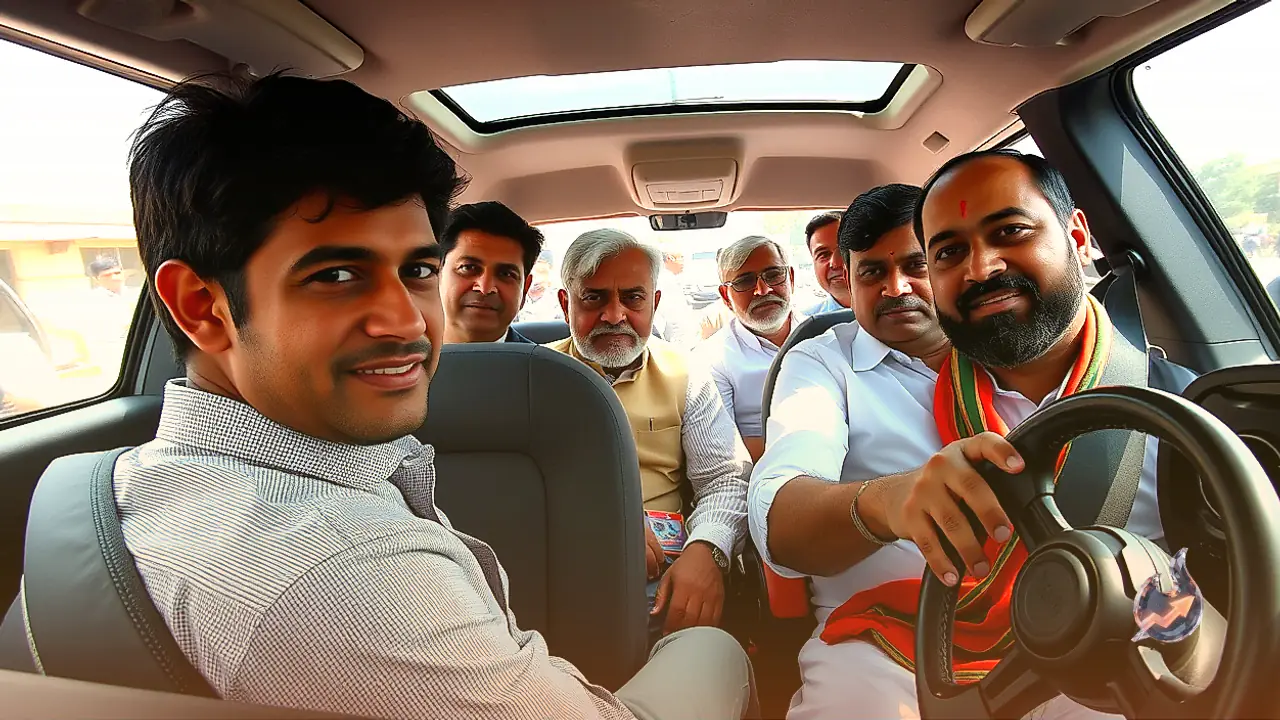
Rajasthan Chief Minister Bhajanlal Sharma praised this extensive governance record, emphasizing how grassroots administrative reforms in Gujarat regarding water access, education, and economic balance have become nationwide operational models. Sharma affirmed Rajasthan's firm commitment to realizing the national objective of a developed India, extending prayers and wishes for the Prime Minister's robust health, longevity, and continued guidance to the nation with steadfast energy.
Harnessing 1.4 Billion People Toward the 2047 Milestone
Echoing these sentiments, Rajasthan BJP State President Madan Rathore stated that the collective vision of a developed India being pursued in 2026 will be fulfilled under this focused leadership. Drawing a demographic comparison, Rathore noted that while the nation's population stood below 400 million a century ago, India today possesses the collective strength of more than 1.4 billion citizens. He expressed confidence that these 1.4 billion people will unite to build a developed India by the centenary year of 2047, underpinned by rapid domestic strides in semiconductors, defense production, rail connectivity, roads, and digital systems.