





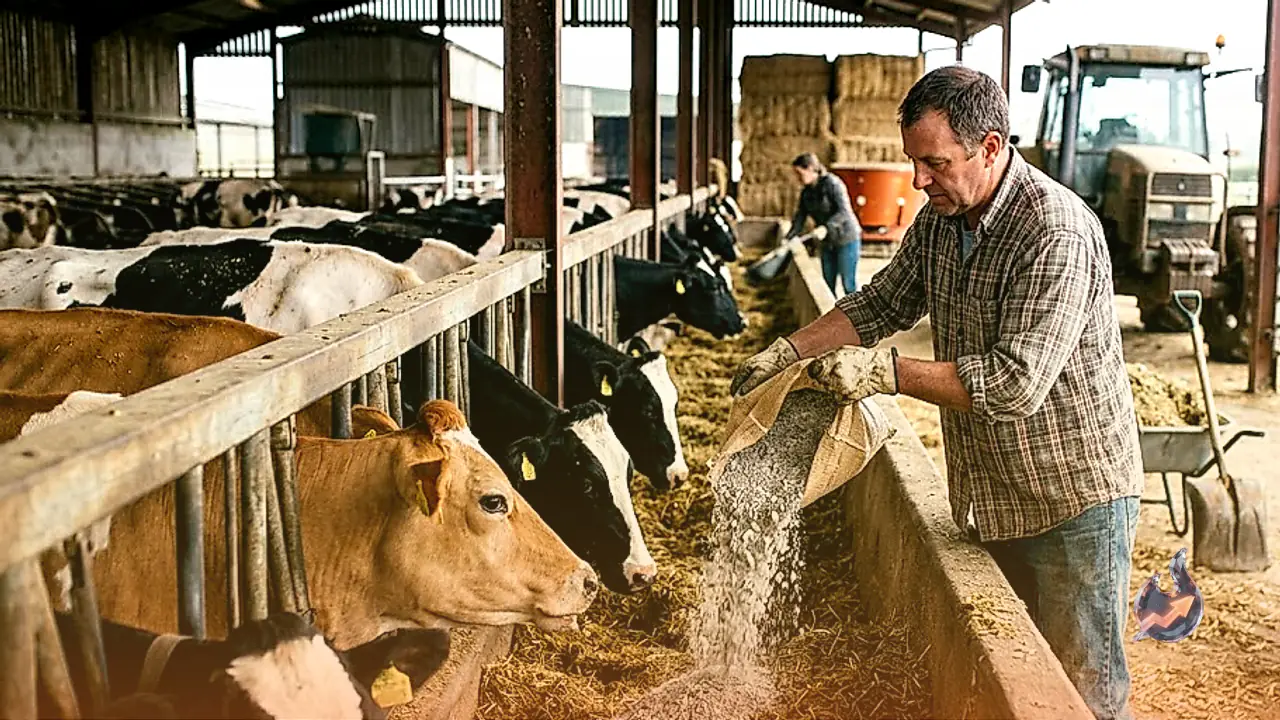
















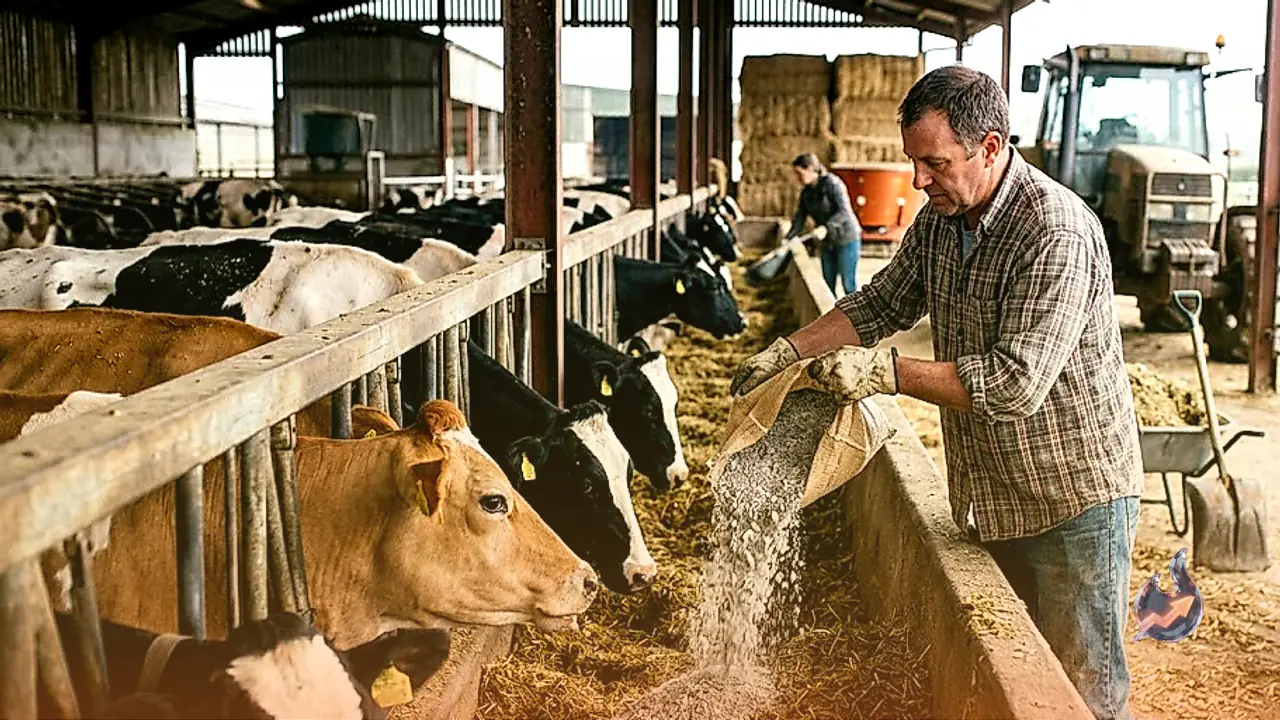

Keeping cattle healthy and increasing milk yield requires a thoroughly balanced diet. In addition to fodder, grains, carbohydrates, fats, proteins, and vitamins, mineral salts play a vital role in animal nutrition. These minerals help strengthen bones and teeth, ensure proper muscle function, and support numerous essential bodily processes. A shortage of these elements can cause various illnesses in animals, making it crucial for livestock owners to pay special attention to mineral content in animal feed.
The Role and Sources of Calcium
Calcium builds strong bones and teeth in animals while also assisting with muscle function and blood clotting. When cows and buffaloes give birth, a lack of calcium during this period can trigger a condition known as milk fever. Milking animals require higher amounts of calcium because the mineral exits the body alongside milk. Leafy green crops and legume fodder serve as excellent sources of calcium.
Phosphorus and Pica
Phosphorus aids in bone formation and supplies energy to the body. A deficiency causes animals to consume soil or other unnecessary items, a behavioral problem known as pica. Phosphorus shortages can also lead to reproductive troubles and infertility in livestock. Grains and fish-based products stand out as good sources of this nutrient. Maintaining a balanced ratio of calcium and phosphorus in animal diets remains essential.
Functions of Magnesium, Sodium, and Potassium
Magnesium helps bones, nerves, and muscles function correctly. Wheat bran, cottonseed meal, and linseed meal provide good sources of this mineral. Meanwhile, sodium and chloride help maintain the balance of water and salts within the body, both found in ordinary salt. Potassium proves necessary for muscle contraction and transmitting nerve signals.
Iron helps manufacture hemoglobin in the body, which transports oxygen to different parts through the blood. An iron deficiency can result in anemia. Copper shortages stunt animal growth and can cause bone issues, diarrhea, and reproductive complications, with seeds and seed-based products serving as good copper sources. Iodine remains essential, and its absence can cause goiter, while selenium helps protect body cells from damage.
Balanced Diet and Mineral Mixture Advice
Livestock must receive a balanced diet based on their age, weight, milk output, and pregnancy status. To bridge any mineral deficiencies, owners can administer a mineral mixture following a veterinarian's guidance, helping sustain animal health and enhance milk production.