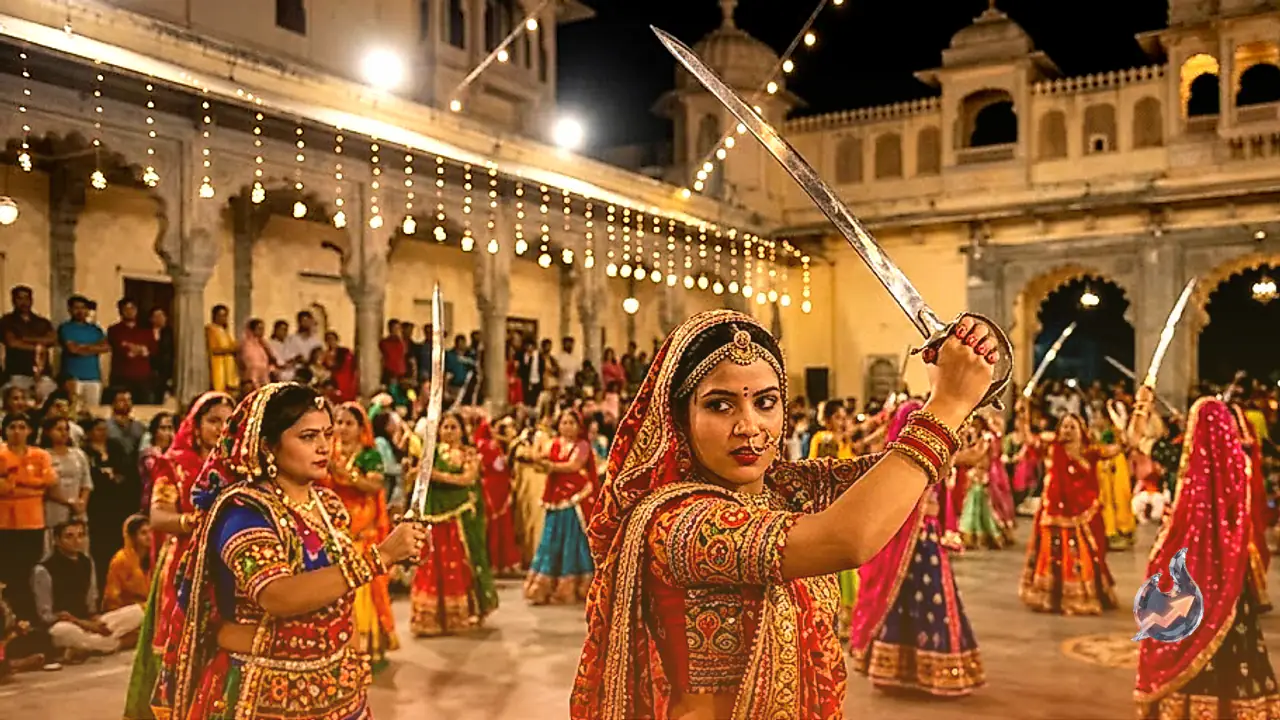
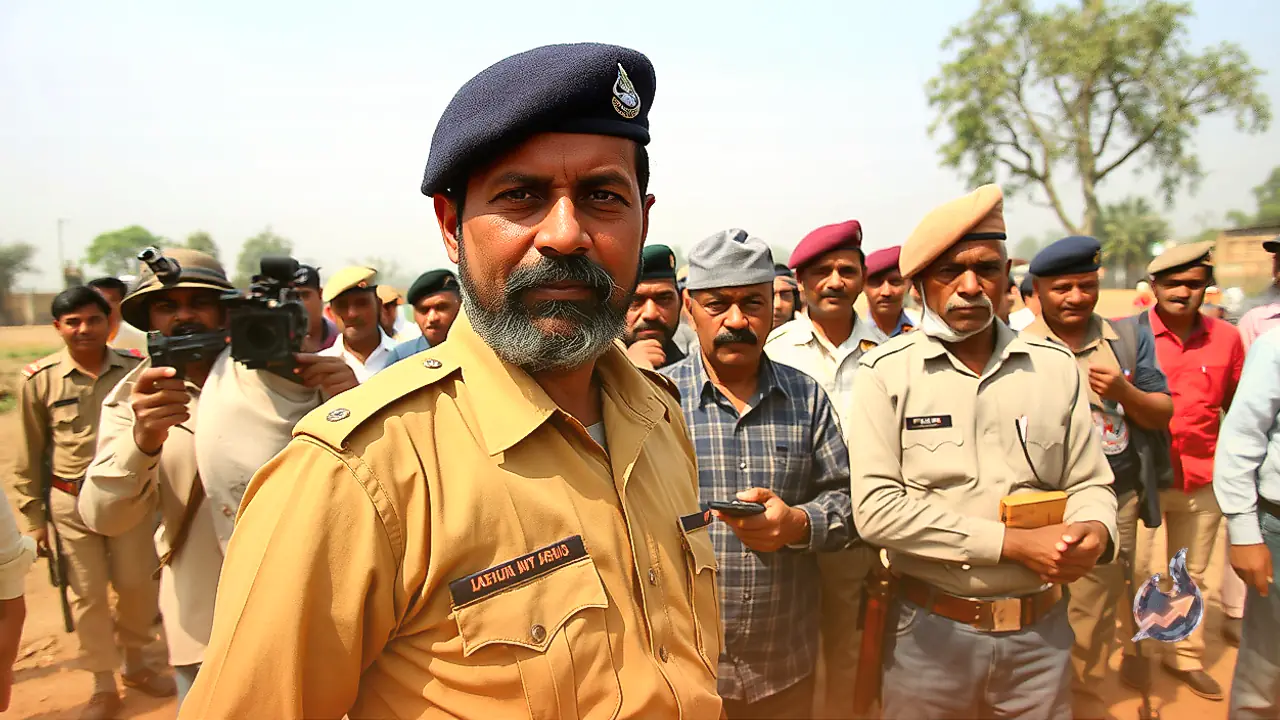


















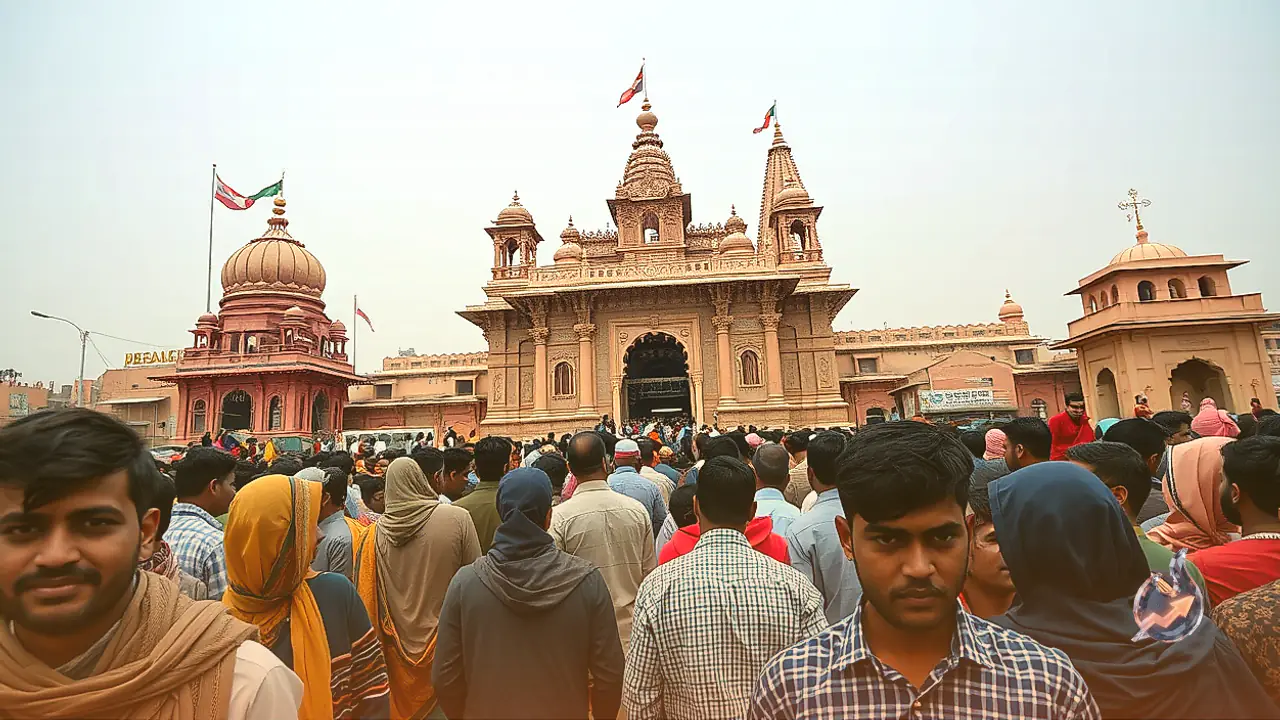

Stationed along the desert frontier, the troops of the Border Security Force handle far more than tactical surveillance, overseeing the complete spiritual routine of a revered desert shrine. Located approximately 120 kilometres away from the district hub of Jaisalmer, right beside the India-Pakistan international boundary, the sacred shrine of Tanot Mata draws huge gatherings during Navratri. Visitors travel to this remote outpost to seek peace and prosperity for their households and the nation. The most distinctive feature of this pilgrimage site is that regular priestly responsibilities are not held by conventional clerics, but are executed by personnel from the nation's premier border guarding contingent.
Paramilitary Management and Daily Customs at the Border
Following the major military confrontation between the two neighbouring nations in 1965, the border force took full administrative command and care of the sacred grounds. Today, a specialized trust instituted by the Border Security Force administers the everyday operations of the entire complex. The personnel themselves conduct the ceremonial worship sessions three times a day, faithfully observing the morning, noon, and evening rituals.
The force also organizes an extensive community meal kitchen for every visiting devotee. In this common dining arrangement, individuals from all walks of life sit side by side in a single line without regard to rank or wealth to receive food offerings. Uniformed personnel serve these meals with utmost humility and reverence. Because of this historic bond with armed sentinels, the deity has earned veneration under titles such as Thar Ki Vaishno Devi, the Goddess of Soldiers, and the Kerchief Goddess.
Wartime Miracles of 1965 and 1971 Encounters
Local faith reveres Tanot Mata as a divine incarnation of Awad Mata. The sacred compound served as an eyewitness to intense fighting during the Indo-Pak wars of 1965 and 1971. In the course of the 1965 hostilities, opposing forces targeted the desert outpost by dropping approximately 4000 explosive devices across the surrounding zone. During the subsequent 1971 hostilities, another barrage of around 450 artillery shells was aimed toward this strategic area.
Remarkably, not a single piece of ordnance that struck inside the sacred perimeter or in its immediate vicinity detonated. The shrine structure emerged untouched, and Indian forces went on to secure decisive military triumphs on this front. The live munitions that mysteriously failed to explode remain preserved inside a compact on-site museum where visitors can examine them today. Stunned by this inexplicable outcome, Brigadier Shahbaz Hussain of the opposing army presented four ceremonial silver umbrellas as an offering of reverence, items that remain safely preserved within the temple treasury. This sacred geography and the legendary combat at the Longewala outpost subsequently formed the narrative backdrop for the prominent Bollywood motion picture Border.
The Kerchief Tradition and Contemporary Frontier Defense
Adjacent to the central shrine lies the revered seat of Mansa Devi, commonly hailed among local worshippers as the deity of kerchiefs. Devotees observe a custom where tying a cloth handkerchief with sincere intent is believed to ensure the fulfillment of their deepest personal wishes. After their prayers materialize, pilgrims make the journey back to this remote border installation to untie the knots.
In recent times, whenever geopolitical friction escalated and adversary forces mounted threats utilizing contemporary drones or projectile systems, this border stretch remained entirely unharmed. Regional residents alongside frontier sentries hold a resolute conviction that, alongside the tireless vigilance of the Border Security Force, the spiritual protection of Tanot Mata stands guard over this demanding desert frontier.