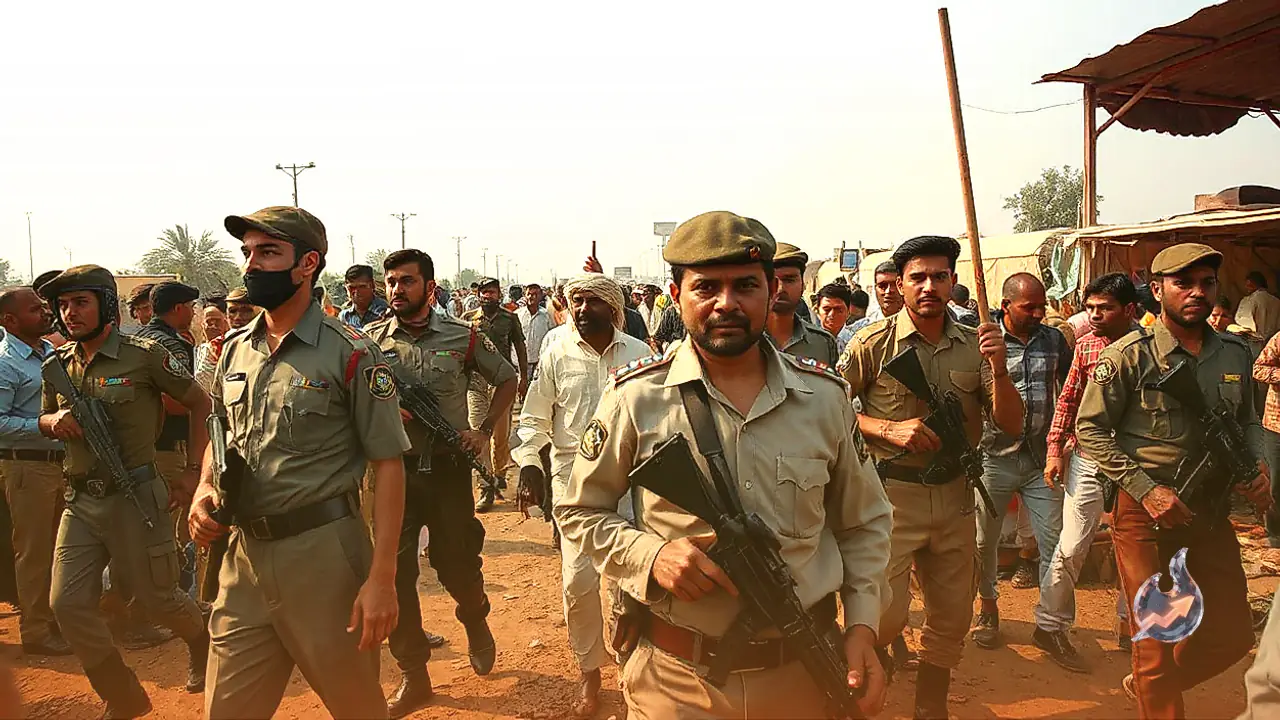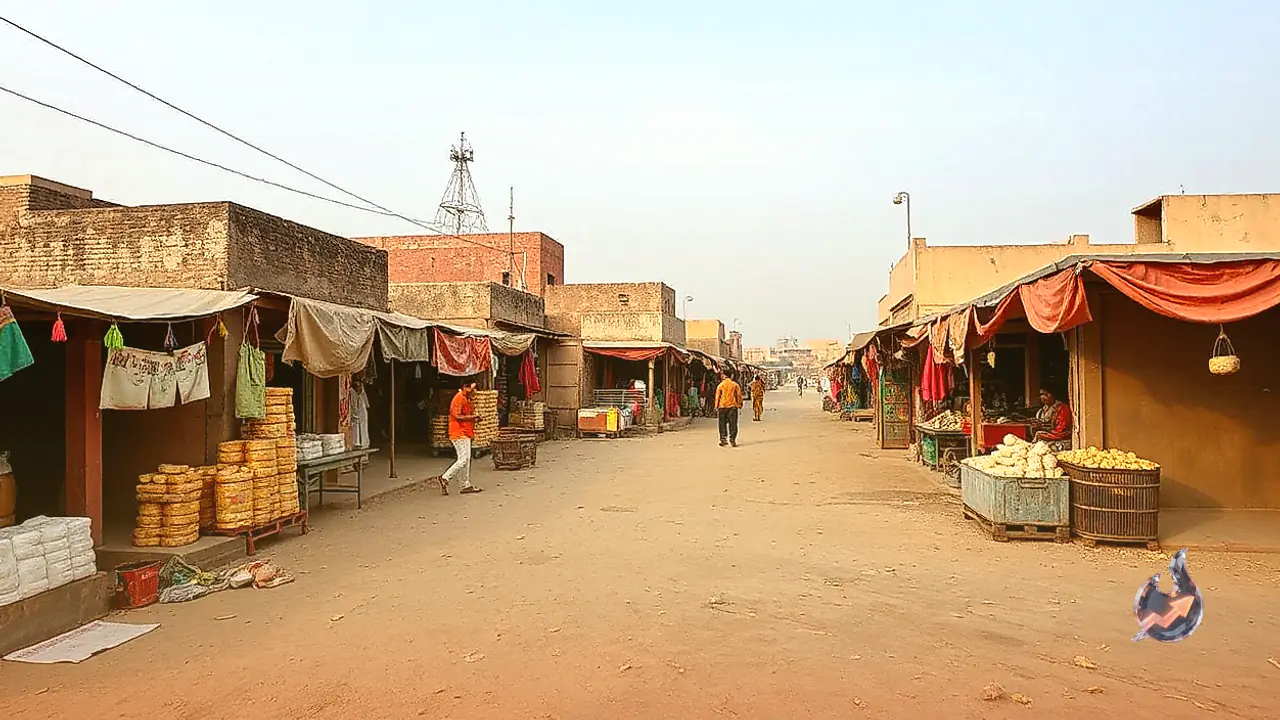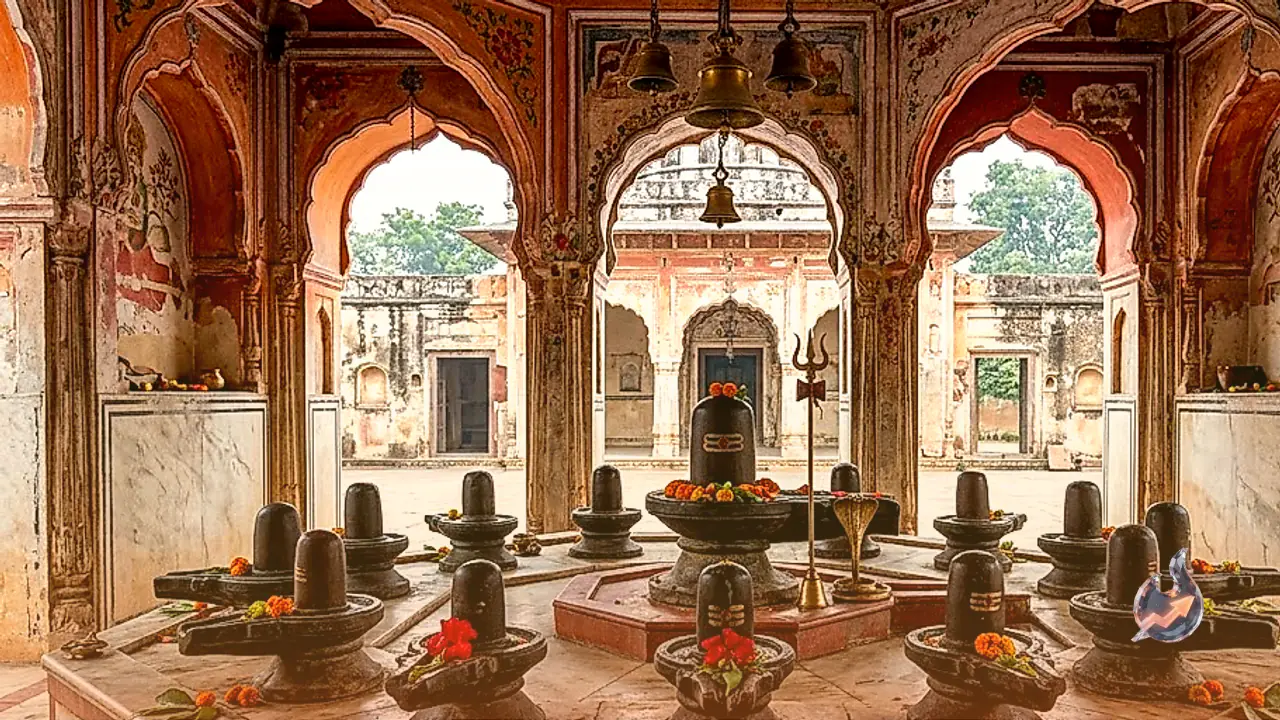
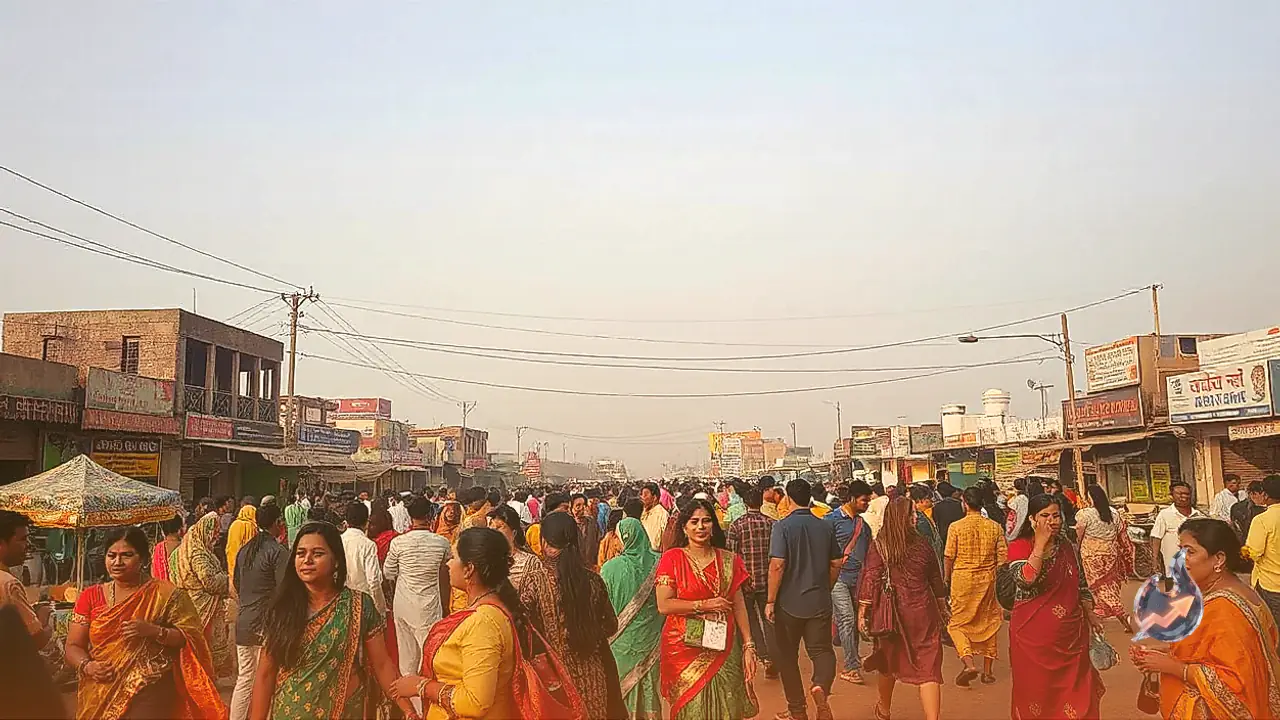














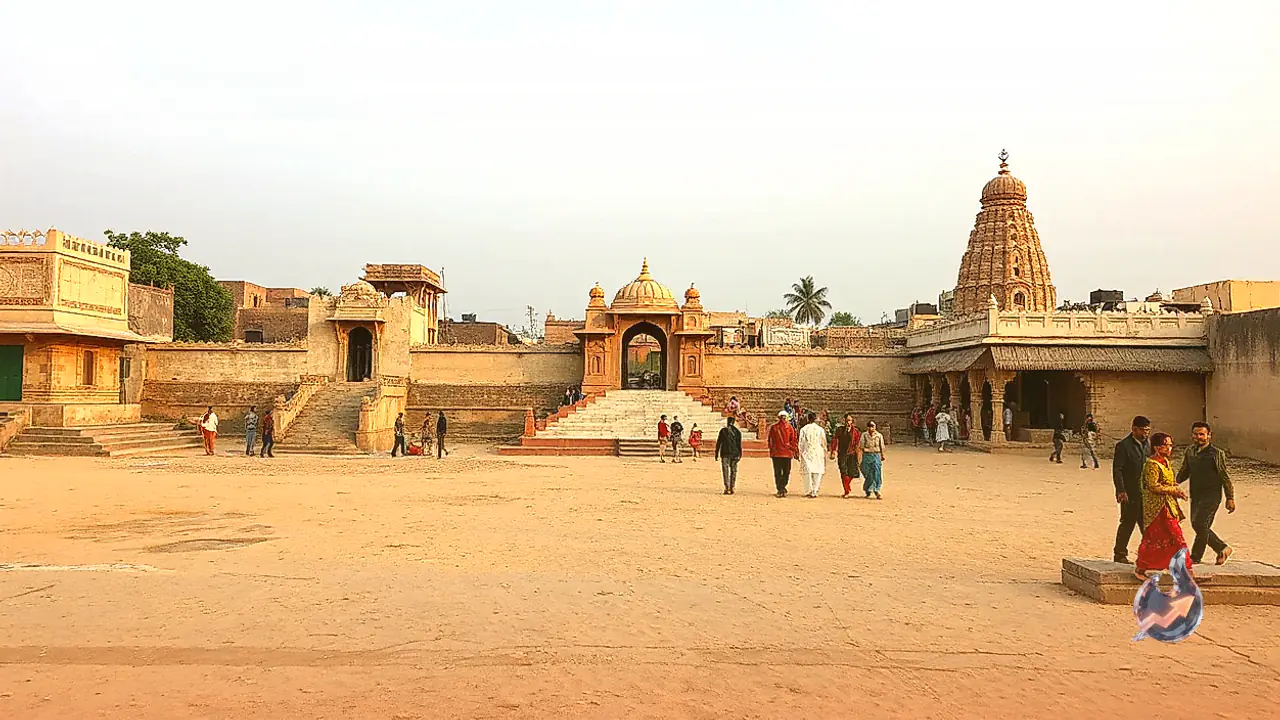

The vibrant celebrations of the Tesu Jhanjhi festival have begun across Dholpur and the wider Braj region right as Sharad Navratri and Vijayadashami draw to a close. Markets, local shops, and roadside vendors from urban centers down to rural villages are stocked with clay figures of Tesu and Jhanjhi as buying picks up pace. Running through Kartik Purnima, this five-day folk celebration serves as a living emblem of Braj heritage, ancient beliefs, and enduring romantic folklore.
Shifting Traditions and Young Enthusiasm
In earlier times, households observed this festival with immense fanfare and community spirit. While modern lifestyles and the growing popularity of smartphones among children have somewhat narrowed the direct reach of this custom, younger kids and culturally inclined families still maintain notable enthusiasm for it today. Children carry the symbolic figures from house to house, singing traditional verses that keep local customs alive.
Ties to Barbarik from the Mahabharata
According to local historian Kabir Saran, the festival ranks among the most ancient and rich folk traditions of the Braj territory. The celebration connects directly to the legendary warrior Barbarik from the Mahabharata epic. As traditional accounts hold, Barbarik was the son of Ghatotkach and the grandson of the Pandava prince Bhima. He possessed immense might and held a strict personal vow to always support whichever side was losing in battle.
The Sacrifice Requested by Lord Krishna
Legend notes that during the great war, to maintain balance and steer the outcome, Lord Krishna took the form of a Brahmin and asked Barbarik for his head as alms. The warrior readily gifted his head while expressing a final wish to witness the entire war unfold. Lord Krishna placed his head at an elevated vantage point so Barbarik could watch the righteous battle from above.
A Tale of Unfulfilled Love and Separation
Folk narratives explain that before marching to the battlefield, Barbarik had promised to marry his beloved Jhanjhi. However, the demands of war and the subsequent sacrifice meant their marriage never took place. Following Barbarik's sacrifice, the poignant story of separation and love surrounding Jhanjhi became an inseparable part of Braj folklore. Guided by this tradition, communities construct symbols of Tesu and Jhanjhi every year to preserve memories of love and longing.