






















Farmers across the Nagaur district of Rajasthan have initiated preparations for sowing cumin, a major spice crop of the Rabi season. Field operations and sowing activities typically pick up significant pace from the second fortnight of October. Cumin is recognized as an essential crop that requires relatively low water for cultivation, yet changing weather patterns and pest infestations mean farmers must exercise caution. Agricultural experts advise producers to adhere to timely sowing schedules, select improved seed varieties, and complete seed treatment prior to planting to ensure robust crop growth and higher yields.
Optimal Sowing Time and Field Preparation
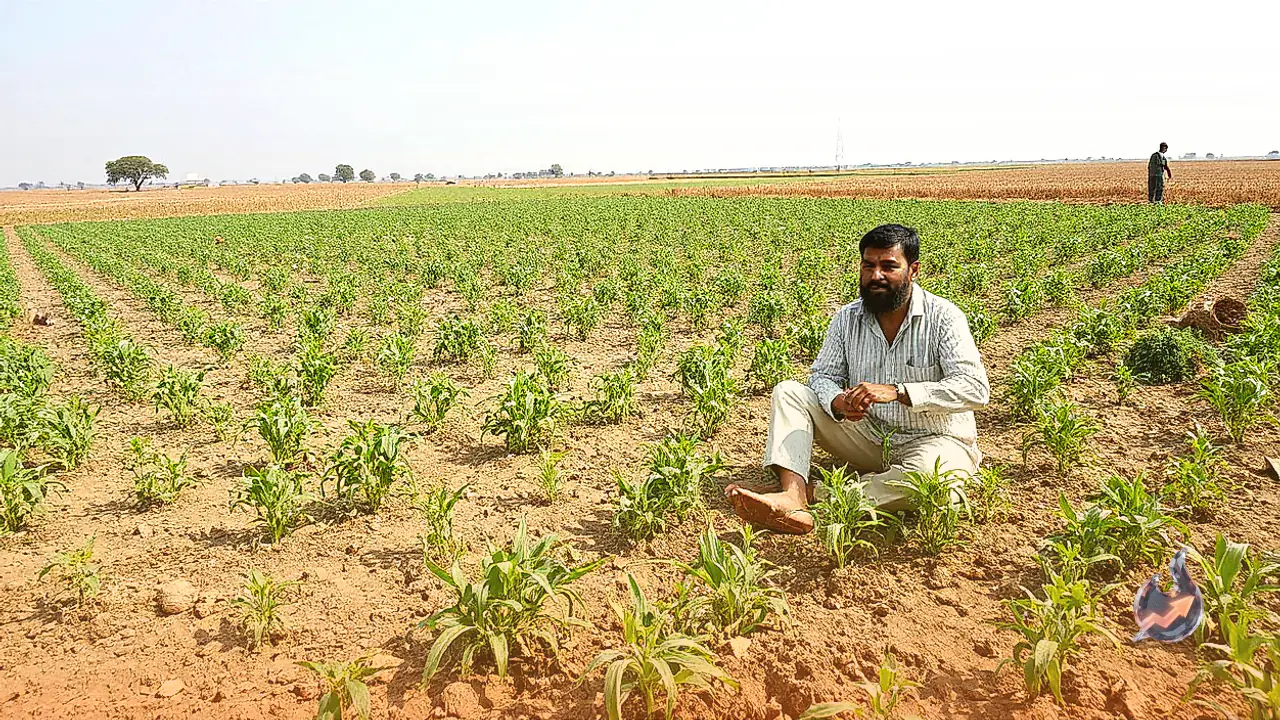
Timing plays a crucial role in securing a successful cumin harvest. Generally, sowing is carried out from the middle of October through the middle of November. However, adjustments can be made depending on local weather conditions, temperature, and moisture levels in the soil. Excessive heat or sudden shifts in the weather can negatively impact seed germination and early seedling development, whereas favorable conditions promote healthy plant growth. Local progressive farmer Chaudhary Arjun Singh noted that preparing the field thoroughly before sowing is vital. The field must be properly leveled, and adequate soil moisture is essential. Land featuring good drainage systems is best suited for cumin cultivation, as waterlogging can severely damage the crop.
Selecting Improved Varieties and Seed Treatment
Choosing the right seed variety significantly boosts production potential in cumin farming. Farmers in the district can select from several advanced varieties based on regional conditions and availability, including RZ-19, RZ-209, RZ-223, and GC-4. Before sowing, cultivators should consult the local agriculture department or farm specialists to determine the most suitable variety for their specific area. Furthermore, using certified and high-quality seeds is mandatory, as superior seed quality increases germination rates and helps maintain an optimal plant population in the field. Pests and diseases pose a major challenge to cumin crops, with fungal issues like powdery mildew and blight capable of stunting growth and cutting yields. Seed treatment before planting is highly effective in mitigating these risks, and farmers are urged to treat seeds with recommended fungicides under expert guidance to protect against seed-borne illnesses.
Balanced Fertilization and Irrigation Management
Relying solely on advanced seeds is not enough to guarantee a bountiful cumin harvest; farmers must also pay close attention to balanced fertilization and proper irrigation. Fertilizers should be applied based on soil test results, and irrigation should match the precise needs of the crop without allowing water to accumulate in the field. Regular monitoring of the crop during periods of fluctuating humidity and temperature is equally necessary so that any early signs of disease or pest attacks can be addressed promptly with appropriate corrective measures.