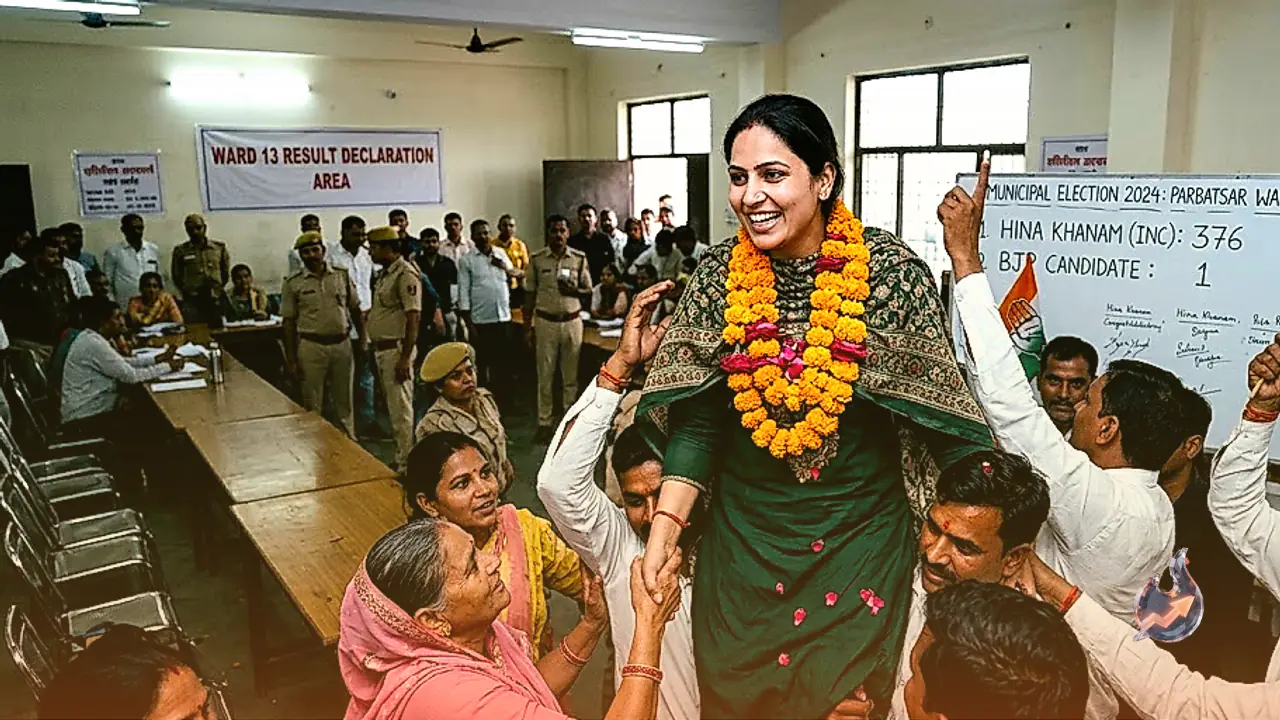














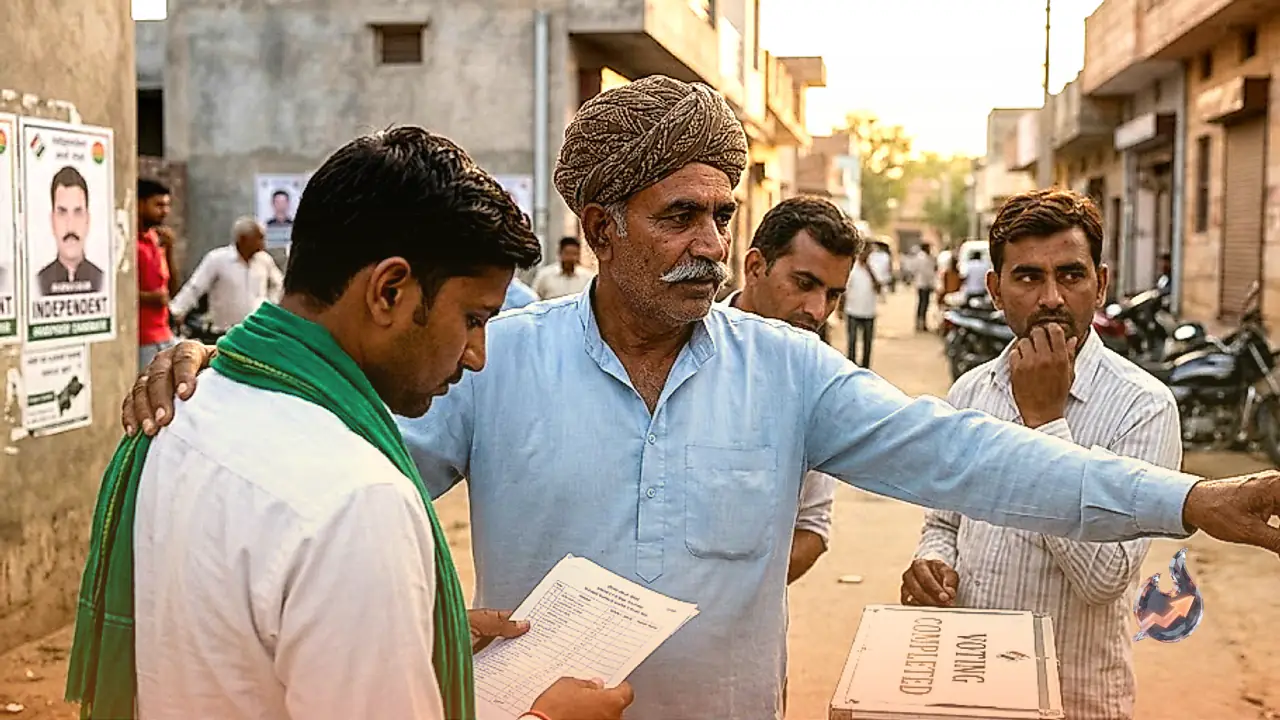

The recent local body election results in Rajasthan have thrown up surprising political trends, with the UGC roll-back agitation spearheaded by the Shri Rajput Karni Sena and various upper-caste organizations leaving a deep mark on the outcome. The ruling BJP faced unexpected reversals in multiple strongholds as the protest movement managed to dent the party's traditional vote bank among upper castes, particularly in Rajput-dominated pockets. While political parties have offered contrasting interpretations of these results, the numbers indicate a clear shift in voter preference toward independent candidates, altering the local political landscape.
The Journey of the Agitation from Bikaner to Jaipur
The political friction had been building up for weeks through organized resistance across the state. Earlier, an 18-day foot march was taken up from Deshnok in Bikaner to Jaipur under the leadership of Shri Rajput Karni Sena chief Mahipal Singh Makrana. This momentum culminated on August 3rd when an extensive protest march was organized in Jaipur under the banner of the Karni Sena over the contentious UGC issue. Following these events, the organization made a direct appeal to the Rajput community and other upper-caste voters to steer clear of the ruling party and instead cast their ballots for independent contenders in the municipal elections.
Claims Made by Karni Sena Leadership
Following the announcement of the election results, Shri Rajput Karni Sena chief Mahipal Singh Makrana asserted that their campaign and the public appeal to back independents played a decisive role. He claimed that the agitation directly resulted in roughly 30 percent of independent candidates winning their respective seats, leaving the ruling party short of a majority in areas traditionally dominated by its heavyweights. Makrana further stated that independent candidates who submitted affidavits in support of their UGC demands either emerged victorious or successfully sidelined the party's candidates.
Reversals in Strongholds of Prominent Leaders
Examining the geographical pattern of the results reveals notable setbacks in areas represented by key leaders. The agitation had originated from Bikaner, the parliamentary constituency of Union Law Minister Arjun Meghवाल, where the party ultimately failed to secure a majority as the opposition Congress party gained a clear majority in the Bikaner Municipal Corporation. The march had also passed through Sikar, another region where the party faced defeat. In Jaipur, which served as the epicenter of the protests, key areas like Vidyadhar Nagar represented by Deputy Chief Minister Diya Kumari and Jhotwara represented by Industry Minister Rajyavardhan Rathore have significant Rajput populations. Both constituencies failed to deliver expected results.
Decline in Winning Margins across Key Urban Seats
A closer look at the ward-level statistics shows that in Vidyadhar Nagar, the percentage of winning wards for the party dropped from 64.3 percent previously to 60 percent, with independents capturing nearly twenty percent of the wards. Similarly, in Jhotwara, the winning tally fell from 63 percent to 53 percent, as independents secured 23 percent of the seats. While similar setbacks were felt across other assembly segments in Jaipur, the dip was more pronounced in these two areas. The opposition Congress has attributed this outcome to the public backlash following police baton charges during the capital's protests.
Setbacks Extending to Bharatpur and Jodhpur
The electoral damage was not restricted to Jaipur, Bikaner, and Sikar alone. In Chief Minister Bhajanlal Sharma home district of Bharatpur, independent candidates won the highest number of seats in the municipal corporation, outperforming both major national parties. In Jodhpur, Union Minister Gajendra Singh Shekhawat failed not only to secure a majority in the municipal corporation but also lost his own ward and polling booth. In Ajmer as well, despite the presence of prominent figures such as Union Minister Bhagirath Choudhary and Assembly Speaker Vasudev Devnani, the party trailed behind the opposition in the municipal tally.
Upper-Caste Voters Favor Independents Over Opposition
A notable trend in the state was that disgruntled upper-caste voters chose independent candidates instead of shifting their support to the Congress party. Across Rajasthan, a total of 2,273 independent councillors won their respective contests, compared to 4,179 for the BJP and 3,613 for the Congress. This dynamic explains why regions where the ruling party missed a majority also saw the opposition falling short of the halfway mark. Comparing the 2021 and 2026 election outcomes suggests that holding state power did not translate into a distinct advantage in these civic polls, with the Congress experiencing a dip in its vote share while independent candidates gained nearly two percentage points.