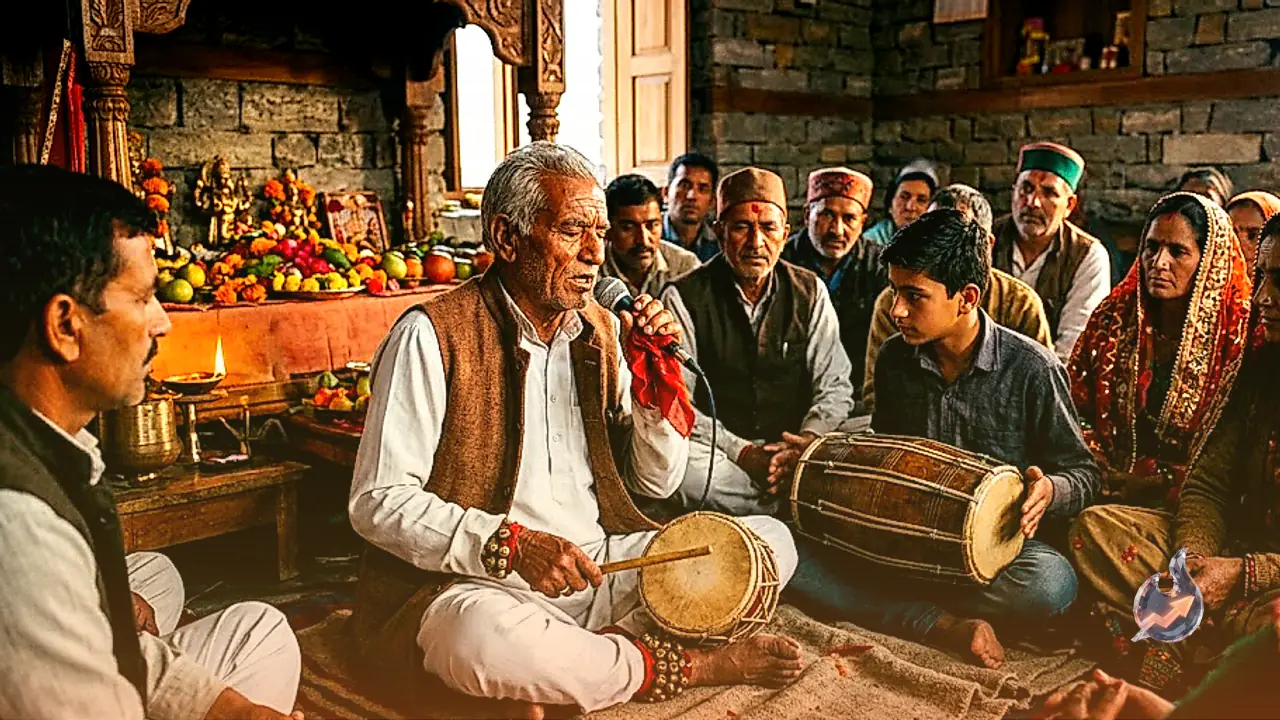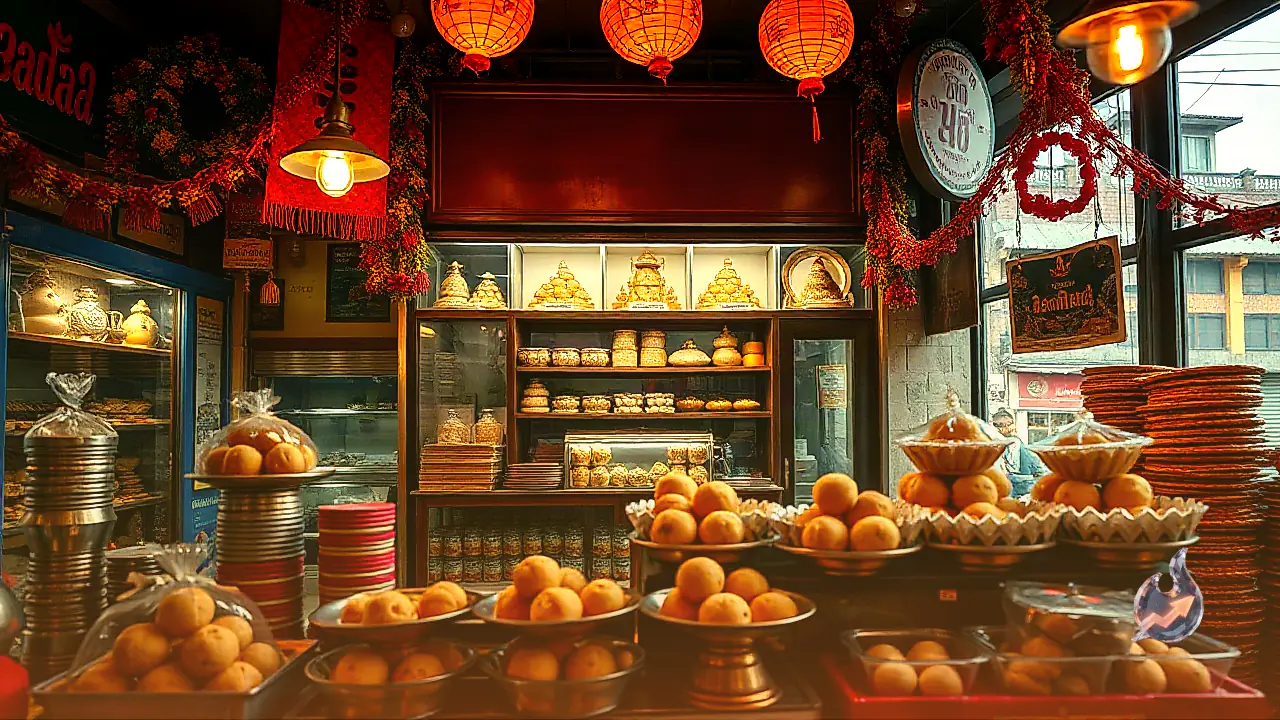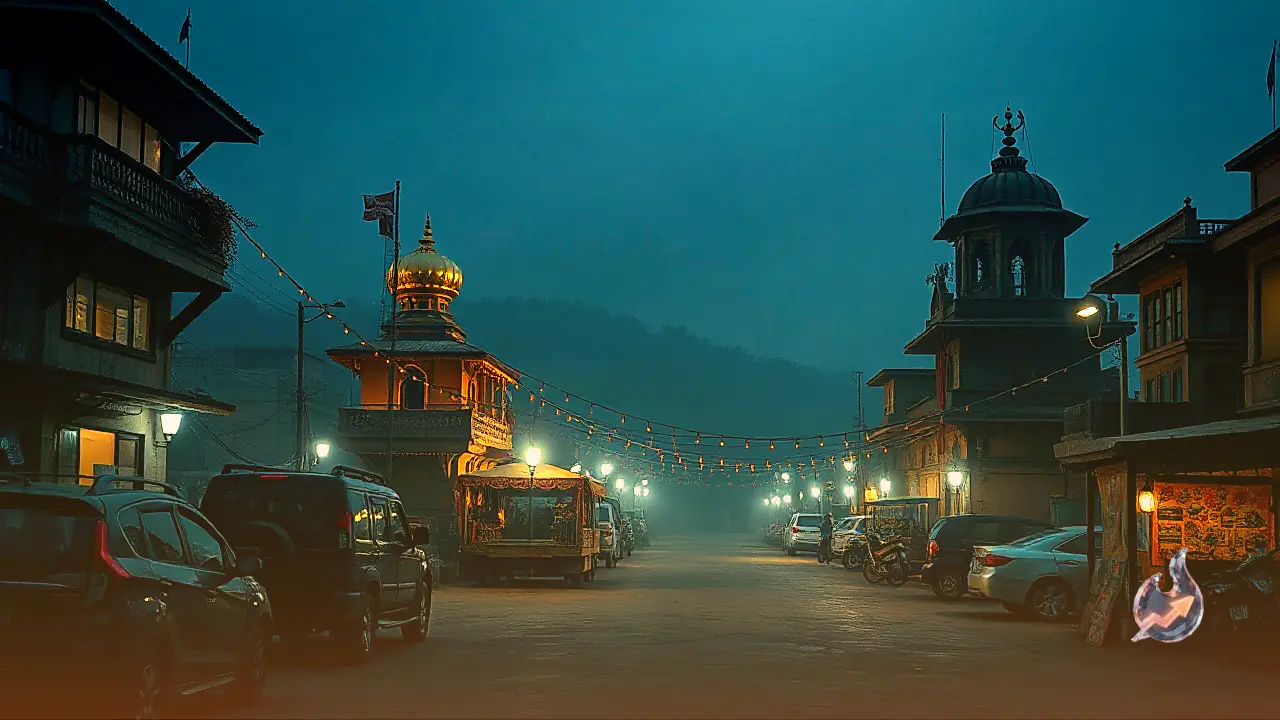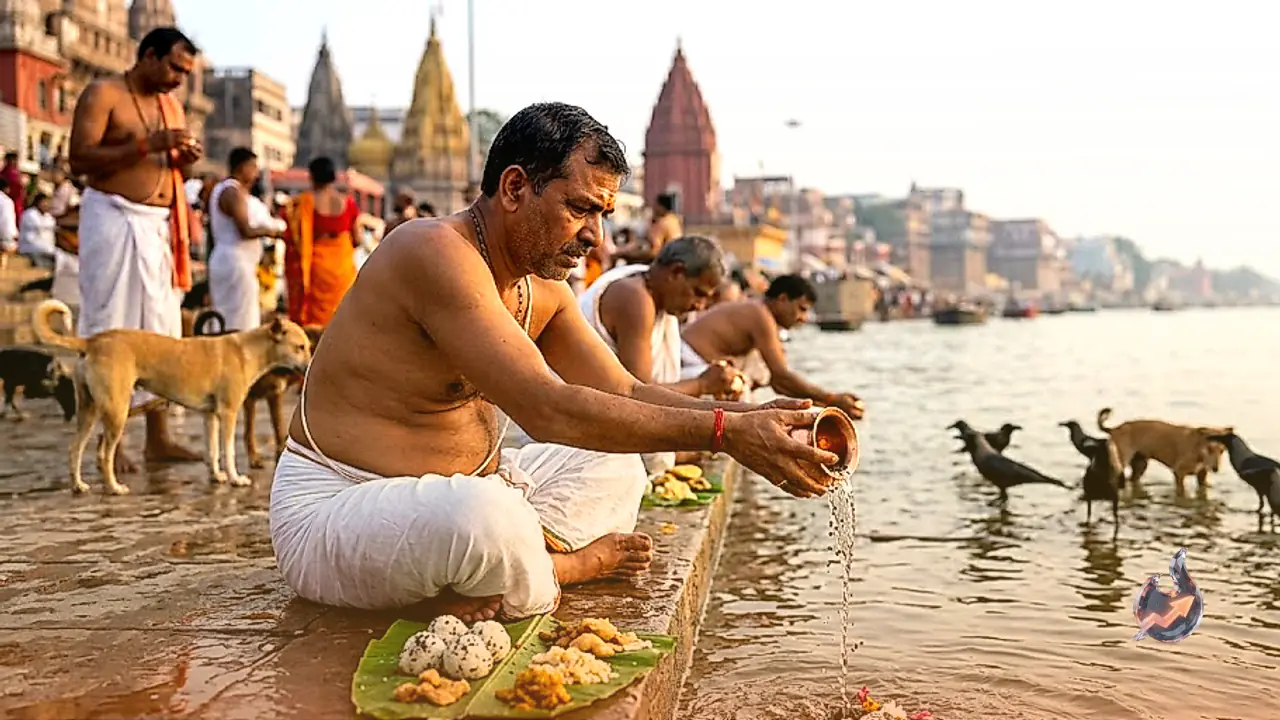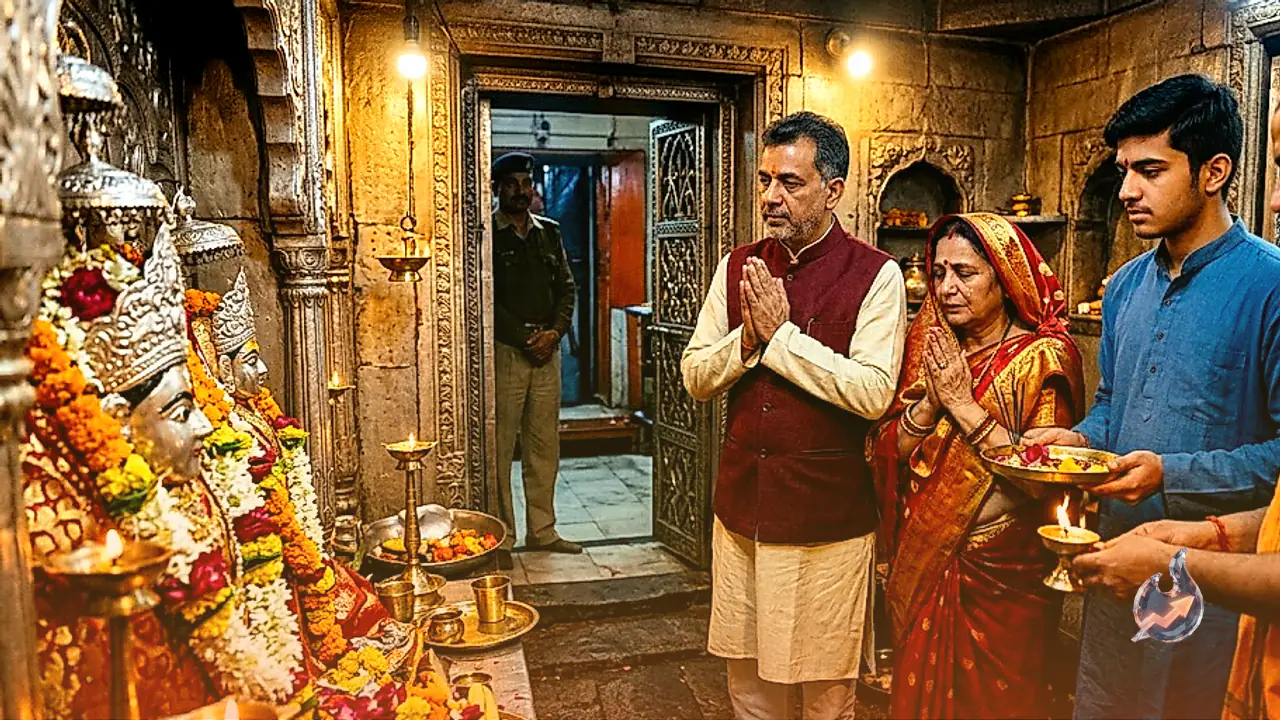



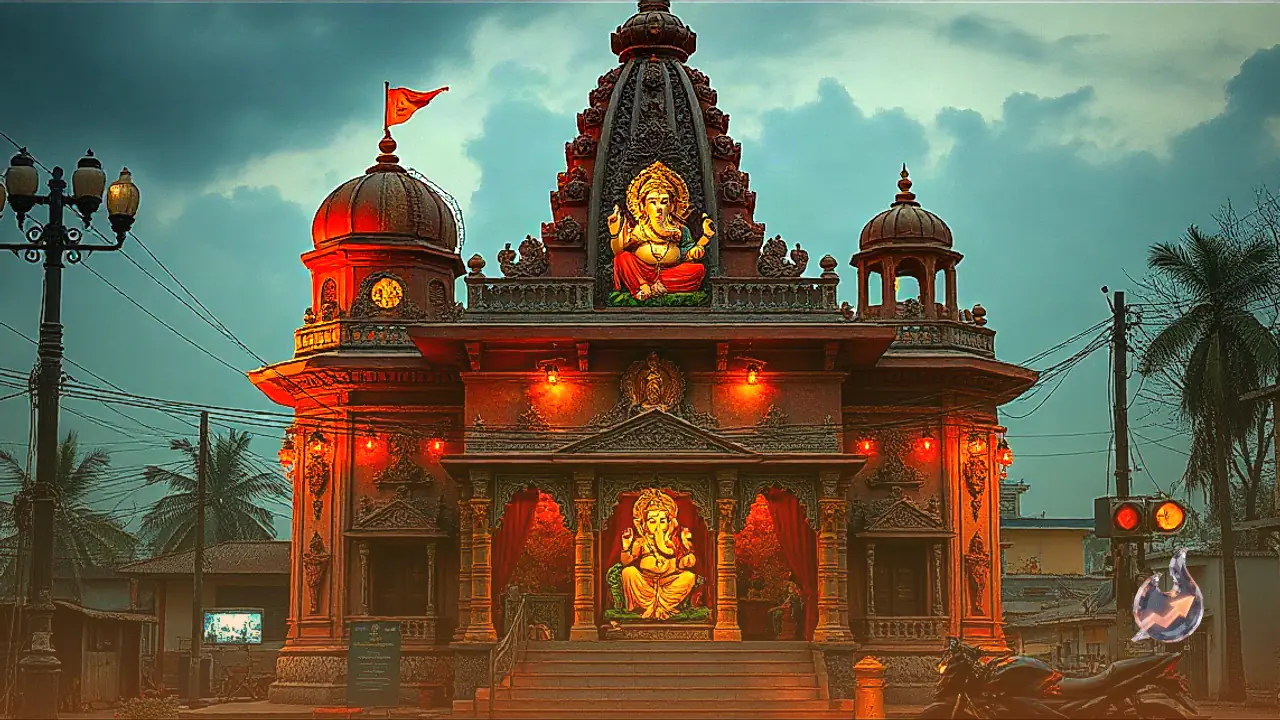















Situated gracefully along the banks of the picturesque Nainital Lake in Uttarakhand's famed lake city, the Naina Devi Temple stands as a profound epicenter of spiritual devotion. This revered shrine houses the sacred representation of Goddess Sati's eyes alongside majestic idols of Goddess Kali and Lord Ganesh. Beyond its immense religious significance, the shrine is widely celebrated for unique age-old traditions that continually captivate visiting pilgrims and tourists alike. Among these, the most talked-about custom revolves around exclusive entry protocols governing the innermost sanctum of the shrine.
Strict Restrictions Surrounding the Inner Sanctum
According to local traditions and established norms, ordinary devotees are strictly prohibited from entering the temple's inner sanctum on normal days. Only the designated temple priests are permitted regular access to perform daily worship rituals and offerings. However, a singular annual tradition breaks this rule once a year, allowing direct access to the descendants of the Shah family, who are historically tied to the construction and establishment of the shrine. On this designated day, family members enter the sanctum to offer special prayers and perform traditional rituals.
The Fascinating History Behind the Temple Construction
The origins of the temple are tied to a remarkable historical narrative. Local lore dictates that Amarnath Sah, the son of Nainital's prominent merchant Moti Ram Sah, experienced a divine dream revealing the exact location where the sacred idol of the goddess lay buried. Following this revelation, he enlisted the help of his friends to excavate the site, successfully recovering the divine idol and initiating the temple's reconstruction project. Historical accounts indicate that the construction of the temple was successfully completed in the year 1883.
Descendants of the very same Shah family remain traditionally connected to the sanctum entry custom to this day. On the anniversary of the temple's establishment, the sanctum doors are opened, enabling family members to gather inside for special worship. Temple priest Pandit Naveen Tiwari explains that the inner sanctum is the most sacred and spiritually charged zone within the premises. He notes that outside of the priest, no other individual is allowed inside during routine days, and only on the annual foundation day are descendants of the founding family granted access to pay their respects.
Presidential Visit and High-Profile Devotion
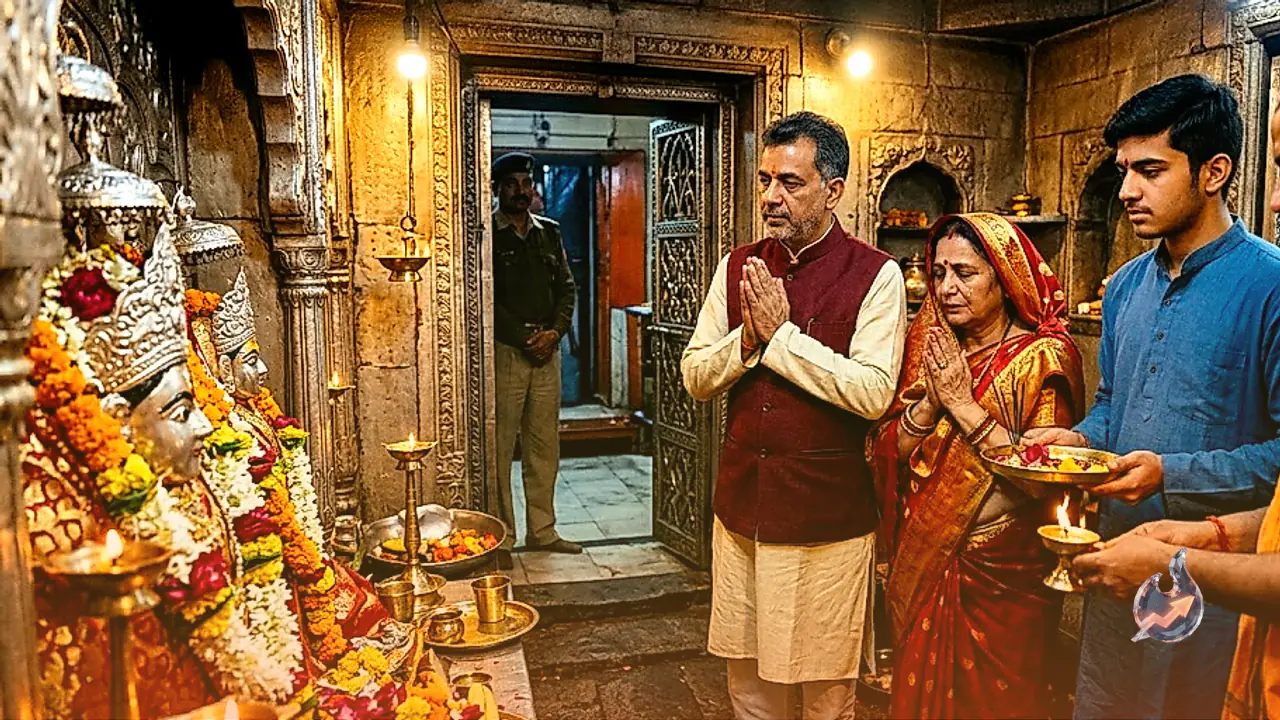
Amidst these deep-rooted traditions, local conversations frequently recall the historic visit of the President of India to Nainital, during which the nation's leader paid homage at the Naina Devi Temple. Respecting the sacred boundaries, the President offered prayers from outside the main sanctum doors. Spending quiet moments within the temple courtyard, the leader engaged in devotional worship, which was personally facilitated and conducted by the temple priest.
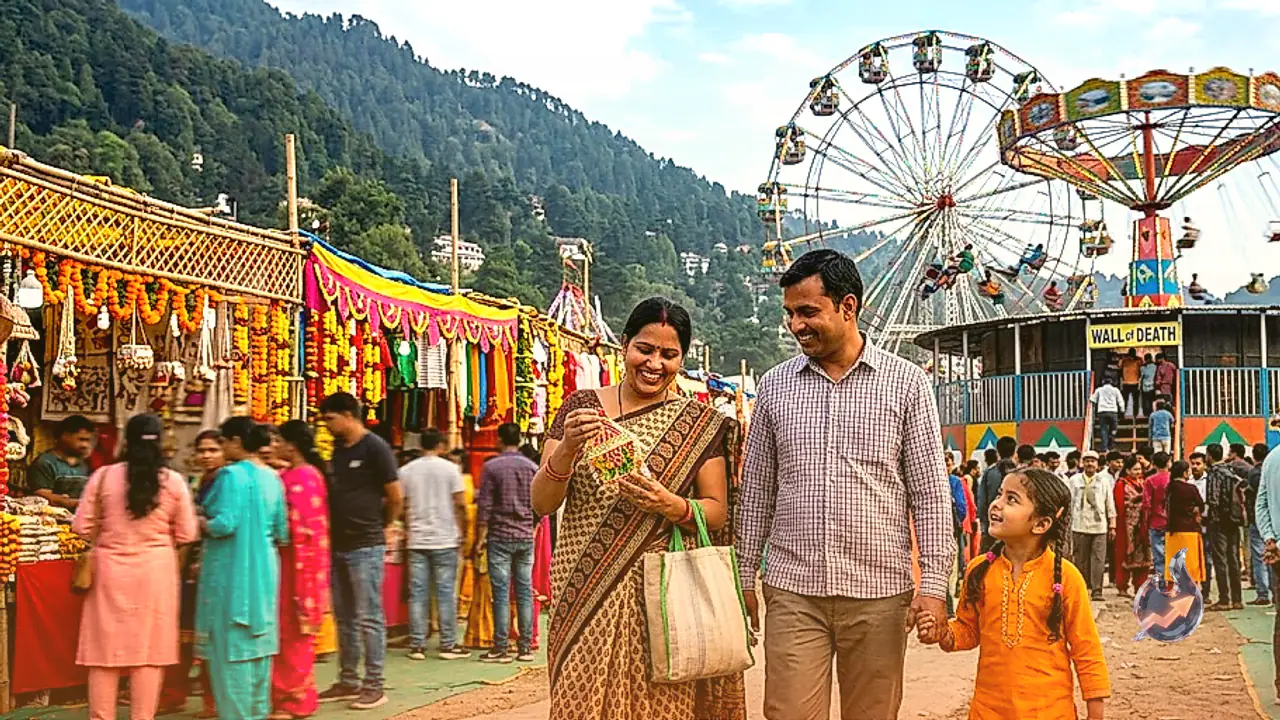
At present, bustling preparations for the upcoming Nanda Devi Festival are underway within the temple complex. Pandit Naveen Tiwari shared that the idols of Goddess Nanda and Sunanda will reach completion on September 19. Following this, early morning rituals involving the sacred consecration ceremony will take place before the idols are formally opened for public viewing. The Nanda Devi Festival remains a cornerstone of Nainital's cultural and religious identity, drawing vast crowds of tourists and devotees from far and wide.
The Legend of the Mysterious Fish in Nainital Lake
Another fascinating legend linked to the temple and the adjacent Nainital Lake involves a pair of extraordinary fish. Pandit Naveen Tiwari mentions the popular belief that two mystical fish residing in the lake embody the divine forms of Goddess Nanda and Sunanda, with numerous locals claiming to have witnessed them. Local lore describes these fish as unusually large, complete with nose rings resembling traditional jewelry. While these accounts lack concrete scientific proof, the deep-seated religious faith ensures that fishing in Nainital Lake remains strictly forbidden, with residents treating the aquatic creatures with utmost reverence as manifestations of the divine.