













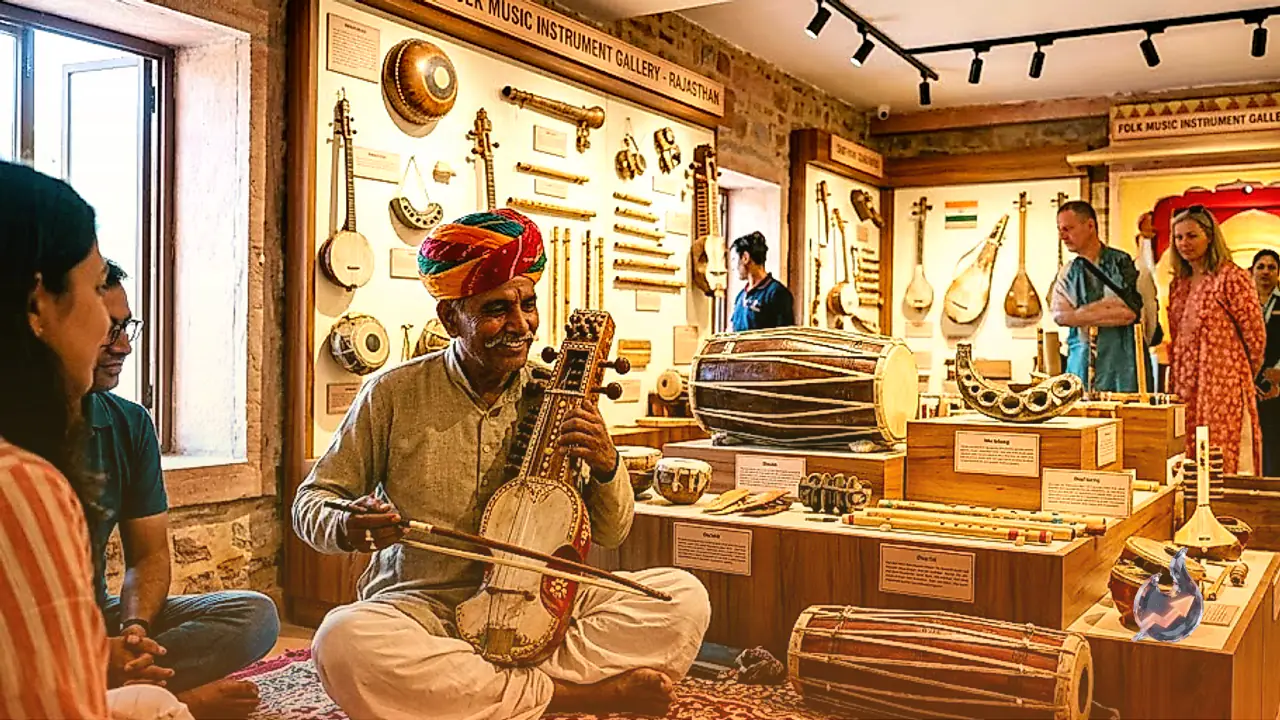

Jaipur has long been celebrated as a cultural hub where art enthusiasts find vibrant expressions of heritage. Adding a new chapter to this legacy, the state's very first permanent folk music instrument gallery has opened its doors inside the Rajasthan Prudh Shiksha Samiti campus in Jhalana. This unique initiative has been brought to life by the Jajam Foundation, aiming to bring together the scattered musical roots of the region under a single roof.
Over 100 Traditional Instruments on Display
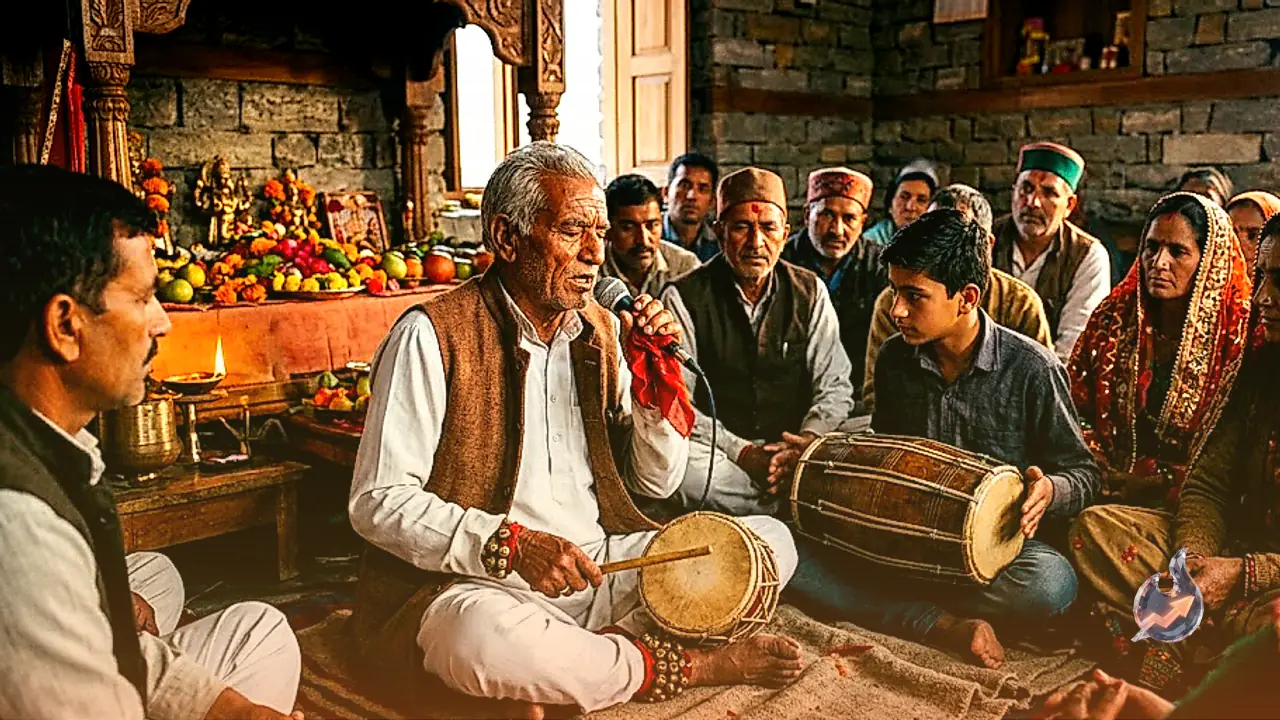
Visitors stepping into this gallery can explore a comprehensive collection of over 100 traditional instruments. According to Naveen Mathur from the Jajam Foundation, these artifacts have been gathered from different corners of the state where they were preserved across generations by traditional folk artists and musical communities. Some of these instruments are more than a century old, representing the distinct cultural flavors of Brij, Mewar, Mewat, Marwar, Vagad, Hadoti, and Shekhawati regions, carrying forward a heritage rooted deep in history.
Connecting the Younger Generation with Cultural Roots
The creation of this space stems from a vision to bridge the generational gap in understanding local music traditions. Naveen Mathur noted that today youth have rarely encountered such instruments in daily life, making it vital to introduce them to the craftsmanship and history behind the sound. Beyond the physical items, the exhibition captures the stories and traditions of local artisans, offering students, researchers, and art lovers a rich resource for study and appreciation.
A Showcase of Rare and Ancient Musical Artifacts
While familiar items like dholak, tabla, harmonium, and sarangi find their place in the gallery, the collection also highlights several rare pieces. Instruments such as jogiya sarangi, pvaledar sarangi, ravanahatha, kamayacha, tandura, chotara, veena, jantar, bhapang, deru, daf, mandal, pabuji ke mate, noubat, nagada, chang, chikara, surinda, and duchka are carefully preserved here. As traditional artisans face mounting modern challenges, securing these artifacts in a dedicated space marks a significant step toward safeguarding Rajasthan's rich musical legacy.