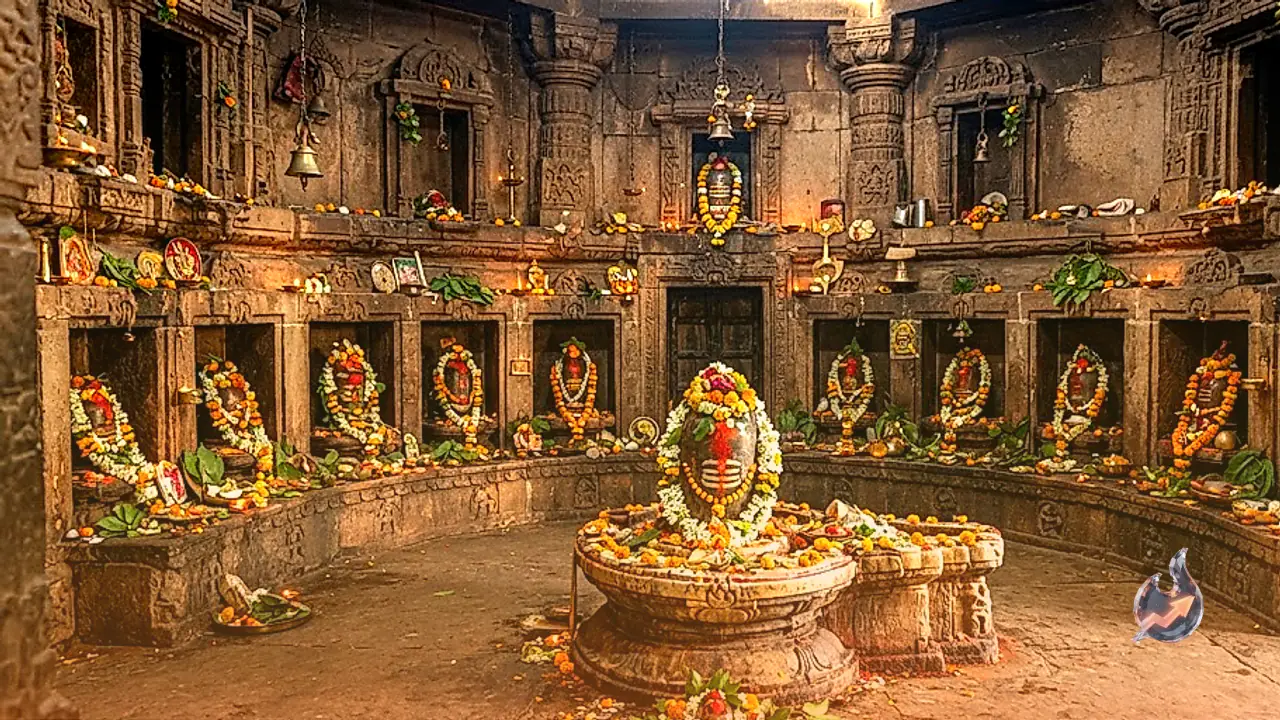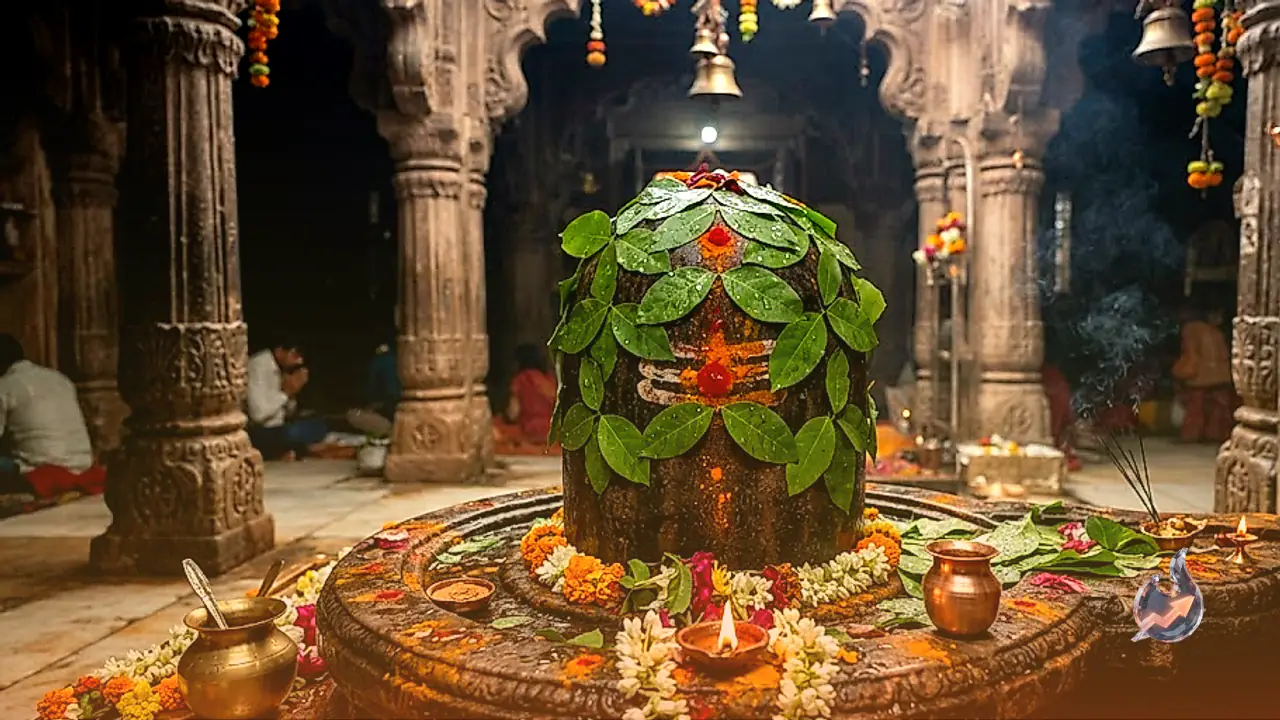






















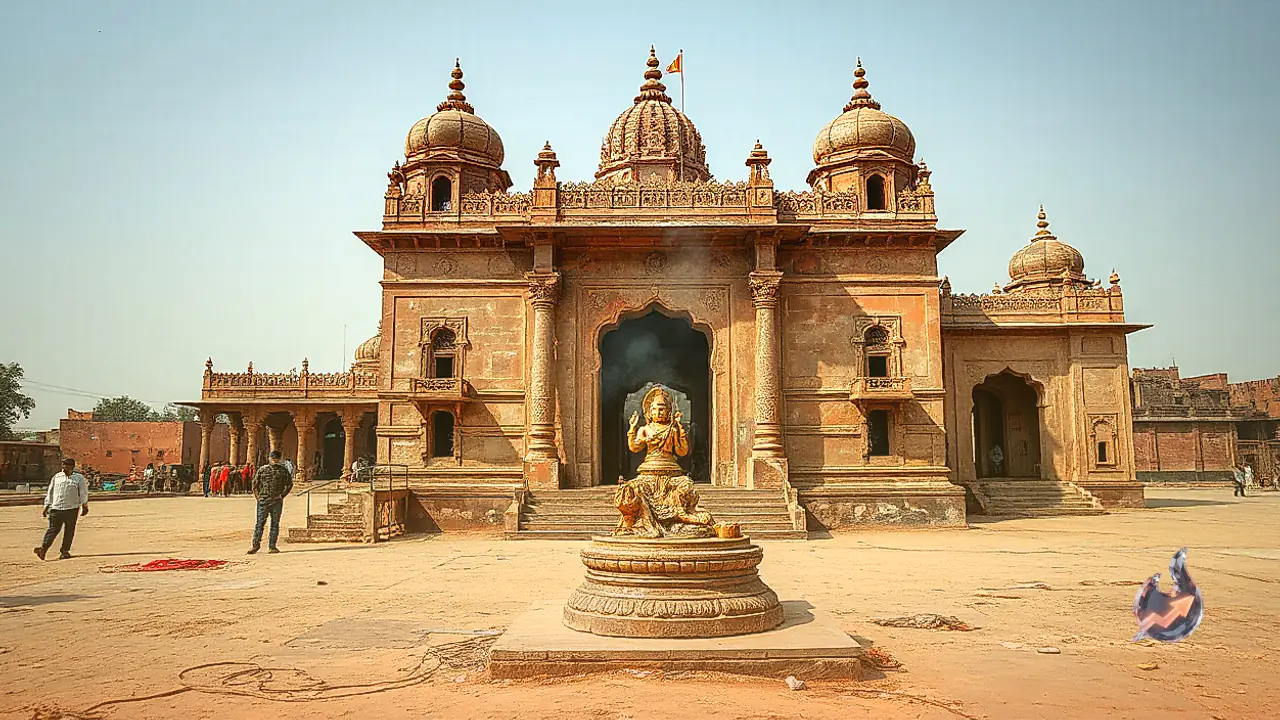

Situated on Shamshabad Road in Agra, the Rajeshwar Mahadev Temple is renowned for a truly unique phenomenon where the sacred Shivling changes its color three times a day. Dating back approximately 900 years, this ancient temple is considered much older than the Taj Mahal. During the auspicious month of Sawan, devotees gather in massive numbers, and a grand fair is organized every year on the very first Monday of Sawan, making it a prominent hub of religious devotion and historical traditions.
Shifting Colors Throughout the Day
The color-changing characteristic of the Shivling at the Rajeshwar Mahadev Temple unfolds distinctly across different parts of the day. In the early morning hours, the Shivling appears in a pristine white hue. As the day progresses toward the afternoon prayers, the Shivling takes on a light blue shade. Finally, during the evening aarti, the Shivling transforms into a striking pink color. Witnessing this remarkable transformation fills the visiting devotees with awe and reverence.
Historical Roots and Establishment
Established around 900 years ago, the temple holds deep historical and spiritual significance. According to local traditions, the Shivling residing here is self-manifested and was originally brought from the Narmada River. A fascinating narrative surrounds the story of its establishment. Across centuries, this sacred site has remained a powerful center of faith, where generations of believers have arrived to offer their prayers and seek divine blessings.
Grand Celebrations During Sawan
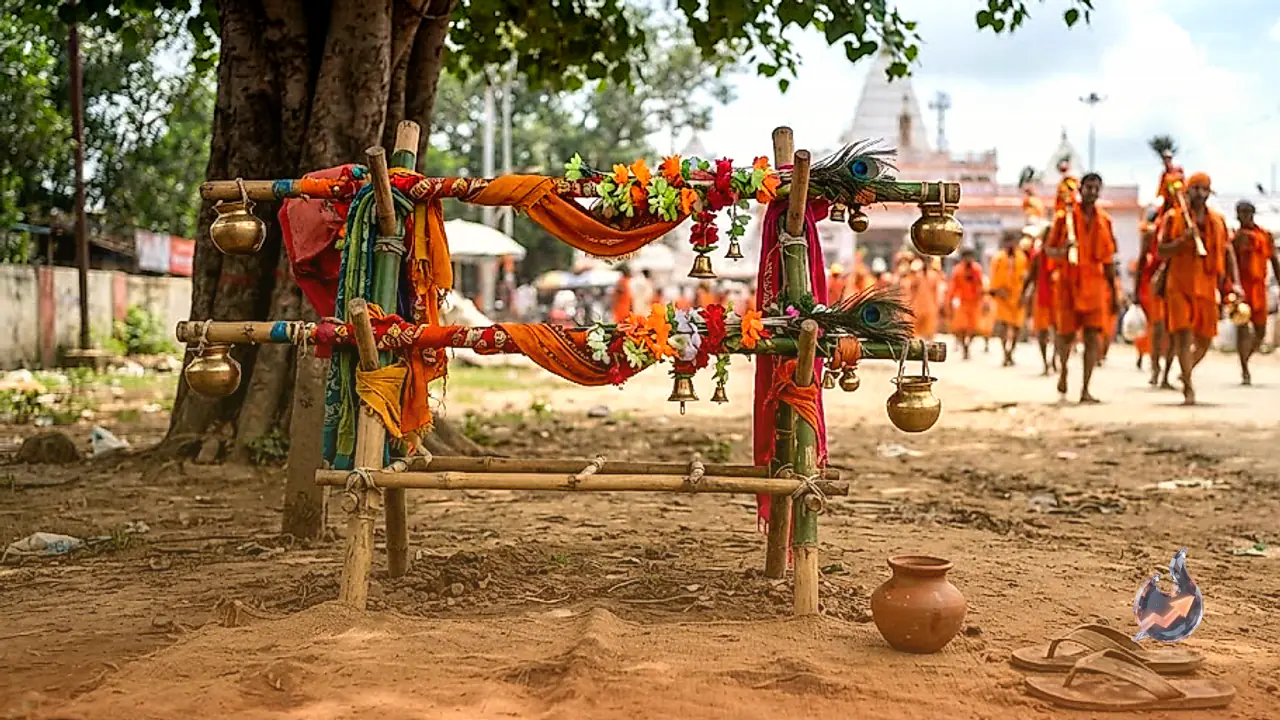
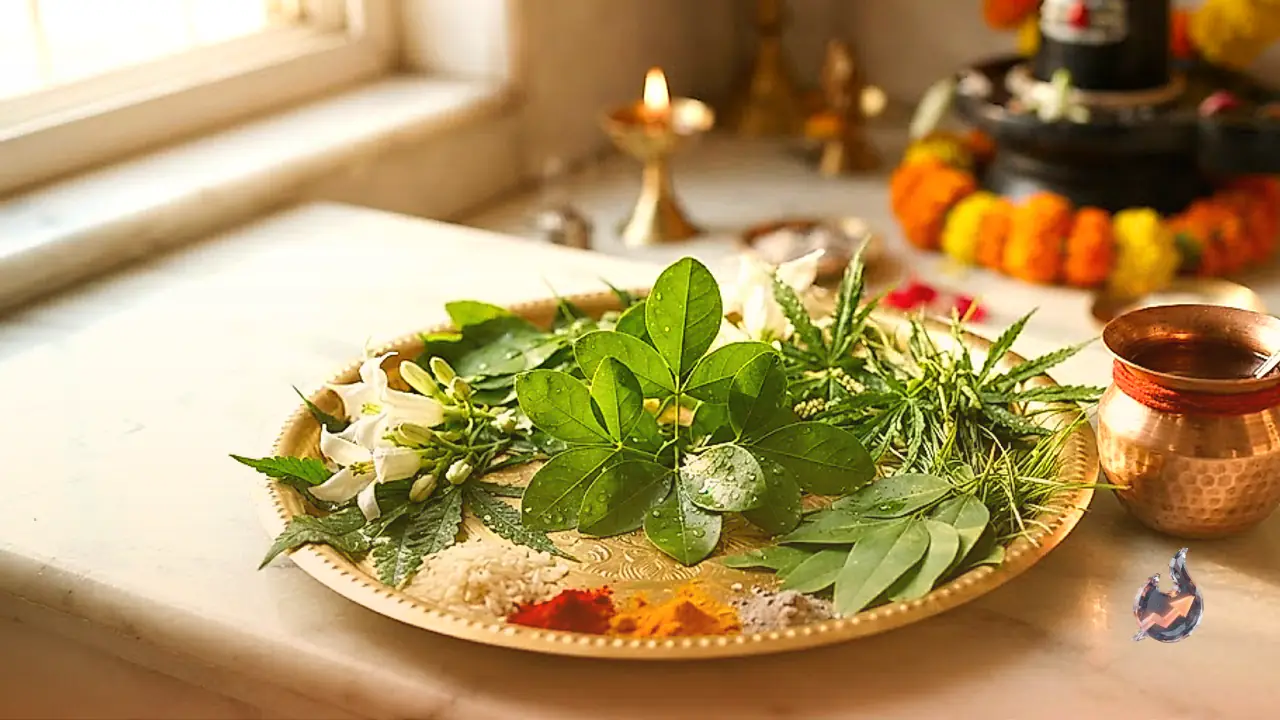
The massive fair held on the first Monday of Sawan at the Rajeshwar Mahadev Temple attracts hundreds of thousands of pilgrims. Throughout the Sawan season, worshippers arrive at the divine court bearing water, belpatra, and heartfelt prayers. Long queues form as devotees patiently wait to perform jalabhishek and dughdabhishek. Believers firmly hold that every sincere wish prayed for within these walls is fulfilled, and merely catching a glimpse of the Shivling brings immense spiritual fulfillment.
Scientific Explanation Versus Divine Experience
While scientists suggest that this color variation occurs due to the changing impact of sunlight rays, for the devotees, it remains a profoundly divine experience and a true miracle. Temple priests and visitors note that even if someone arrives without any offerings or water, a simple darshan is enough to grant their wishes. Pilgrims often express an eager desire to witness this unique changing form of the Shivling firsthand during their visit.