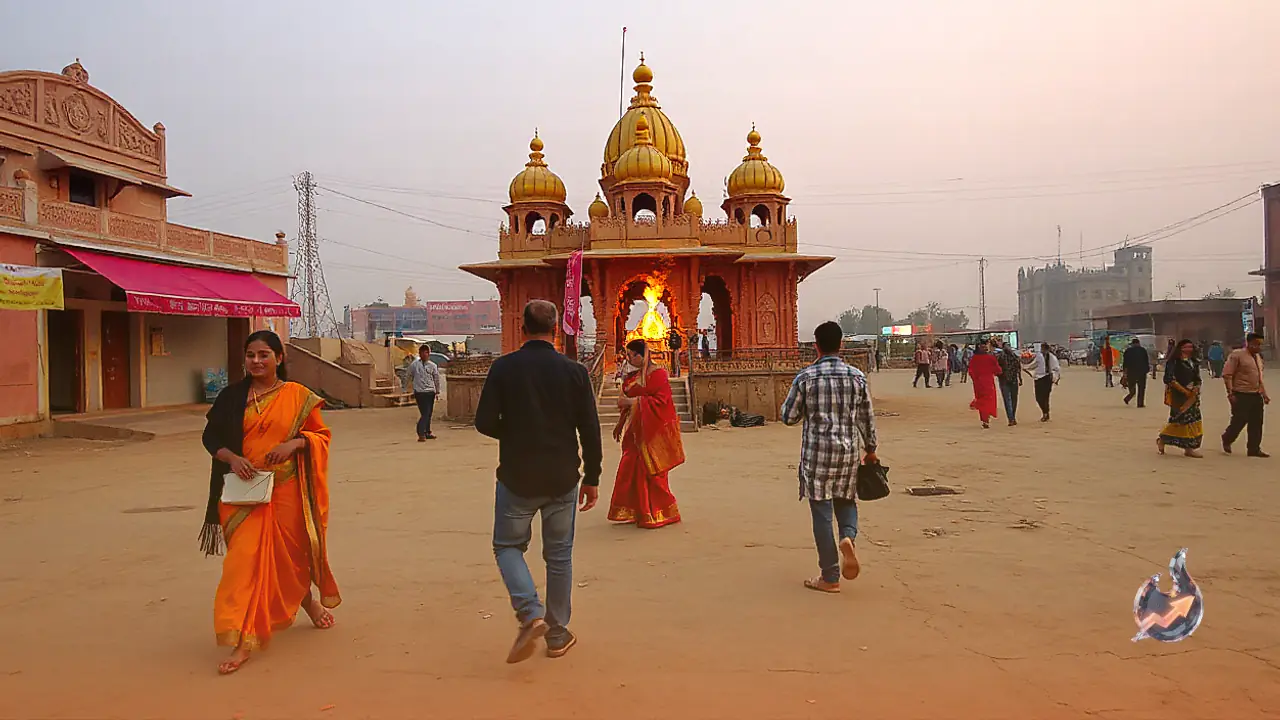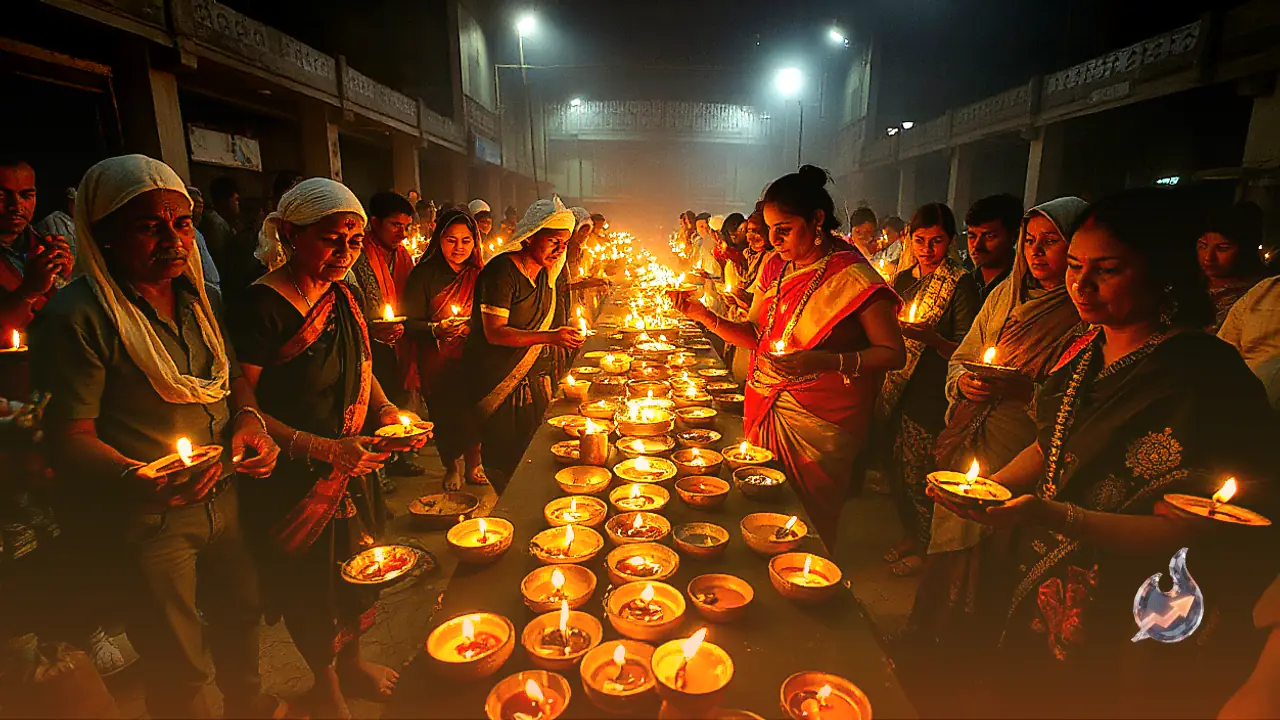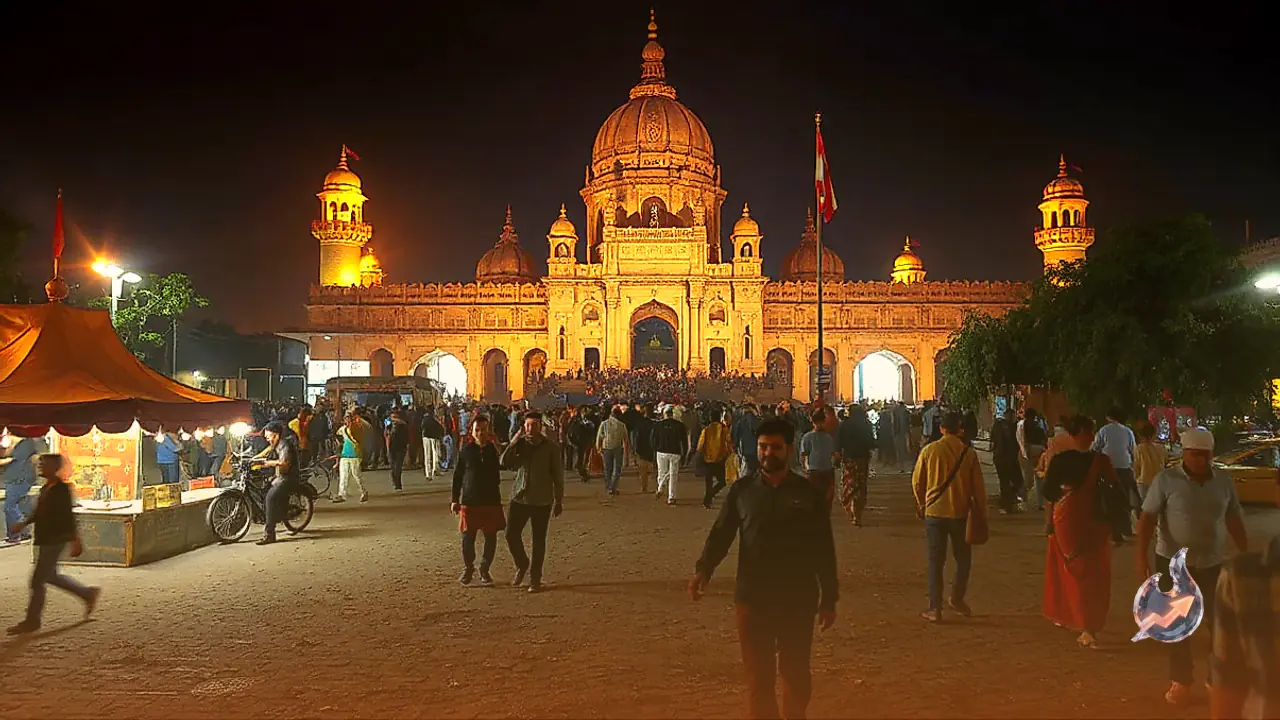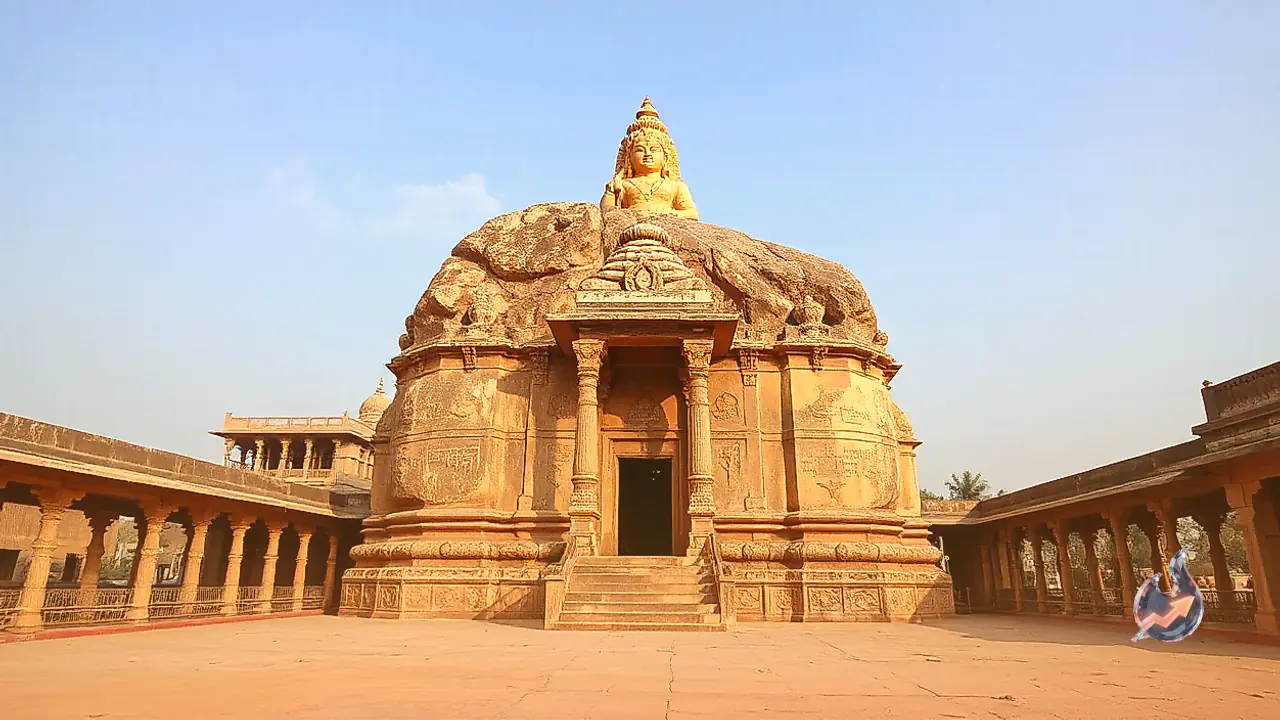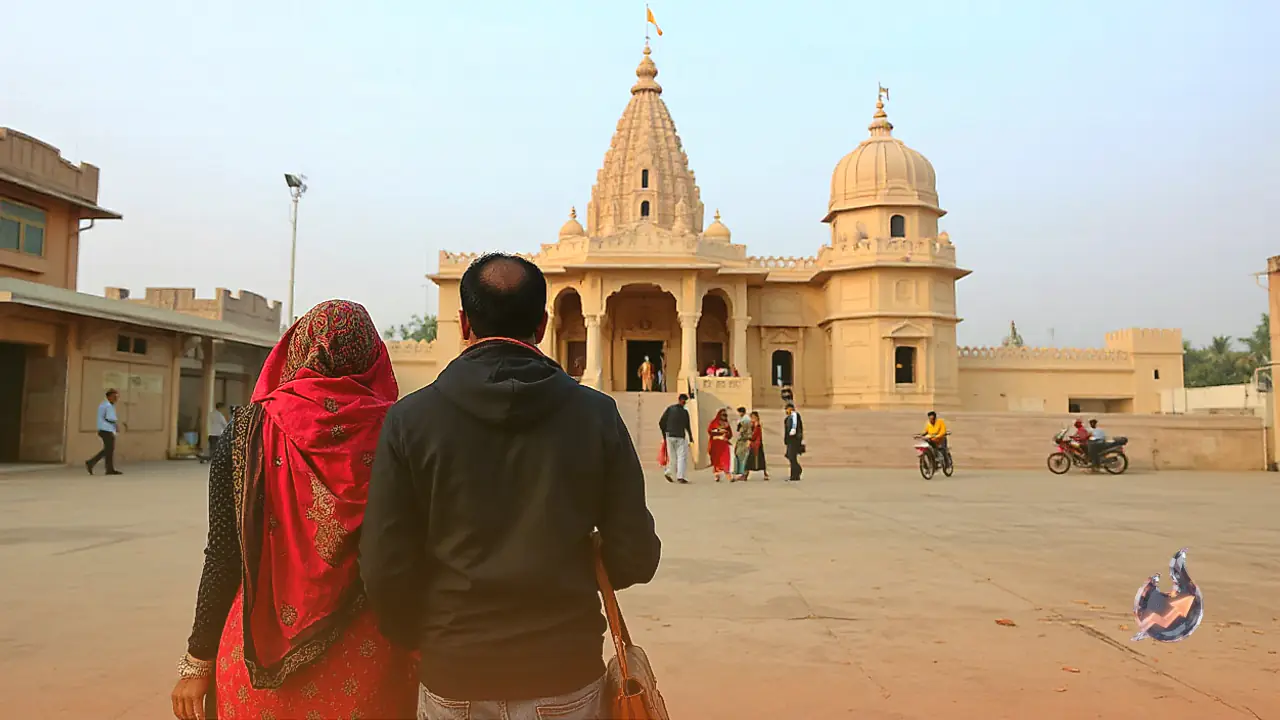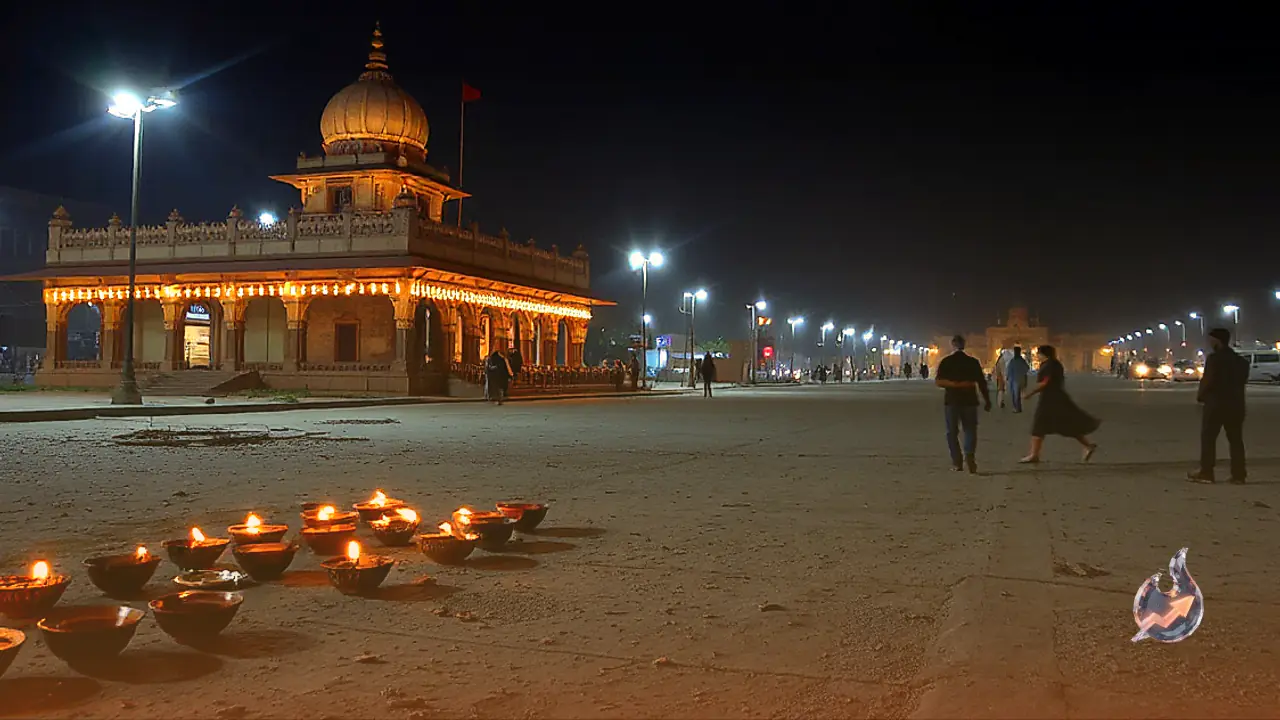


















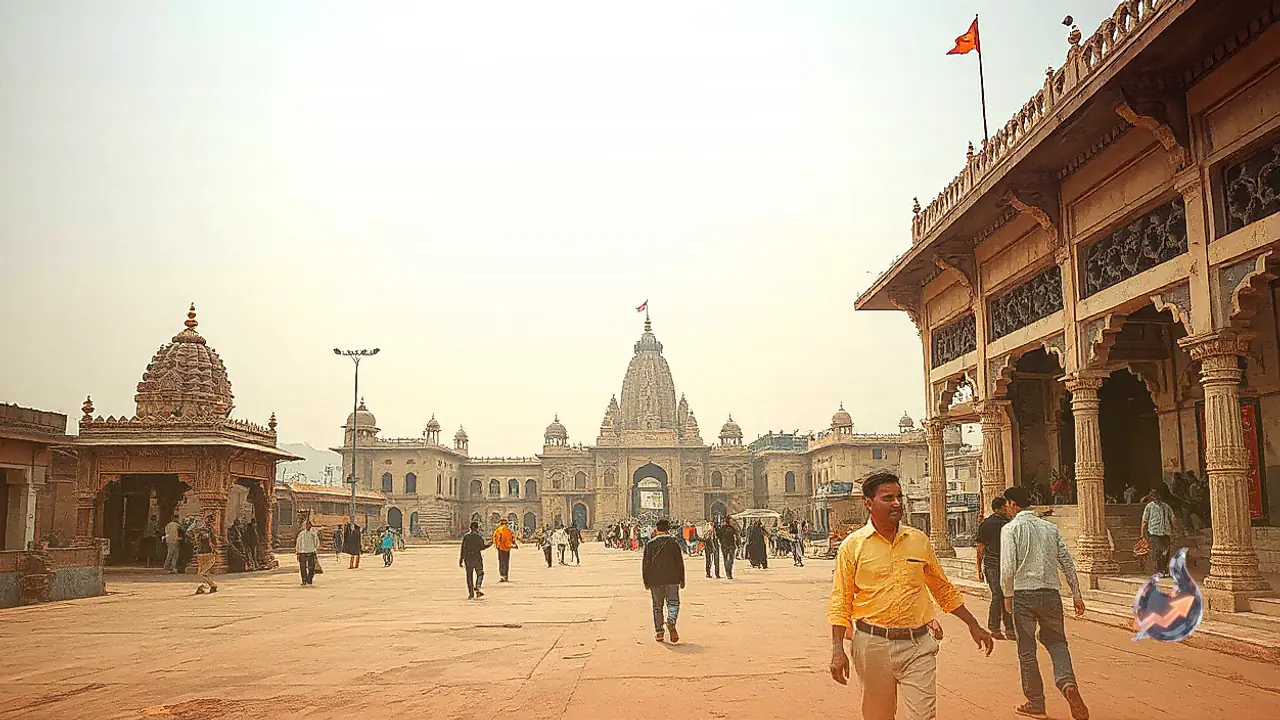

Situated in the Meena Bazaar area of Agra in Uttar Pradesh, the historic Maa Chamunda Devi Temple holds a rich history and is widely recognized by locals as the Ghantewala Temple. Devotees travel from far and wide to visit the shrine, carrying their heartfelt prayers and wishes to the divine court of the goddess. A temple attendant explained that the unique moniker stems from the specific practice of followers presenting bells to Maa Chamunda Devi as an act of devotion and gratitude.
A Tradition of Offering Bells of All Sizes
Worshippers arrive at the temple doors with deep-seated desires, placing their faith entirely in the deity. Once their wishes are successfully granted, they return to the sacred grounds to offer bells of varying dimensions depending on their personal devotion and capacity. This enduring custom is precisely why visitors can spot an array of different-sized bells adorning the temple premises. The profound faith that followers hold in Maa Chamunda Devi brings them back repeatedly, where they perform traditional rituals and pray for the prosperity, peace, and well-being of their entire families.
Hospital Caregivers Seek Solace and Long-Distance Pilgrims Arrive
Locals point out that the ancient temple serves as a central pillar of faith for believers across the region. Temple priest Kamlesh Goswami noted that pilgrims arrive not just locally, but from numerous distant cities including Lucknow and Jaipur. Positioned right next to the temple is a hospital, prompting anxious relatives and caregivers of admitted patients to visit the shrine and pray for the speedy recovery of their loved ones. The established belief dictates that when wishes are fulfilled, people return to offer bells according to their means, cementing the distinct identity of this holy site.
Vibrant Festivities and Massive Crowds During Navratri
Priest Kamlesh Goswami emphasized that those who approach the deity perform their rituals with strict adherence to traditional methods, holding pure intentions and complete dedication. It is firmly believed that the mother goddess answers every sincere prayer brought before her. During the auspicious festival of Navratri, the temple witnesses an overwhelming rush of visitors, creating a scenario where finding standing room inside the complex becomes nearly impossible. Pilgrims arrive in droves from distant locations, presenting offerings such as bells, coconuts, and sacred chunaris, transforming the entire atmosphere into a deeply spiritual celebration.