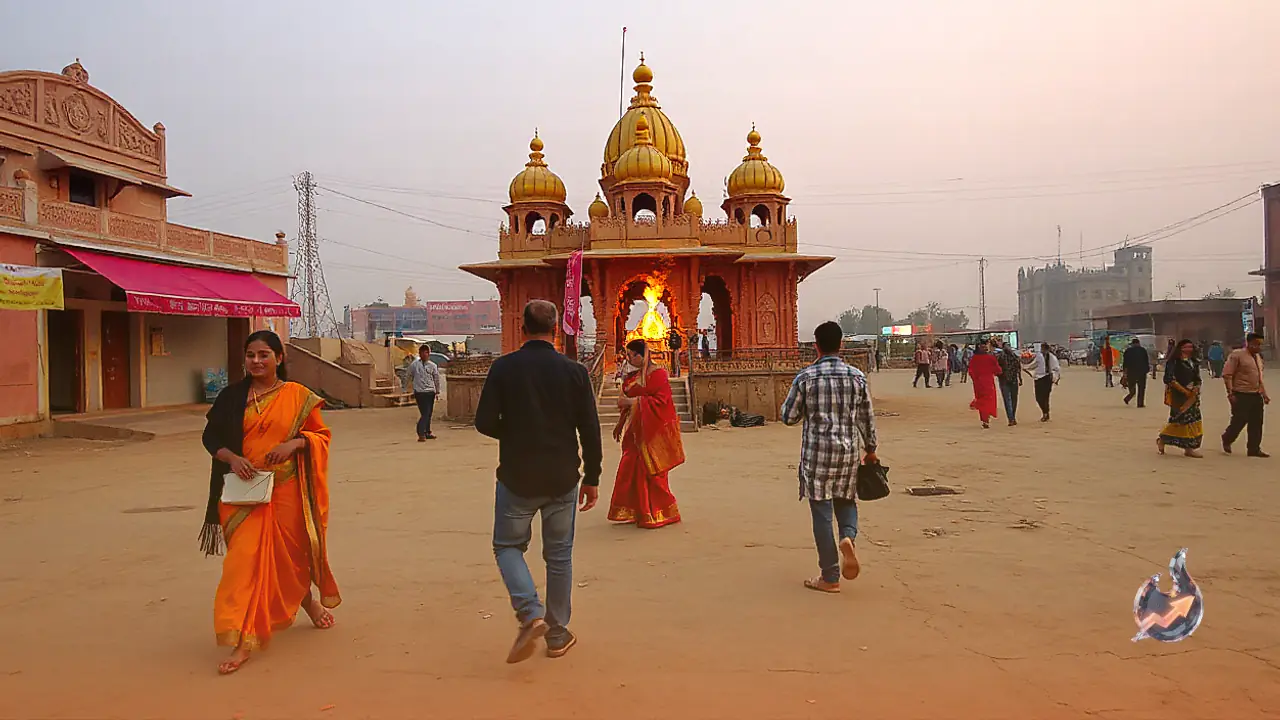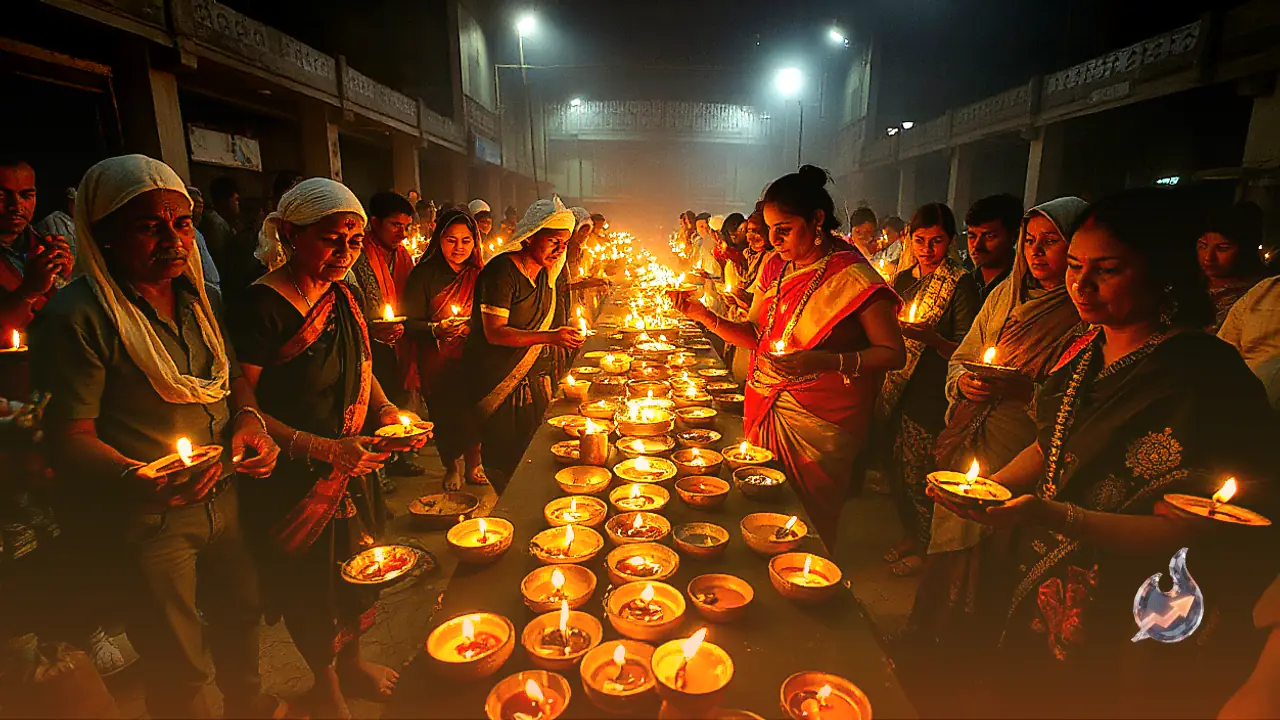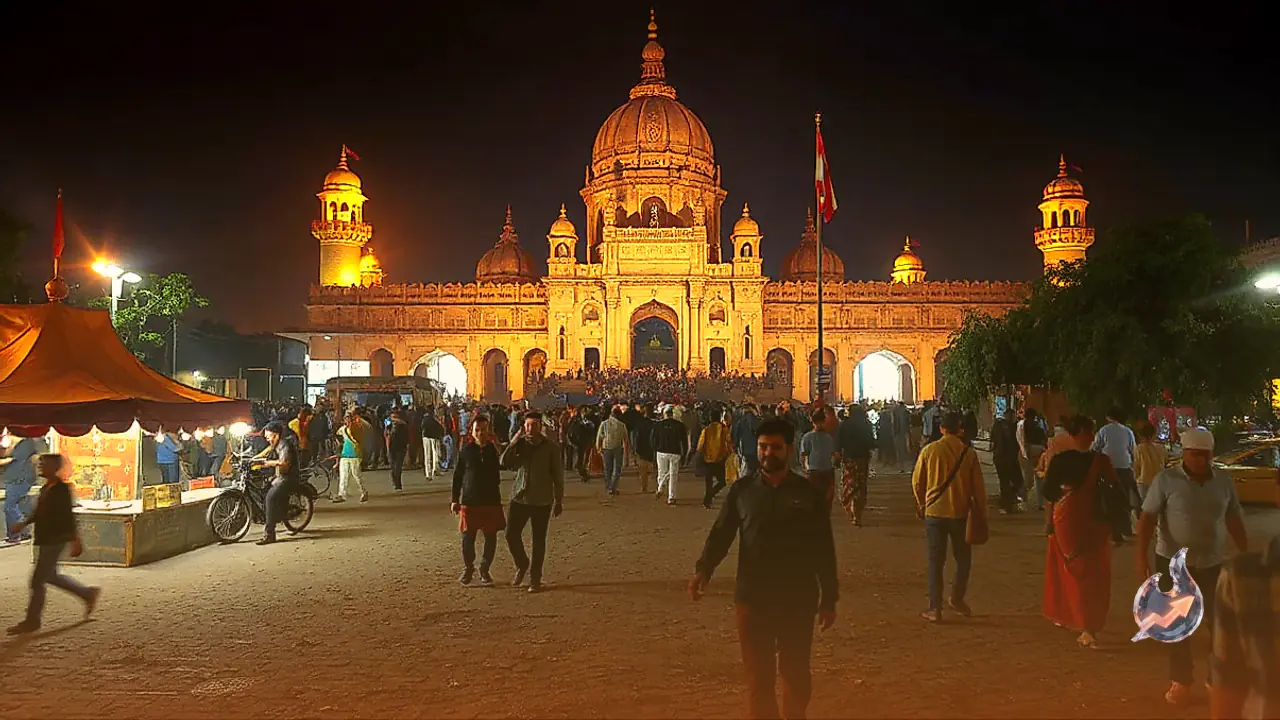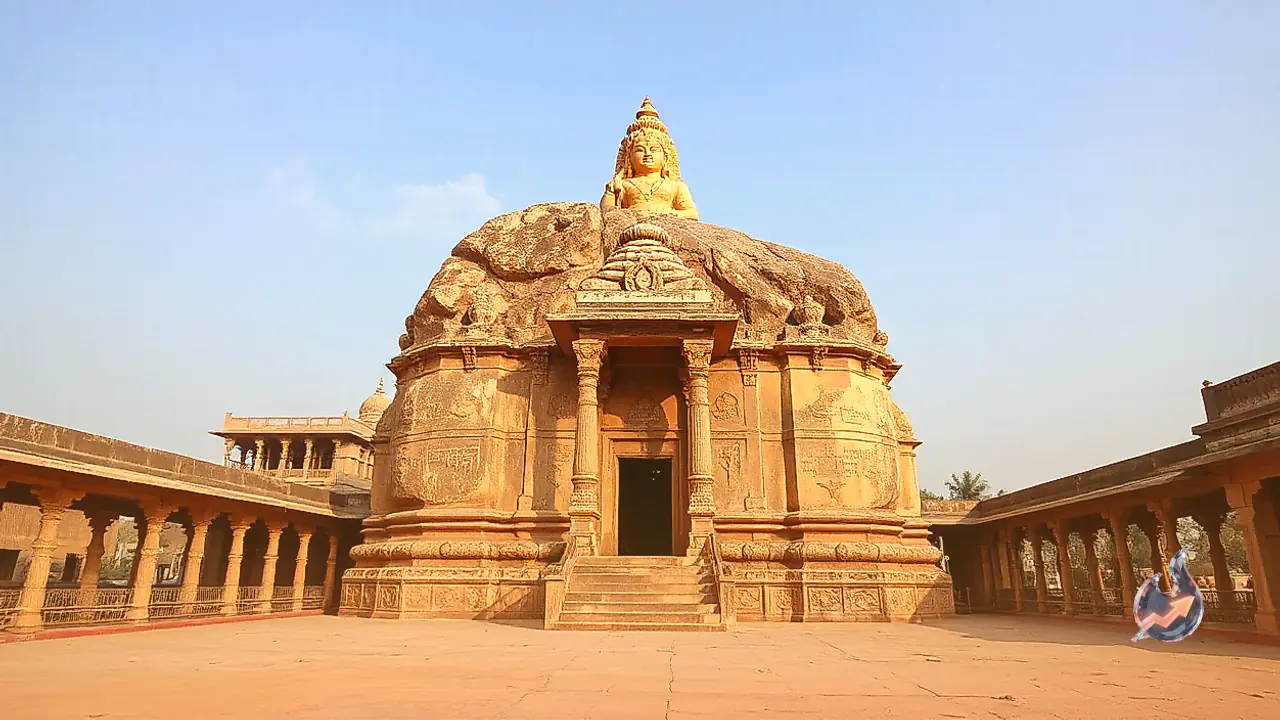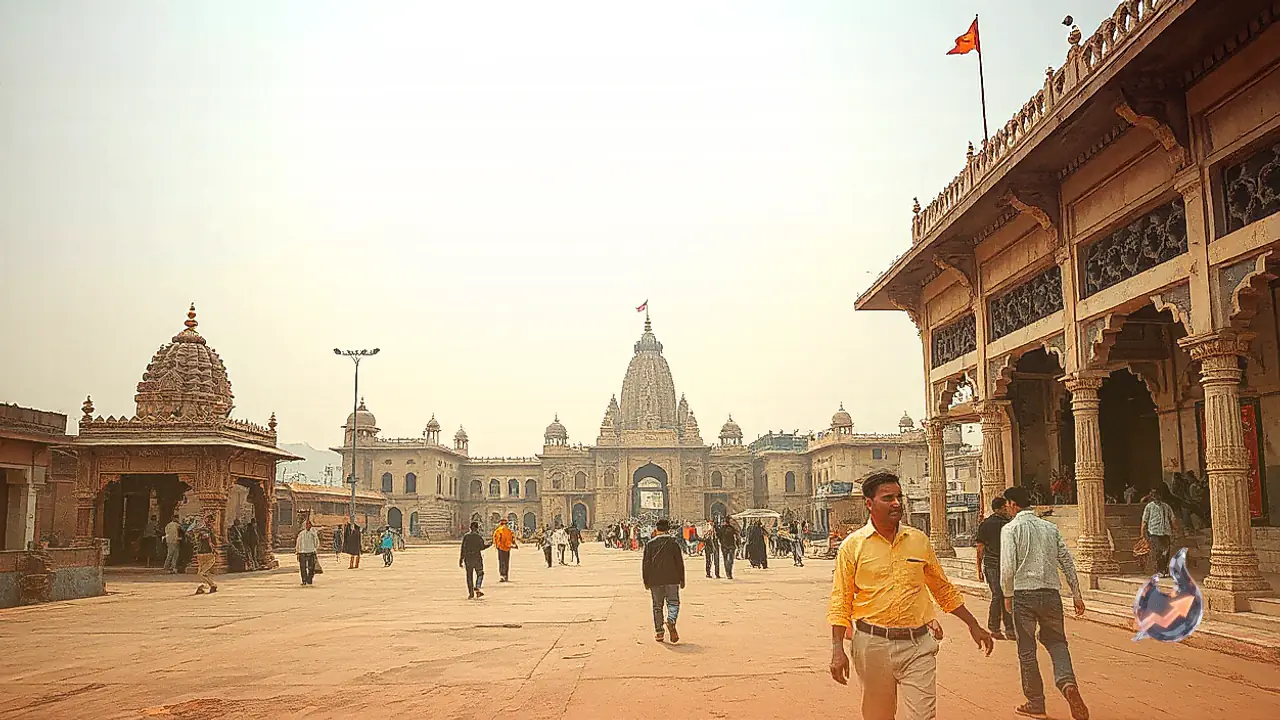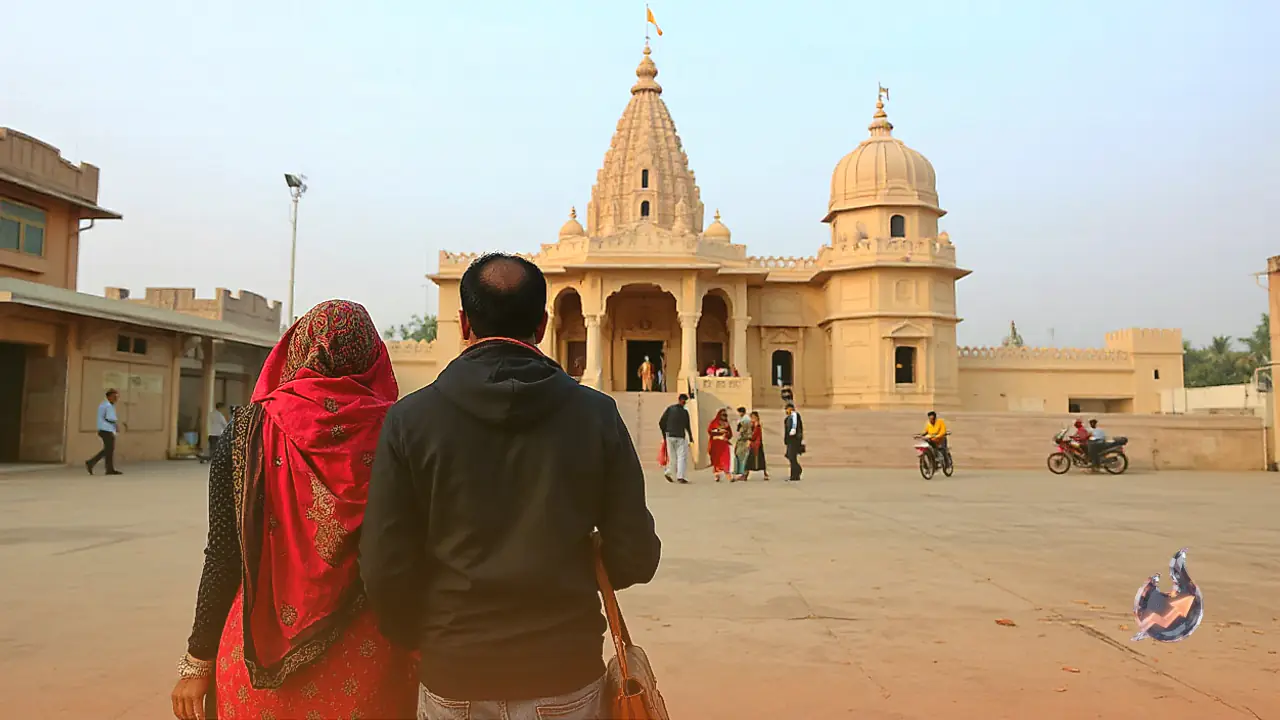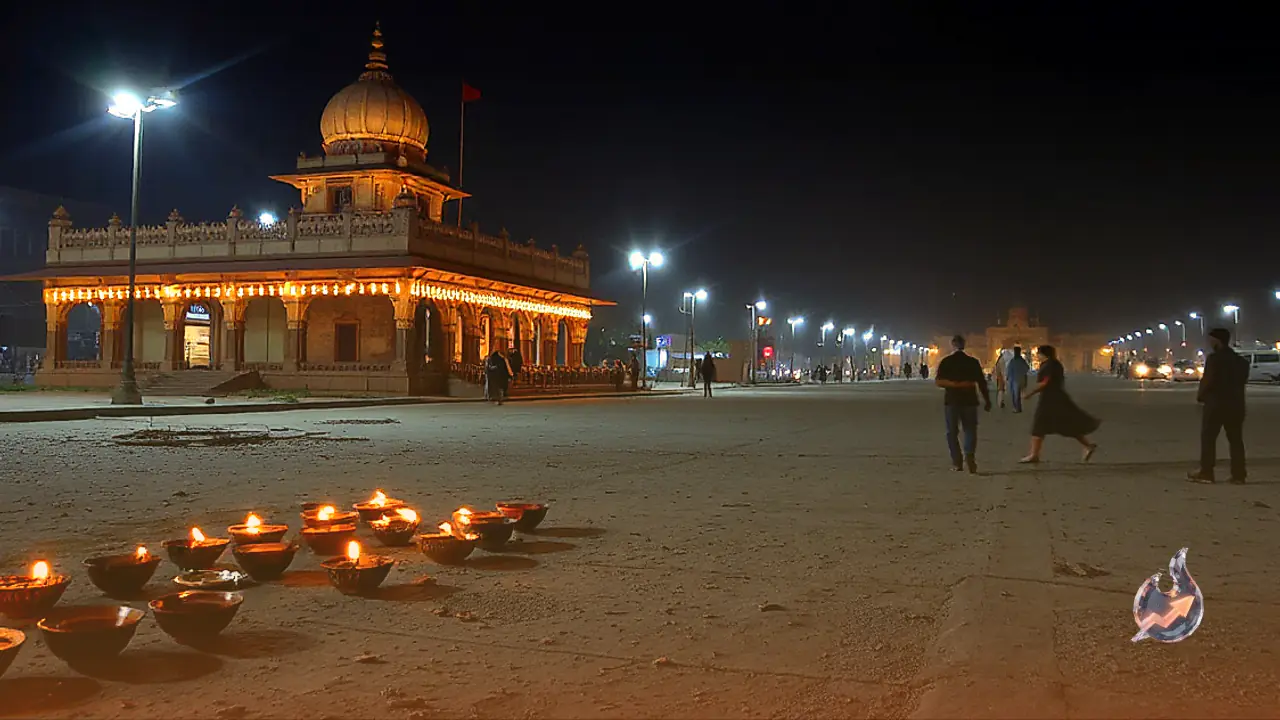

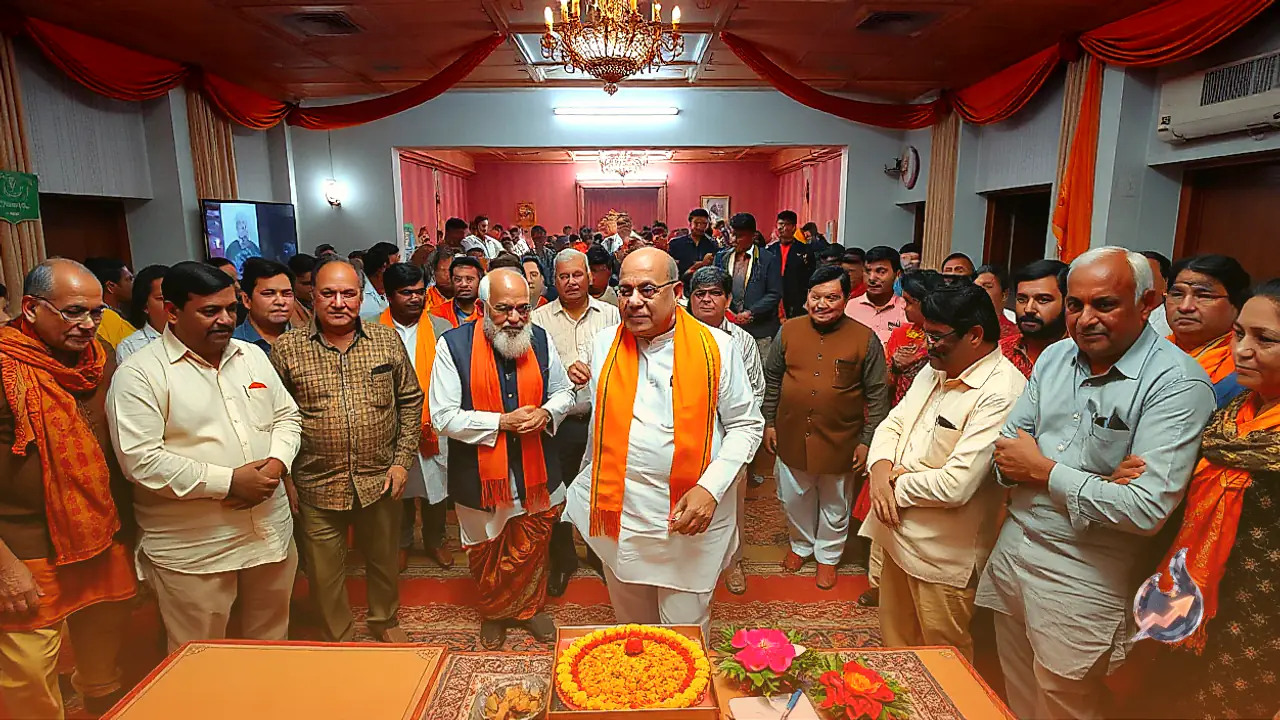

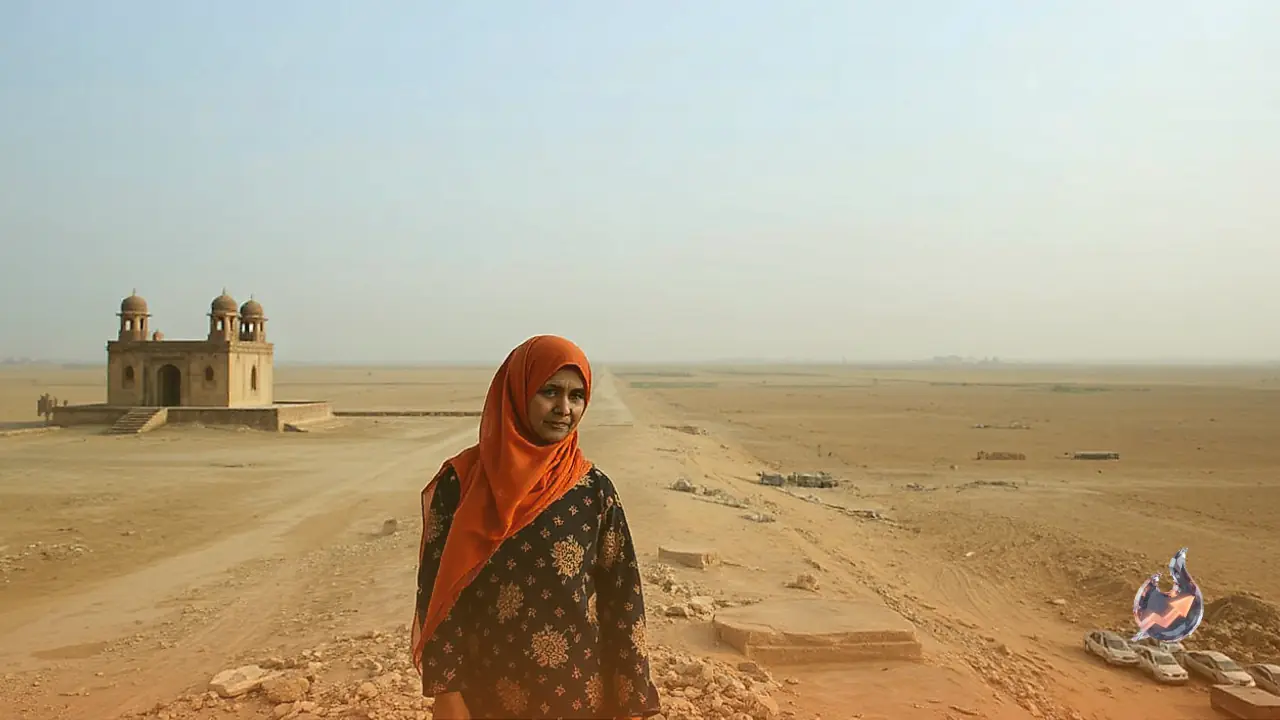














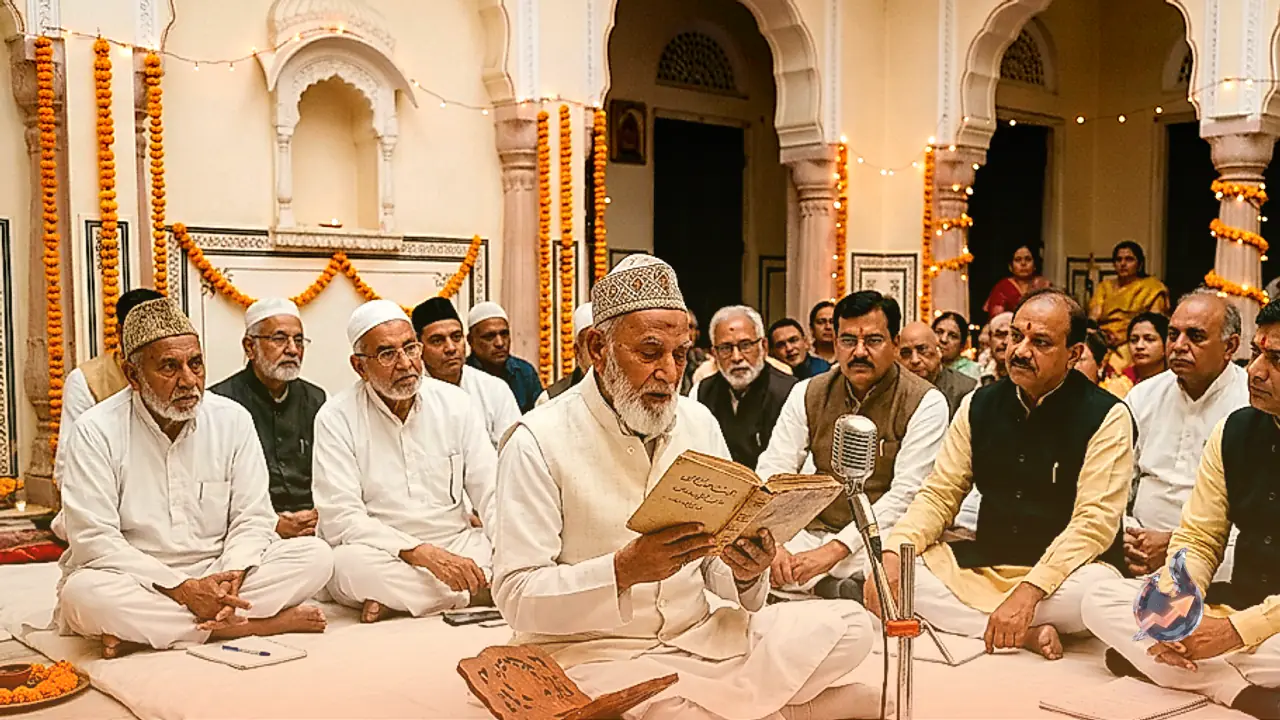

Diwali is traditionally celebrated as the festival of lights, conveying the timeless message of the victory of light over darkness and good over evil, yet Bikaner witnesses a unique hue of the festival that transcends religious boundaries to spread mutual love, harmony, and brotherhood. Ahead of Diwali every year, members of the Muslim community gather to read the Ramayana written in Urdu. Running successfully for nearly 30 years, this distinctive tradition has transformed into a hallmark of Bikaner's composite culture. People from both Hindu and Muslim backgrounds participate together in this cultural observance, listening attentively to the verses of the Ramayana.
Joint Cultural Initiative
This cultural event is organized jointly by the Tourism Writers Association and the Mahfil-e-Adab institutions. Dr. Zia-ul-Hasan Qadri notes that this tradition originated around 25 to 30 years ago through the inspiration of Advocate Updhyan Chandra Kochhar. Ever since that time, the tradition of reciting the Urdu Ramayana has been observed annually prior to Diwali. Since the year 2012, the Urdu Ramayana has been recited on a regular basis as part of this gathering.
The Legacy of Maulvi Badshah Hussain Rana Lakhnawi
The most striking aspect of this gathering is that the Urdu Ramayana being recited shares a deep historical connection with the soil of Bikaner. Back in 1935, the renowned Urdu poet from Lucknow, Maulvi Badshah Hussain Rana Lakhnawi, was living in Bikaner. During that period, he was employed as an Urdu and Persian translator at the court of Maharaja Ganga Singh of the Bikaner princely state.
Creation Through Dedication and Study
Dr. Zia-ul-Hasan Qadri explains that during that era, Banaras Hindu University organized a competition inviting poetic compositions of the Ramayana in various mother tongues. A Kashmiri Pandit friend and disciple of Rana Lakhnawi requested him to compose the Ramayana in Urdu. Initially, Rana Lakhnawi was not well-versed in the narrative of the Ramayana. Consequently, his friend introduced him to the stories and episodes of the Ramacharitamanasa. Following this, Rana Lakhnawi read and understood the epic, dedicating roughly three months of rigorous effort to compose the Ramayana in Urdu verses.
A Nine-Page Masterpiece and Gold Medal
This composition by Rana Lakhnawi is considered remarkable for its conciseness and literary elegance. Encompassing just nine pages, the Urdu Ramayana features 27 stanzas, with each stanza containing six lines. Roughly three months after the work was completed, word arrived from Banaras Hindu University that his Urdu Ramayana had secured first place nationwide in the competition. He was honored with a gold medal for this achievement. Recognizing the significance of this literary work, Maharaja Ganga Singh reportedly had it included in the eighth-grade curriculum.
A Century Later, Bonds Remain Strong
Today, nearly a century later, Rana Lakhnawi's work continues to bring people together. Individuals from both communities participate with deep reverence and enthusiasm in the pre-Diwali event. Following the recitation of the Ramayana, everyone partakes in the prasadam together, reinforcing the enduring spirit of communal harmony in the region.