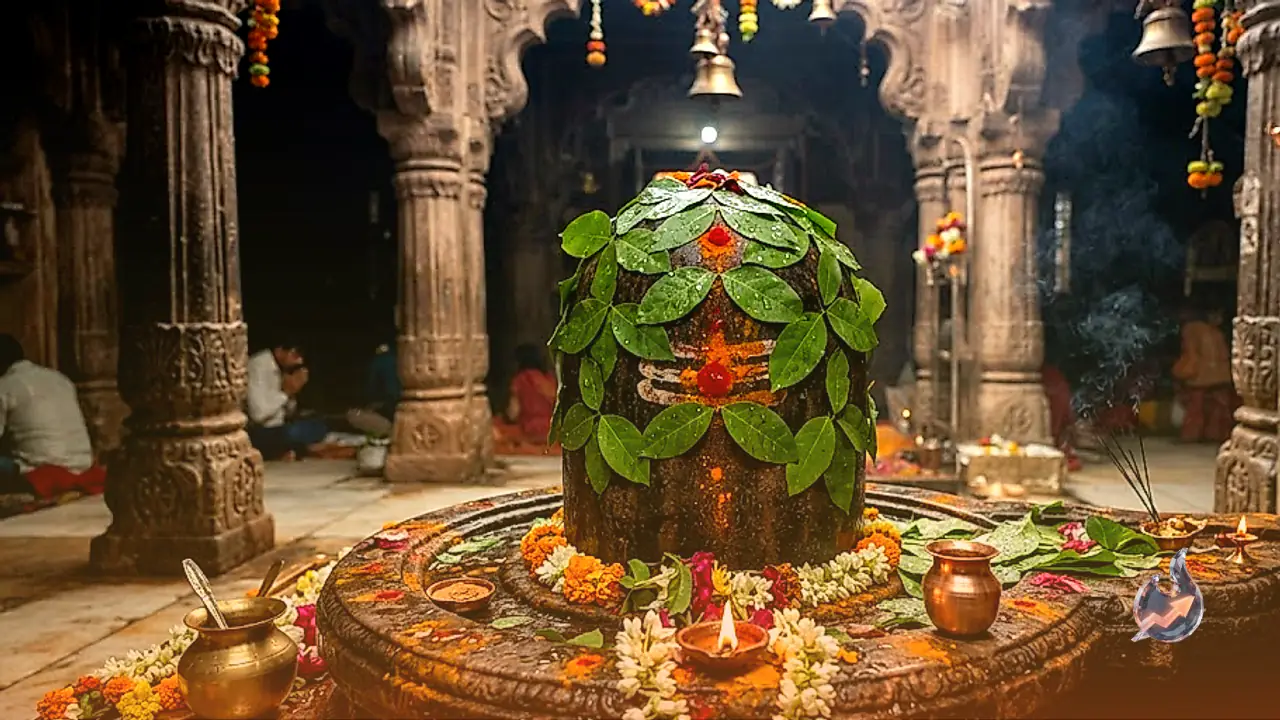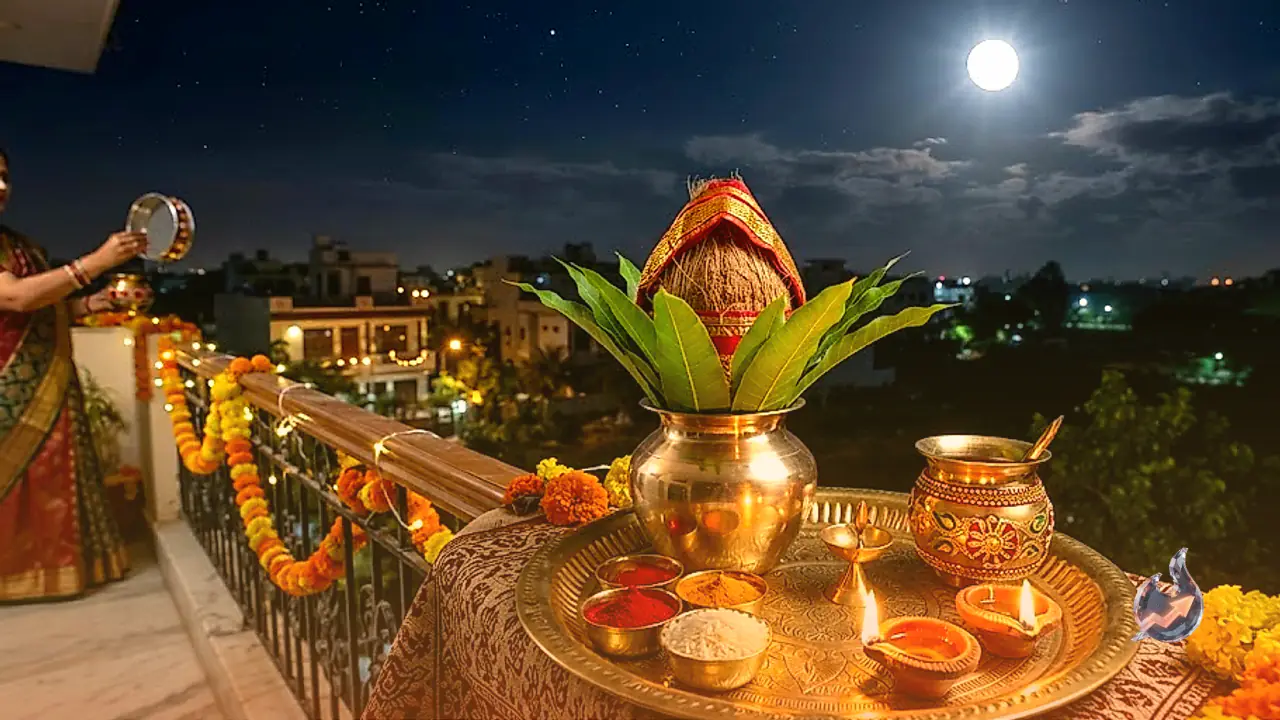























Aja Ekadashi stands as one of the most revered days dedicated to the worship of Lord Vishnu. Devotees observe this sacred occasion by maintaining a rigorous fast, offering sincere prayers, and participating in charitable activities as well as spiritual reflections. The festival draws a deep connection with the legendary narrative of King Harishchandra, cementing the timeless values of absolute truthfulness, unwavering devotion, and steadfast perseverance at the heart of the observance.
Date and Lunar Calendar Details
Aja Ekadashi will officially take place on Monday, September 7, 2026. It arrives during the Krishna Paksha Ekadashi phase of the Bhadrapada month, continuing the sacred cycle of fasts observed devoutly by followers of Lord Vishnu.
Auspicious Timings and Muhurat
For those preparing early-morning religious rites, the Brahma Muhurat is designated between 5:49 AM and 6:32 AM. This window is traditionally viewed as ideal for ritual bathing, meditation, prayer, and giving alms. Furthermore, the Abhijit Muhurat spans from 1:22 PM to 2:14 PM, while the Vijay Muhurat is expected between 4:00 PM and 4:51 PM. Because local geography dictates exact sunrise and sunset times, consulting a regional Panchang remains essential for precise local schedules.
Fasting Guidelines and Dietary Rules
Fasting forms the core of the Aja Ekadashi observance, though exact practices differ across households and regional traditions. Certain practitioners choose a strict nirjala fast without consuming food or water, whereas others adopt a lighter fruit-based diet involving milk and approved fasting foods. Traditional guidelines dictate the strict avoidance of rice, grains, pulses, non-vegetarian dishes, and alcohol.
Dwadashi Parana Guidelines
Breaking the fast occurs strictly on Dwadashi following sunrise during the designated parana window. Adhering to this recommended timeframe is considered vital for completing the ritual correctly based on local calculations.
Puja Rituals and Prayers
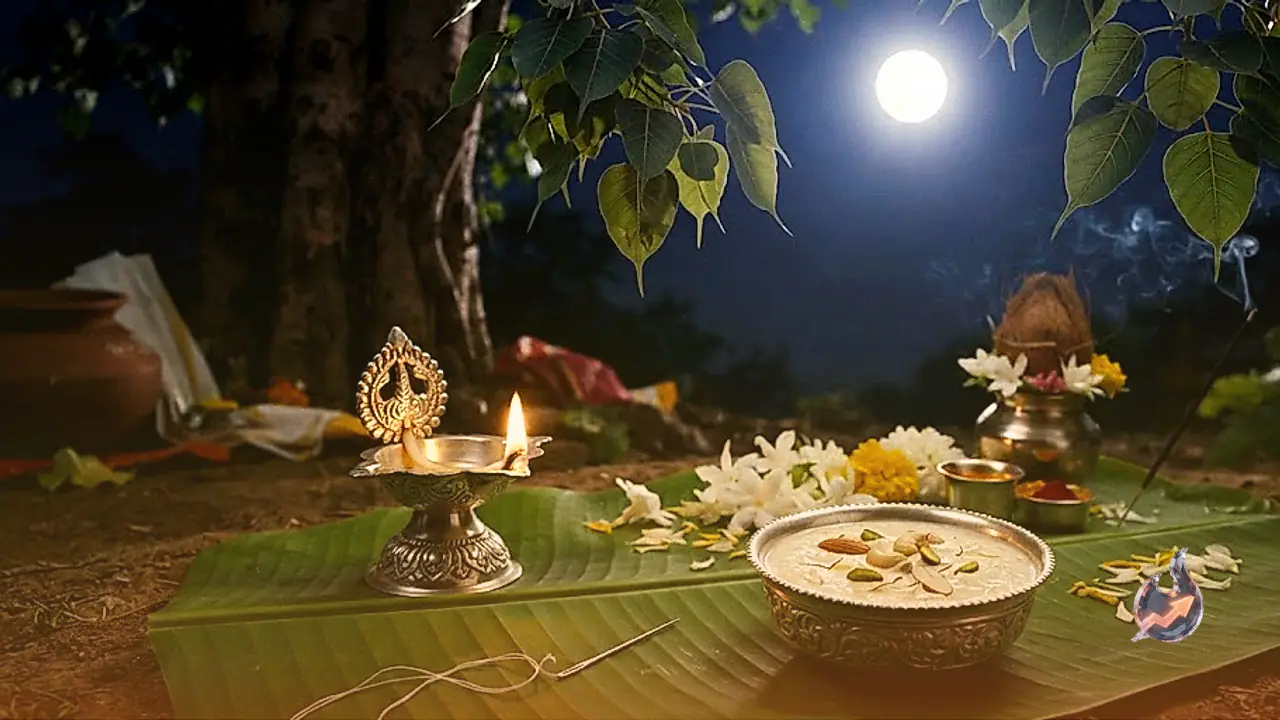
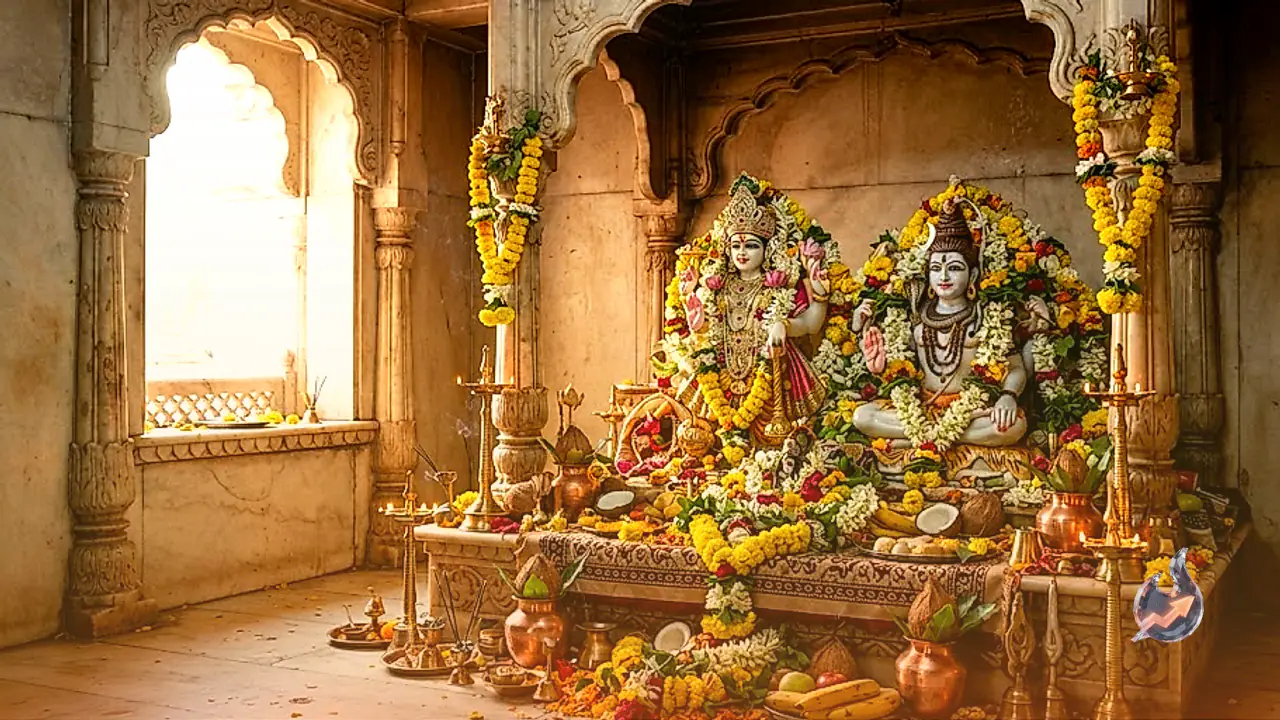
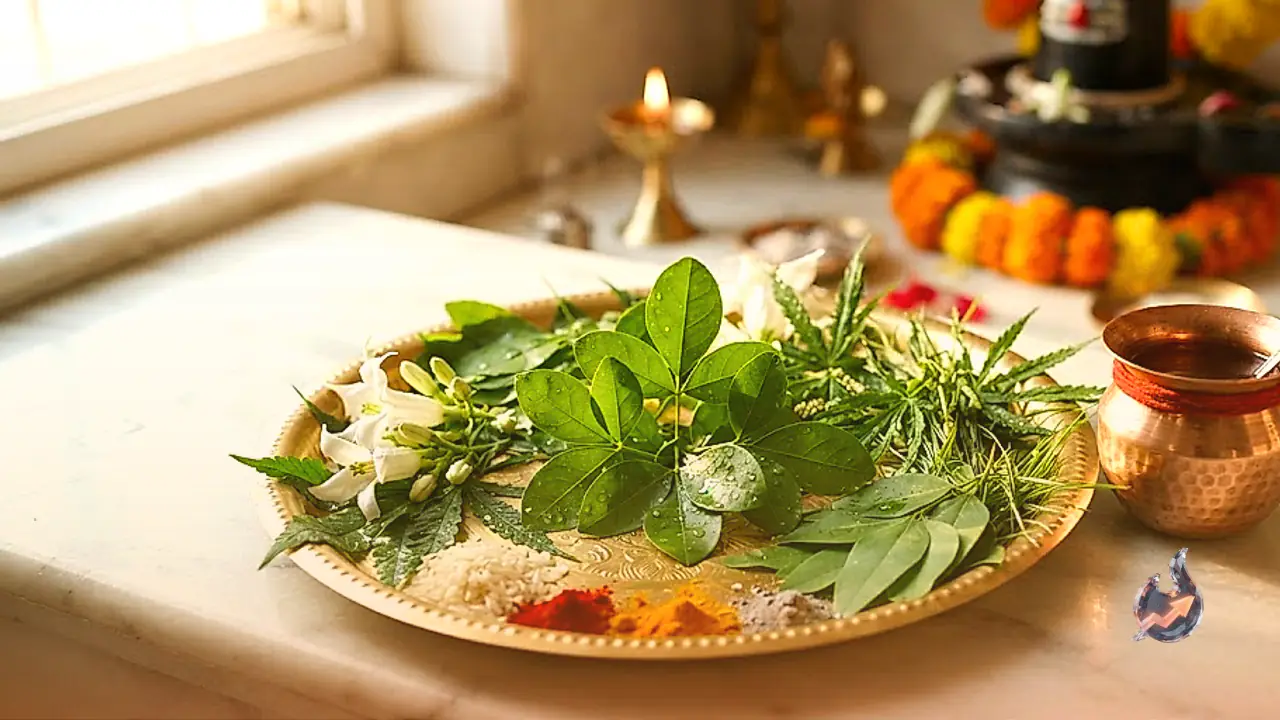
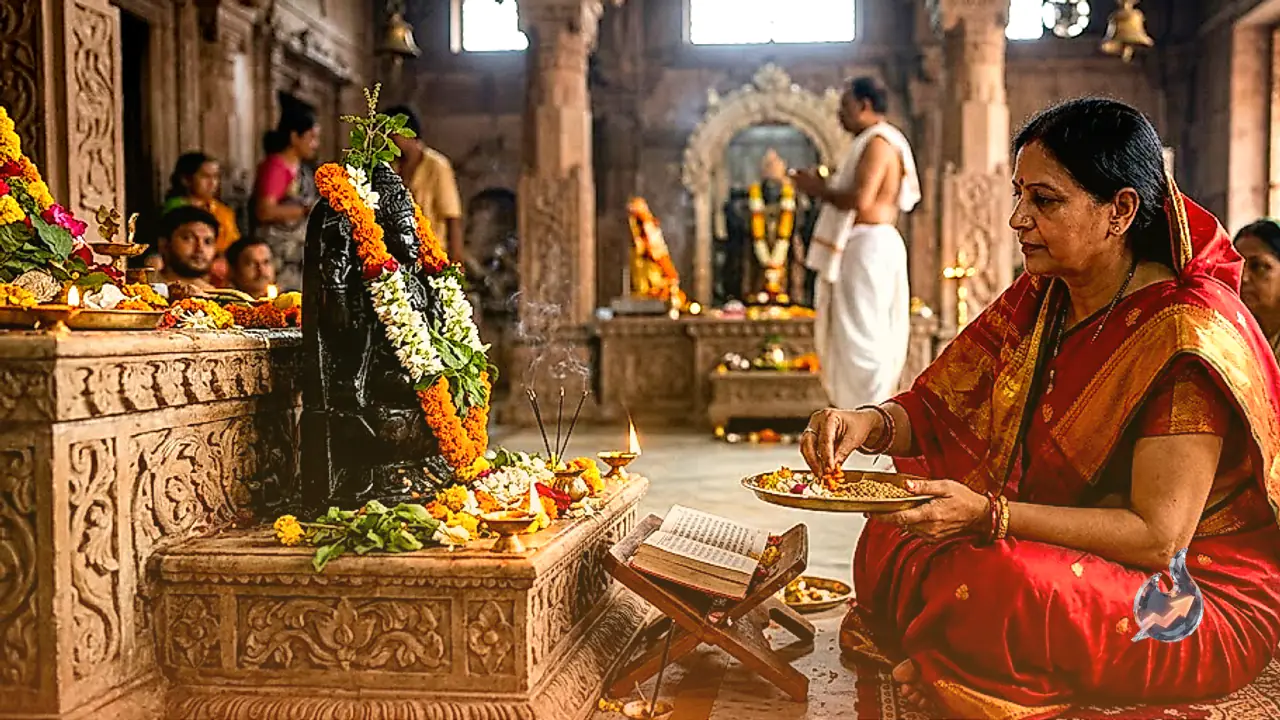
The observance commences with an early morning bath and the donning of clean clothes before cleaning the altar where an idol or picture of Lord Vishnu rests. Lamps and incense are lit, followed by the offering of yellow flowers, sacred Tulsi leaves, sandalwood, and a pure bhog. Chanting mantras such as Om Namo Narayanaya and listening to the vrat katha complete the worship before aarti.
Spiritual Significance
The religious importance of the day remains closely bound to the historical accounts of King Harishchandra, who upheld truth through immense suffering. Observing the fast symbolises self-restraint, spiritual discipline, and the pursuit of inner peace.