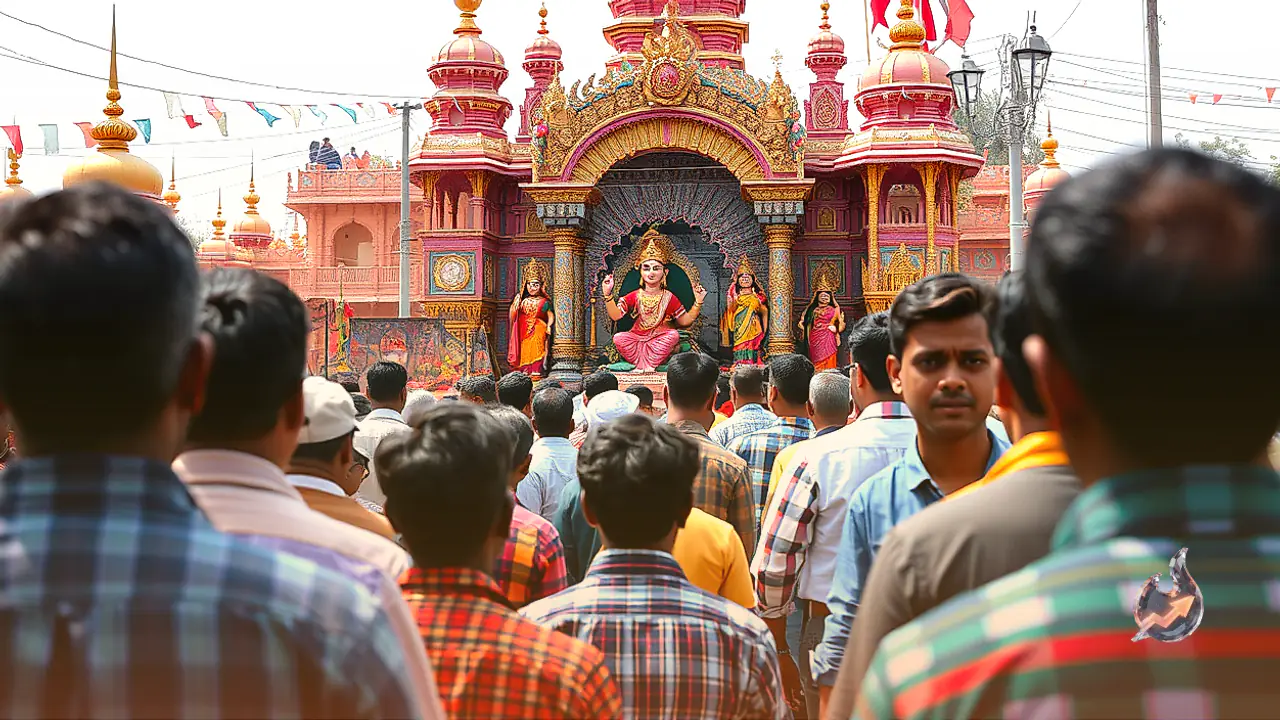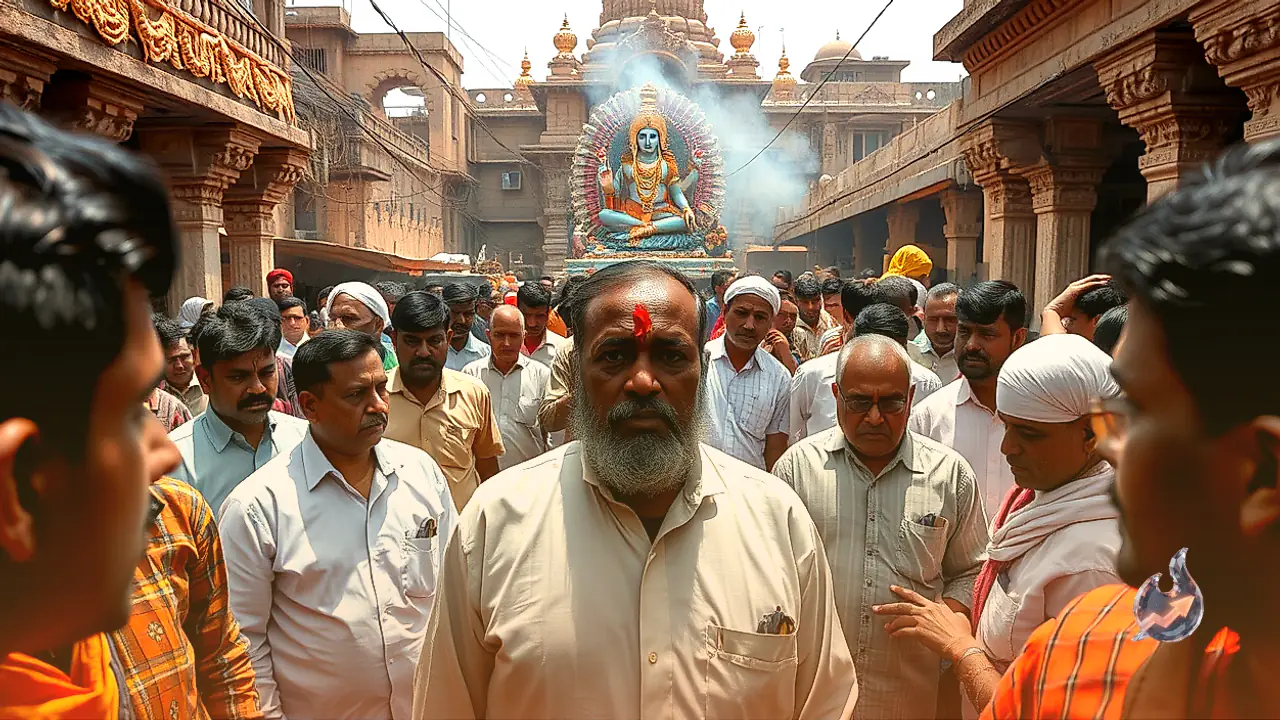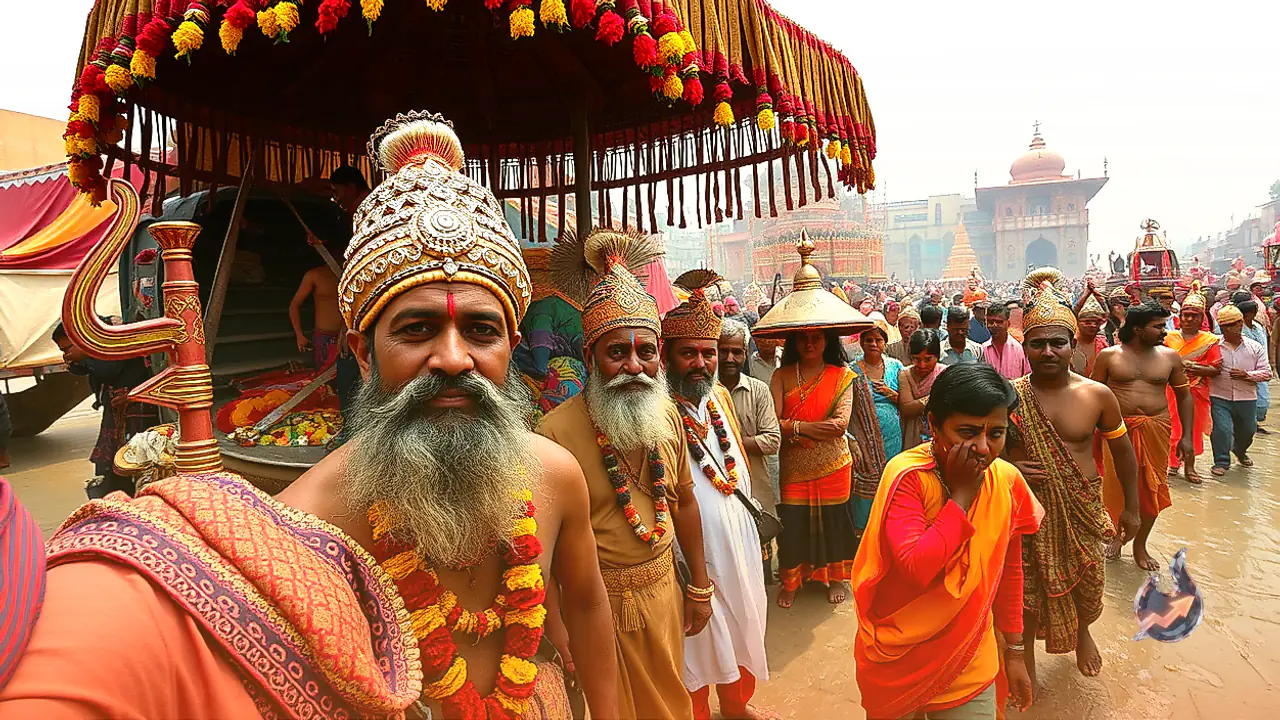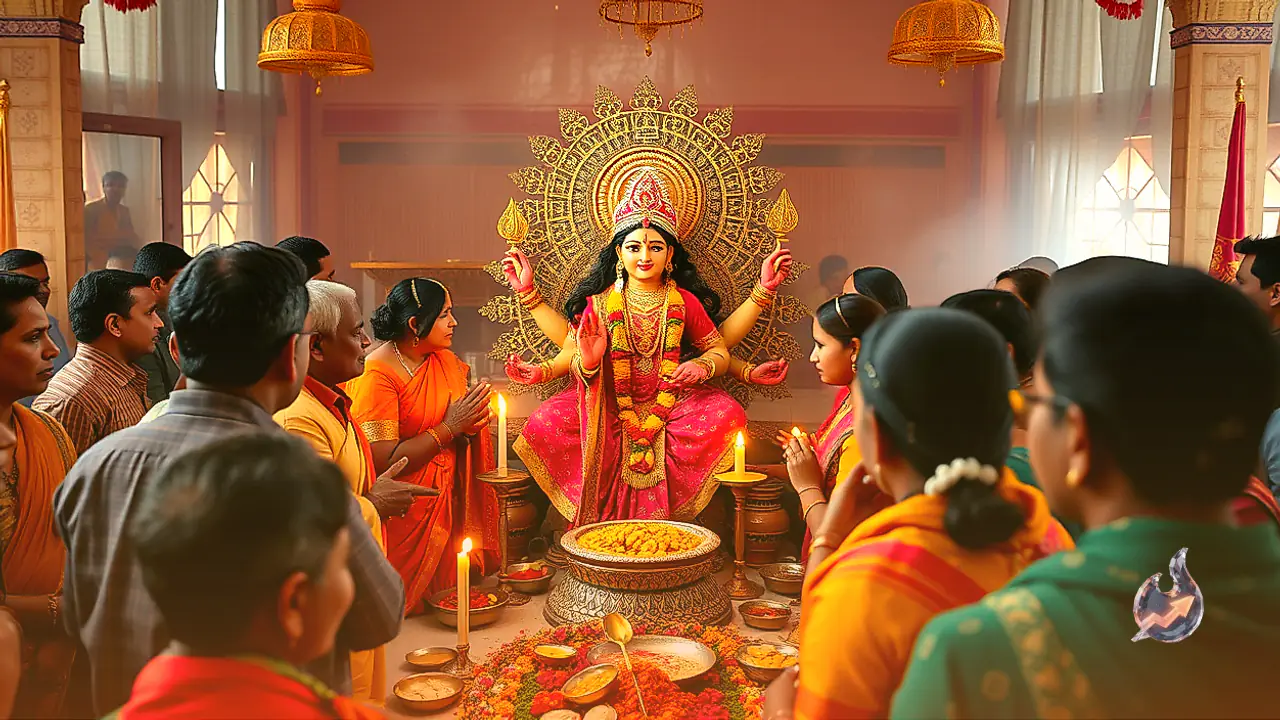




















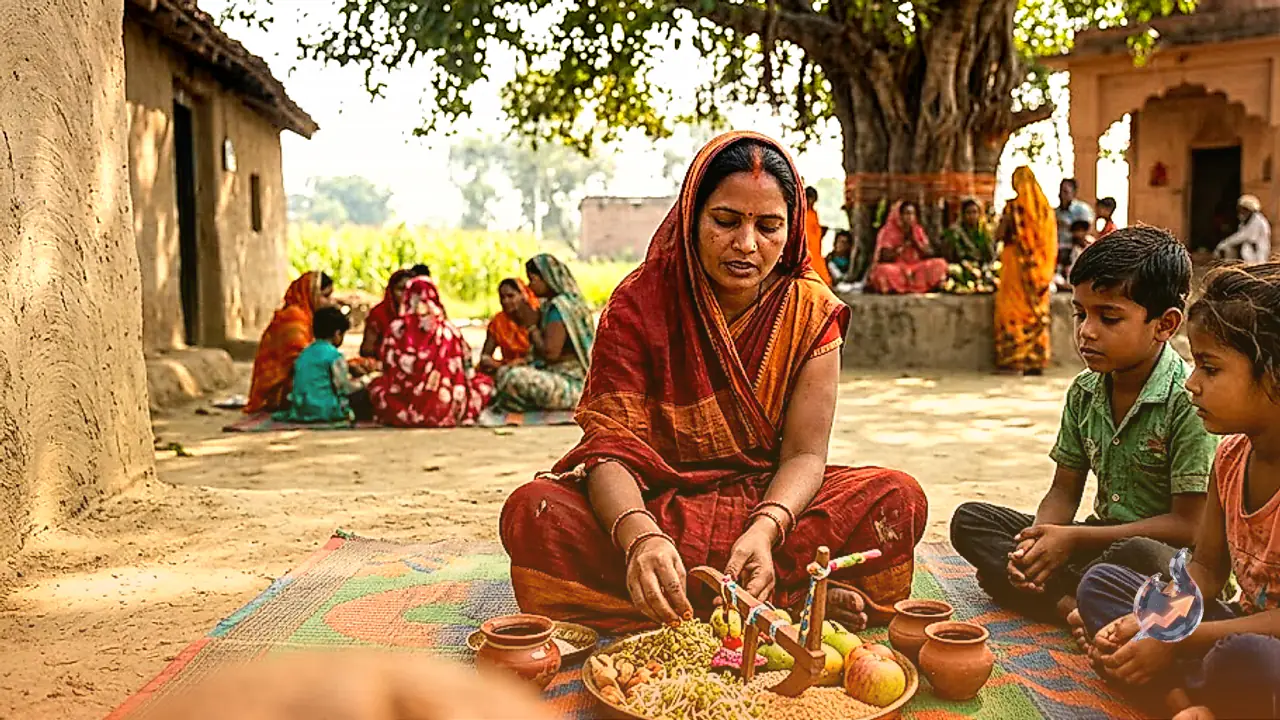

The sacred festival of Hal Chhath holds immense significance in Hindu traditions, where mothers observe a rigorous fast for the long life, robust health, and prosperous future of their children. This holy occasion is celebrated precisely two days prior to Krishna Janmashtami. According to religious beliefs and scriptures, Lord Balram was born on this very day, which is why the occasion is also widely celebrated as Balram Jayanti. Across various regions and communities, this festival goes by numerous local names including Lalhi Chhath, Chandan Chhath, Kamar Chhath, Khamar Chhath, Oob Chhath, Chandra Chhath, Tinchhathi, Tinni Chhath, Chanan Chhath, and Chana Chhath. Devotees firmly believe that observing this fast with utmost devotion also blesses childless couples with the gift of parenthood.
Hal Chhath Correct Date 2026
The auspicious festival of Hal Chhath will be observed on Wednesday, September 2, 2026. The Tithi will commence early morning on September 2 at 06:12 AM and will conclude on the following morning of September 3 at 04:25 AM. Based on the Udaya Tithi calculations followed in traditional calendars, the main day of fasting and rituals falls on September 2.
Hal Chhath 2026 Auspicious Muhurat Timings
- Brahma Muhurat - 04:29 AM to 05:14 AM
- Pratah Sandhya - 04:52 AM to 05:59 AM
- Vijay Muhurat - 02:28 PM to 03:18 PM
- Godhuli Muhurat - 06:42 PM to 07:04 PM
- Sayan Sandhya - 06:42 PM to 07:50 PM
- Amrit Kaal - 09:06 PM to 10:38 PM
- Tithi Start - 06:12 AM (September 2)
- Tithi End - 04:25 AM (September 3)
- Morning Window - 06:12 AM onwards
Significance And Unique Rituals Of Hal Chhath
This sacred fast is dedicated to Lord Balram, the elder brother of Lord Krishna, who wields a plough as his primary weapon. Due to this association with the plough, mothers strictly avoid consuming any grains or crops cultivated through plowing the earth during this observance. Instead, people consume wild grains like Tinni rice that grow naturally in water bodies such as ponds and lakes without human cultivation. Furthermore, the consumption of cow milk and curd is strictly prohibited throughout this day. In many traditional communities, women use Mahua twigs for brushing their teeth and consume Mahua as part of the ritualistic diet. The core objective of these strict observances remains seeking divine blessings for the health, strength, and longevity of children.