























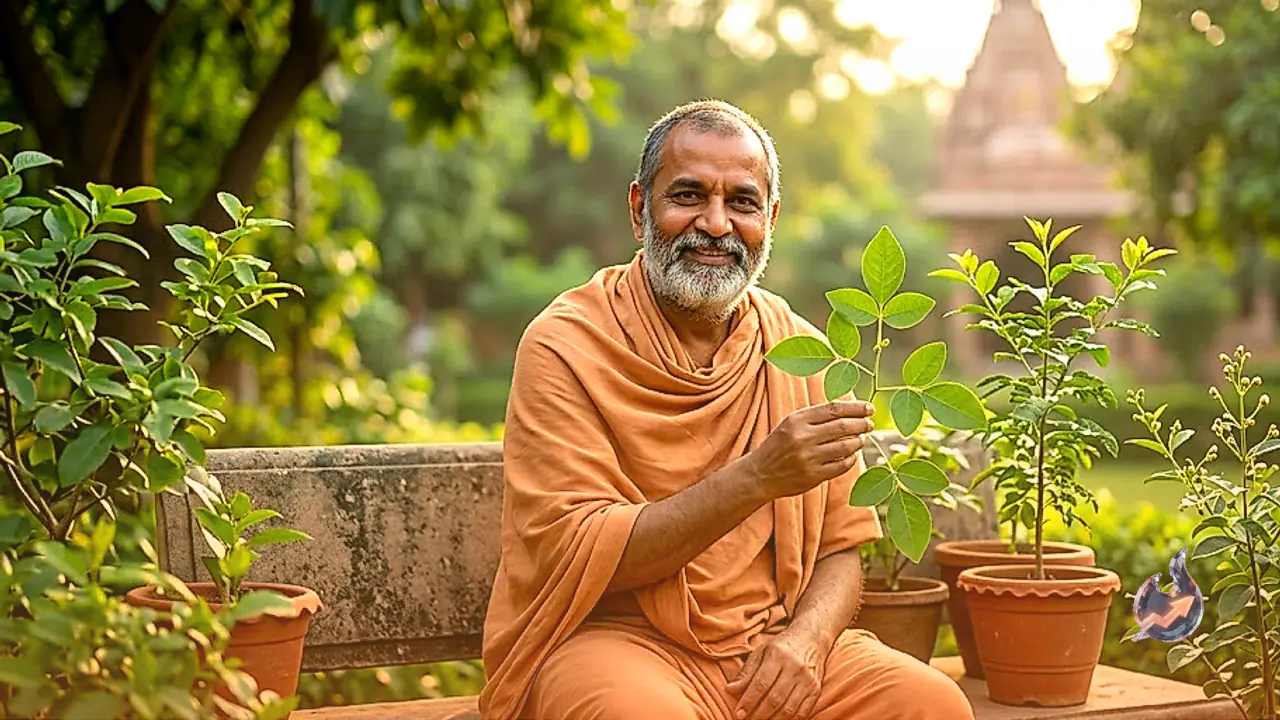

The sacred month of Sawan holds an unmatched significance in the hearts of Lord Shiva's devotees. Across the country, this period is marked by profound devotion, with countless believers visiting temples, offering pure water, and dedicating sacred Belpatra leaves to Mahadev. According to widespread religious beliefs, sincere prayers offered during these auspicious days always yield positive and blessed outcomes. However, the devotion does not have to be limited to the temple. Spiritual traditions suggest that nurturing specific holy plants at home during this time can continuously attract divine grace. Doing so is believed to manifest peace, foster a deeply positive environment, and gradually dissolve life's persistent troubles. For the year 2026, the Sawan month will officially commence on July 30 and conclude on August 28. Devotees looking to maximize their spiritual gains during this nearly month-long window are highly encouraged to plant and care for three specific sacred saplings.
The Importance of Daily Offerings and Chanting
Before detailing the specific plants, it is crucial to understand the foundational daily practices of the month. Mahant Kameshwaranand Vedantacharya, a respected spiritual figure at the Ballabgarh Udasin Sadhu Ashram located in Faridabad, emphasizes the importance of a daily morning ritual. He advises that devotees must begin their day by offering a fresh vessel of water to Lord Shiva. While pouring the water over the Shivling, one should continuously and mindfully chant the powerful mantra 'Om Namah Shivaya'. This practice, performed with pure faith, anchors the devotee's mind. Furthermore, dedicating Belpatra leaves directly to the Shivling is an ancient practice known for destroying past sins and ensuring that Mahadev's protective gaze remains upon the worshipper throughout their life.
The Bel Plant: Supreme Among Shiva's Favorites
Among the flora dearest to Lord Shiva, the Bel plant holds the highest rank. Mahant Kameshwaranand Vedantacharya points out that introducing a Bel sapling to your home environment during Sawan is considered highly auspicious. For those blessed with ample garden space, the ideal placement for this sacred tree is in the North or East direction of the property. Urban dwellers facing space constraints need not worry, as this plant thrives perfectly well in a standard container or pot. The daily care routine involves offering a small amount of fresh water and looking after the sapling with devotion. However, the spiritual leader issues a strict warning regarding its usage. He cautions that devotees must never pluck leaves from the specific Bel sapling they have personally planted. Instead, when acquiring leaves for the daily Shivling worship, one should source them from a fully grown, mature tree outside or purchase them from the market. This ensures the young plant grows undisturbed while the devotee still fulfills their religious duties.
The Shami Plant: A Magnet for Prosperity and Peace
Another remarkably powerful addition to a devotee's home is the Shami plant. Deeply cherished by Mahadev, the Shami holds a special place in Vedic traditions. According to the guidance provided by Mahant Kameshwaranand Vedantacharya, the correct placement for the Shami plant is in a pot situated in the Northern direction of the house. Regular worship of this specific plant, coupled with the act of offering its leaves directly onto the Shivling, unlocks immense spiritual and material benefits. It is widely believed that the Shami plant acts as a magnet for prosperity, ensuring that the household remains filled with wealth, food, and overall familial happiness. Beyond material gains, it stands as a strong symbol of domestic security, constantly radiating a positive and peaceful aura that protects the family members from negative influences.
The Aak Plant: A Symbol of Longevity and Stress Relief
Finally, the Aak plant, often known for its unique botanical properties, carries a profound spiritual weight in the worship of Lord Shiva. Mahant Kameshwaranand Vedantacharya notes that the Aak holds a highly specialized significance during the Sawan rituals. This plant is easily identifiable in nature. When its leaves are gently broken or plucked, a distinct white milky sap immediately oozes out. Religious traditions maintain that dedicating these specific Aak leaves to the deity brings a very specific set of blessings. Primarily, it is sought after by devotees praying for a long, healthy life. Additionally, its presence and associated rituals are highly effective in reducing stress and alleviating tension within the household. Ultimately, any devotee who engages in the worship and care of these sacred plants with a pure heart and unwavering faith during Sawan is guaranteed to become a recipient of Lord Shiva's eternal grace.