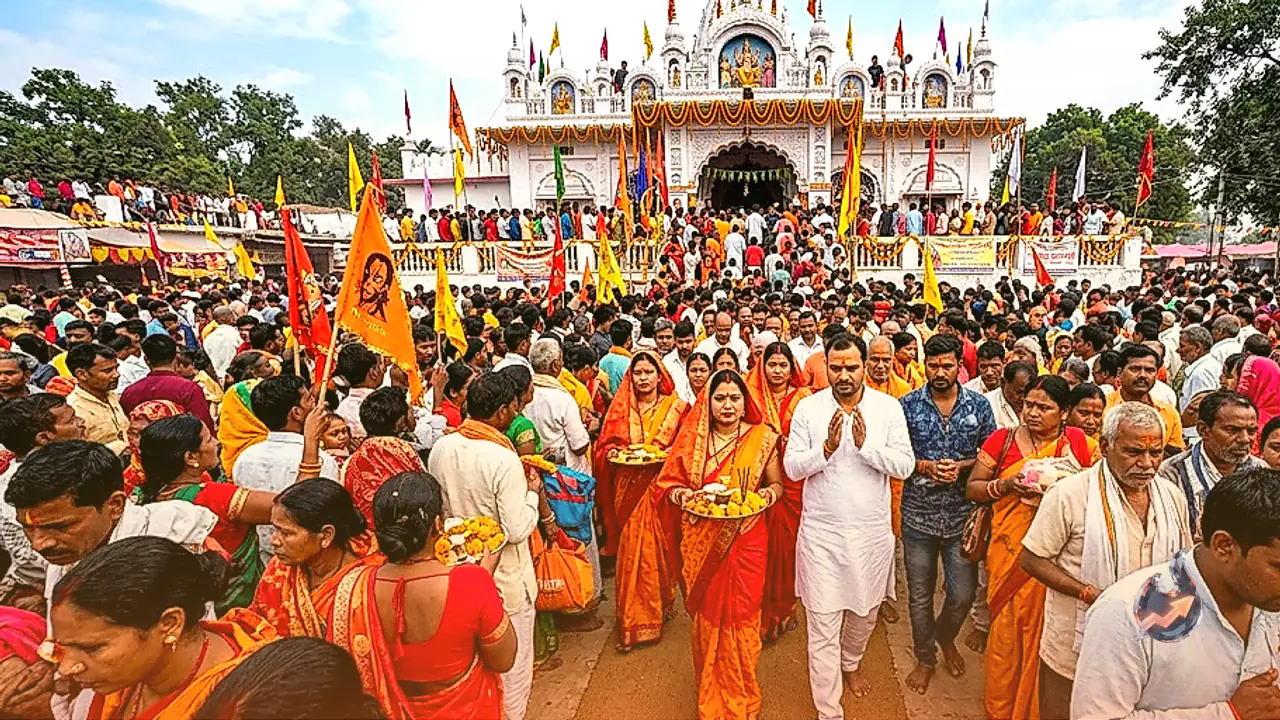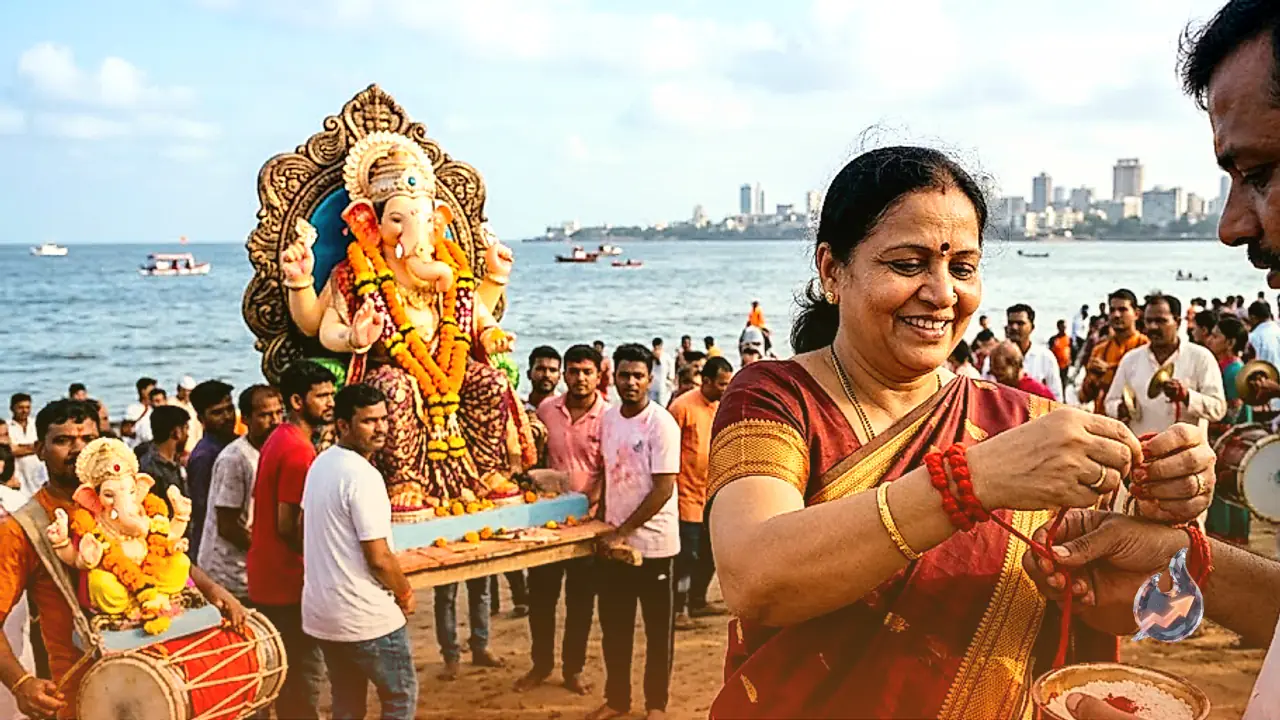

























The final day of the month of August, August 31 2026, brings the auspicious observance of the Kajari Teej fast. According to the Hindu panchang, this day corresponds to the third tithi of the Krishna paksha in the month of Bhadrapada, lasting until 8:50 AM before transitioning into the fourth tithi. Religious traditions associate Kajari Teej primarily with Lord Shiva and Goddess Parvati. Married women observe this dedicated fast to pray for the long life of their husbands, marital harmony, and overall family prosperity. Unmarried young women also keep this fast with the aspiration of finding a compatible and desired life partner. Ancient scriptures note that Goddess Parvati underwent severe penance to attain Lord Shiva as her husband, and it is because of this absolute devotion that the festival is deeply linked to marital bliss. Looking at planetary positions today, the Sun is placed in the zodiac sign of Leo while the Moon resides in Pisces. Furthermore, the Sun stays in the Purvaphalguni nakshatra, and the Moon remains in the Revati nakshatra. The directional shul points toward the east, which travellers take into account. Sunrise occurs at 6:12 AM and sunset takes place at 6:41 PM. Meanwhile, moonrise is scheduled for 8:36 PM and moonset will happen at 9:48 AM the following day. The occurrence of Kajari Teej on a Monday marks a rare and auspicious alignment, enhancing the spiritual significance of the day.
Rituals for Worshipping Lord Shiva and Goddess Parvati
Since Kajari Teej falls on a Monday, the religious importance of the day multiplies significantly. On this occasion, devotees observing the fast wake up early, take a bath, and wear clean attire. Afterward, they visit their home temple or a nearby Shiva temple to meditate on Lord Shiva and take a solemn vow for the fast and worship. The ritual begins by offering sacred Ganga water or pure water over the Shiva lingam. Following this, an abhishek is performed using milk, curd, and honey. There is also a tradition of offering belpatra, datura, akada flowers, and white sandalwood to Lord Shiva. During the worship, devotees continuously chant the Om Namah Shivaya mantra. This is followed by reciting the Shiva Chalisa or Shiva Stuti, performing the aarti of Lord Shiva, and distributing prasad among attendees. The entire worship of Kajari Teej involves remembering Lord Shiva, Goddess Parvati, and Lord गणेश. In several regions, the worship of the neem tree also holds special significance. Women dress in solah shringar, perform the rituals, and listen to the vrat katha.
Auspicious Timings and Yogas on August 31 2026
According to the panchang, several auspicious timings and yogas form today, which are considered highly fruitful for religious activities. Today's nakshatra is Revati, which continues until 3:23 AM on September 1, after which the Ashwini nakshatra begins. The karana for today is Visti until 8:50 AM, followed by Bava karana until 8:19 PM. Regarding yoga, the Gand yoga persists until 1:51 AM on September 1, followed by the Vriddhi yoga. Among other favorable muhurtas of the day, the Brahma muhurta runs from 4:30 AM to 5:15 AM. Additionally, the Abhijit muhurta lasts from 11:57 AM to 12:48 PM, the Vijay muhurta from 2:30 PM to 3:21 PM, and the Godhuli muhurta from 6:45 PM to 7:07 PM. During the night, the Amrit kaal spans from 1:01 AM to 2:36 AM on September 1, and the Nishita muhurta occurs from 12:00 PM to 12:45 AM on September 1. Regarding Shiva vas, it remains in krida until 8:50 AM and thereafter moves to Kailash.
Inauspicious Timings and Periods Today
Alongside auspicious timings, devotees also take note of inauspicious periods and prohibited hours today. According to the panchang, Rahu kaal runs from 7:35 AM to 9:11 AM. Yamaganda spans from 10:46 AM to 12:22 PM, and Gulik kaal occurs from 1:01 PM to 3:33 PM. Furthermore, Durmuhurt lasts from 12:48 PM to 1:39 PM, and Varjya kaal is scheduled from 3:34 PM to 5:08 PM. The Bhadragkal period lasts from 5:59 AM to 8:50 AM. Additionally, Panchak begins at 5:59 AM and remains in effect until 3:23 AM on September 1. Undertaking new or auspicious ventures during these inauspicious time windows is traditionally avoided.