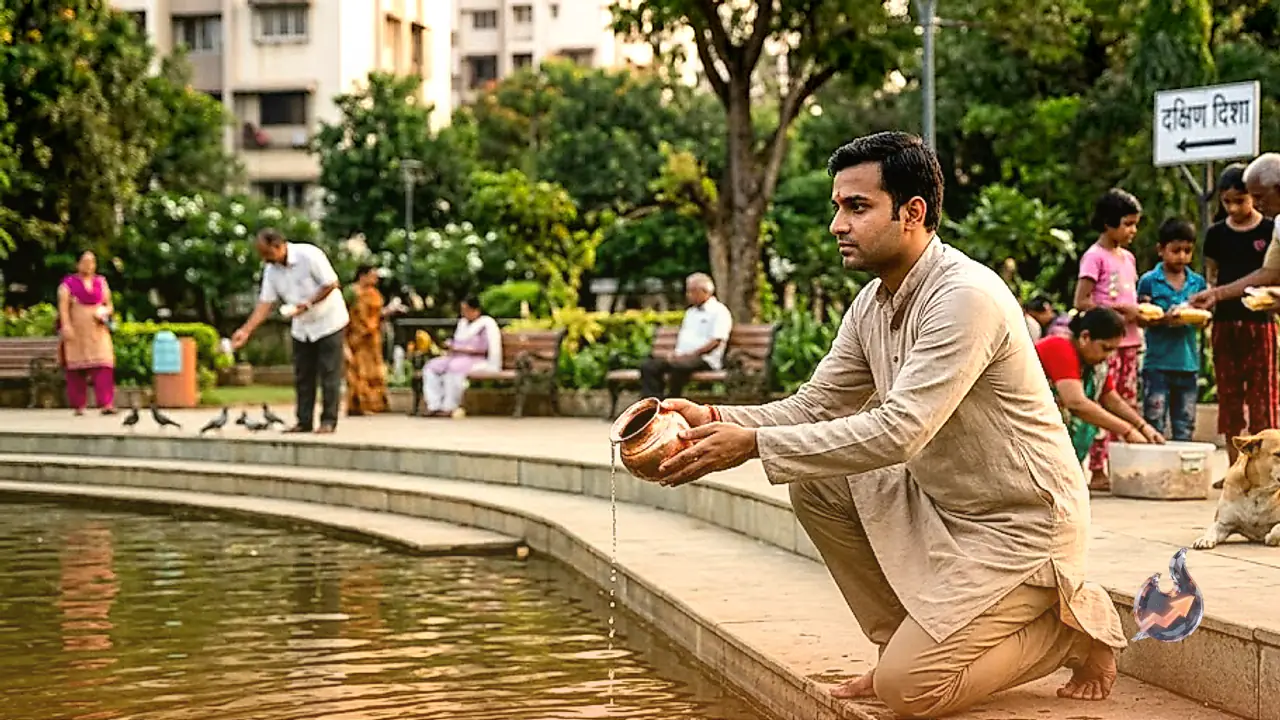

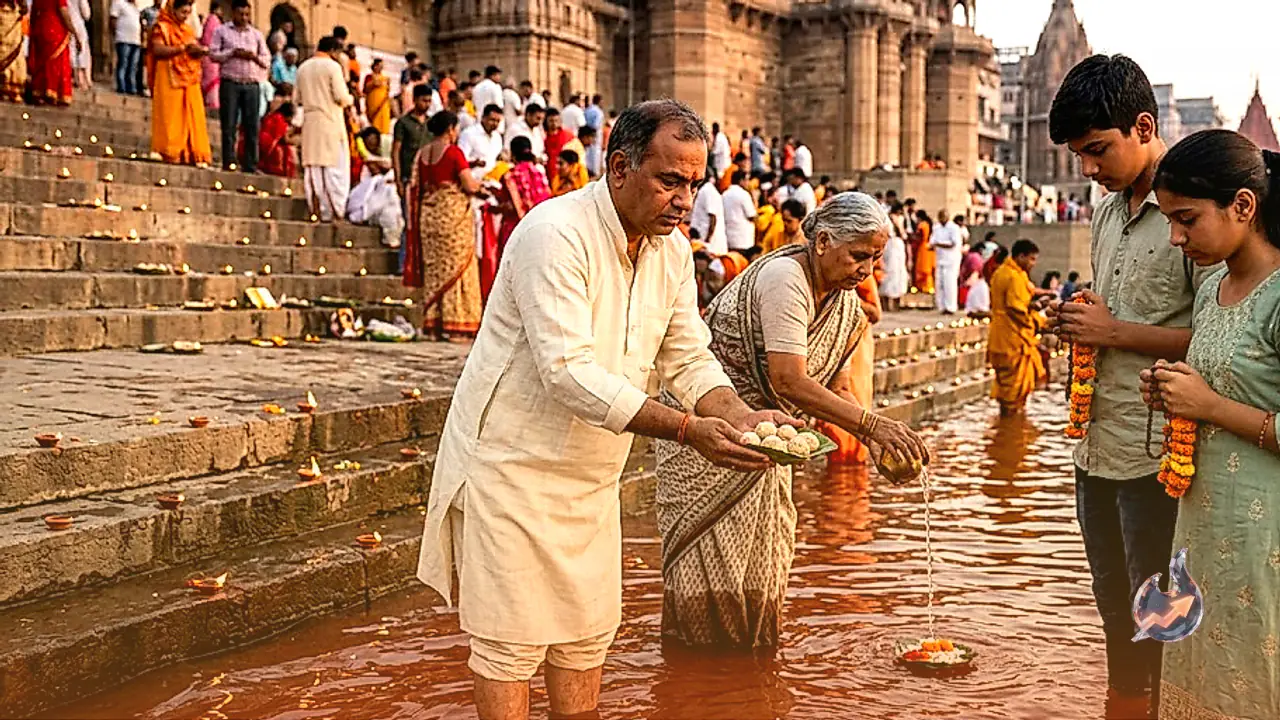


















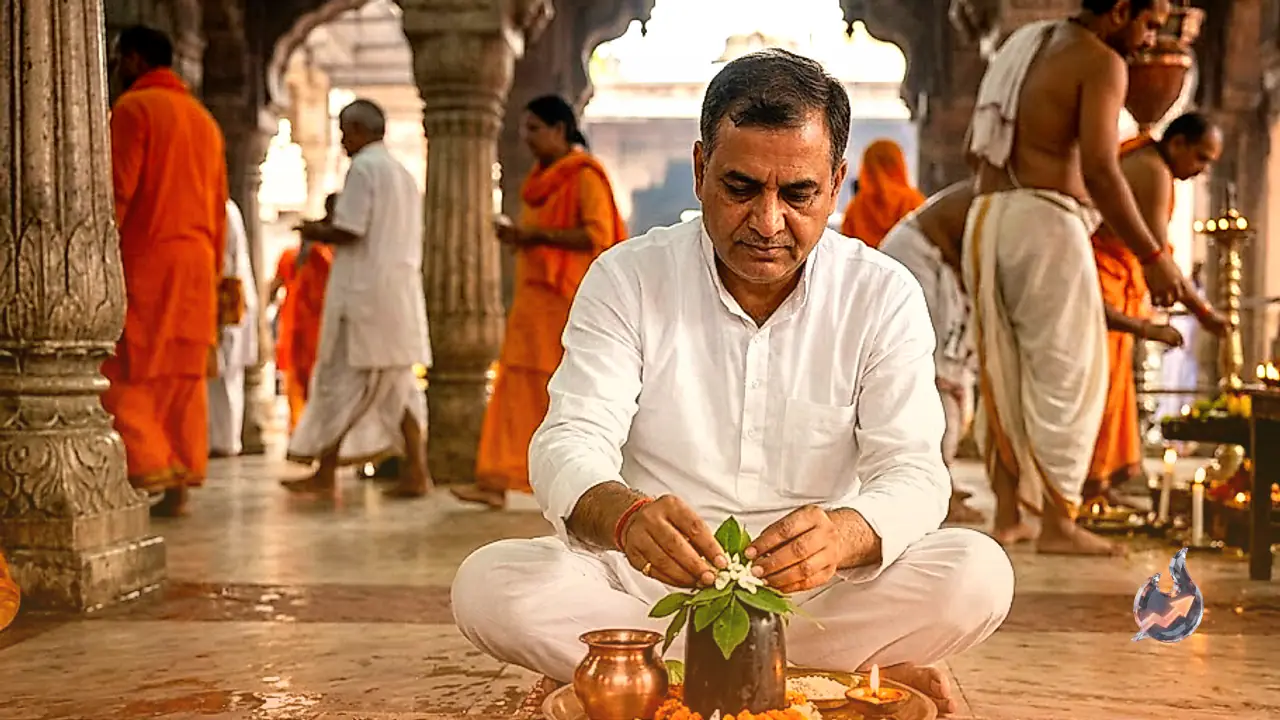

The sacred month of Sawan is well underway, drawing devoted worshippers to temples across the region to perform ritual baths of water and milk alongside heartfelt prayers to Lord Shiva. Many followers observe ritual fasts on Mondays, while others offer sacred bael leaves and various devotional items to seek the ultimate blessings of Bholenath, making this period deeply significant for spiritual reflection.
The Importance of Ritual Guidelines
Pure devotion alone is not always enough when performing worship for Lord Shiva, as adhering to traditional scriptures and procedural rules remains vital. Pandit Manish Upadhyay, a ritual expert and Bhagavata Acharya based in Karauli, notes that Sawan is considered exceptionally fruitful for worshipping the deity. However, failing to maintain proper precautions regarding certain ritual offerings and daily consumption can sometimes prevent devotees from receiving the full spiritual rewards of their prayers, potentially leading to contrary outcomes.
Restrictions Involving Tulsi and Sindoor
According to Pandit Upadhyay, basil or Tulsi leaves should never be offered during the worship of Lord Shiva. Worshippers sometimes mistakenly place Tulsi leaves alongside bael leaves upon the Shivling, an act contrary to religious traditions. Presenting bael leaves alone is regarded as highly auspicious for Shiva. Furthermore, devotees must avoid using sindoor or vermilion when adorning Lord Shiva throughout the month of Sawan.
The Prohibition of Ketaki Flowers
Strict religious customs dictate that offering the Ketaki flower to the Shivling is entirely forbidden. Pandit Upadhyay points out that worshippers must refrain from presenting Ketaki flowers, as well as any perfumes or water infused with Ketaki, to Lord Shiva. Using such prohibited elements during rituals can diminish the spiritual sanctity and efficacy of the prayers.
Dietary Purity and Discipline
Beyond ritual offerings, Sawan places great emphasis on maintaining a sattvic diet for all followers of Lord Shiva. Individuals keeping fasts and performing rigorous religious observances are specifically advised to avoid consuming garlic and onions. Practicing strict dietary moderation and discipline during this holy month is considered an essential component of proper spiritual devotion.