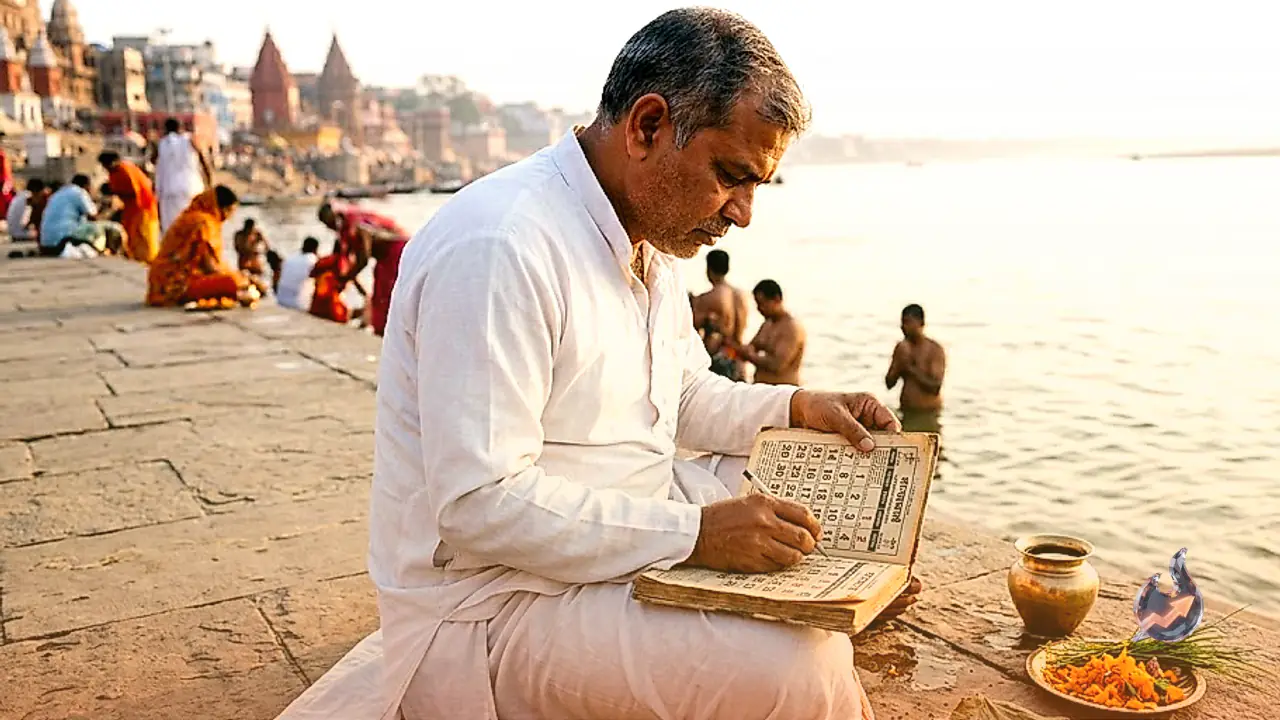



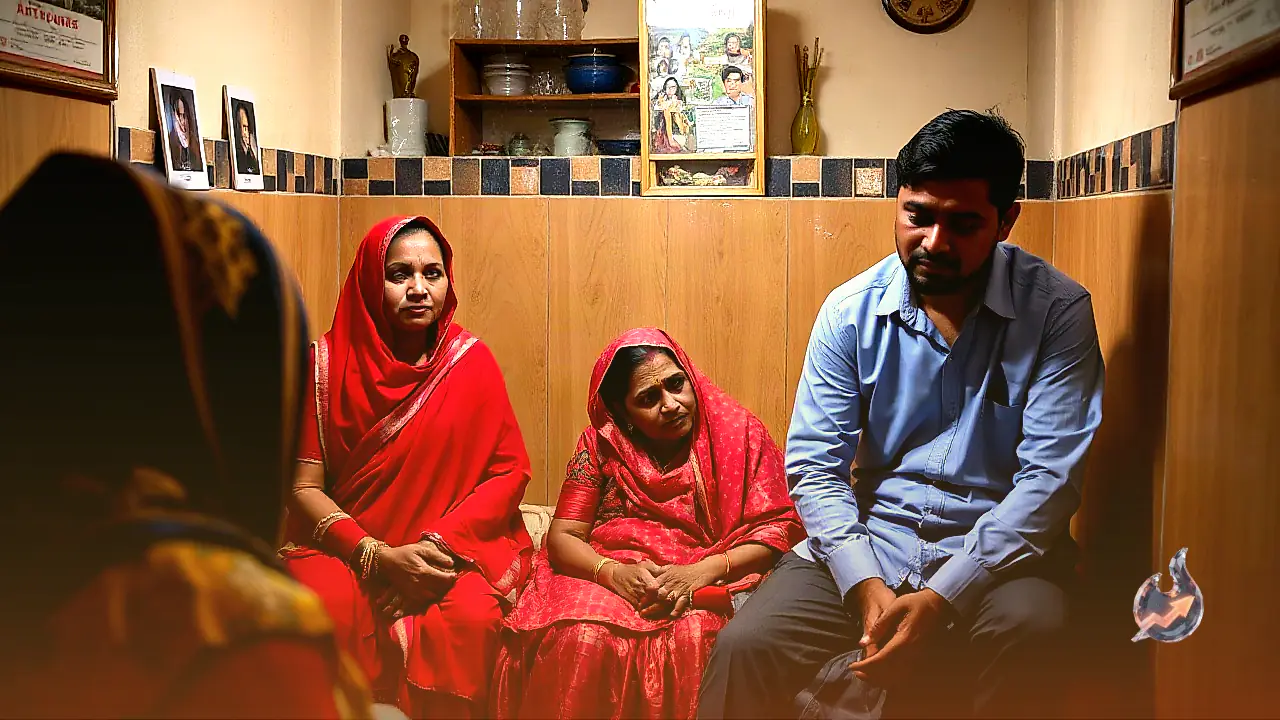





















The sacred period dedicated to honoring ancestors brings specific spiritual responsibilities for families. Pitru Paksha begins on 26 September 2026, marking a dedicated fortnight where devotees perform Tarpan, Pind Daan, and Shradh rites for their departed lineage. Within traditional beliefs, maintaining the grace of ancestors shields a household from adversity, ensuring long-term prosperity and material stability. Conversely, neglecting these duties or invoking ancestral displeasure is believed to result in Pitru Dosha, an affliction associated with ongoing financial distress, career setbacks, and domestic hurdles. While conducting these rites brings peace to departed souls, scriptural guidelines also dictate specific prohibitions that must be observed immediately after the rituals conclude.
Avoid Immediate Rest After Completing Rituals
Once the prayers, Tarpan, or Shradh rites finish, individuals should refrain from heading directly to sleep or taking rest. Traditional practice recommends remaining awake and active for at least one Pahar, which corresponds to roughly 3 hours following the completion of the ceremony. Rather than resting, this interval should be spent contemplating ancestral memories or engaging in charitable deeds and righteous activities. This restriction does not apply rigidly to elderly individuals or those suffering from health issues, who may rest according to physical necessity.
Maintain Peace and Respect Elders at Home
The domestic atmosphere on the day of ancestral ceremonies must remain peaceful and positive throughout. One should strictly avoid losing patience, expressing anger, or entering into verbal disputes with family members or neighbors. Furthermore, treating household elders with disrespect or harsh words on this day is strictly forbidden, as honouring living seniors is considered central to pleasing one's forefathers.
Do Not Consume Meals Before Offering Shares to Living Beings
Partaking in food immediately after the rituals are finished is considered improper. Ritual custom requires that portions of the prepared meal must first be presented to Brahmins, cows, dogs, crows, and ants before any family member sits down to eat. Only after these offerings are properly made may the household consume their meal. Additionally, the participating Brahmin must be respectfully seen off with appropriate monetary offerings (Dakshina) and charitable gifts.
Strict Abstinence From Non-Vegetarian Food and Intoxicants
On the designated day of performing Tarpan and Shradh, no Tamasic food should be cooked within the house or consumed outside. The dietary prohibition explicitly bars meat, fish, garlic, and onions from all meals. Furthermore, alcohol and any other intoxicating substances must be completely avoided. The entire family is expected to consume strictly pure, Sattvic food throughout the observance of ancestral rites.