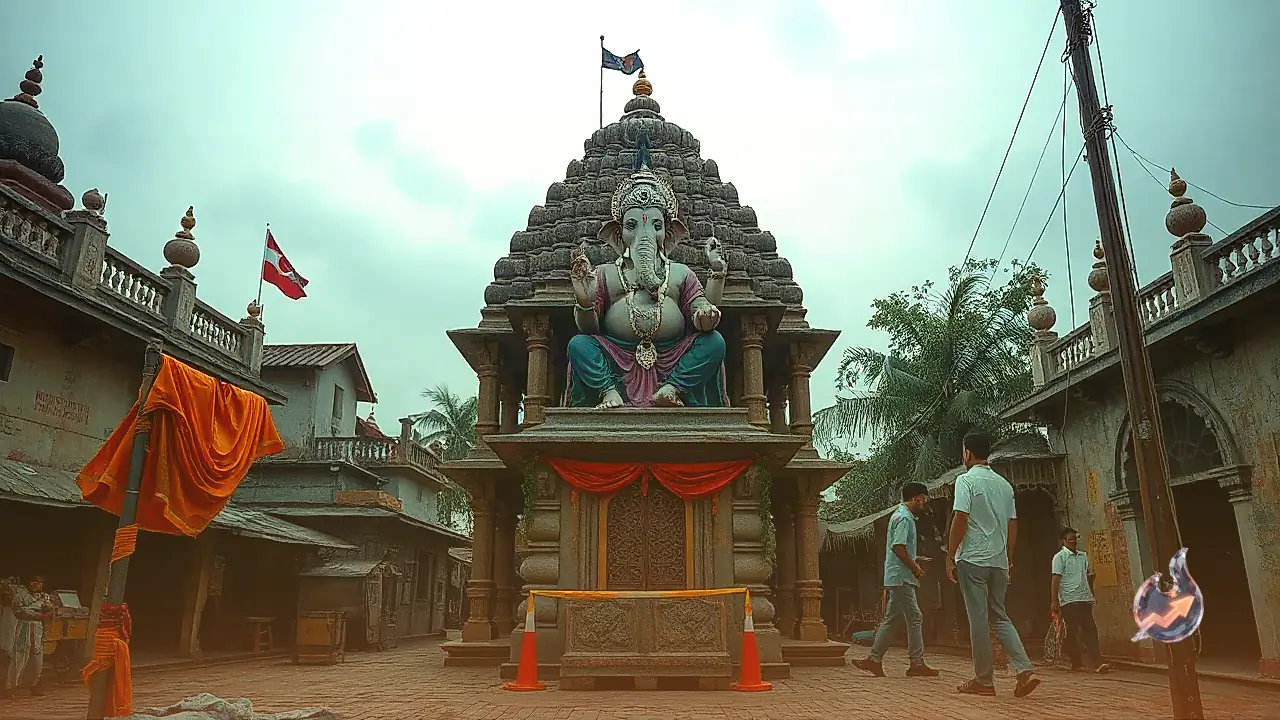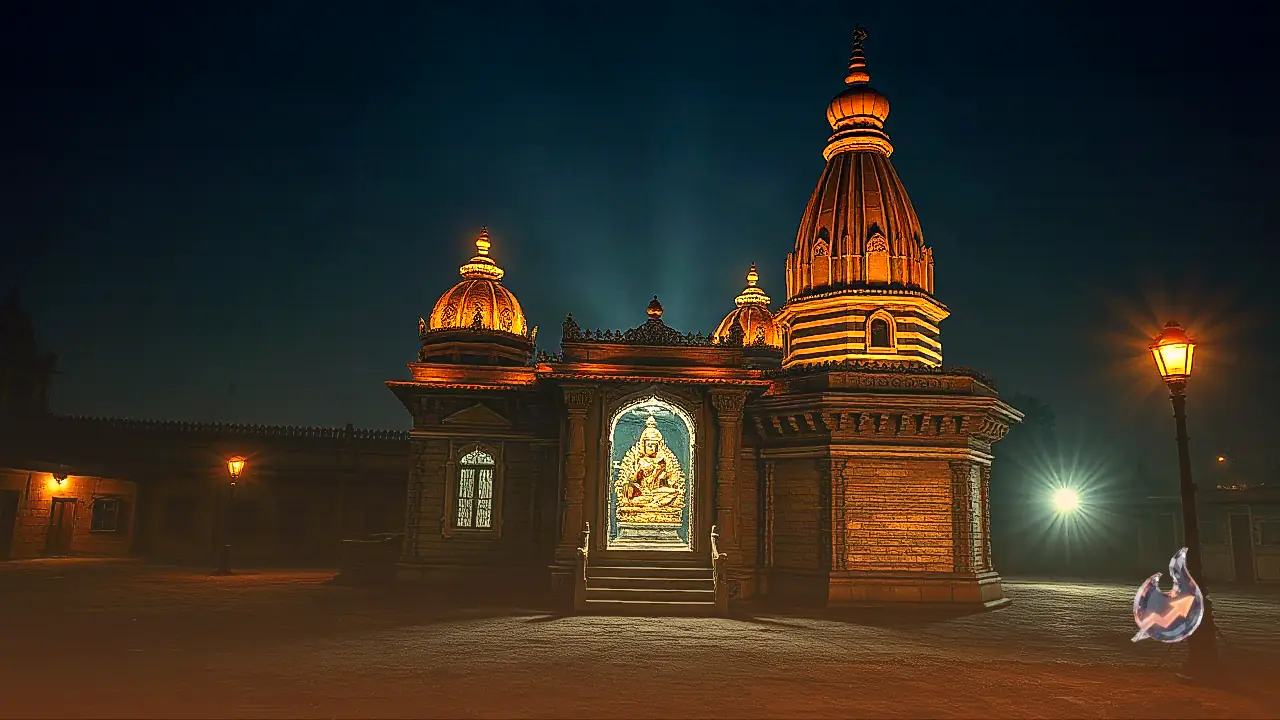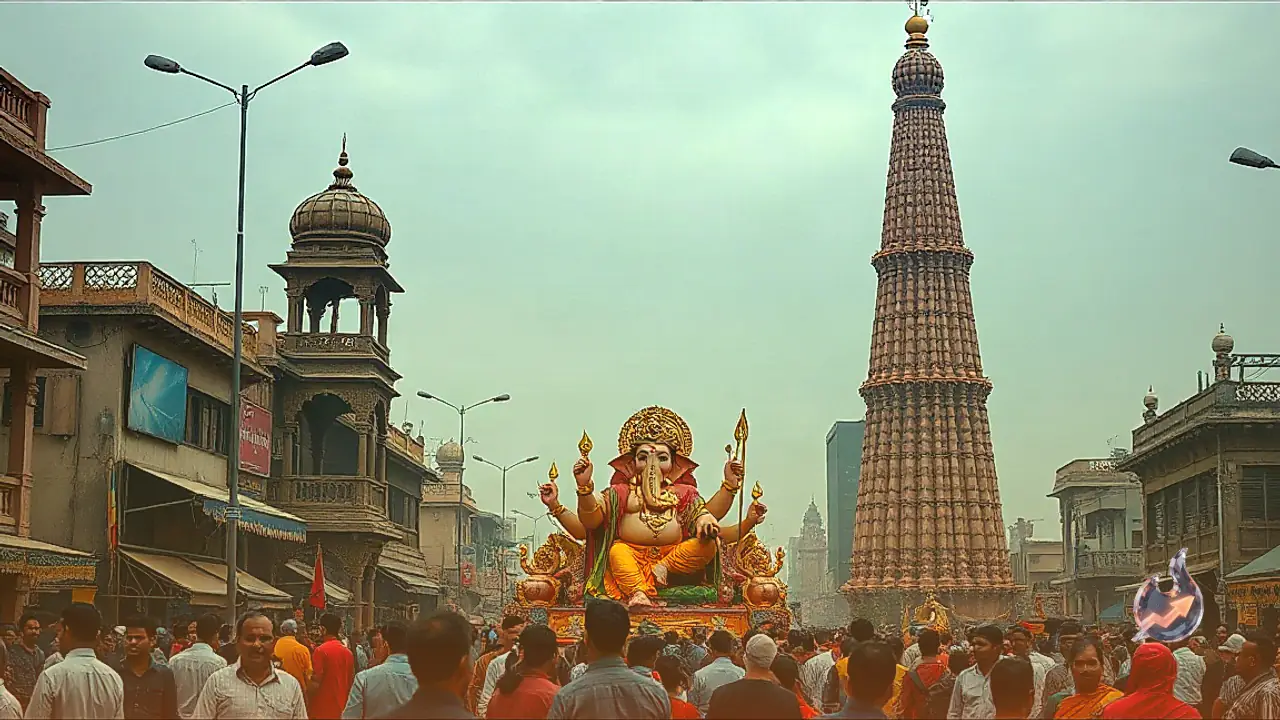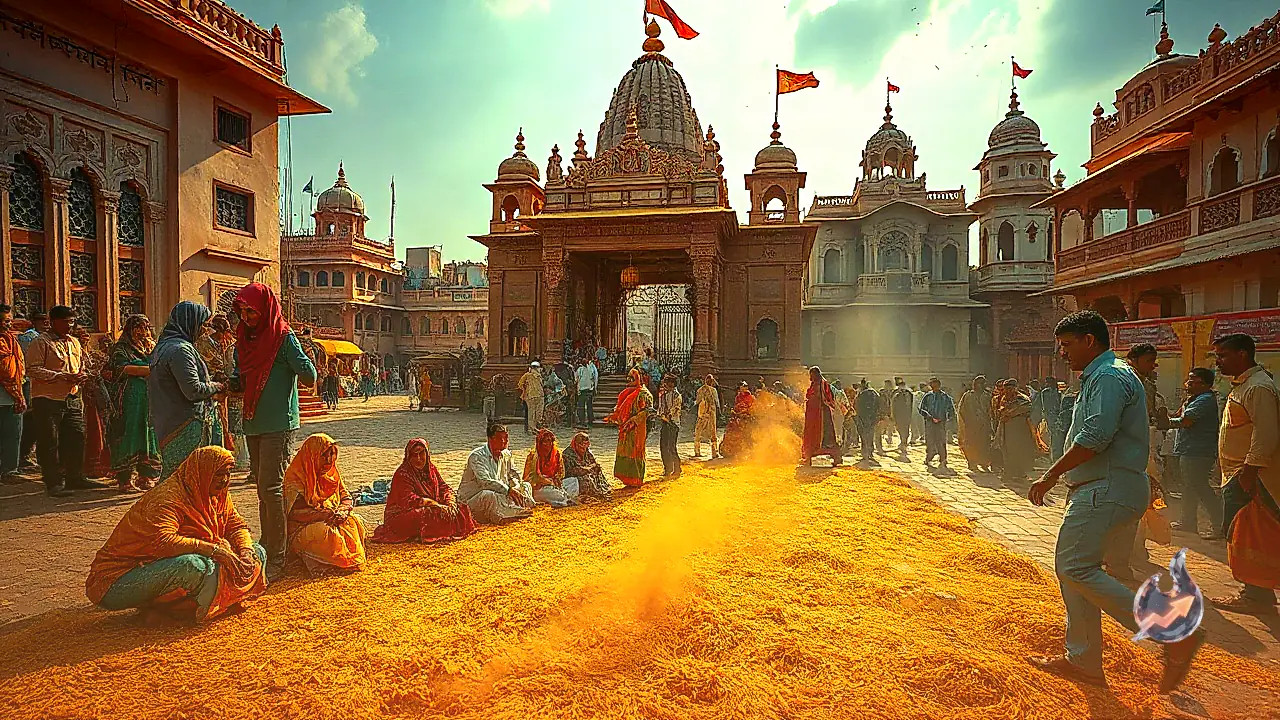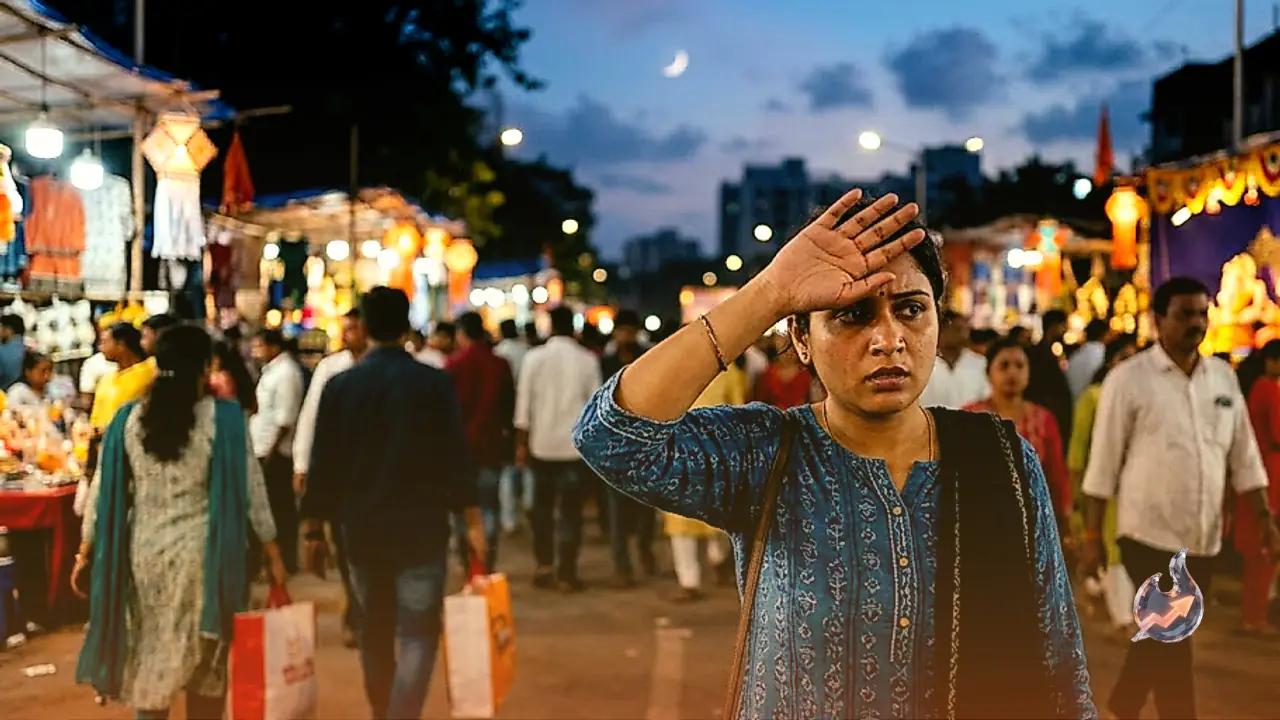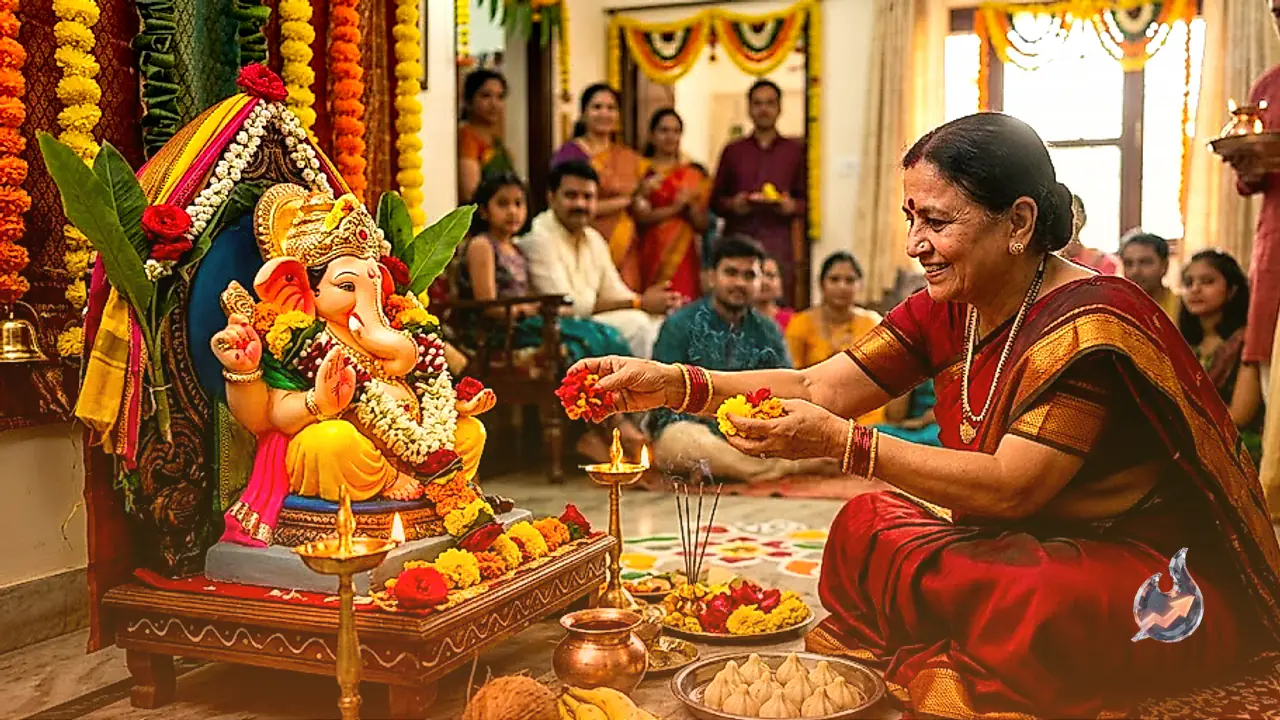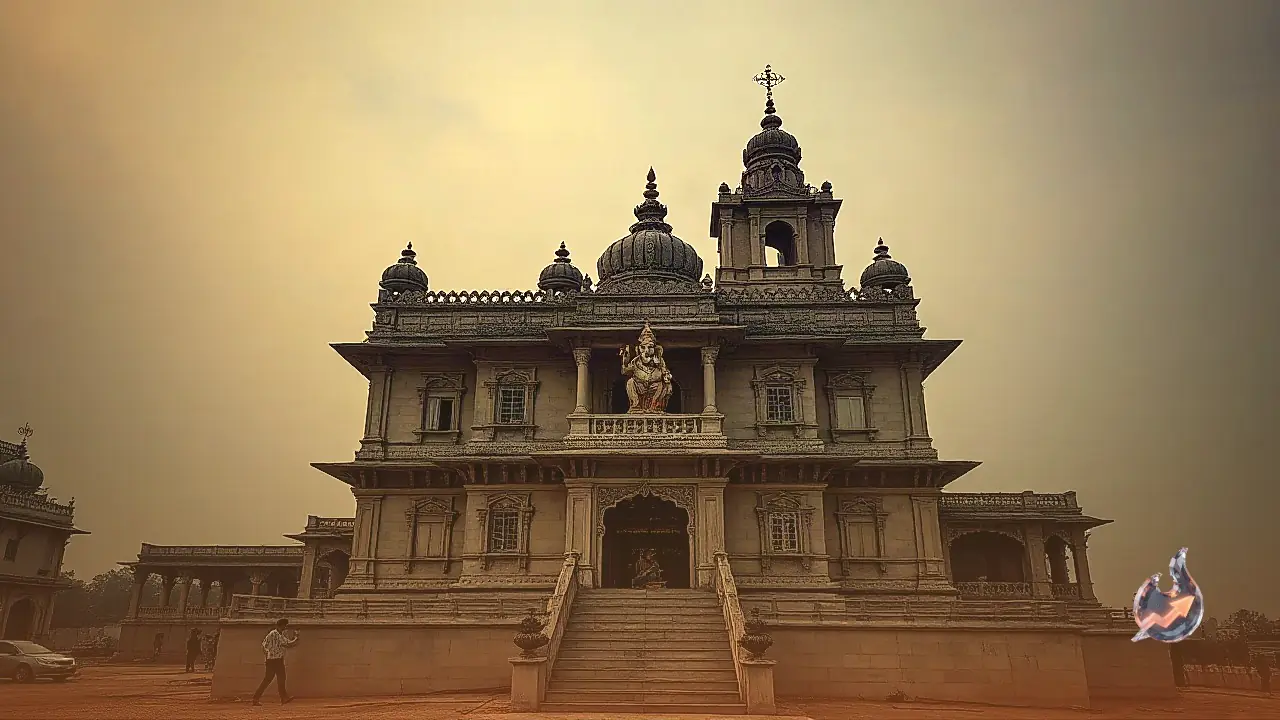





















In the Sanatan tradition, the four month period known as Chaturmas is regarded as the most important phase for self reflection, chanting, penance, and inner purification. Sacred to both Hinduism and Jainism, these four months are dedicated to deep worship, fasting, meditation, and acts of charity. According to the Hindu calendar, Chaturmas commences on Devshayani Ekadashi during the Shukla Paksha of Ashadh and draws to a close on Devuthani Ekadashi in the Shukla Paksha of Kartik. Throughout this spiritual window, devotees engage in rigorous rituals to elevate their spiritual awareness.
Historical Constraints and Monsoon Discipline
Ayodhya scholar Varun Das highlights that Chaturmas represents much more than a routine religious observance, serving as a framework for disciplined living. In ancient times, the onset of the heavy monsoon season caused major rivers to overflow. The absence of sturdy bridges and travel infrastructure made long distance journeys exceptionally hazardous and impractical for wanderers.
To address these environmental challenges, ancient seers established a rule requiring sanyasis and monks to suspend their travels and reside in a single location throughout the rainy season. Halting movement allowed mendicants to focus entirely on meditation and spiritual practice without facing the perils of monsoon travel.
Divine Slumber and the Calendar of Sacred Festivals
According to religious beliefs, Lord Vishnu enters a period of cosmic sleep known as Yognidra on Devshayani Ekadashi and awakens four months later on Devuthani Ekadashi. This interval coincides with a dense schedule of major religious festivals and observances across the Hindu tradition.
The sacred period encompasses the month of Shravan along with its traditional Sawan Somwar fasts, Jhulanotsav, Nag Panchami, Shri Krishna Janmashtami, Ganesh Chaturthi, Anant Chaturdashi, Pitru Paksha, Shardiya Navratri, and specialized spiritual practices during the month of Kartik. The concentration of these holy occasions keeps the devotional atmosphere vibrant throughout the four months.
References in Ramcharitmanas and Monastic Customs
Varun Das notes that Lord Shri Ram himself observed the custom of remaining stationary during the rainy season. Goswami Tulsidas documented this episode in the Kishkindha Kand of the epic Ramcharitmanas. In his depiction of the monsoon, Tulsidas explained that torrential rains render journeys unsafe, making it wise to postpone travel until the arrival of autumn, known as Sharad Ritu.
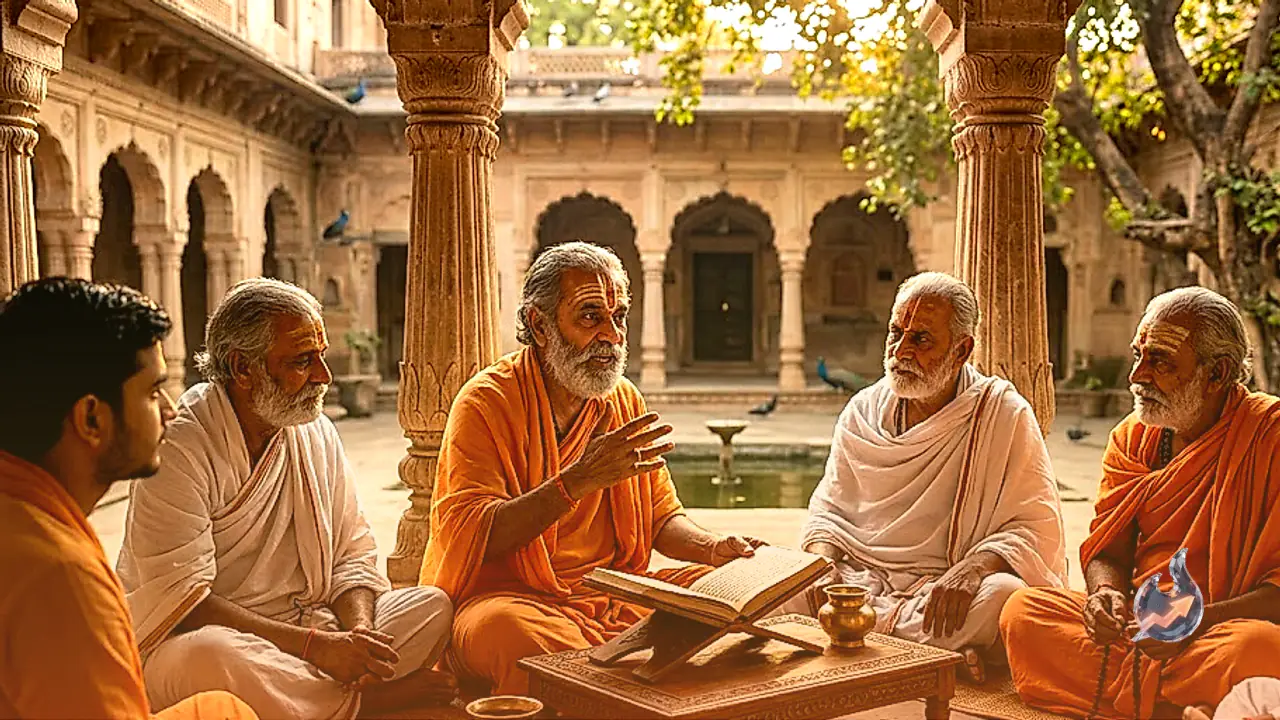
Following this tradition, Dandi sanyasis and numerous revered saints cease their travels during Chaturmas. Staying in one place, they devote their time to mantra recitation, penance, delivering spiritual discourses, and conducting sacred ceremonies. During this period, lay devotees also commit to consuming satvik food, leading a disciplined lifestyle, and rendering selfless service.
Multiplied Spiritual Merit and Inner Transformation
Scriptural tradition holds that spiritual endeavors undertaken during Chaturmas carry far greater merit than those performed during ordinary times. Chanting, austerity, charitable giving, fasting, and service during these four months are believed to yield manifold blessings. Consequently, Chaturmas remains the premier season in Sanatan culture for introspection, intense sadhana, and spiritual advancement.