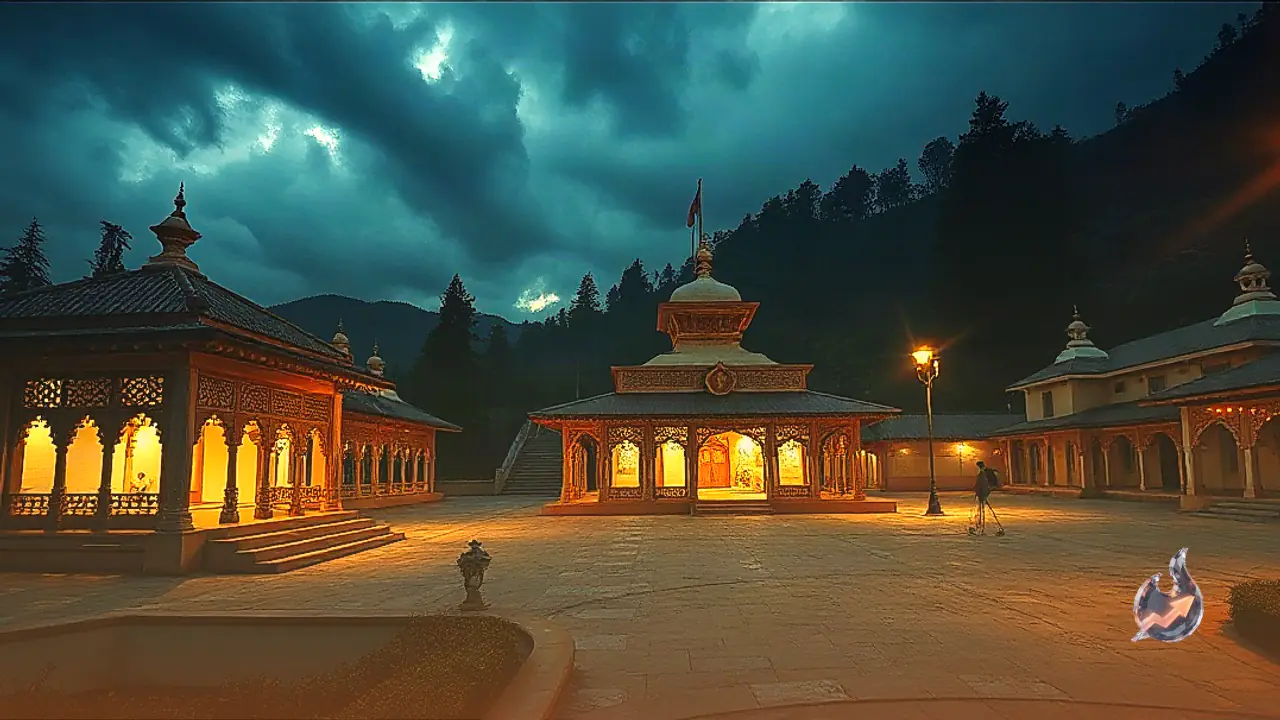




















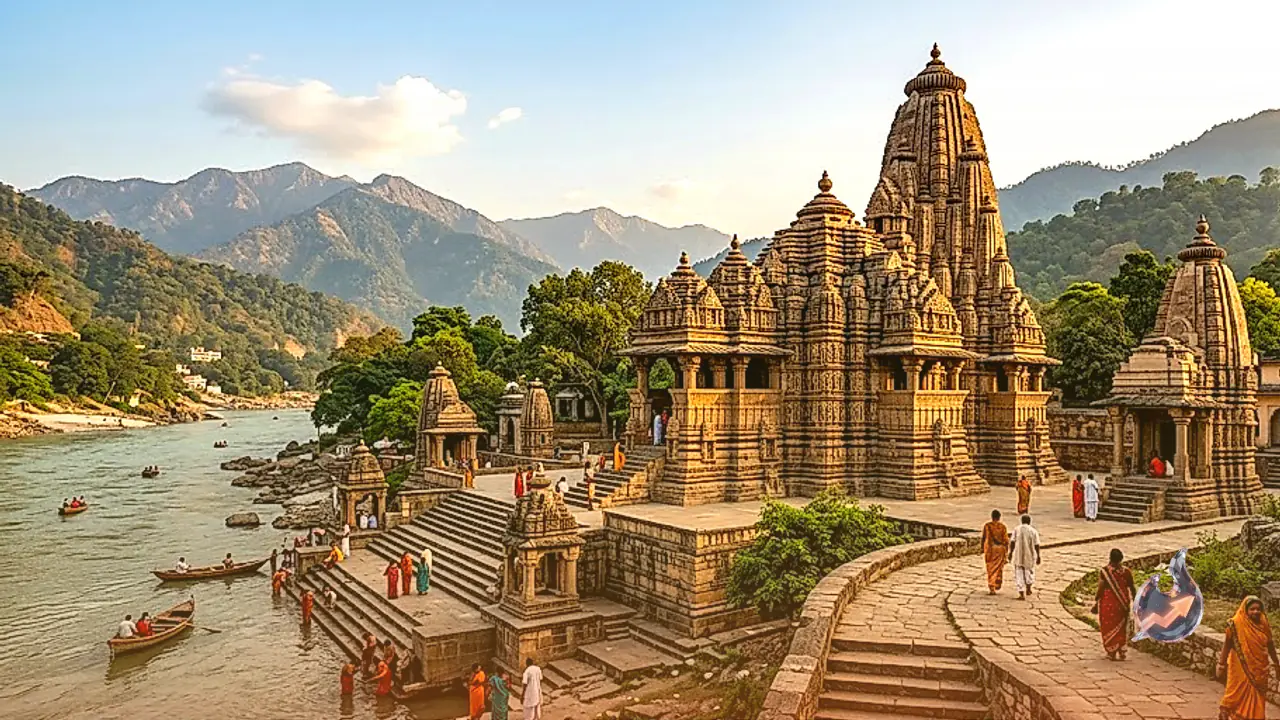

Nestled in the serene foothills of the Himalayas, Rishikesh is globally celebrated as the yoga capital of the world and the gateway to the sacred Char Dham pilgrimage. However, far beyond its modern identity as a hub for adventure sports and wellness retreats, this tranquil city along the banks of the River Ganga holds a deeply entrenched history connected directly to the Ramayana. The entire region has stood as a silent witness to several pivotal events of the Treta Yuga. Unbeknownst to many tourists, Lord Ram and his three brothers, Lakshman, Bharat, and Shatrughan, share a profound spiritual connection with this terrain. Four specific ancient temples scattered across the city continue to narrate tales of intense penance, divine visions, and absolute silence from that era.
The historical significance of Rishikesh is heavily documented in ancient Hindu scriptures, particularly the Skanda Purana. Serving as the traditional starting point for journeys to Badrinath, Kedarnath, Gangotri, and Yamunotri, its religious weight is immense. Yet, amidst all these broader religious associations, the specific locations tied to the four central figures of the Ramayana create a unique spiritual magnetism. When observed together, these four distinct temples demonstrate how the divine court of Ayodhya vibrantly manifested itself thousands of miles away in the Himalayan valleys. Let us deeply explore the fascinating myths and profound history surrounding these monumental spiritual landmarks.
The Mesmerising Reflection of Raghunath Temple in Mayakund
Situated in close proximity to the bustling Triveni Ghat, the Raghunath Temple stands as one of the most revered centres of faith in the region. Located directly opposite the Mayakund, this magnificent architectural structure boasts a highly unique characteristic, as its clear, undisturbed reflection can be seen floating beautifully on the calm waters of the kund. Pilgrims travelling from distant lands specifically pause here to witness and capture this mesmerising visual. According to local residents and deeply rooted ancient scriptures, this is the exact holy site where Lord Ram arrived following the demise of his father, King Dashrath of Ayodhya, to formally immerse his ashes in the flowing currents of the Ganga.
After completing the heavy and sorrowful rituals associated with the last rites, Lord Ram chose this specific spot to spiritually purify himself. It is widely believed that he stayed here for an extended period, offering deep prayers and worshipping Lord Vishnu, the preserver of the universe. Since that momentous event, the location has been considered highly awakened and constantly radiating with divine energy. Today, millions of devotees arrive at the temple doors annually to seek blessings and bow down to the soil that was once graced by Lord Ram. The temple architecture serves as a brilliant example of ancient Indian craftsmanship, with detailed carvings on the walls depicting various essential chapters of Lord Ram's life.
Bharat Temple and the Rewards of Raibhya Muni's Devotion
Located near the heart of the city at Triveni Ghat, the Bharat Temple is officially recognised as one of the oldest surviving structures in Rishikesh. Mythological accounts state that in ancient times, the great sage Raibhya Muni performed an incredibly arduous and prolonged penance in the dense forests of this area. Intensely pleased by his unwavering devotion and focus, Lord Vishnu finally appeared before the sage in a physical form. During this divine encounter, Vishnu granted the sage a special boon, declaring that in the future, this entire geographical region would be globally renowned as Hrishikesh, which directly translates to the Lord of the Senses.
Attached to this heavenly boon was another highly significant prophecy. Lord Vishnu informed Raibhya Muni that during the Treta Yuga, his younger brother, Lord Bharat, would travel to this sacred land and formally re-establish a grand temple here. As the wheels of time turned, this prophecy materialised perfectly when Lord Bharat actually visited the area and commissioned the reconstruction of a massive temple complex. Because of this monumental contribution, the shrine was respectfully named the Bharat Temple in his honour. Historians and archaeologists also note that the spiritual foundation of this temple was further solidified during the era of Adi Shankaracharya. Today, stepping inside its vast courtyard instantly dissolves the noise of the outside world, making it an integral piece of the city's living heritage.
The Serene Spiritual Ambiance of Lakshman Temple by the Ganga
Situated right next to the iconic Lakshman Jhula, which has become the modern identifying symbol of Rishikesh, lies another extraordinarily important religious site known as the Lakshman Temple. This is the precise location where Lord Ram’s most devoted brother, Lakshman, spent a significant portion of his life engaged in deep, uninterrupted spiritual practice. Built right on the edge of the flowing waters of the holy Ganga, the environment of this temple is so profoundly quiet and meditative that visitors instantly experience a strange, overwhelming sense of mental peace the moment they step onto the premises.
According to centuries-old religious beliefs, Lakshman's unyielding and severe penance deeply moved the presiding deity of destruction and meditation. Lord Shiva himself appeared on this very ghat to bless Lakshman with his divine vision and unfailing boons. Following this direct manifestation of Shiva, the entire area seamlessly transformed into an ultimate pilgrimage destination for followers of both Lord Shiva and Lord Ram. Local legend also says that the exact spot where the modern suspension bridge stands today is where Lakshman originally built a temporary bridge out of strong jute ropes to safely cross the powerful river. Even today, tourists who come to walk across the bridge never forget to climb the stairs of this ancient temple for a moment of quiet prayer.
Muni Ki Reti and the Deep Secret of Shatrughan's Silent Penance
Beyond these three prominent landmarks, the Muni Ki Reti area of Rishikesh houses the Shatrughan Temple, a highly significant religious site that remains relatively lesser-known among general tourists. Situated right next to the temple is a beautifully maintained bathing ghat officially recognised as Shatrughan Ghat. This specific stretch of the riverbank is famous across the state for its boundless tranquillity. Being situated away from the dense crowds and commercial noise of the main city, individuals who travel to Rishikesh in search of genuine meditation and solitude often spend hours at this ghat, benefiting from the unmatched mental peace it generously offers.
The naming of this entire locality carries a fascinating and deeply historical narrative. It is widely believed that Lord Ram’s youngest brother, Shatrughan, sat on these sandy banks and took a strict vow of absolute silence. Without uttering a single word, focusing entirely on his inner consciousness, he performed severe penance for years. Because of this prolonged vow of silence, the local inhabitants initially began referring to the entire area simply as Maun, meaning silence. Gradually, as the cycles of time passed and languages evolved, the location became globally famous as Muni Ki Reti, translating to the Sand of the Sage. In a modern era where extreme noise and stress are permanent fixtures of human life, the silent message of Shatrughan Temple becomes incredibly relevant. When devotees bow their heads in the sanctum today, they actively honour the immense power of that silent meditation which ultimately gave an entire city its enduring name.