
















Bhai Dooj stands as one of the most cherished festivals in Hindu tradition, celebrating the enduring bond of protection, love, and goodwill between brothers and sisters. Observed annually on the Dwitiya Tithi of the Shukla Paksha in the month of Kartik, the festival marks the formal conclusion of the grand five-day Diwali celebrations. On this day, sisters apply a sacred tilak on their brothers' foreheads and pray for their long, prosperous lives, while brothers reiterate their commitment to protect and support their sisters throughout their lives. According to ancient lore, taking a holy bath in the river Yamuna on this specific day holds immense spiritual merit, with believers holding that siblings who bathe together in the river cleanse away their past sins.
Bhai Dooj 2026 Date and Auspicious Muhurat
The festival of Bhai Dooj will be celebrated on November 11, 2026. Astrological calculations show that the Kartik Shukla Dwitiya Tithi officially begins at 02:00 PM on November 10, 2026, and remains active until 03:53 PM on November 11, 2026. Following traditional sunrise rules and afternoon ceremonial conventions, the festival activities will take place on November 11. The most propitious period for conducting the sacred tilak ritual and offering prayers is scheduled from 01:10 PM to 03:20 PM on November 11, providing families with a favorable two-hour and ten-minute window to complete the ceremonies.
Complete Checklist of Essential Puja Items
To perform the rituals with reverence and precision, families should organize the ceremonial items well in advance. The preparation requires a clean puja plate arranged with a traditional oil or ghee lamp, akshat, fresh flowers, whole seasonal fruits, quality sweets, pure desi ghee, turmeric, kumkum, a whole dry coconut shell, and pure water for cleansing and prayers. Assembling these sacred ingredients beforehand ensures that the spiritual proceedings flow without disruption.
Comprehensive Step-by-Step Ritual Guidelines
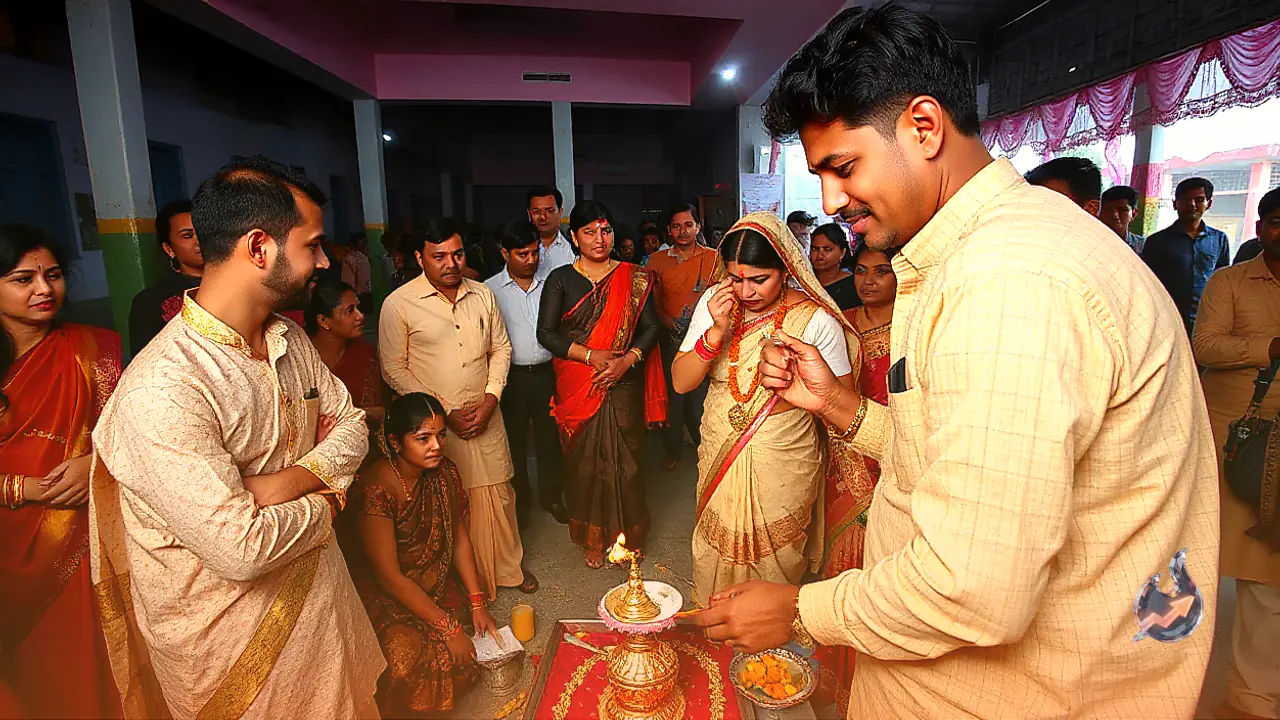
Observing the festival begins early in the morning, when both siblings rise before sunrise, apply traditional herbal pastes and oil, and take a cleansing bath. After putting on fresh, clean attire, they should offer comprehensive prayers to family deities. Following the morning prayers, sisters prepare the ceremonial plate containing turmeric, kumkum, akshat, and a lit diya, placing it first at the altar to receive divine blessings before bringing it to the ceremony.
The brother should then sit on an elevated wooden plank, keeping his head respectfully covered with a clean handkerchief or cloth. The sister applies a sacred tilak using kumkum, turmeric, and whole grains of rice to his forehead, followed by tying a sanctified protective thread around his wrist. In homes where custom dictates gifting a dried coconut, it is presented to the brother immediately after tying the thread; families without this custom may bypass the step.
Next, the sister performs an aarti for her brother, rotating the lit lamp before him to ward off negative influences, and offers sweets to sweeten his palate. The brother then honors his sister by presenting gifts or monetary tokens as an expression of love and gratitude. To seal the bond, brothers and sisters partake in a celebratory meal together. Tradition specifically highlights that if a sister is married, the brother should make a point to travel to her residence to observe these auspicious rituals.