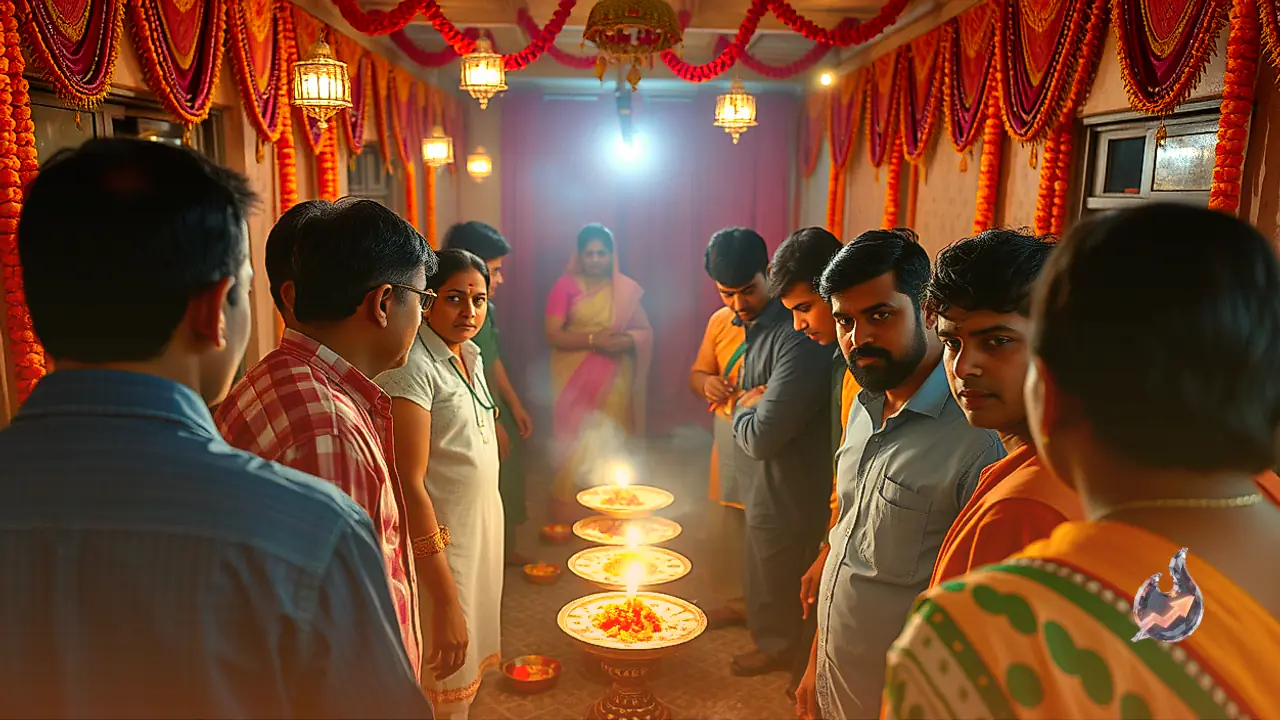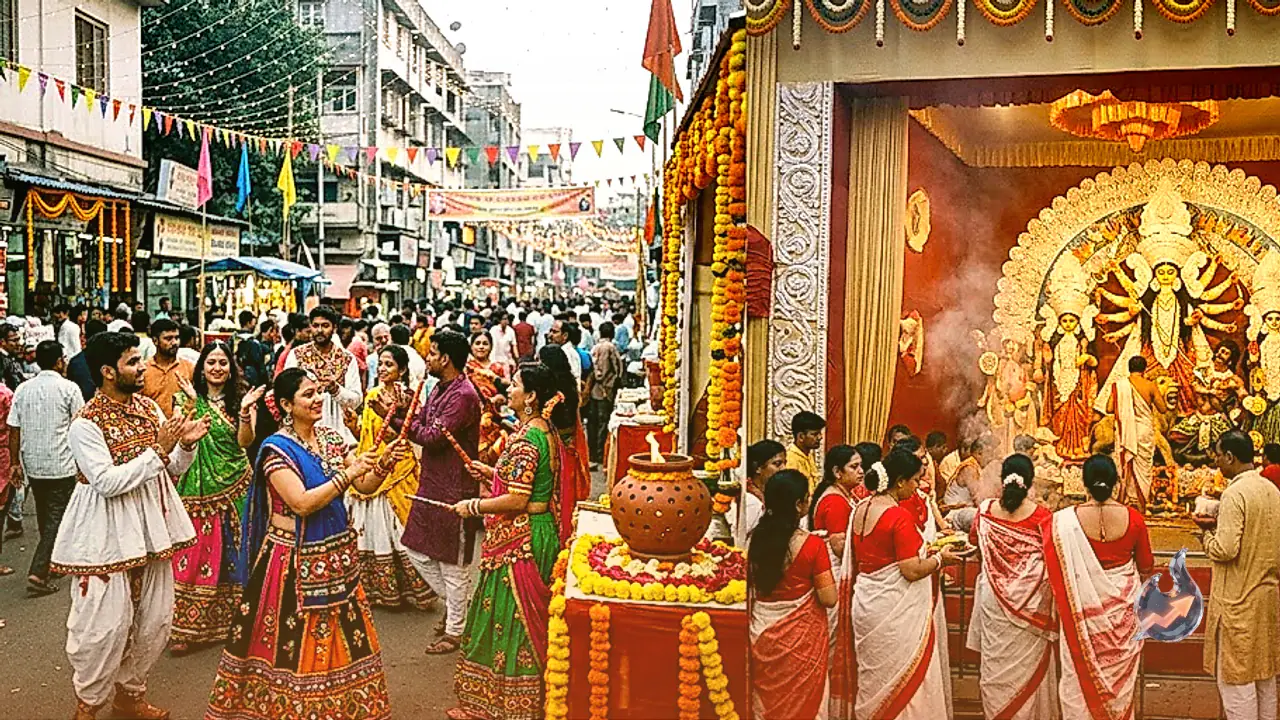

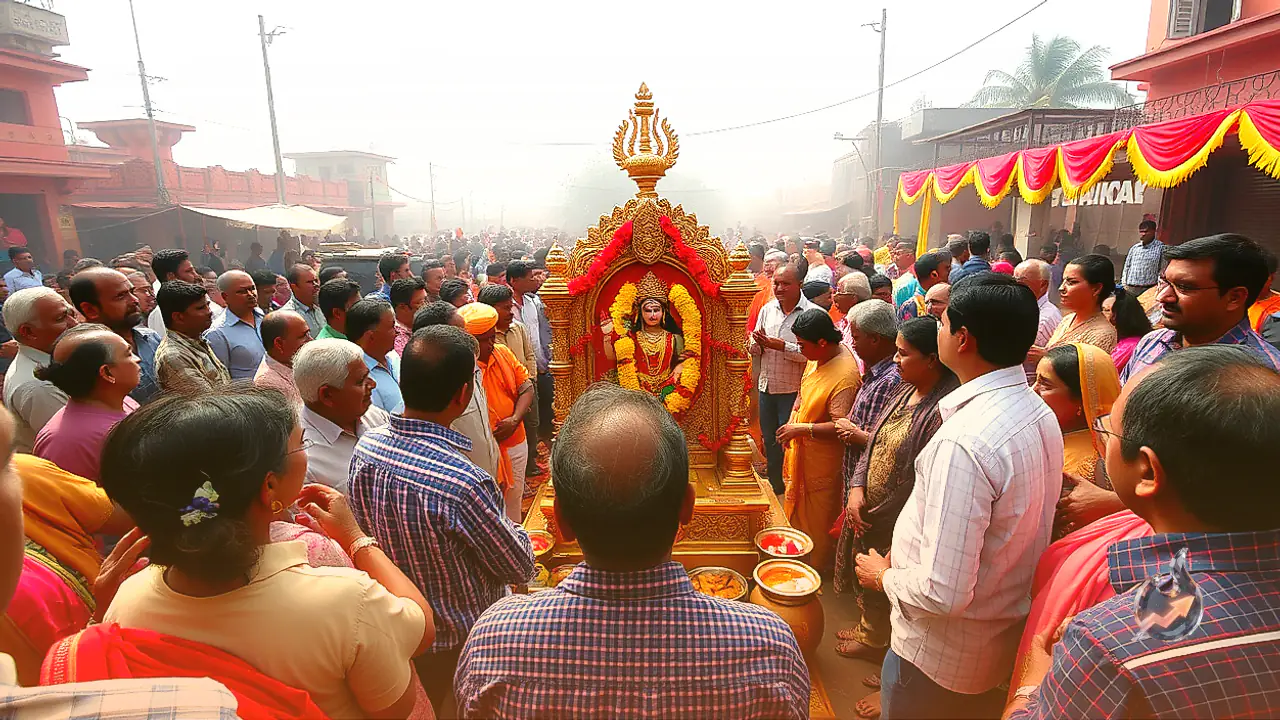
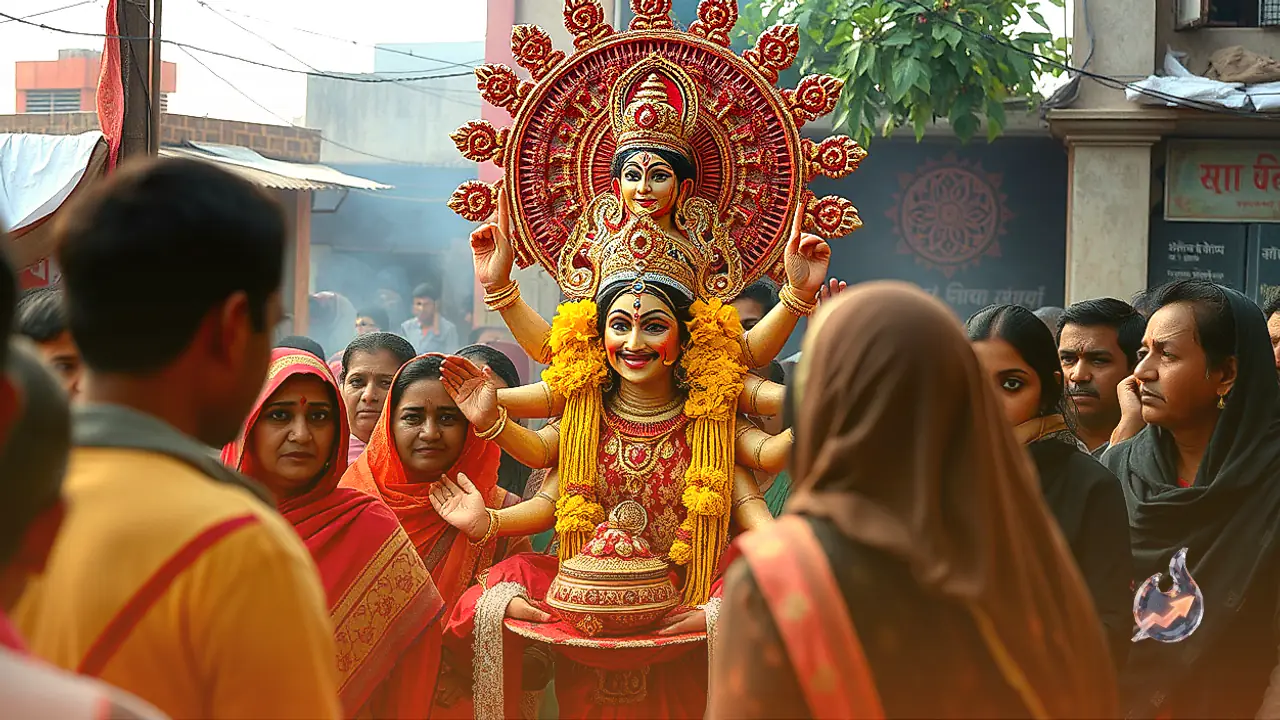















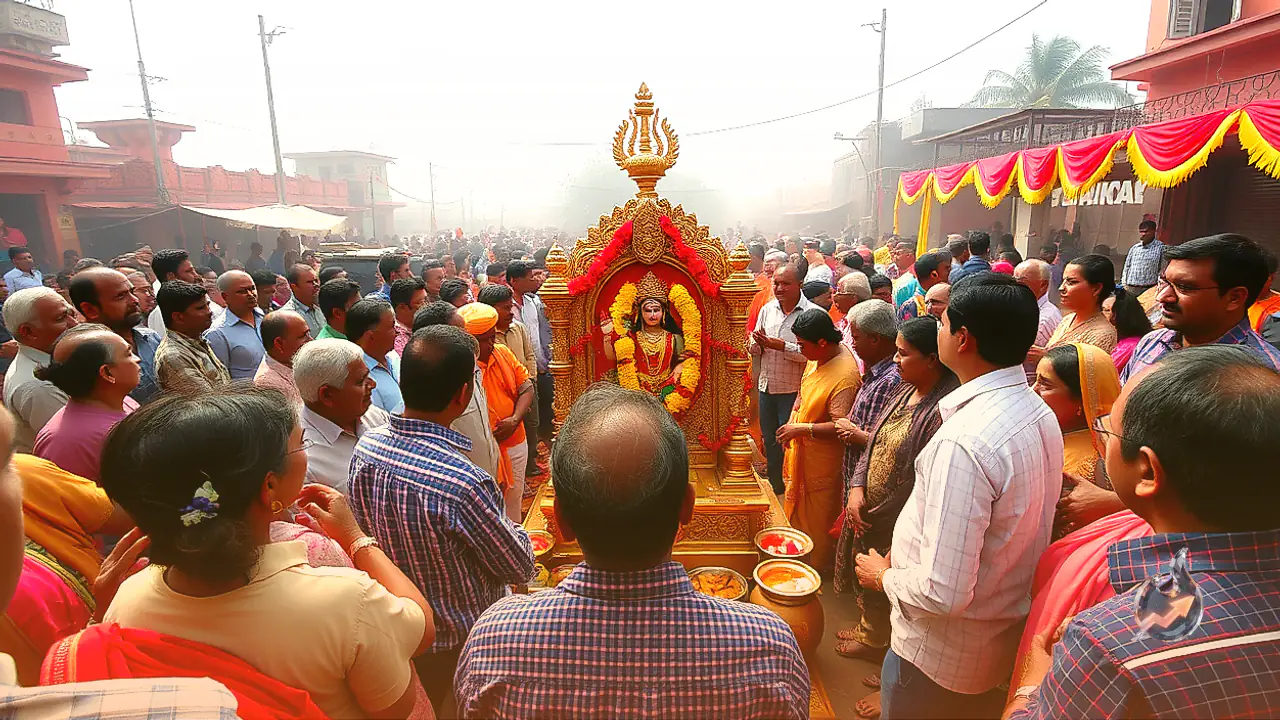

With the onset of the autumn season in the month of Ashwin, the auspicious nine-day festival of Shardiya Navratri begins. According to the traditional Hindu calendar, Navratri occurs four times every year across the months of Paush, Chaitra, Ashadha, and Ashwin. Among these four observances, the celebrations in Chaitra and Ashwin are celebrated prominently as public Navratri festivals, while those falling in Paush and Ashadha are observed as Gupt Navratri. The Ashwin festival derives its name, Shardiya Navratri, from the arrival of Sharad Ritu. In 2026, the nine-day spiritual celebration begins on Sunday, October 11, dedicated to worshipping the nine distinct divine manifestations of Maa Durga. The festivities run through October 19, followed by Vijayadashami and the ritual conclusion of Navratri fasting on October 20.
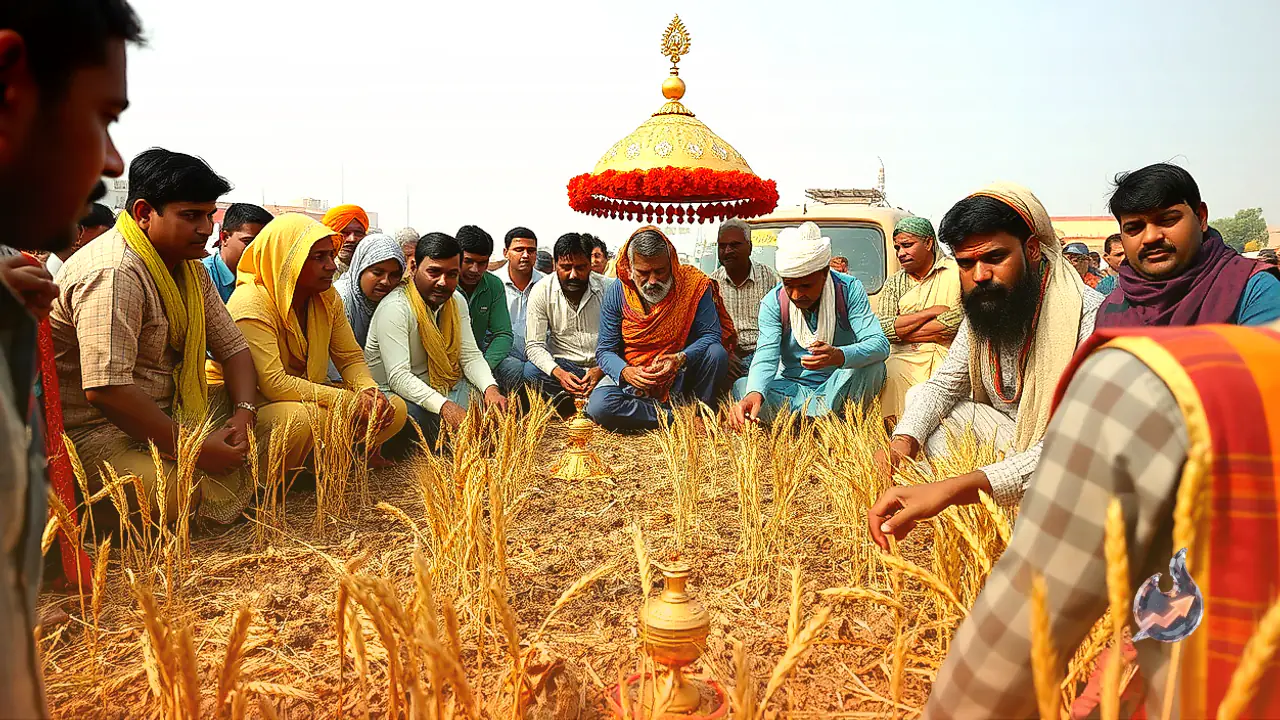
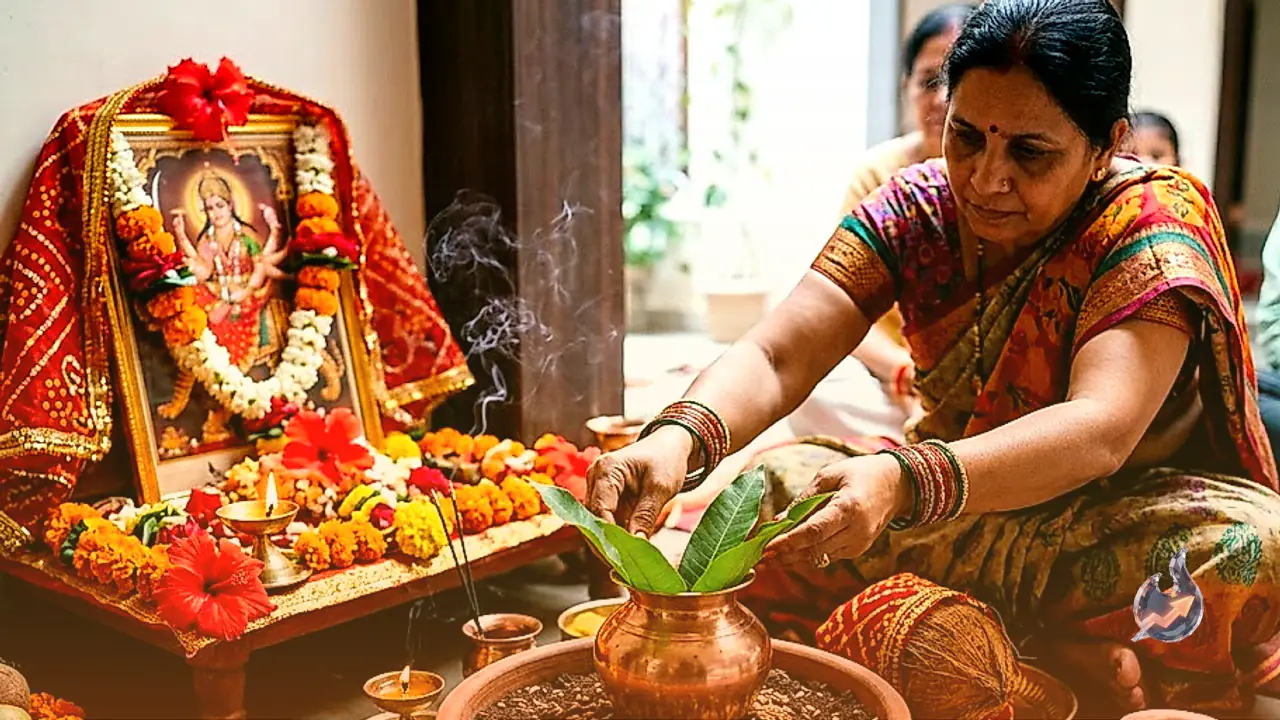
The opening day holds immense ceremonial importance as families and communities perform Kalash Sthapana and sow barley seeds according to long-standing traditions. On this first day, devotees worship Maa Shailputri, the first manifestation of the goddess. Sacred lore explains that she is named Shailputri because she took birth as the daughter of the king of the mountains, Himalaya.
Auspicious Direction and Muhurat for Ghatasthapana
Directional placement plays a central part in setting up the ceremonial altar. In accordance with traditional principles and sacred architectural conventions, the northeast direction, commonly referred to as the Ishan corner, is considered the divine abode of deities. Consequently, setting up the sacred pot in the northeast orientation is regarded as exceptionally auspicious and beneficial.
For Shardiya Navratri in 2026, specific time frames have been designated for performing Ghatasthapana. The general morning Ghatasthapana muhurat begins at 06:31 AM and extends until 10:27 AM. For worshippers unable to complete the rituals during early morning hours, an alternative window is available through the Ghatasthapana Abhijit muhurat, which runs from 12:01 PM to 12:49 PM. Conducting the sacred pot installation in either of these periods is considered spiritually propitious.
Divine Attributes and Significance of Maa Shailputri
Traditional descriptions depict Maa Shailputri as a graceful and captivating divine presence. She rides a bull and carries a trident in her right hand while holding a pristine lotus flower in her left hand. According to astrological beliefs, offering sincere prayers to Maa Shailputri neutralizes the unfavourable planetary influences of the Moon in a person's astrological chart.
Devoting prayers to the goddess on the first day is believed to bestow prosperity, wealth, fortune, and robust health. Believers also hold that individuals facing obstacles, delays, or complexities in marriage should offer dedicated worship to Maa Shailputri, as her grace is said to remove relationship impediments and confer long-lasting wellbeing.
Chanting Mantras and the Importance of Durga Saptashati
To invoke the grace of Maa Shailputri, devotees chant her sacred seed mantra. The designated chant for the day is 'Om Aim Hreem Kleem Shailputryai Namah'. Seekers can recite this sacred invocation according to their personal choice of count and devotion.
In addition to specific daily chants, reciting the Durga Saptashati scripture throughout the nine days of Navratri is considered profoundly rewarding. Tradition holds that anyone who recites the Durga Saptashati finds relief from worries, obstacles, fear, and hostility, while gaining access to worldly comforts, happiness, and peace of mind.
Step-by-Step Puja Rituals and Sacred Offerings
To begin the worship of Maa Shailputri, devotees wake up early before sunrise, take a purificatory bath, and put on fresh, clean clothes. The home altar and designated worship space should be thoroughly cleaned and purified by sprinkling holy Ganga water.
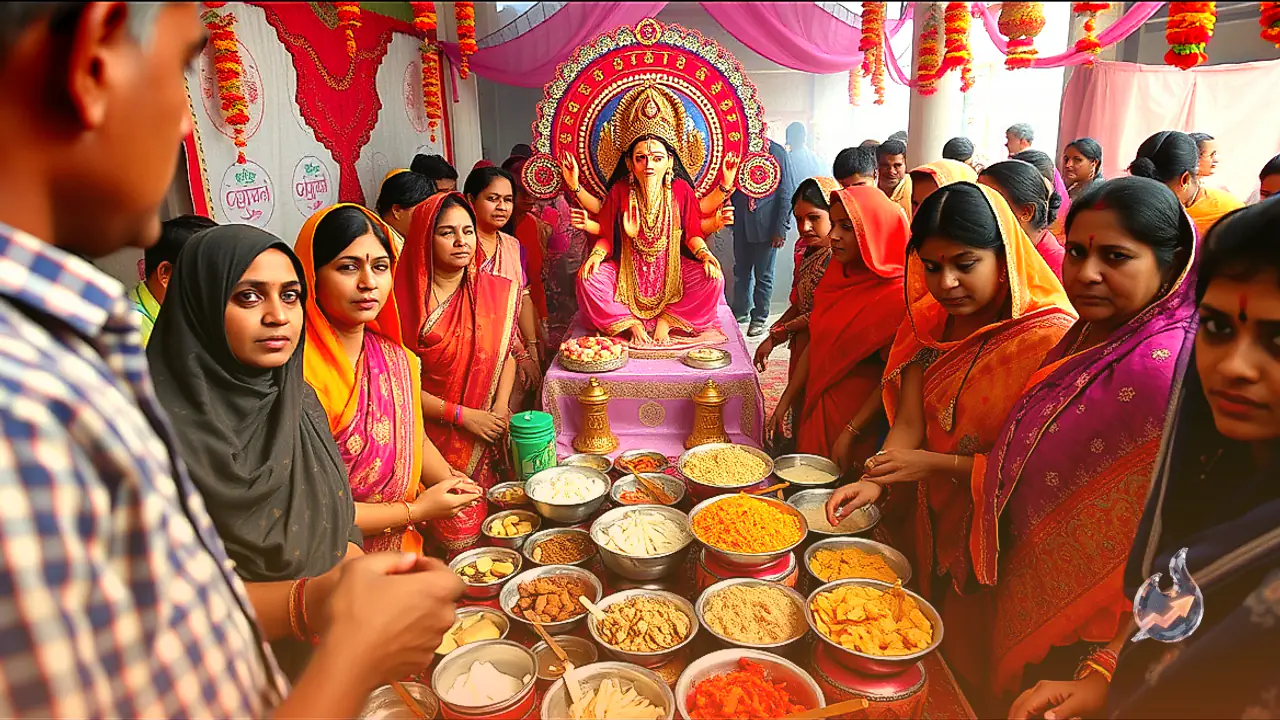
A wooden stool should then be arranged and draped with a fresh red cloth. The idol or framed image of Maa Durga is reverently placed upon it. Focusing heart and mind on Maa Shailputri, devotees present incense, oil or ghee lamps, vermilion, unbroken rice grains, fresh white flowers, and fruits. Since white items are dear to this form of the goddess, offerings of pure white barfi or sweets prepared from pure milk are presented as naivedya.
Following the presentation of offerings, devotees recite chapters from the Durga Saptashati and chant the core mantras dedicated to the goddess. The ceremonial ritual concludes with an earnest aarti of Maa Ambe, after which the sanctified sweets and fruits are distributed among family members and loved ones.