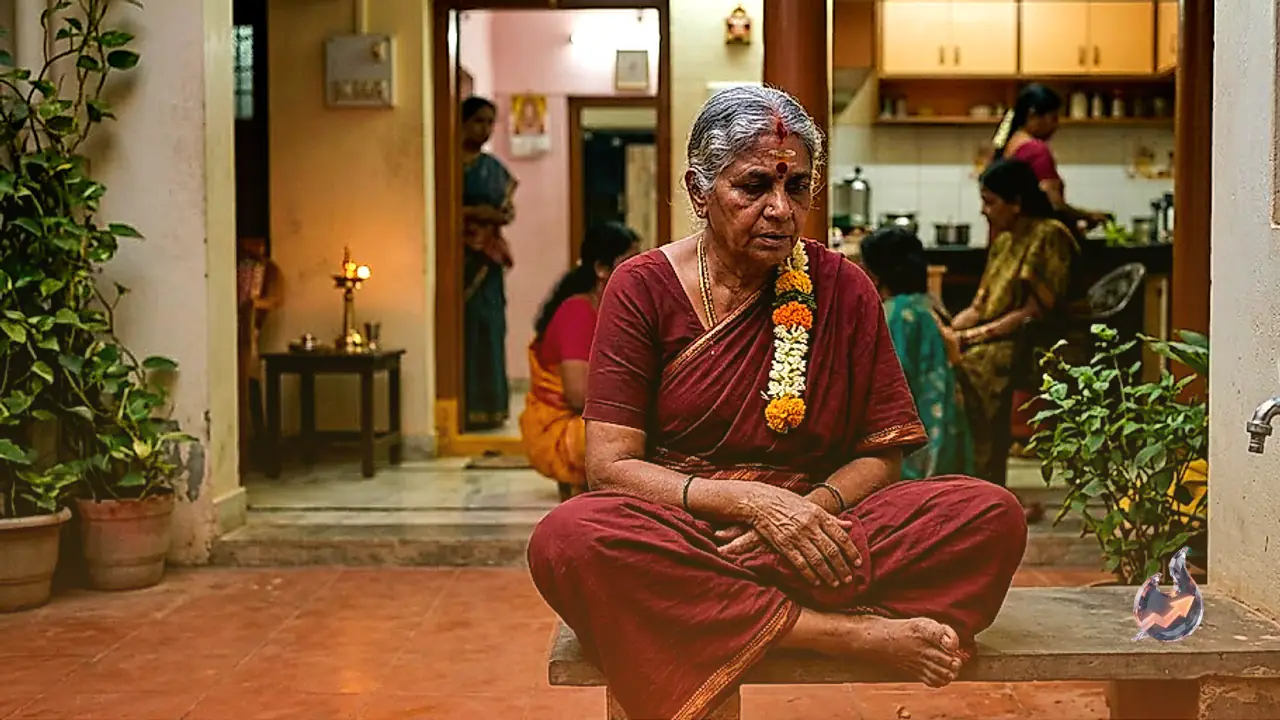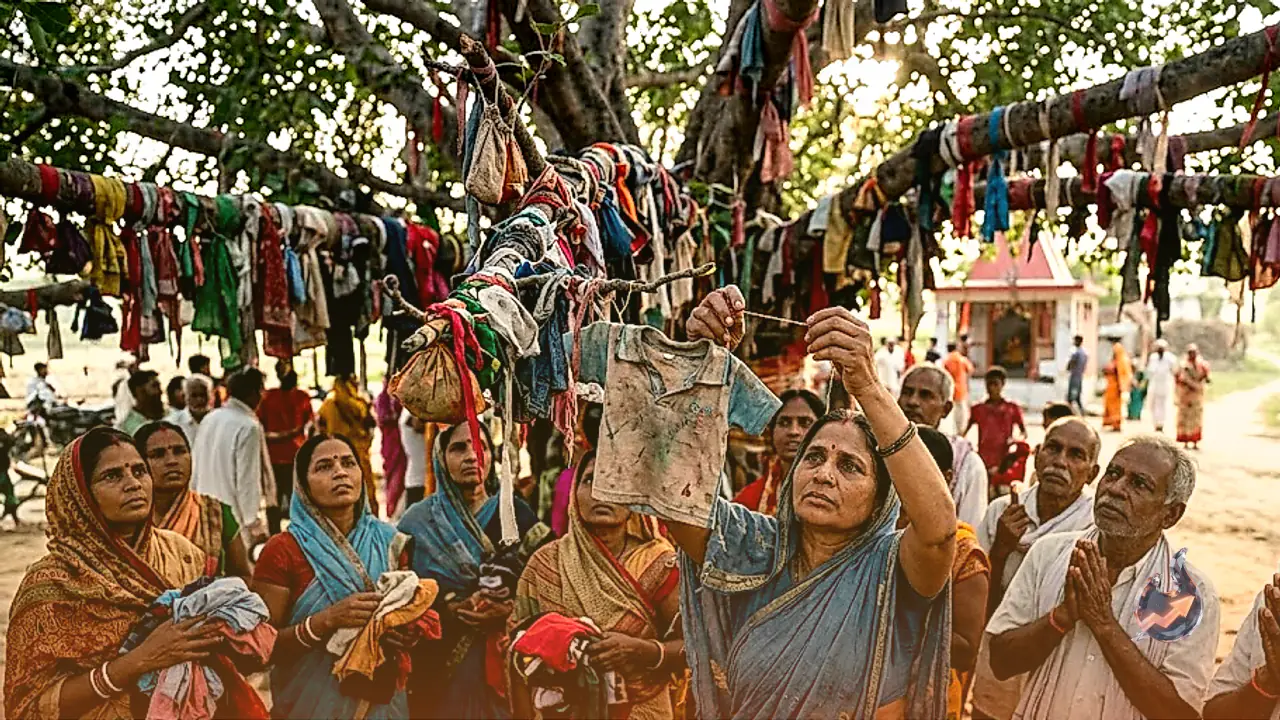
















Pitru Paksha is universally observed as an auspicious period dedicated to honouring departed ancestors through sacred oblations. The ritual period begins each year on the Pratipada tithi of the Krishna Paksha in the month of Ashwin and concludes on Sarva Pitru Amavasya, the new moon day of the same lunar fortnight. Under normal circumstances, descendants conduct these ceremonies to bring peace to the souls of their deceased relatives. In Bihar's sacred pilgrimage town of Gaya, however, an entirely distinct tradition exists where individuals perform these death-related rituals for themselves while still alive. This custom dates back thousands of years and continues to be practiced with immense spiritual devotion.
The Sacred Abode of Janardan on Bhasmakoot Hill
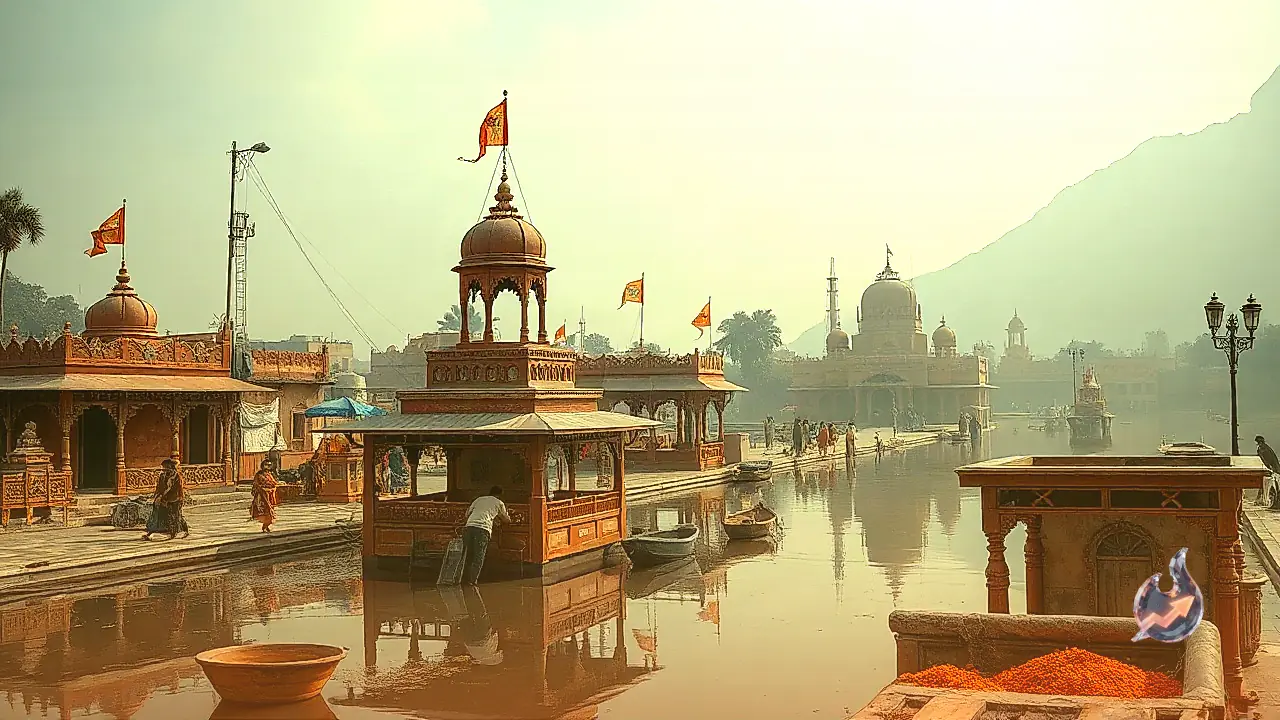
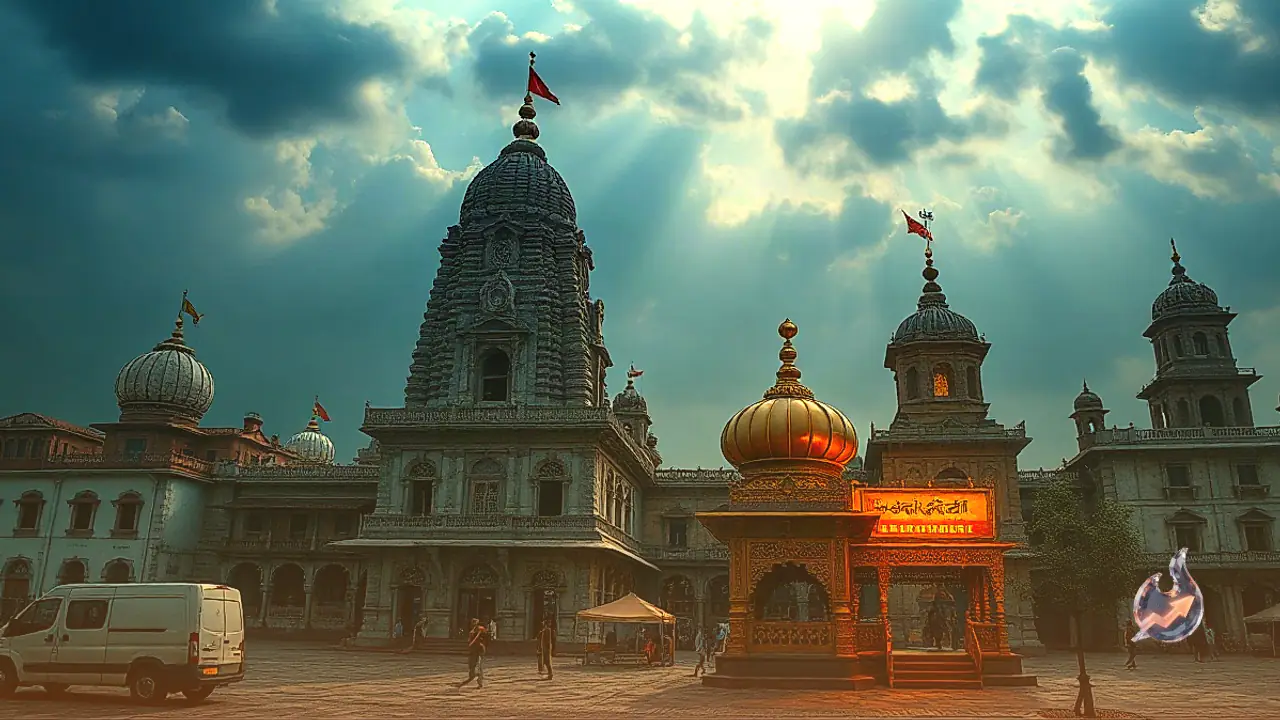
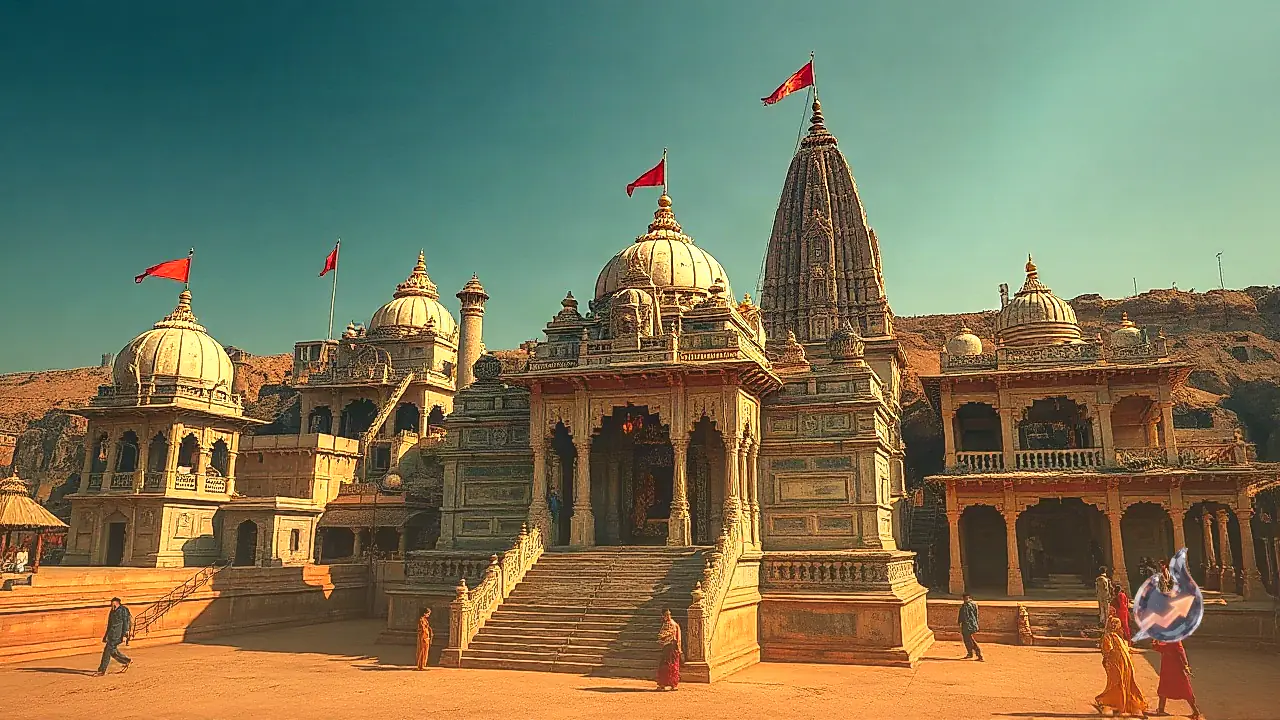
This unique shrine, known as the Janardan Temple, sits on the historic Bhasmakoot hill in Gaya, situated just to the north of the revered Maa Mangla Gauri temple. Inside the sanctum sanctorum, Lord Vishnu is worshipped in his divine Janardan form. While Gaya is renowned worldwide for possessing approximately 54 pindvedis and 53 sacred pilgrimage points dedicated to ancestor worship, the vedi at Janardan Temple holds a solitary distinction. It is the only altar across the globe where a living human being can legally execute their own funeral rites, known as Aatma Shraddh. During the fortnight of Pitru Paksha, large gatherings of devotees travel here specifically to engage in this rare rite.
Reasons Behind Performing Funeral Rites During One's Lifetime
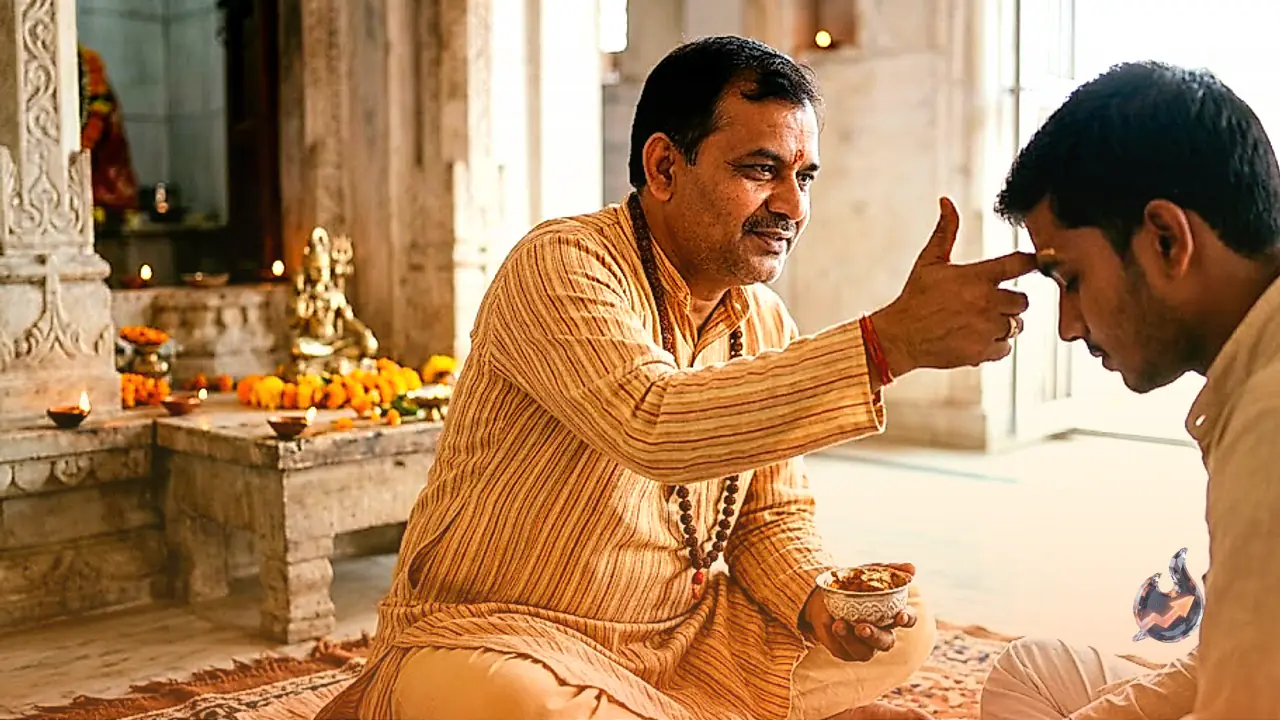
The primary motive behind this self-offering lies in addressing practical and spiritual dilemmas concerning life after death. Individuals who do not have children, or who lack any surviving family members capable of carrying out their last rites, visit this shrine to perform their own Pind Daan before death arrives. Similarly, those who willingly choose the path of asceticism, renouncing worldly attachments and family life to take sanyas, arrive at the temple to complete this solemn obligation.
According to traditional Hindu beliefs, failure to receive proper Pind Daan and water offerings leaves the departing soul wandering without spiritual peace. At Janardan Temple, tradition holds that Lord Vishnu personally receives the offered pind directly from the devotee. Completing this ritual while alive absolves one's relatives of any mandatory post-death ceremonial obligations. It is also believed to neutralize ancestral afflictions known as Pitru Dosha, ensuring that after the physical body expires, the soul is spared hardships in Yamaloka or other nether realms and is granted final liberation.
The Sacred Three-Day Process and Absence of Sesame Seeds
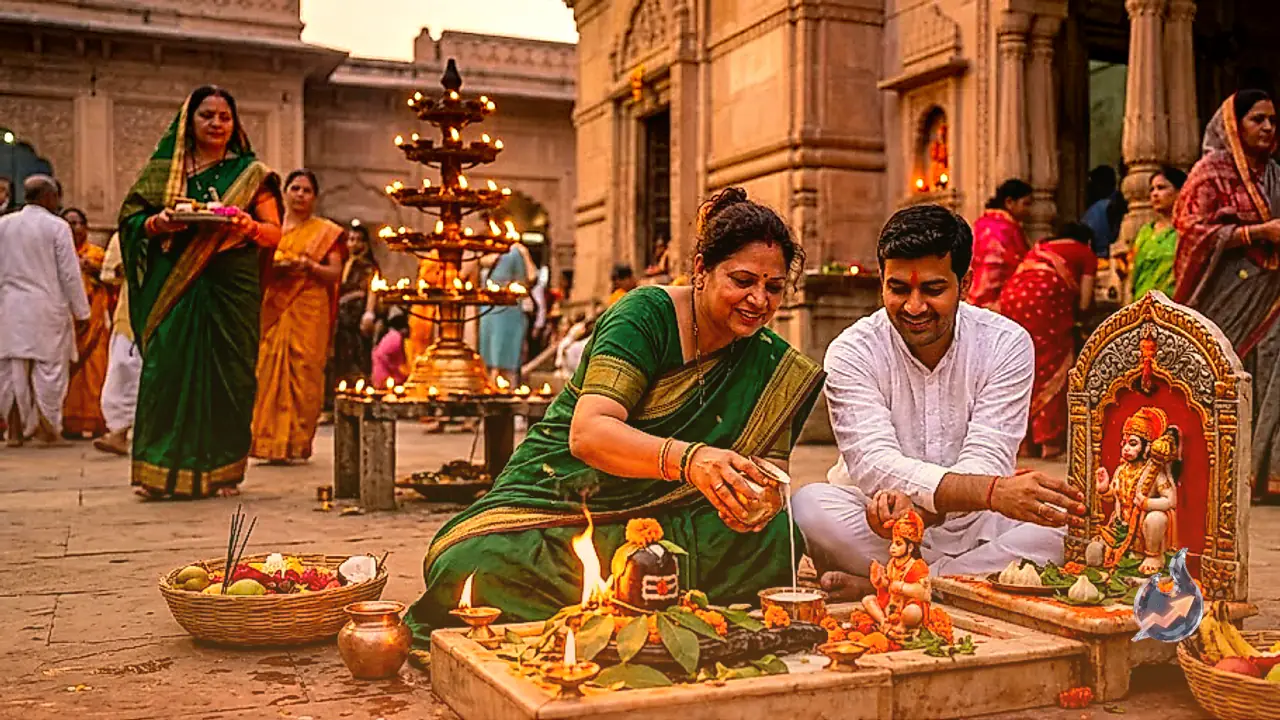
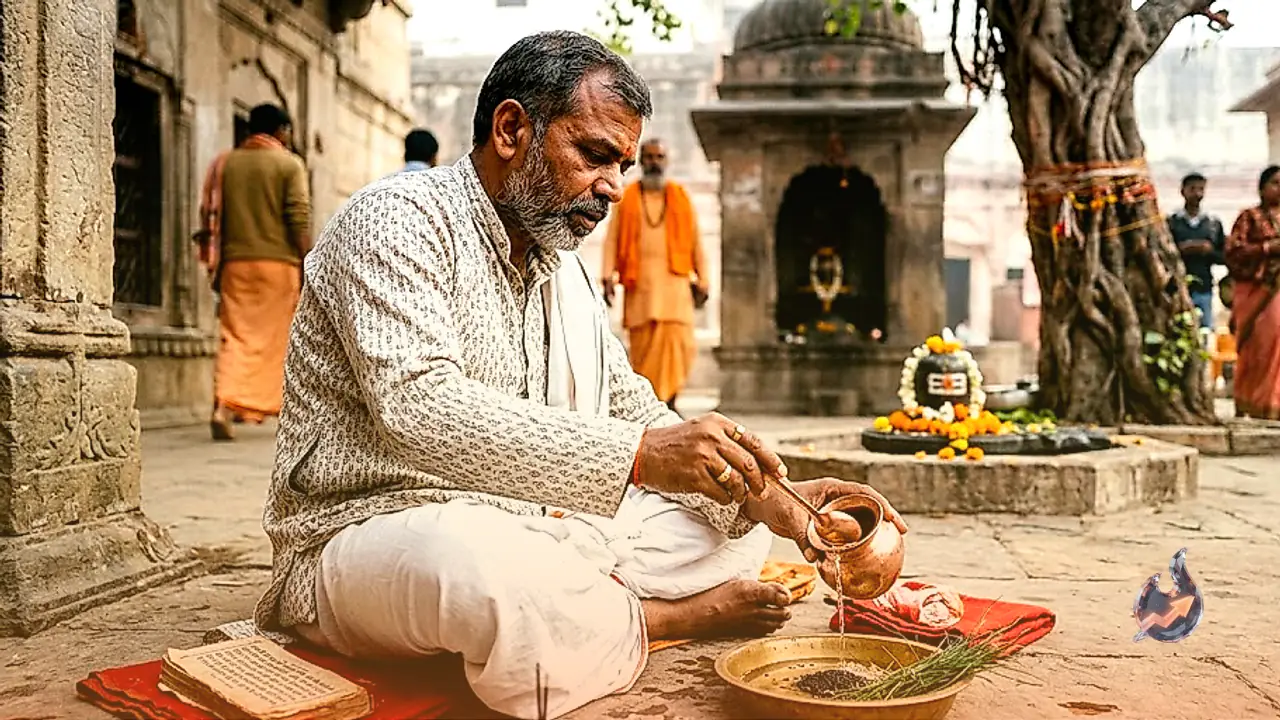
The entire liturgy of Aatma Shraddh spans a rigorous three-day sequence. Upon arriving at the holy grounds of Gaya, the individual begins by taking a formal vow for Vaishnava siddhi, followed by rites seeking atonement for past transgressions and sins. The process moves forward with elaborate Vedic prayers, regulated rituals, and continuous chanting directly before the deity Lord Janardan Swami.
As part of the climactic offering, three pinds prepared exclusively from curd and cooked rice are presented to the deity. A defining distinction of this rite is the complete exclusion of sesame seeds. While sesame is an indispensable element in traditional shraddh rites conducted for deceased souls, its inclusion is strictly prohibited during the self-shraddh of a living person. As the rice and curd portions are placed before the altar, the worshipper recites a personal prayer asking the Almighty to accept the offering while they still dwell in physical form, seeking the grace of supreme liberation and eternal salvation whenever their soul ultimately vacates the mortal body.