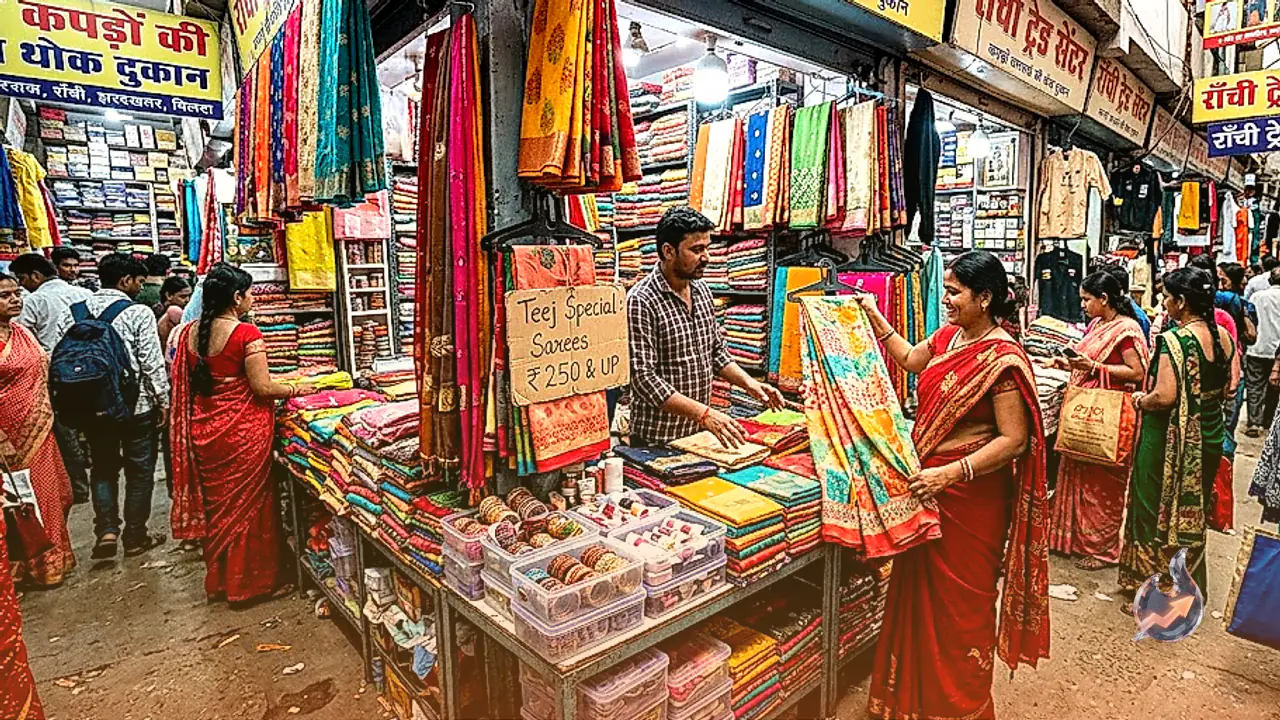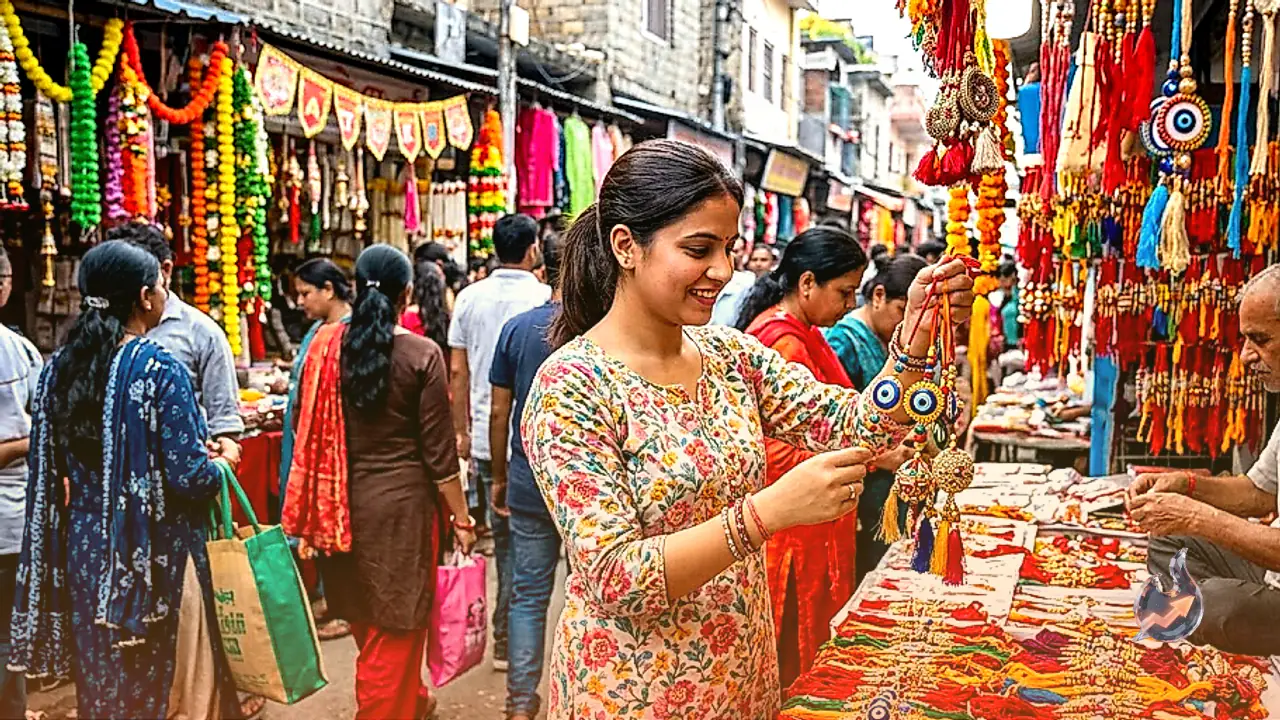























The auspicious festival of Raksha Bandhan will be celebrated on August 28, 2026, marking a traditional occasion where sisters tie sacred threads on their brothers' wrists and brothers pledge lifelong protection. For individuals without a biological brother or sister, questions often arise about how to participate meaningfully in these celebrations. Culturally and spiritually, Raksha Bandhan extends beyond blood ties to honor any relationship that offers protection, care, and goodwill. Having no immediate siblings does not prevent anyone from observing this sacred day, as several traditional customs and inclusive approaches allow everyone to join in the spirit of the festival.
Tying a Rakhi to Lord Krishna
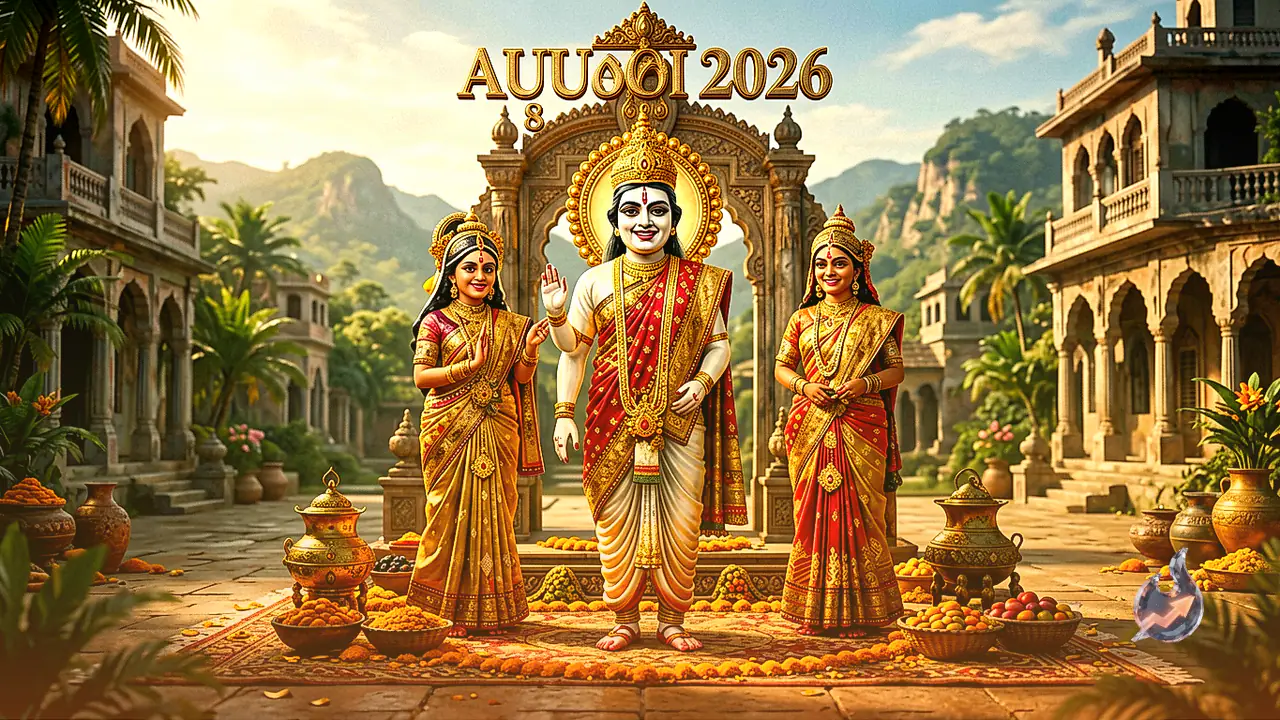
According to traditional lore and ancient scriptures, the origins of Raksha Bandhan are deeply linked with Lord Krishna. Legend narrates that during a battle, Lord Krishna sustained a cut on his finger that began to bleed continuously. Seeing this, Draupadi immediately tore a piece from her saree and wrapped it around his wound to stop the bleeding. Moved by her gesture, Lord Krishna accepted Draupadi as his sister and vowed to protect her throughout her life. Women and girls who do not have a biological brother can dedicate a Rakhi to Lord Krishna by offering it before his deity or idol, seeking his divine presence and lifelong protection.
Seeking Blessings from Goddess Lakshmi
Boys and men who do not have a sister can celebrate the festival by honoring Goddess Lakshmi. On the morning of Raksha Bandhan, after performing daily prayers, one can place a Rakhi at the feet of Goddess Lakshmi as a mark of devotion. Following the ritual worship, this blessed Rakhi can be worn on one's own wrist. To observe the custom of offering gifts to a sister, devotees can present traditional items such as a saree, bangles, or bindi to Goddess Lakshmi, symbolizing reverence and invoking prosperity for the household.
Celebrating with Cousins, Parents, and Close Friends
In the absence of immediate siblings, Raksha Bandhan can be celebrated joyfully with extended family and community members. Celebrating alongside cousins is a common practice that keeps familial bonds strong. When distance or small family size prevents gathering with distant relatives, individuals often celebrate directly with their parents. Since parents serve as the ultimate guardians and well-wishers in a person's life, daughters may tie a Rakhi to their father, while sons can receive a sacred thread from their mother. In many households, tying a Rakhi to both parents is an established custom. Additionally, supportive friends and long-standing neighbors who act as pillars of strength can be included in the celebrations, truly embodying the protective spirit of the festival.