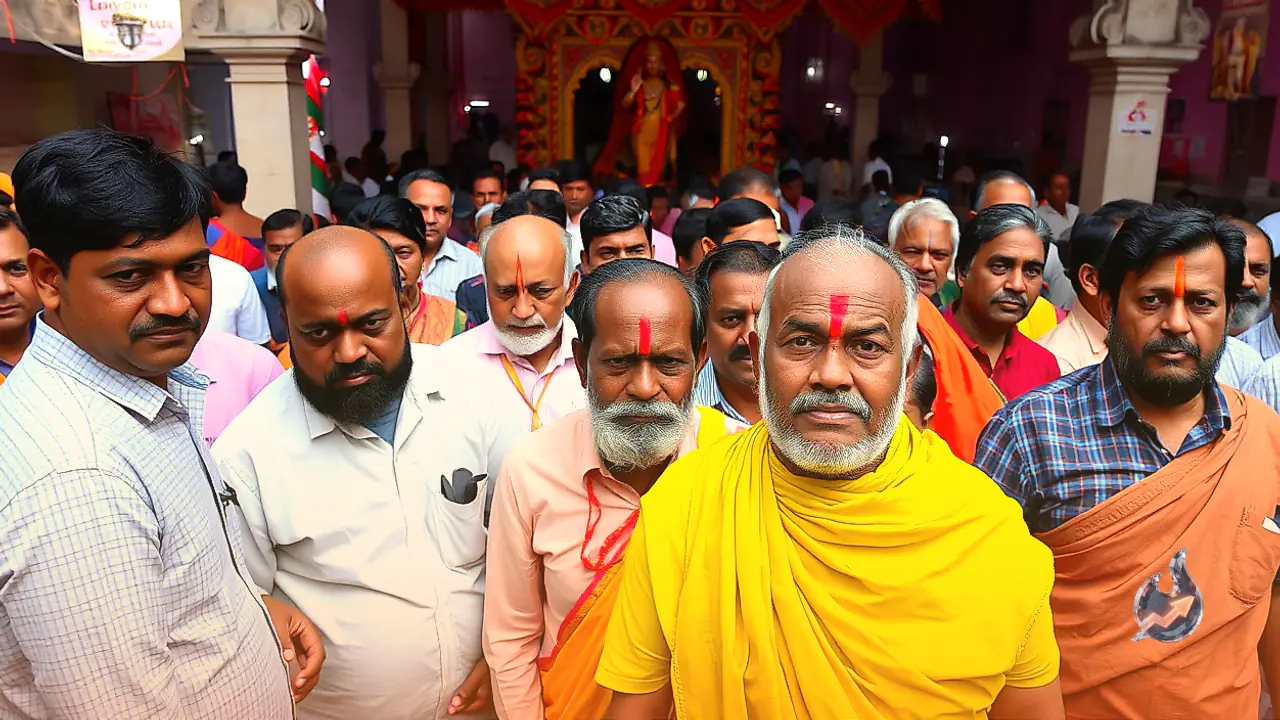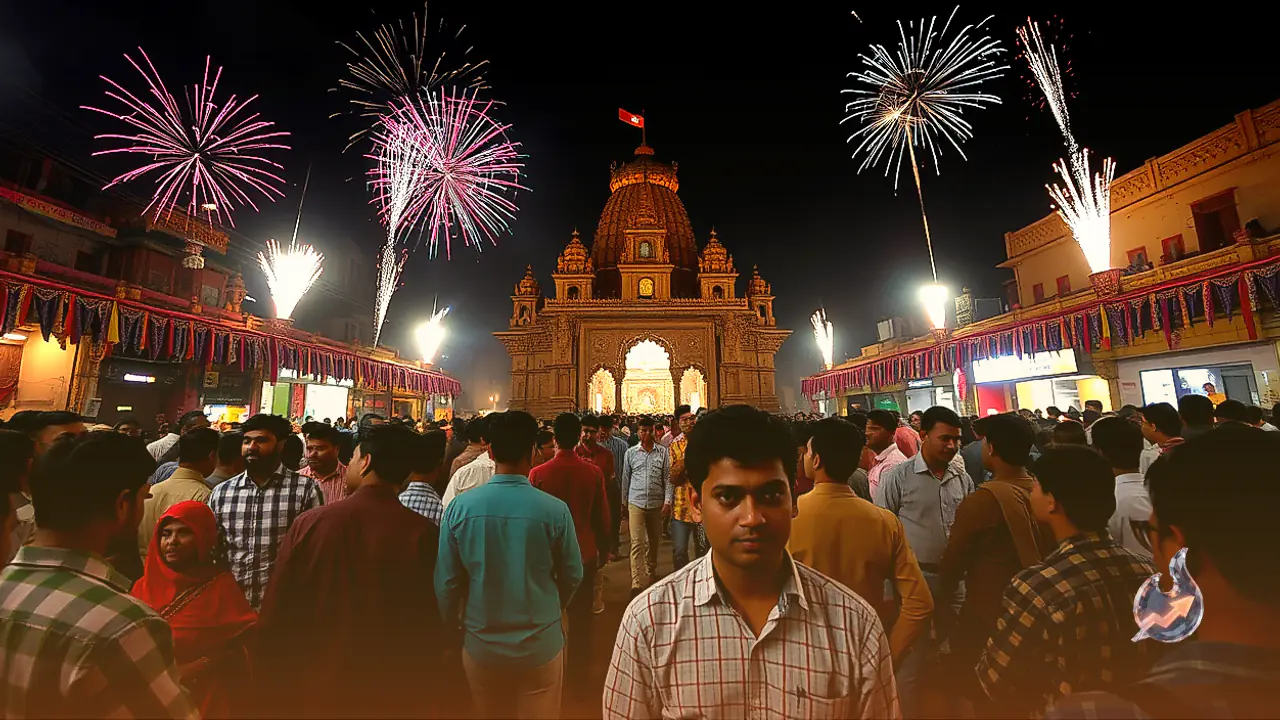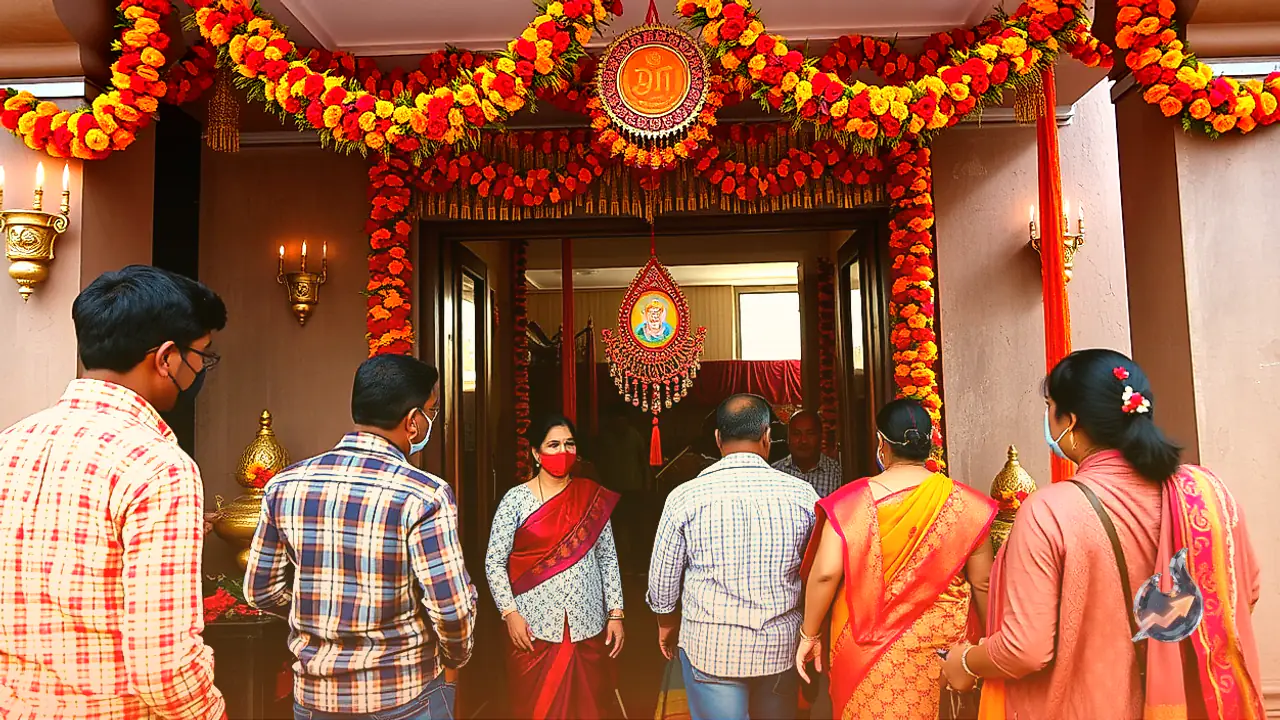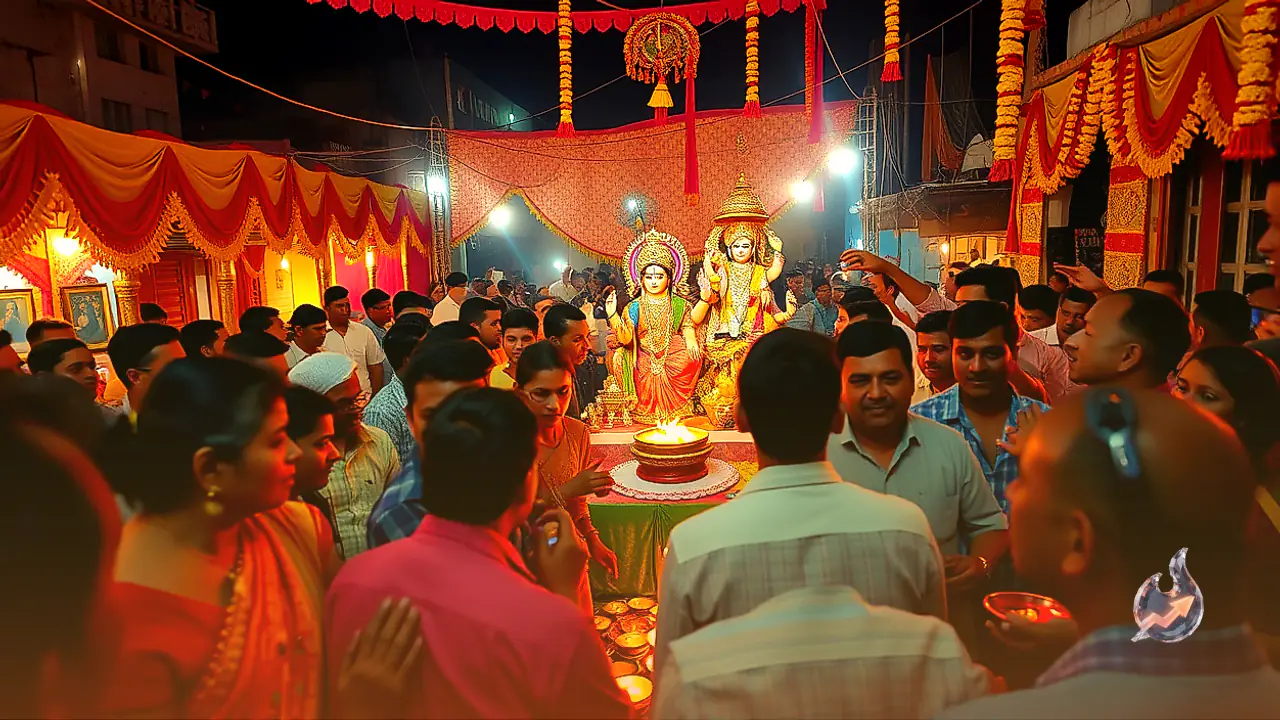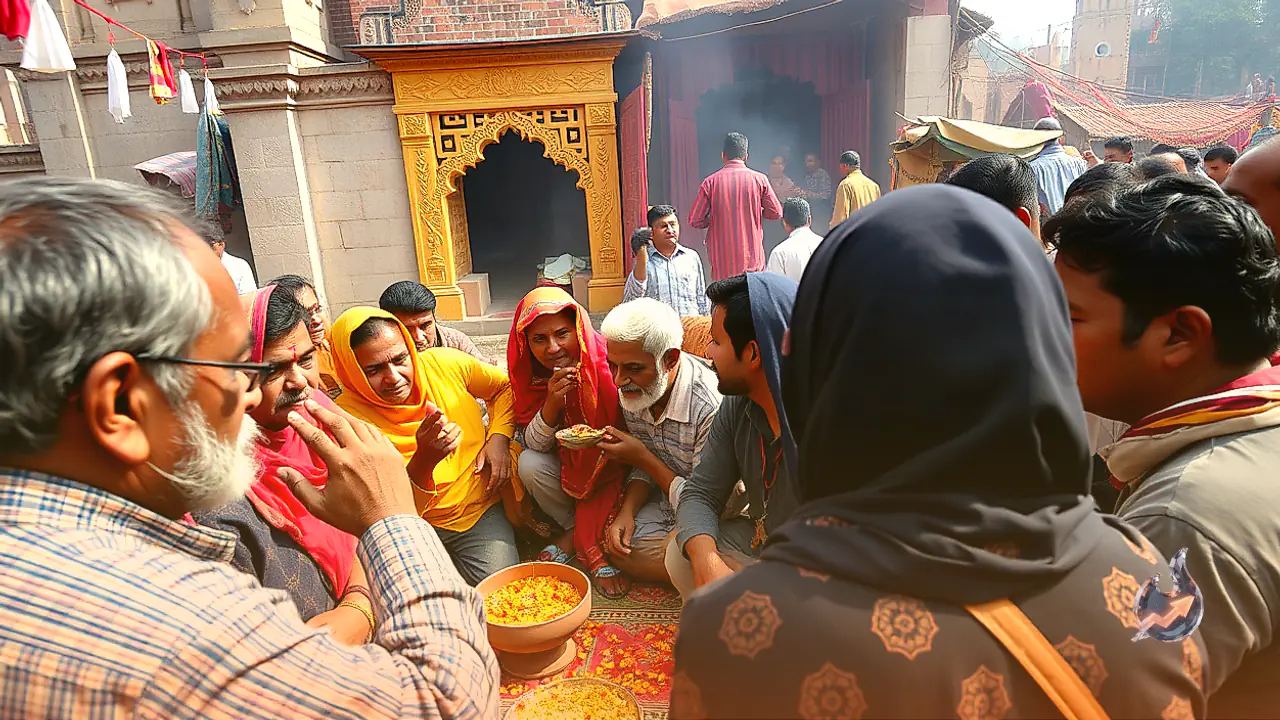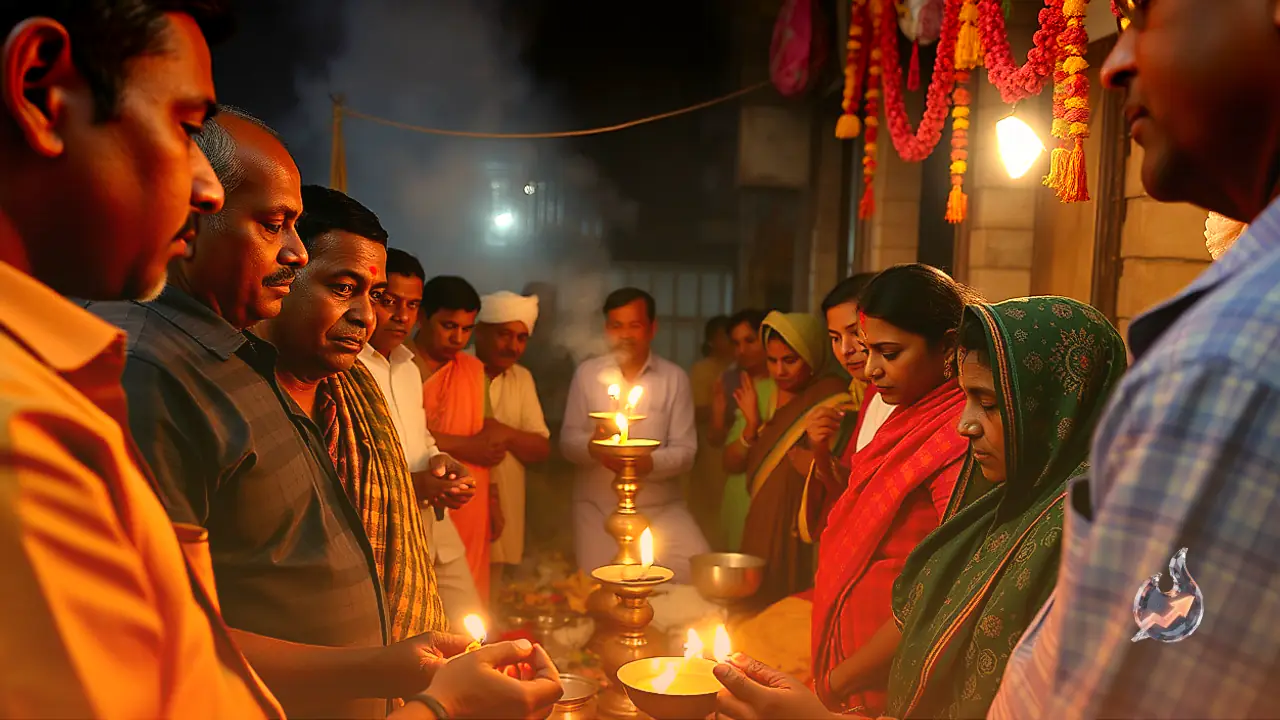


















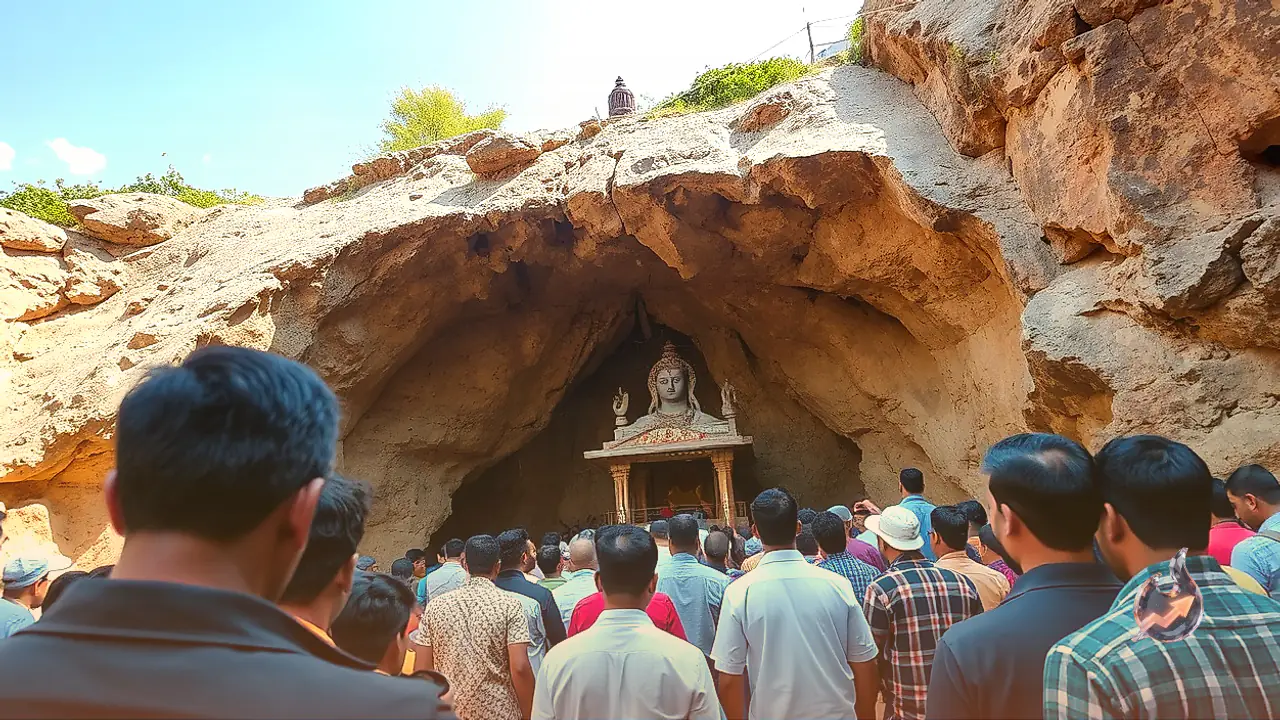

Perched quietly away from the bustling urban sprawl, the ancient Elakonda Shiva temple, formally recognized as the Sri Parvathi Parameshwara Devalayam, stands in Telangana's Vikarabad district as a remarkable sanctuary of faith and heritage. Drawing travellers and devotees alike with its serene landscape and centuries-old lore, the shrine has earned the popular title of Telangana's Srisailam owing to its immense religious stature. For residents looking for quietude alongside spiritual discovery over the weekend, this hilltop site offers an accessible getaway steeped in antiquity.
Architectural Legacy of the Kakatiya Dynasty
According to historical records and generational local traditions, the sacred foundation of this temple dates back approximately 1,000 years. It was constructed under the patronage of the rulers of the Kakatiya dynasty, celebrated across the Deccan for their enduring masonry and artistic sophistication. The resilient stone blocks feature intricate carvings and architectural planning that preserve the stylistic signatures of the Kakatiya period. Even after enduring centuries of climatic exposure and weathering, the structural layout remains largely intact, offering visitors an authentic glimpse into medieval temple craftsmanship.
Subterranean Lingam Viewed Through a Stone Opening
The defining and most mysterious feature of this hilltop sanctum lies in how devotees catch sight of the presiding deity. Unlike standard sanctums where the sacred lingam sits centrally elevated, this idol is positioned subterraneanly within the earth's cavernous depth. Devotees cannot approach or observe the lingam directly from the open hall; instead, darshan is granted exclusively through a slender opening carved naturally into the rock surface. Visitors lean over this narrow aperture with reverence to peer into the lower subterranean cavity, catching sight of the deity resting deep beneath the floorboards in an experience that evokes widespread awe.
Mythical Tunnels to Srisailam and Kashi Guarded by Nagraj
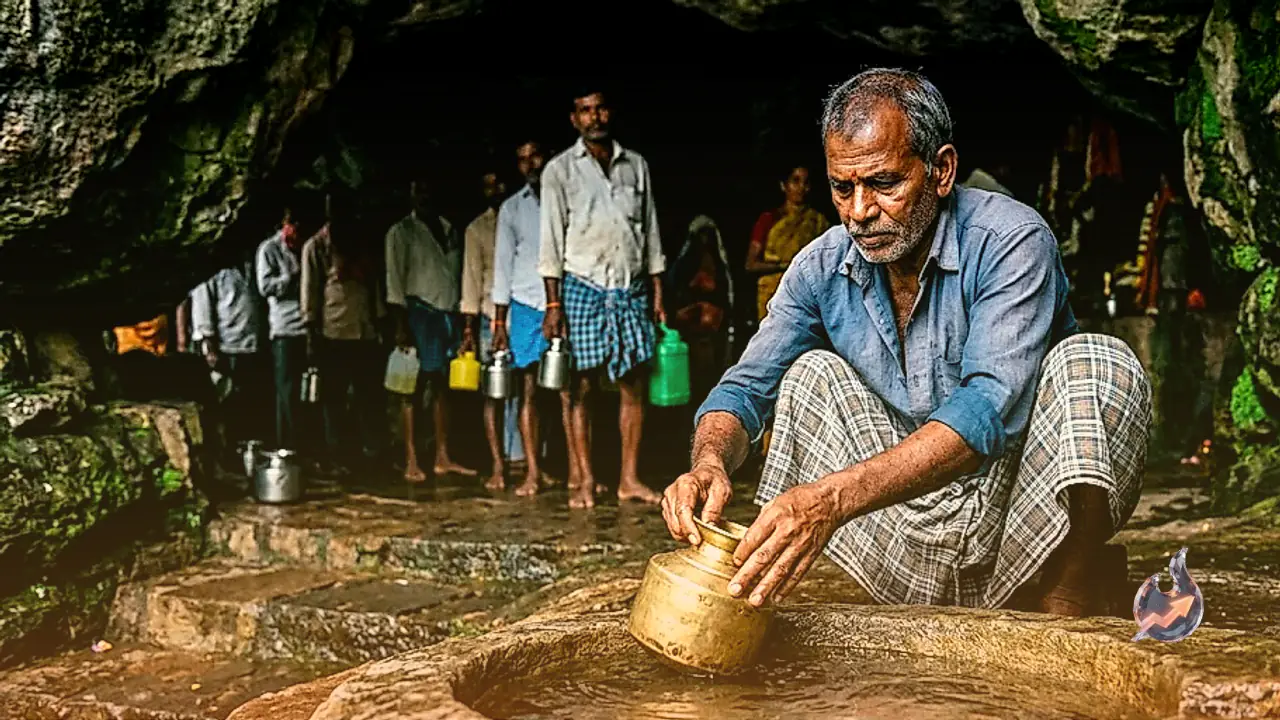
Within the surrounding temple grounds are two ancient, shadowed caves steeped in local myth. Popular beliefs maintain that these subterranean pathways once served as secret conduit routes, with one passage purportedly leading directly toward the sacred jyotirlinga at Srisailam and the second connecting across great distances to the holy city of Kashi. Watching over the mouths of these enigmatic tunnels is an impressive sculpture depicting the five-headed serpent king, Nagraj, believed by villagers to have guarded these mystical avenues through the ages. Nearby, a stately and grand idol of Nandishwara dominates the open courtyard, commanding the admiration of pilgrims entering the precinct.
Cinematic Ties to Blockbusters Arya and Pushpa
Beyond its traditional pilgrim rituals, the surrounding settlement and forested hilltop slopes have captured the imagination of regional filmmakers. The combination of untouched greenery, undulating topography, and antique stone architecture provided the backdrop for key cinematic shoots in Telugu cinema. Prominent sequences from actor Allu Arjun's early blockbuster Arya as well as his pan-Indian theatrical hit Pushpa were filmed across the temple compound and the surrounding valley terrains.
Route and Accessibility From Hyderabad
Reaching this historic shrine in Vikarabad district is straightforward from the Telangana capital. Commuters can travel outward via Hyderabad's Patancheru Outer Ring Road, continuing directly through the Shankarpally corridor for a total distance of just 30 kilometres. The presence of well-maintained, wide roadways ensures a smooth and quick transit for day-trippers seeking a weekend blend of outdoor exploration, historical lore, and quiet reflection.