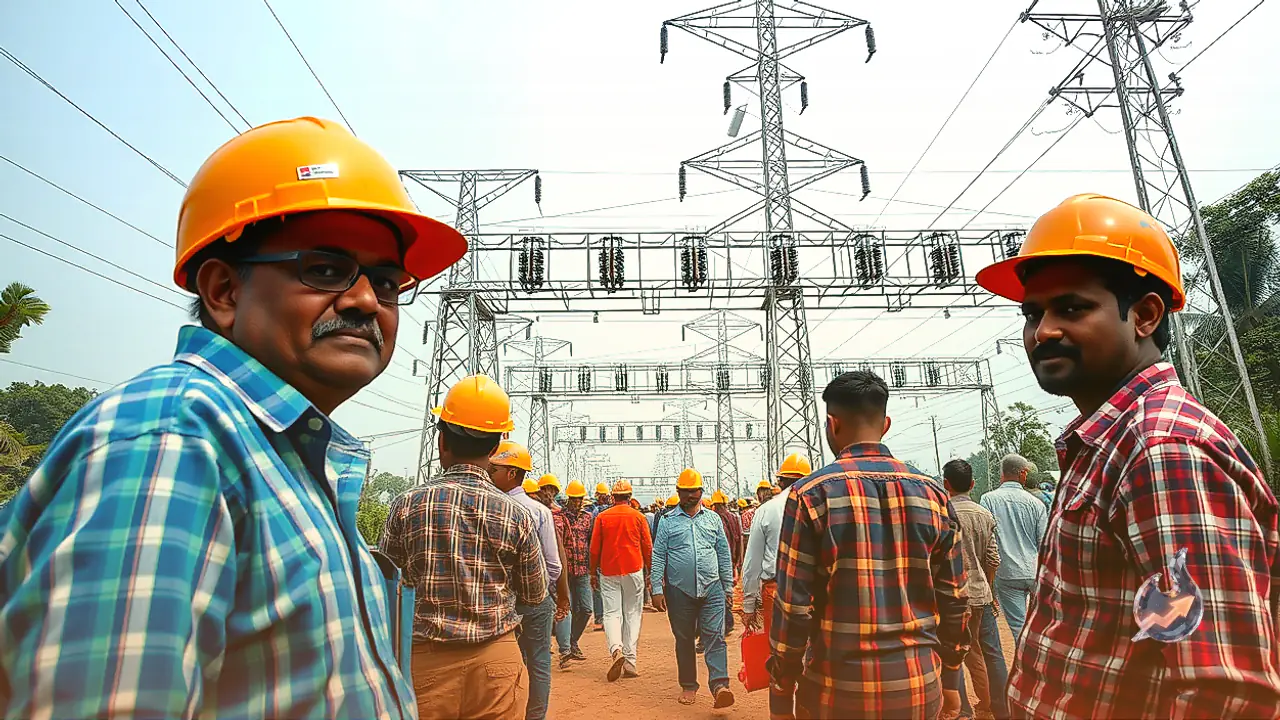






















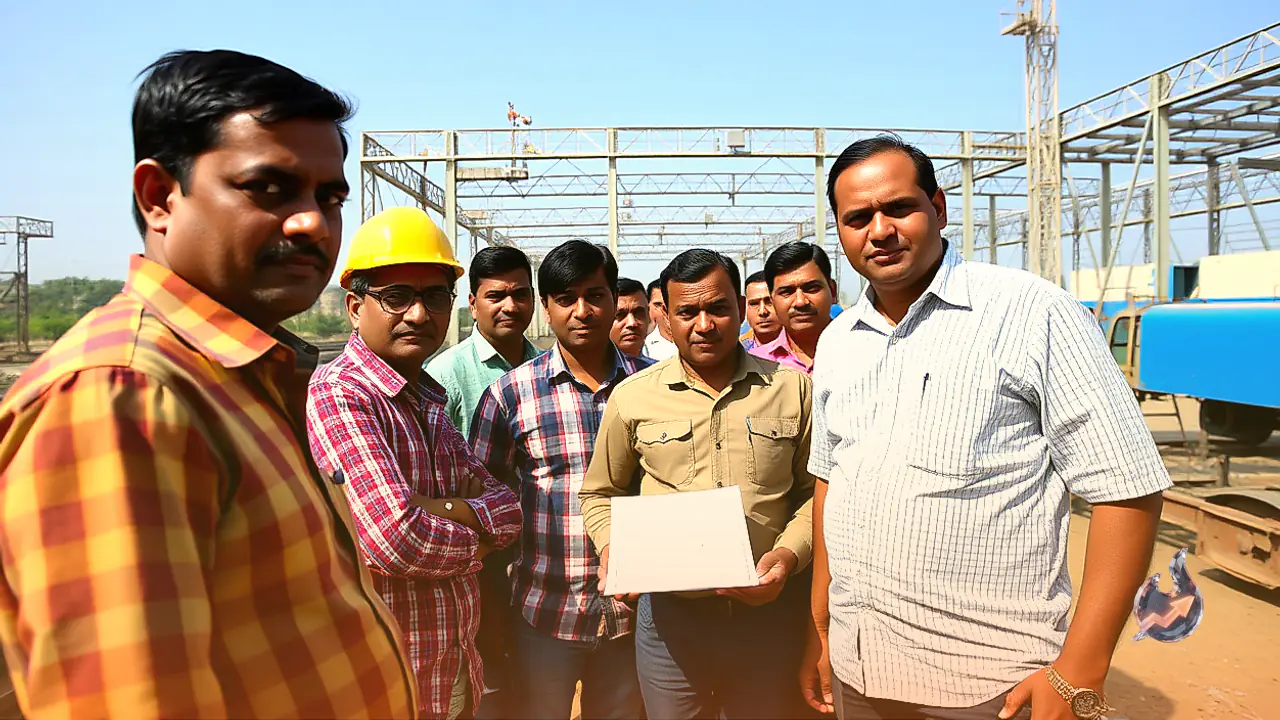

Tripura is preparing to modernize its regional connectivity strategy by creating an integrated digital platform that consolidates information on all existing assets, active development works, and proposed sector-wide projects. Driven by the Public Works Department, this initiative falls under the World Bank-assisted Tripura Urban Economic Growth and Service Delivery Project and will be executed through the proposed Integrated Transport Network Development Plan (ITNDP).
Targeting Implementation Within Eighteen Months
The operational framework for this multi-sector initiative is slated to be finalized and adopted within the next one and a half years, according to Anup Kumar Das, Chief Engineer of the Road and Building Wing in the PWD. Moving beyond fragmented planning, the digital system seeks to centralize crucial infrastructure data, enabling planners to track ongoing progress and identify long-term structural needs through a unified interface.
Integrating Transit Links and Cross-Border Commerce
The scope of the upcoming digital system extends well beyond traditional road corridors to incorporate rail lines, bridges, freight depots, and aviation hubs. A central feature of this architecture is coordinating transport planning directly with local farming output, commercial marketplaces, and cross-border trade operations with Bangladesh. Das explained that mapping these diverse networks will help state agencies identify the exact logistical and communication frameworks required to expand international border trade efficiently in the years ahead.
Rural Roads and Quality Testing Facilities
Rural connectivity forms a substantial element of the Integrated Transport Network Development Plan, which proposes the construction of approximately 416.47 km of rural roadways. The scheme also includes the establishment of two specialized testing laboratories dedicated to rural goods, along with modernized passenger transit facilities. Together, these installations will act as critical building blocks for defining the future transit priorities of Tripura.
Optimizing Agricultural Logistics and Freight Routes
Agricultural logistics is another core pillar of this master plan. The department will evaluate strategic collection points for regional harvests, map optimal transit paths to major distribution markets, and locate ideal sites for transport terminals that require direct links to primary highways or rail lines. As noted by Das, this integrated methodology will empower the administration to structure infrastructure around real-world human mobility, farm produce transit, and commercial merchandise movement, addressing both domestic trade and foreign border commerce.