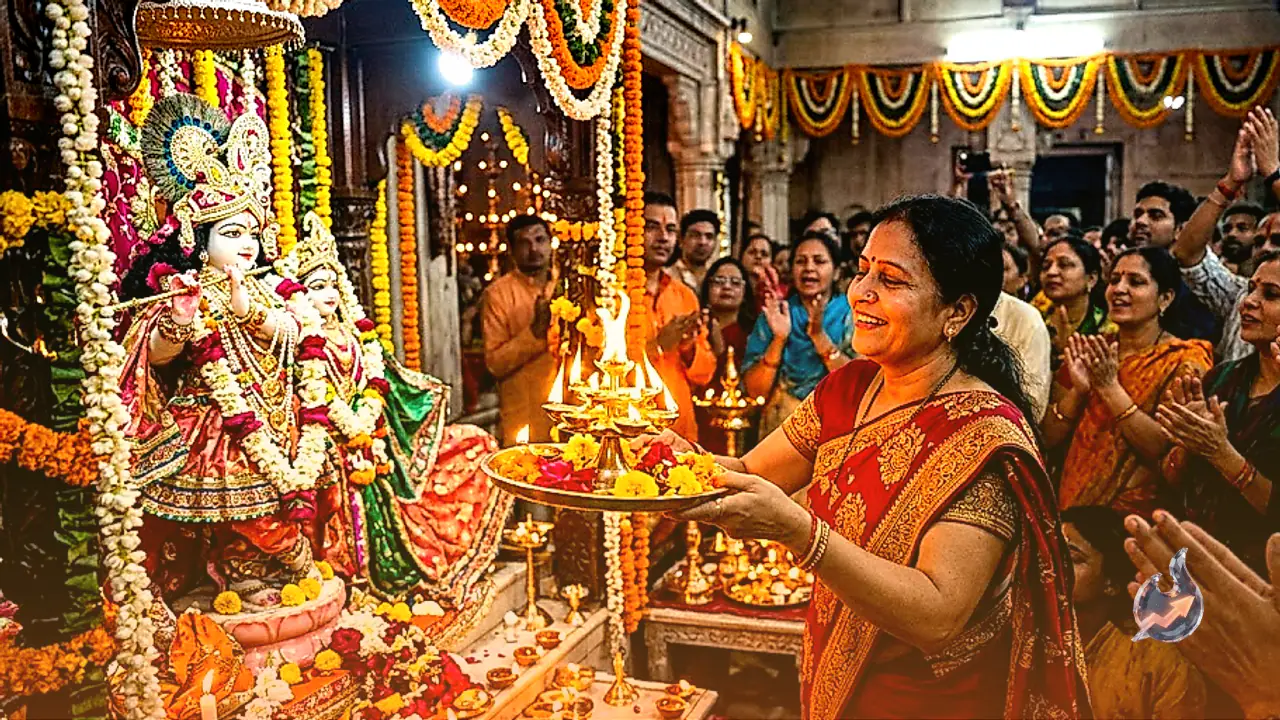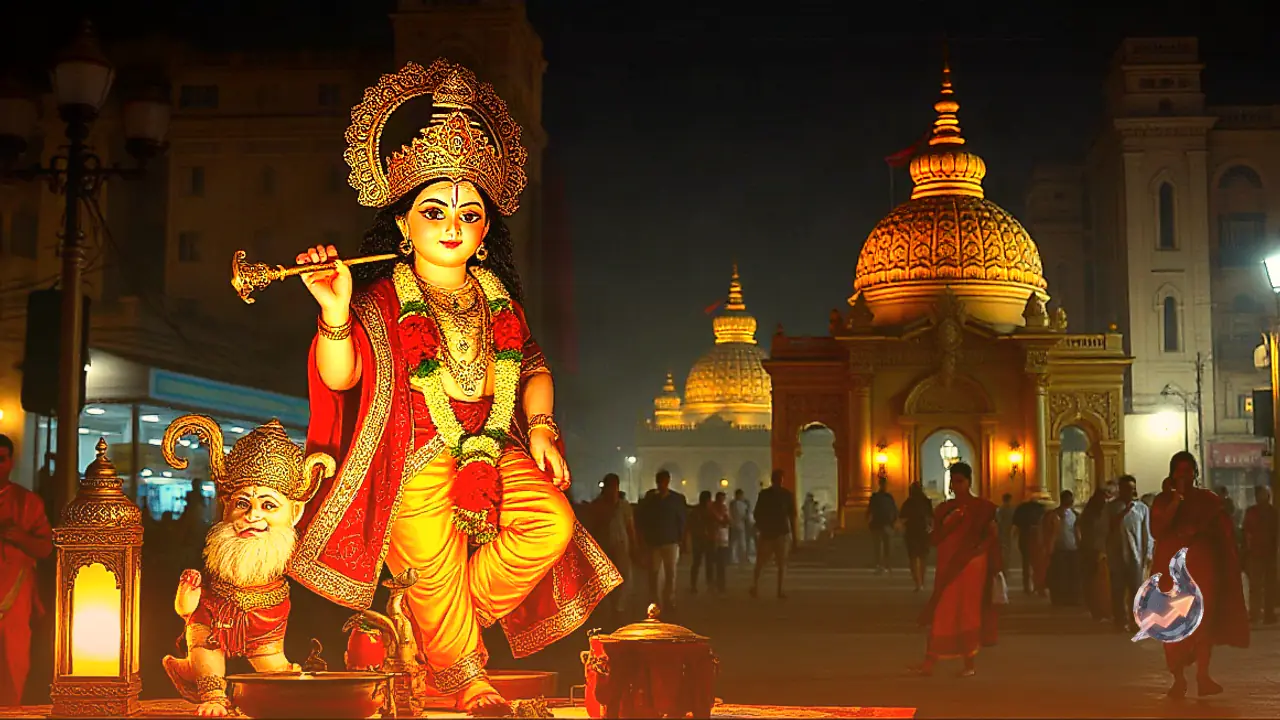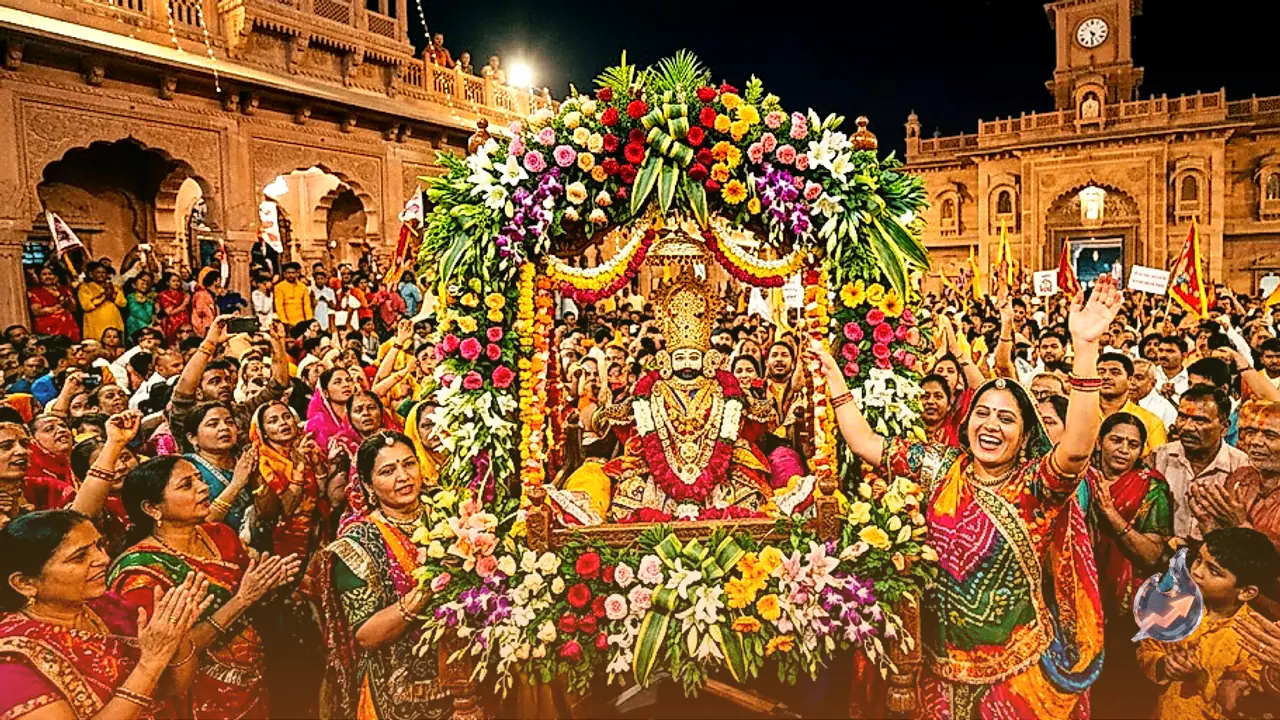



















The festival of Krishna Janmashtami is celebrated with great enthusiasm across the country, creating a deeply religious atmosphere everywhere. Every year, this auspicious festival arrives on the eighth day of the dark fortnight in the month of Bhadrapada. The arrival of Janmashtami instantly revives the memories of Lord Krishna's childhood pastimes. Kanha's mischievous antics, stealing butter from the gopis, and breaking high-hanging pots with his friends are still remembered with immense affection. Connected directly to these childhood acts is the tradition of Dahi Handi, which is celebrated with great zeal on the very next day of Janmashtami. Let us explore why Dahi Handi is traditionally observed on the day following Janmashtami.
The Tradition Rooted in Childhood Pastimes
According to traditional beliefs, Lord Krishna had an immense fondness for butter and curd. During his childhood days, he used to roam around the lanes of Gokul accompanied by his friends. Whenever he spotted a pot filled with butter and curd inside a household, he would cleverly steal it. The gopis of the village grew quite troubled by these constant pranks. It is said that in order to protect their butter from Kanha, the gopis started hanging the pots at considerable heights from the ground. However, the mischievous Kanha was not one to give up easily. He would gather his friends, and together they would climb on top of one another to form a human pyramid. The friend who reached the very top would break the pot, allowing everyone to enjoy the butter and curd together.
Symbolic Representation of the Childhood Legend
In the modern celebration of Dahi Handi, this very childhood act is reenacted symbolically. A clay pot filled with curd, butter, and other items is hoisted high in the air with the help of ropes. Following this, groups of young participants, commonly referred to as Govindas, attempt to reach the pot by forming a multi-tiered human pyramid. The Govinda who climbs to the absolute top ultimately breaks the pot. As soon as the pot shatters, the contents spill downward, and the entire surroundings echo with loud chants, the beating of drums, and devotional hymns.
The Grandeur in Maharashtra and Beyond
The celebration of Dahi Handi is particularly famous in the state of Maharashtra. During this period, extremely high pots are tied up across localities. Different groups compete to break them, and those who successfully accomplish the feat are rewarded with special prizes. Over time, however, this vibrant celebration has gained immense popularity across many other parts of the country as well.
A Symbol of Collective Effort and Unity
Dahi Handi is considered not merely an event of entertainment, but a powerful symbol of unity, cooperation, and collective endeavor. Every single person's role in the human pyramid holds immense importance, conveying the message of working together to achieve a common goal. It is believed that observing the Dahi Handi festival with deep devotion and excitement on Janmashtami brings the divine blessings of Lord Krishna, ensuring lasting prosperity and happiness in the household.