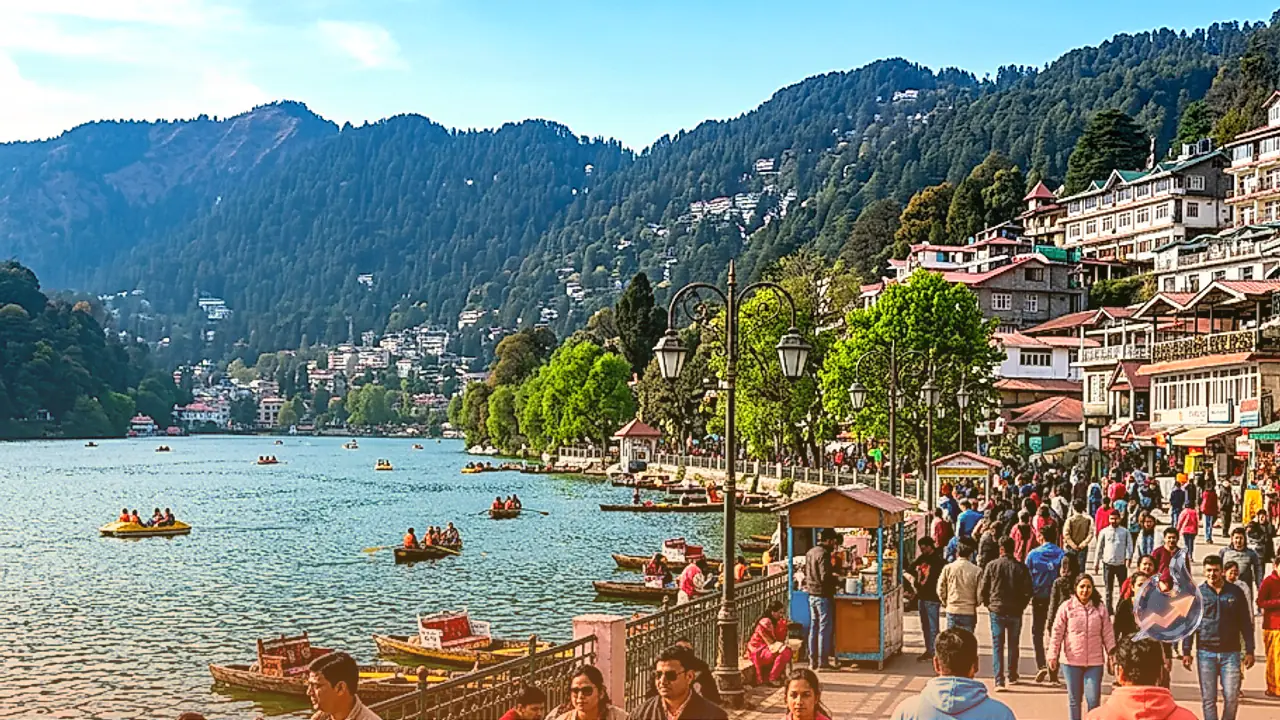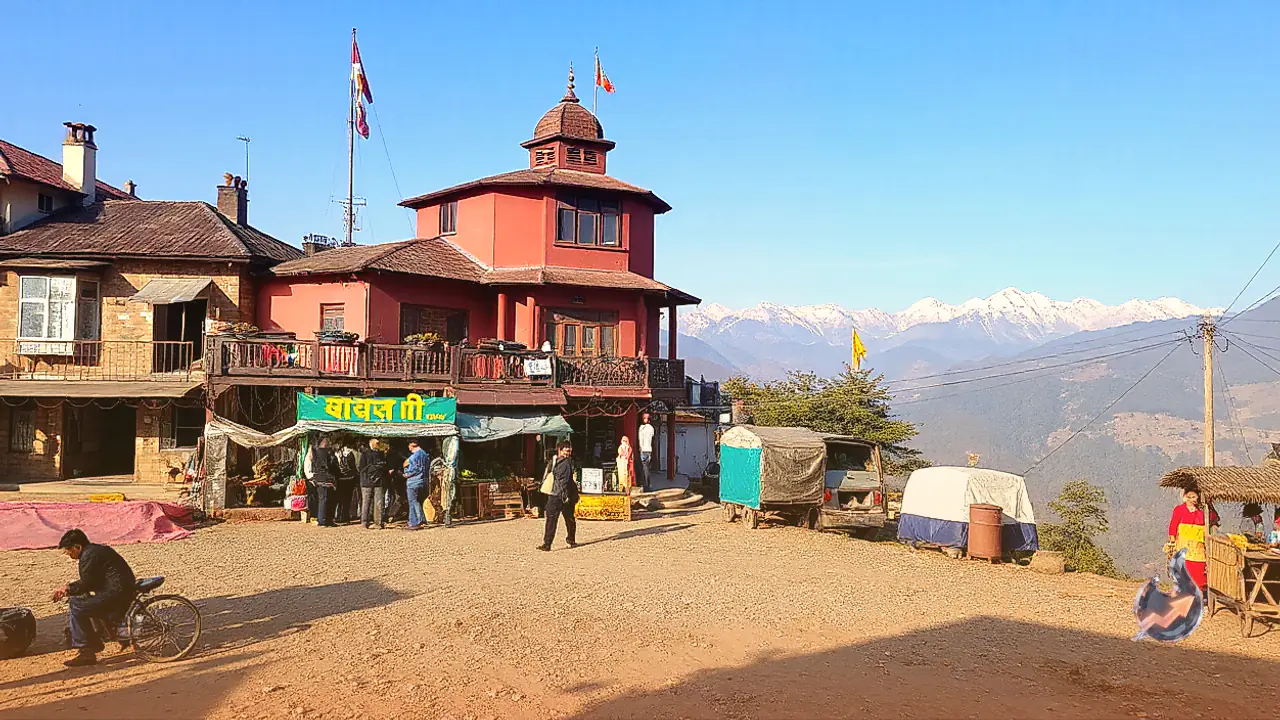























The famous hill station of Nainital in Uttarakhand is widely celebrated for its scenic lake and lush green surroundings. However, the visual appeal of this destination scales new heights when the snow-capped peaks of the Himalayas become visible in the distant sky. Under clear weather conditions, visitors can catch a magnificent glimpse of the Trishul mountain from the higher vantage points of the city, offering a mesmerizing experience.
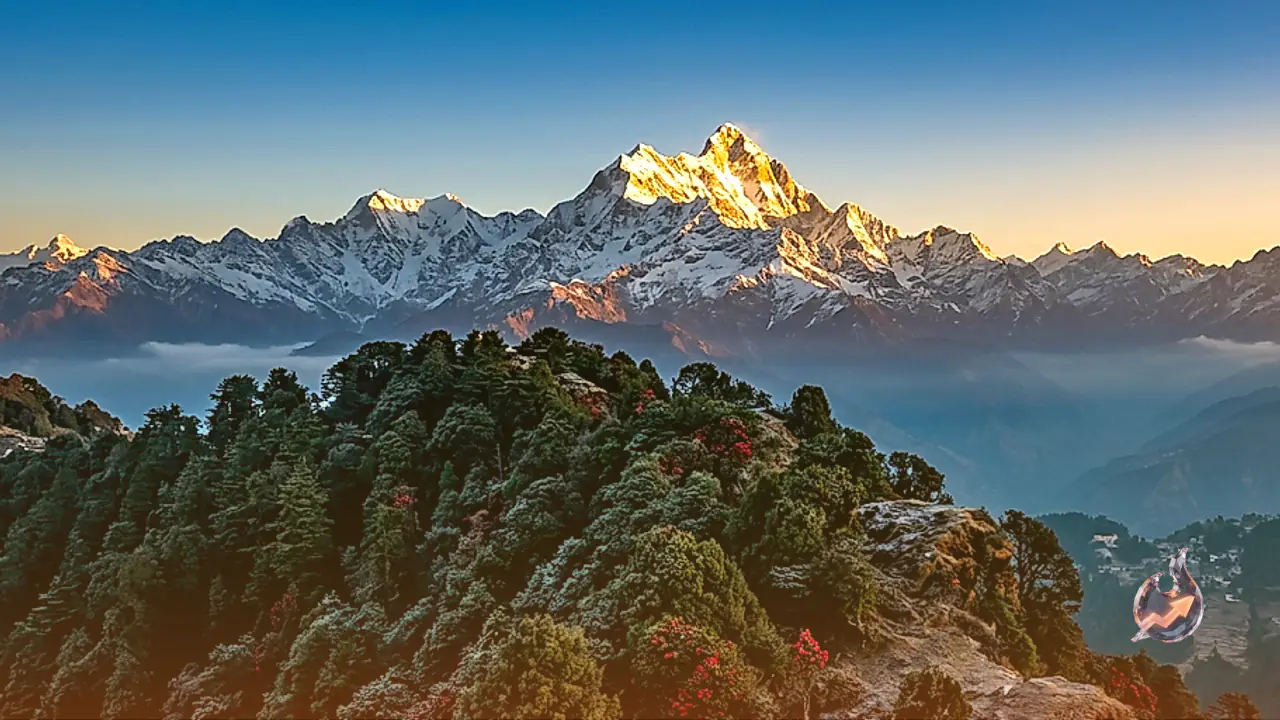
The beauty of this mountain reaches its peak during the early morning and evening hours. As the first rays of the sun strike the snow-covered summits, the white peaks begin to glow in a brilliant golden hue. This breathtaking sight creates the illusion that gold has been scattered across the mountains. Consequently, photography enthusiasts flock to the Kumaon region to capture this extraordinary spectacle through their lenses.
Part of the Kumaon Himalayas, the Trishul massif is primarily known for its three distinct summits. Identified as Trishul-I, Trishul-II, and Trishul-III, these peaks naturally resemble the shape of Lord Shiva's divine trident. It is this unique geographical formation that earned the mountain group its name, enhancing the overall grandeur of the Himalayan landscape.
From a cultural and religious perspective, the name of the mountain is closely associated with the principal weapon of Lord Shiva. In traditional Hindu belief, the trident symbolizes power, balance, and the eradication of evil. Local folklore also grants this mountain significant spiritual importance, even though its name primarily stems from the configuration of its three peaks.
In Uttarakhand, Goddess Nanda Devi is revered as the principal deity. The folk culture of both the Kumaon and Garhwal regions holds Goddess Nanda in deep reverence. The Trishul mountain and the surrounding region are deeply intertwined with these local faiths and traditions. According to local beliefs, the Trishul mountain is considered the protector of the sacred Himalayan domain of Goddess Nanda.
The famous Nanda Devi Rajat Yatra of Uttarakhand stands as a major symbol of local faith and cultural heritage. Traditionally held once every roughly 12 years, this grand pilgrimage witnesses the participation of thousands of devotees. The pilgrimage route traverses high-altitude Himalayan terrains such as Bedni Bugyal and Roopkund, regions intimately tied to the Trishul mountain landscape.
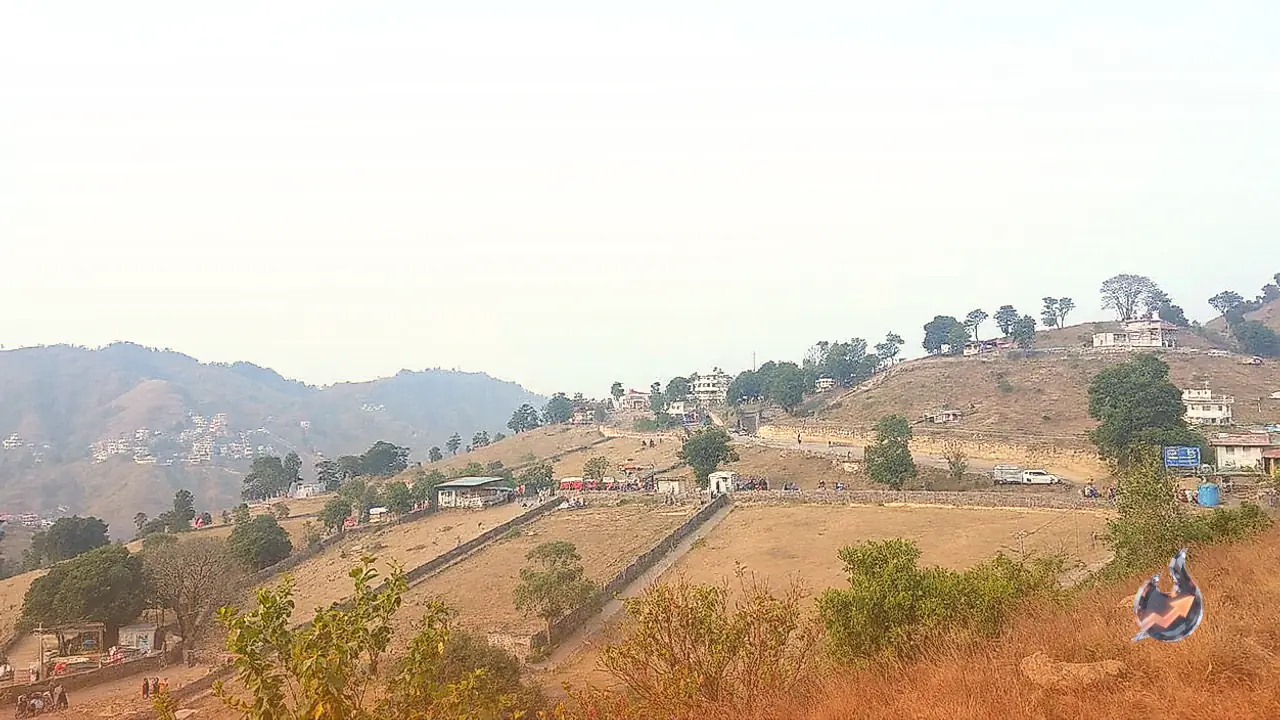
For travelers visiting Nainital, the Himalayan Darshan and Snow View Point remain major attractions. When the sky is clear, the snow-clad Himalayan peaks stretching far into the distance are clearly visible from these elevated locations. The view of the Trishul mountain forms an integral part of this panoramic experience, although clear visibility depends entirely on favorable weather conditions.
Those who appreciate nature, mountains, and photography will find that this Himalayan view from Nainital can make their trip truly unforgettable. The combination of snow-covered peaks, golden sunlight, and clear blue skies enchants every visitor. The identity of Nainital extends far beyond its famous lake, enriched immensely by these majestic glimpses of the distant Himalayas.