



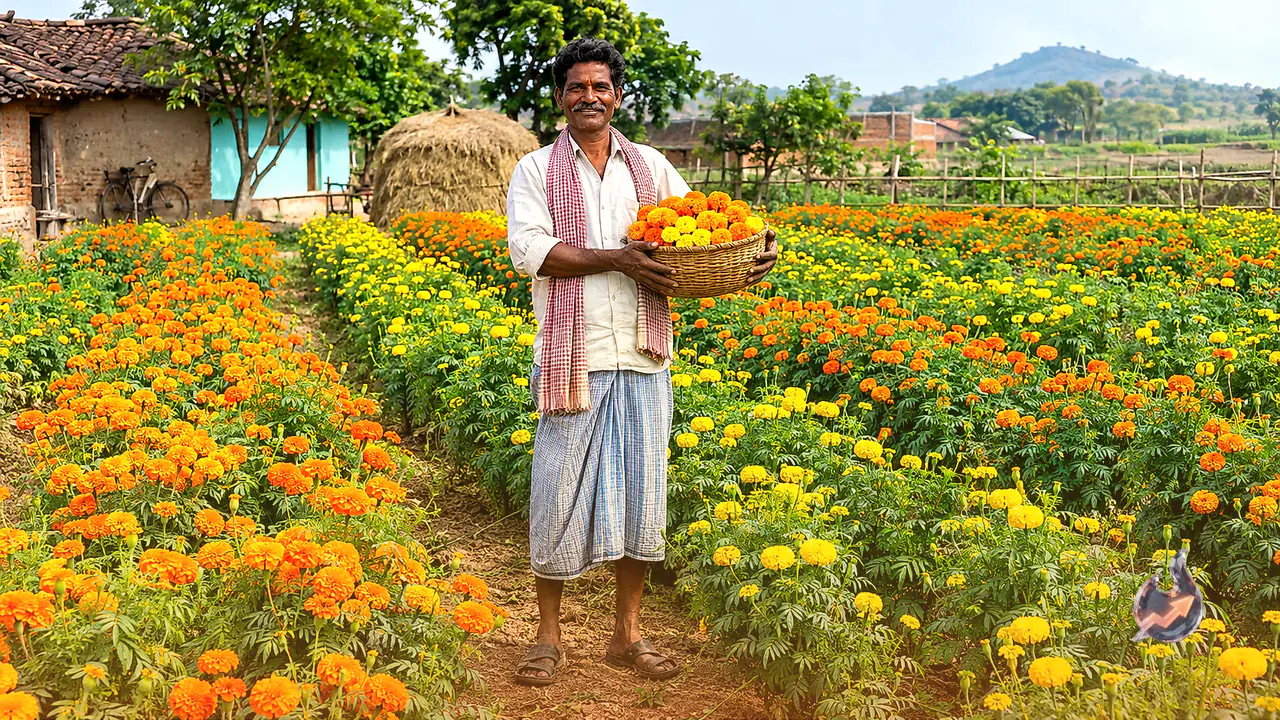















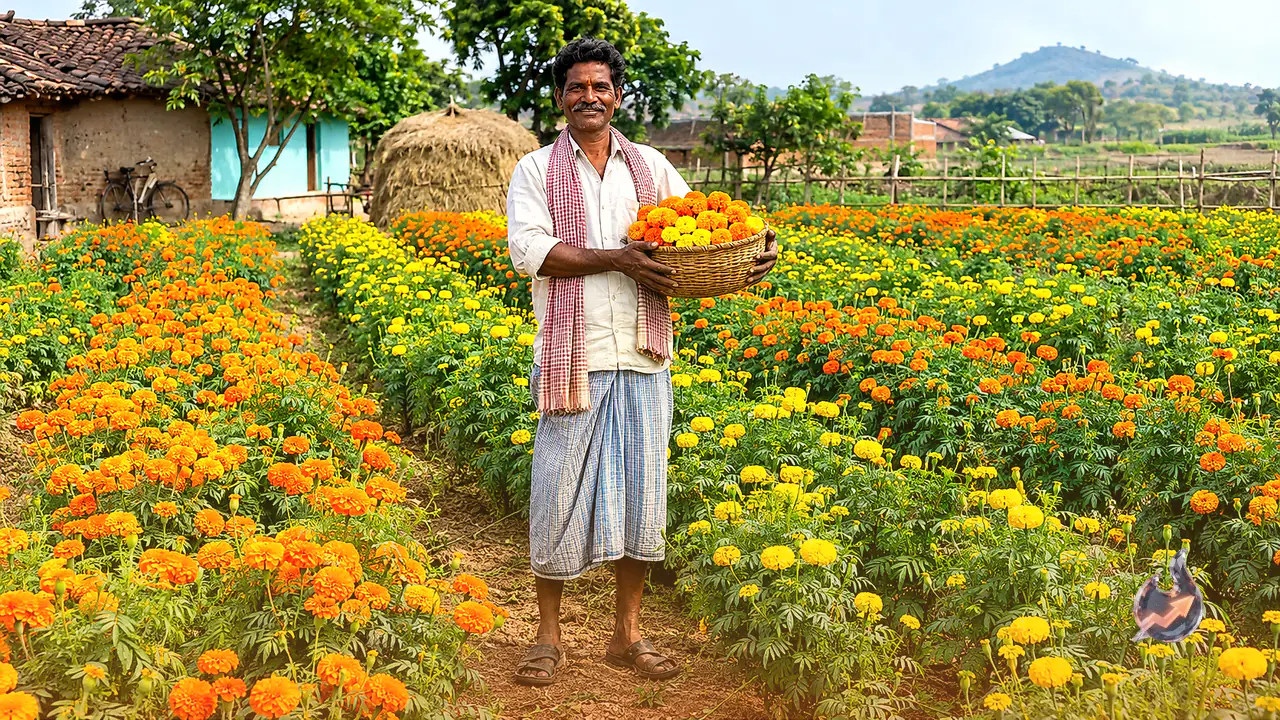

A fresh and inspiring example has emerged from the agricultural landscape of Jharkhand, demonstrating how non-traditional crops can transform a cultivator's financial standing. When individuals dare to step outside conventional farming boundaries, the financial returns can vastly outperform standard crop cycles. Mahesh, a farmer residing in Sadmakhor village located within the Petarwar block of Bokaro district, has successfully proven this principle. Moving away from routine vegetable production, he ventured into commercial marigold cultivation and is now reaping substantial financial rewards while encouraging fellow villagers to adopt cash crops.
Transitioning From Traditional Crops To Floriculture
During the earlier phase of his agricultural journey, Mahesh focused primarily on growing traditional vegetables. However, limited earnings and restricted market returns prompted him to rethink his approach and explore alternative farming avenues. Driven by the desire to boost his income, he decided to test marigold farming across 50 decimal blocks of his land. To ensure high quality, he specifically sourced the saplings from Kolkata and planted them in the month of September. Generally, marigold crops require a growth period ranging between 90 to 120 days to fully mature and become ready for harvesting.
Minimal Investment Of Rs 10000 Yields 20 Quintals
The financial economics behind this floriculture venture are remarkably accessible for small-scale cultivators. According to Mahesh, cultivating marigolds on 50 decimal land involved a modest input cost of approximately 10,000 rupees. Across this designated area, the entire season yields a massive production of roughly 20 quintals of flowers. Agricultural observers note that marigolds enjoy a steady, year-round demand in the market, which ensures consistent buyers and reliable income streams for producers throughout various festive and ceremonial seasons.
Direct Retail And Wholesale Marketplace Access
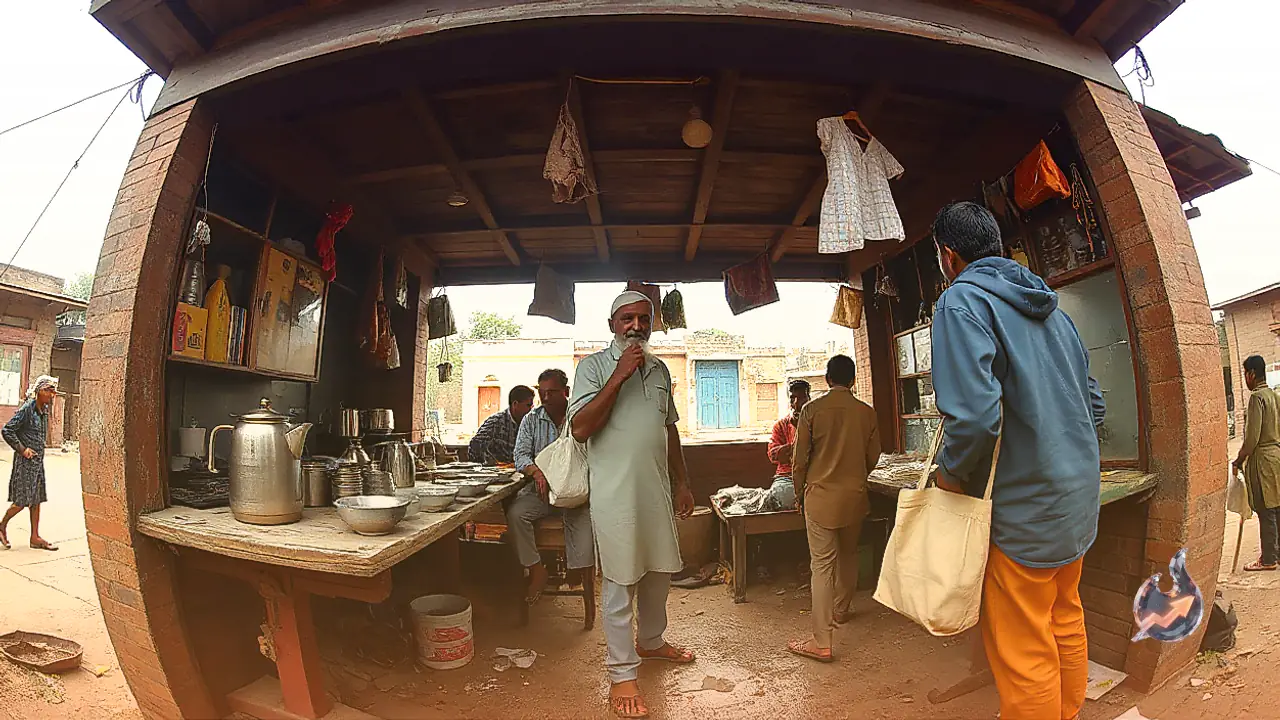
Marketing and distribution logistics are efficiently managed through multiple channels established by the farmer himself. Mahesh operates his own flower shop where he retails a portion of his harvest directly to consumers. Additionally, regional traders frequently visit his fields to purchase large quantities in bulk. The wholesale price for marigold flowers typically hovers around 50 rupees per kilogram. Based on this pricing structure, selling the entire harvest of 20 quintals generates a total business turnover of around one hundred thousand rupees. Subtracting the initial investment of 10,000 rupees leaves a remarkable net profit of approximately 90,000 rupees for the season.
Protecting Crops From Pests And Fungal Infestations
Like any agricultural venture, marigold farming comes with its share of biological challenges that require vigilant management. Mahesh points out that pest attacks and fungal diseases represent the most common threats to the crop's health. Early detection of these issues is vital to prevent widespread crop damage. Growers must consult agricultural experts and apply recommended pesticides and antifungal treatments promptly. Through consistent field monitoring and disciplined crop maintenance, farmers can secure superior yields and maximize their overall earnings.