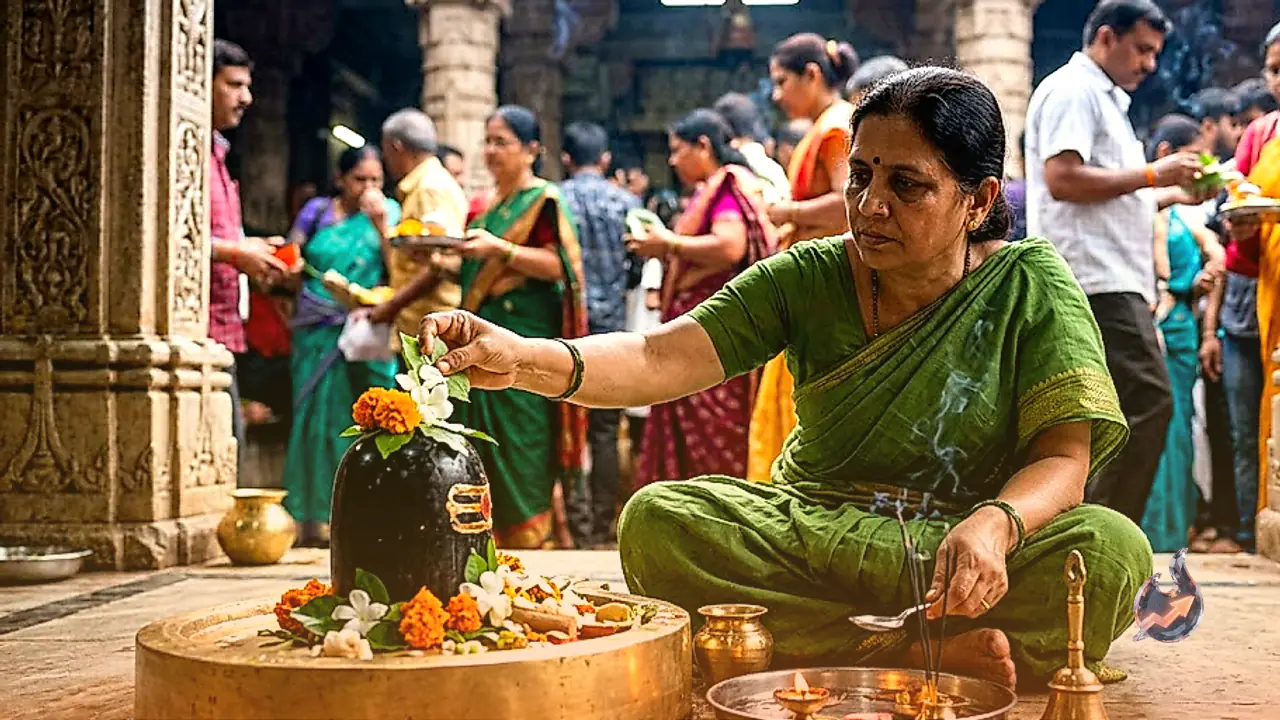
























Calculations from the traditional Vedic calendar mark 1 October 2026 as the Panchami tithi of the Krishna Paksha in the month of Ashwin, falling on a Thursday. A noteworthy astronomical transition takes place on this date as the Panchami tithi remains active until 12:36 PM, after which the Shashthi tithi commences. Due to this midday shift in lunar dates, shradh ceremonies for ancestors whose passing coincided with either Panchami or Shashthi are traditionally scheduled on this single day. Adhering to the prescribed muhurtas during Pitru Paksha is regarded as essential for performing tarpan and pinda daan to bring peace to departed souls.
Planetary Combinations, Nakshatra, and Sun Timings
Looking at the cosmic alignments through the day, Siddhi Yoga remains in operation until 9:21 PM. Concurrently, the Rohini Nakshatra spans across the entire daytime and night, concluding at 4:27 AM in the dawn hours of 2 October. The day initiates with dawn sunrise at 06:14 AM, while dusk brings sunset at 06:07 PM. These planetary markers serve as foundational guideposts for structuring morning rituals, domestic ceremonies, and spiritual devotions across communities.
Auspicious Windows for Ancestral Shradh
The afternoon segments of the day carry unique theological significance for presenting water and oblations to ancestors. The exact windows recommended for Pitru Paksha rites include
- Kutup Muhurta is observed between 11:47 AM and 12:34 PM.
- Rauhin Muhurta takes place immediately following, from 12:34 PM to 01:22 PM.
- Aparahna Kala extends across an expansive period from 01:22 PM to 03:45 PM.
Favorable Daily Muhurta Timings
Specific phases throughout the day and night are designated for contemplation, prayers, meditation, and general auspicious initiatives
- Brahma Muhurta spans from 04:37 AM to 05:26 AM.
- Pratah Sandhya takes place between 05:01 AM and 06:14 AM.
- Abhijit Muhurta remains effective from 11:47 AM until 12:34 PM.
- Vijaya Muhurta opens at 02:09 PM and concludes at 02:57 PM.
- Godhuli Muhurta falls during twilight from 06:07 PM to 06:31 PM.
- Sayahna Sandhya is marked from 06:07 PM until 07:20 PM.
- Amrit Kala creates an auspicious late-night window on 2 October from 01:28 AM to 02:57 AM.
Regional Variations for Rahukal Windows
Astrological traditions advise against initiating ventures or celebrating beginnings during Rahukal. Because the calculation shifts with local geographical coordinates, regional timings across urban centers are defined as follows
- Delhi observes the window from 01:40 PM to 03:09 PM.
- Mumbai registers this period between 01:58 PM and 03:28 PM.
- Chandigarh holds the timing from 01:41 PM to 03:10 PM.
- Lucknow marks it from 01:25 PM until 02:54 PM.
- Bhopal experiences the duration between 01:39 PM and 03:09 PM.
- Kolkata clocks the window earlier, from 12:56 PM to 02:25 PM.
- Ahmedabad shares an afternoon bracket between 01:58 PM and 03:28 PM.
- Chennai witnesses the span from 01:28 PM to 02:58 PM.
Significance of the Chandrashashthi Fast
The date also witnesses the observance of Chandrashashthi Vrat. This sacred fast is kept by maidens seeking a virtuous life partner, as well as by devotees aspiring for happiness, marital stability, and prosperous household conditions. Dedicated worship is extended to the Moon deity throughout the observance. The fast concludes at night upon moonrise, when devotees break their penance by offering sanctified water to the rising Moon.