






















Purchasing new household items during the sacred occasion of Dhanteras holds deep religious significance. This year, the auspicious festival will be observed on November 6. According to enduring popular traditions, articles bought on this particular date become lasting symbols of continuous prosperity, domestic peace, and steady progress throughout the coming year. Guided by this conviction, individuals across all income brackets make it a point to acquire something new in line with their personal financial capacity. While the prevailing practice often focuses on buying precious gold and silver ornaments or conventional steel utensils, traditional customs highlight several other accessible items that carry equal spiritual merit and blessing.
Essential Auspicious Items Recommended for Dhanteras Shopping
Shoppers heading to local markets can select from a wide range of traditionally recommended goods depending on their domestic requirements and devotion. The list of items considered particularly auspicious to bring home includes
- Precious ornaments or sacred coins crafted from gold or silver
- New domestic utensils manufactured from brass, copper, or steel
- Freshly sculpted idols of Goddess Lakshmi and Lord Ganesha for worship
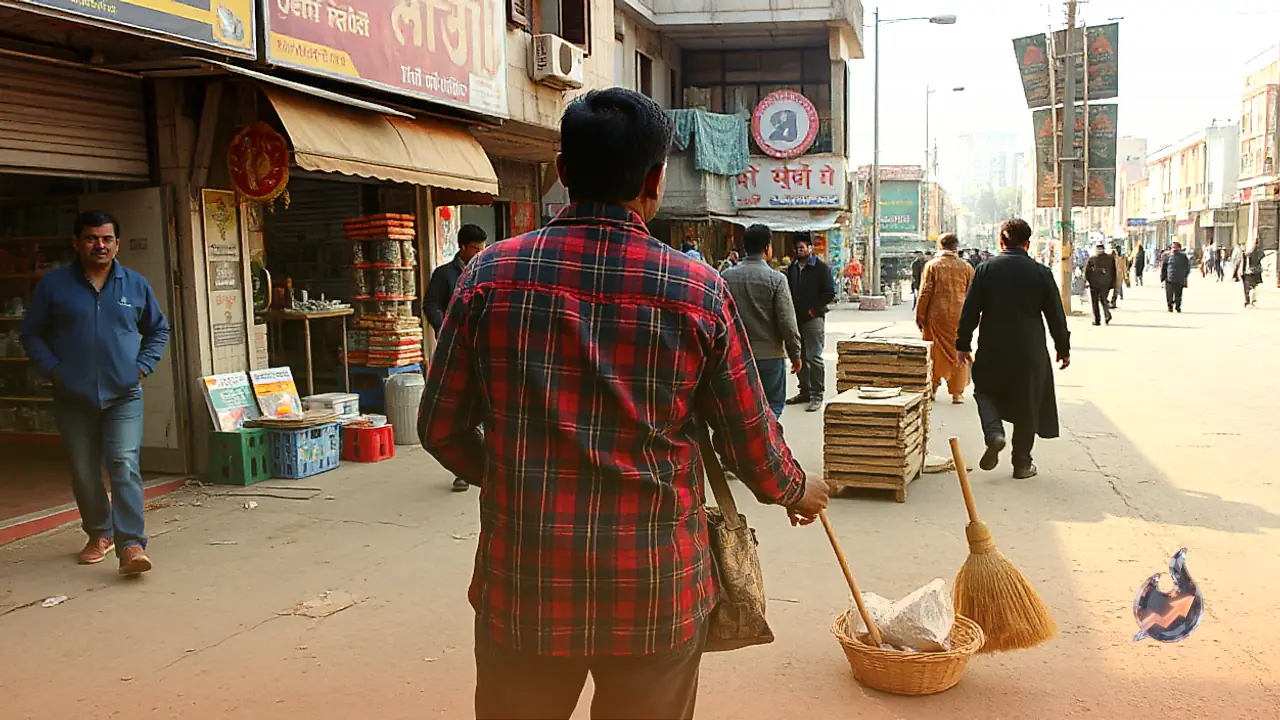
- A traditional broom, viewed in popular belief as an instrument that removes hardship
- Whole coriander seeds, strongly associated with sustained family wealth
- Sacred Gomti Chakra specimens, auspicious cowrie shells, and common salt
- Traditional earthen or metallic oil lamps for lighting during the festival
- Sanctified sweets and traditional offerings intended for Diwali worship
Purification and Worship Guidelines for Newly Purchased Goods
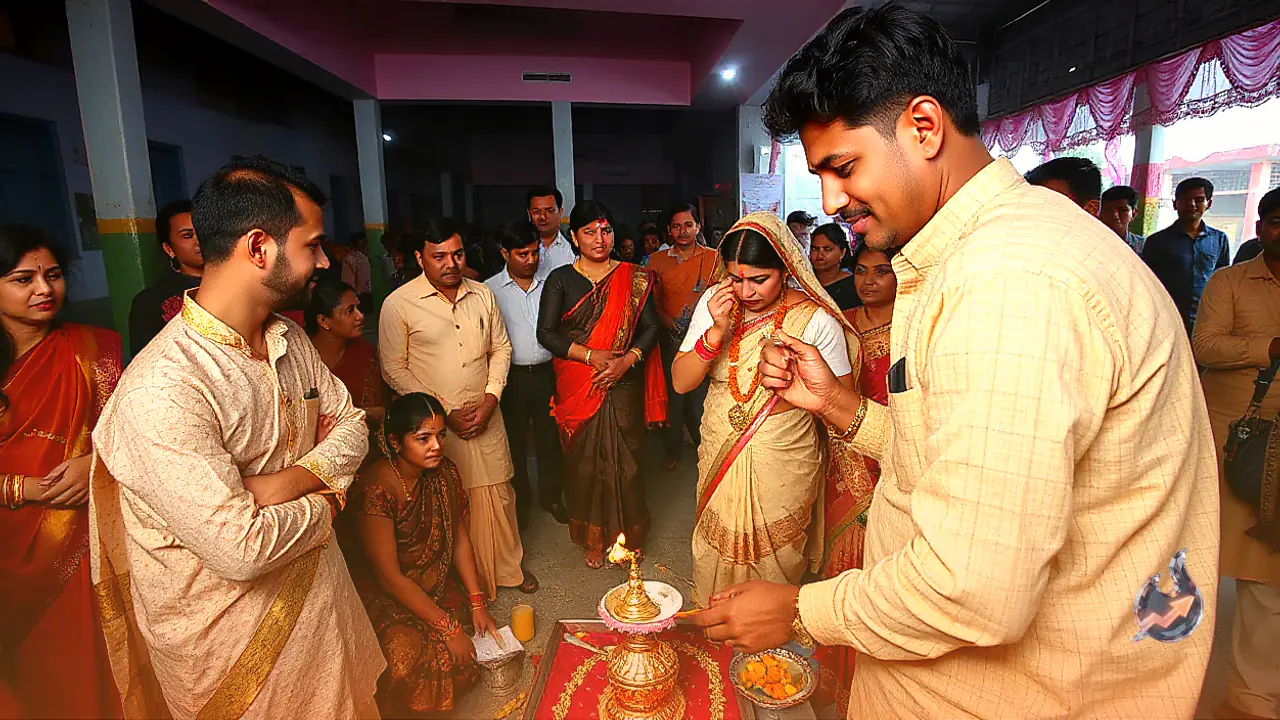
Proper handling and religious care must be observed once the purchased items are brought inside the residence. Every item procured on Dhanteras should first be washed carefully and sprinkled with holy Ganga water to ensure ritual cleanliness. Following this initial cleansing, all articles should be placed directly inside the home temple or at the designated spot where the formal Dhanteras evening rituals will be conducted. Devotees then proceed with the worship of Goddess Lakshmi following traditional prayers. Apply sacred kumkum markings onto each newly acquired article and present fresh floral offerings before them. Religious customs advise that these blessed items should remain placed at the ceremonial altar continuously through the concluding ceremonies of Diwali.
Meaningful Alternatives for Shoppers Bypassing Precious Metals
Soaring prices in the bullion market frequently make buying heavy ornaments or gold coins financially unfeasible for ordinary households. Religious scholars emphasize that inability to purchase gold or silver should not cause distress to any devotee. Sacred teachings and cultural traditions affirm that bringing home modest coriander seeds yields the very same spiritual fruit and auspicious merit as purchasing expensive gold or silver. Because coriander represents sustained fortune and multiplication of resources, acquiring a small packet of seeds on Dhanteras serves as a potent and auspicious alternative for every household.
Selecting the Right Metal When Purchasing Utensils
Acquiring a brand new vessel stands as one of the oldest and most central customs associated with Dhanteras celebrations. This practice draws directly from ancient sacred lore recounting the cosmic churning of the ocean, during which Lord Dhanvantari emerged carrying a divine pitcher filled with the nectar of immortality. In tribute to this legendary manifestation, households make it a priority to purchase dining or storage vessels on this date. From a spiritual perspective, vessels fashioned from brass and copper are regarded as the foremost and most auspicious options to acquire. Shoppers who find alternative preferences practical may also purchase high quality utensils made from bronze or stainless steel.