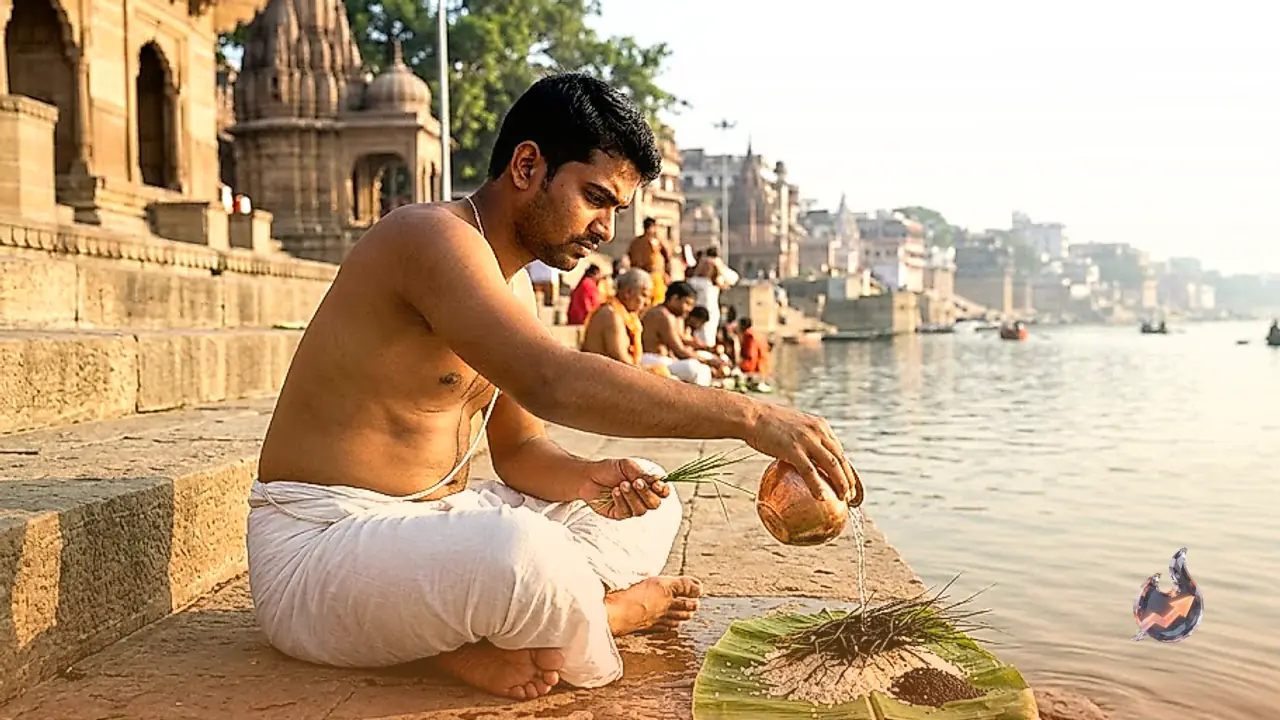























Within Sanatan traditions, the Chaturdashi tithi of Bhadrapada Shukla Paksha holds immense spiritual significance and is observed with deep devotion as Anant Chaturdashi. On this sacred day, devotees observe a dedicated fast and worship the boundless, eternal form of Lord Vishnu. Alongside Shri Hari, special worship is traditionally offered to Mata Yamuna and Sheshnag, the divine celestial serpent. The day also marks the concluding phase of the grand ten-day Ganeshotsav festival, prompting large gatherings of devotees across the nation to perform the sacred immersion of Lord Ganesha idols.
Complete Checklist of Sacred Items for the Main Ritual
To perform the worship smoothly and in accordance with traditional norms, arranging all required ceremonial articles beforehand is considered ideal. Below is the full collection of items required for preparing the sacred altar and conducting the prayers
- An image or idol featuring Lord Vishnu alongside Goddess Lakshmi and Sheshnag
- An idol of Lord Ganesha
- Ceremonial garments and decorative adornments for the deities
- Holy Gangajal and a sacred pot filled with clean water for purification and abhishek
- A pristine yellow cloth to cover the wooden pedestal
- Roli, sandalwood paste, turmeric powder, unbroken rice grains, white sesame seeds, and vermilion
- Sacred sacred thread and holy red cotton thread
- Earthen or metallic lamp with clean cotton wicks
- Fragrant incense sticks and camphor for the concluding aarti
- Fresh seasonal fruits and traditional sweets for divine offering
- Fresh blossoms, holy basil leaves, and ashoka foliage
- Whole betel nuts and monetary offerings for dakshina
- The scripture booklet containing the Anant Chaturdashi sacred narrative
Materials Required for Preparing the Sacred Anant Sutra
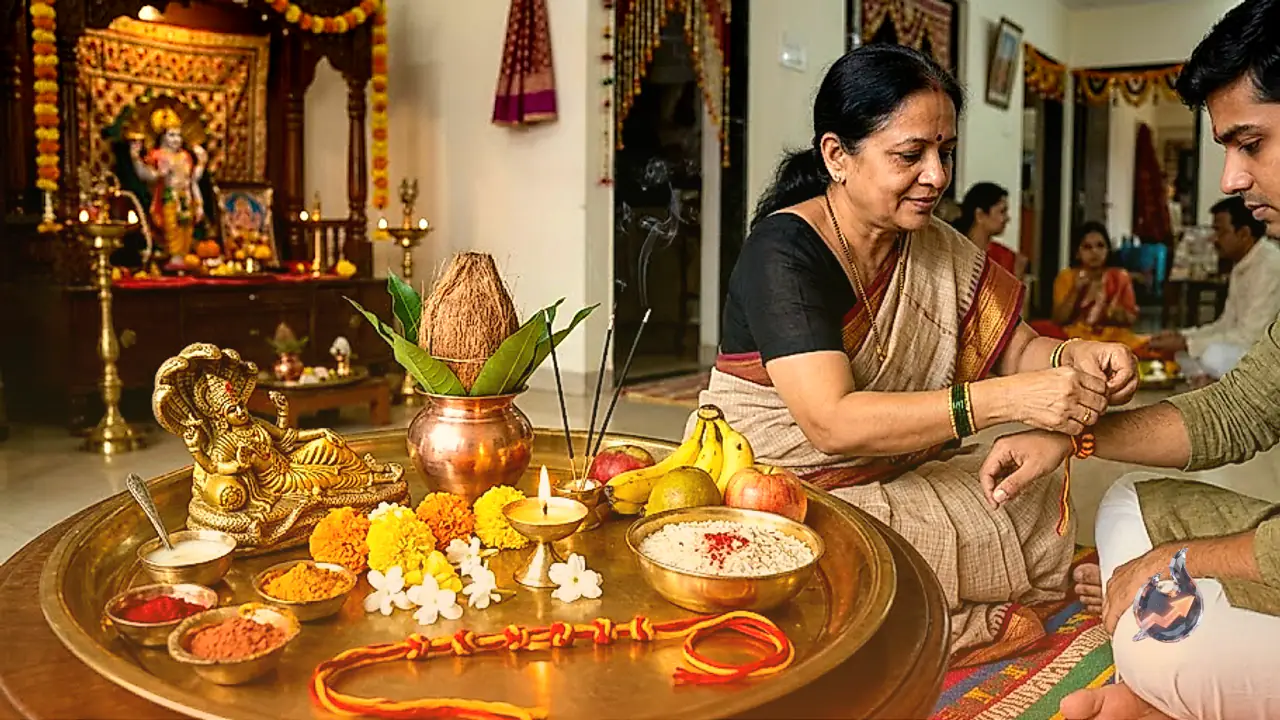
The protective 14-knot thread forms the spiritual core of the Anant Chaturdashi observance, serving as a symbol of divine safeguard. To prepare this sacred band, the following items are needed
Devotees use clean cotton or pure silk thread as the primary material. The cord is ritually treated and dyed using whole turmeric knots or saffron strands. Alternatively, devotees who prefer ready-made ritual accessories can procure a pre-tied thread carrying the traditional 14 knots directly from devotional markets.
Step-by-Step Worship Procedure and Wearing Guidelines
Begin the ceremony by placing a clean wooden stool in the prayer area and draping it with fresh yellow fabric. Install the holy idol depicting Lord Vishnu, Goddess Lakshmi, and Sheshnag upon the altar. Apply tilak marks using sandalwood paste, turmeric, roli, and saffron to honor the divine presence.
Next, immerse the silk or cotton cord into a mixture of turmeric and water until evenly colored, carefully tying fourteen distinct knots along its length. Place this consecrated thread before the divine form. Present fresh flowers, durva grass, unbroken rice grains, whole betel nuts, and sacred tulsi leaves. Light the oil lamp and incense to sanctify the surroundings.
Offer the prepared fruits and sweetmeats as sacred food offerings, followed by reading or listening attentively to the sacred fast story of Anant Chaturdashi. Upon completing the main rituals, the sanctified thread must be tied on the wrist. Male devotees tie the sacred cord on their right wrist, whereas female devotees wear it on their left wrist. Conclude the worship by performing aarti with burning camphor, seeking lasting peace, health, and prosperity for the entire family.