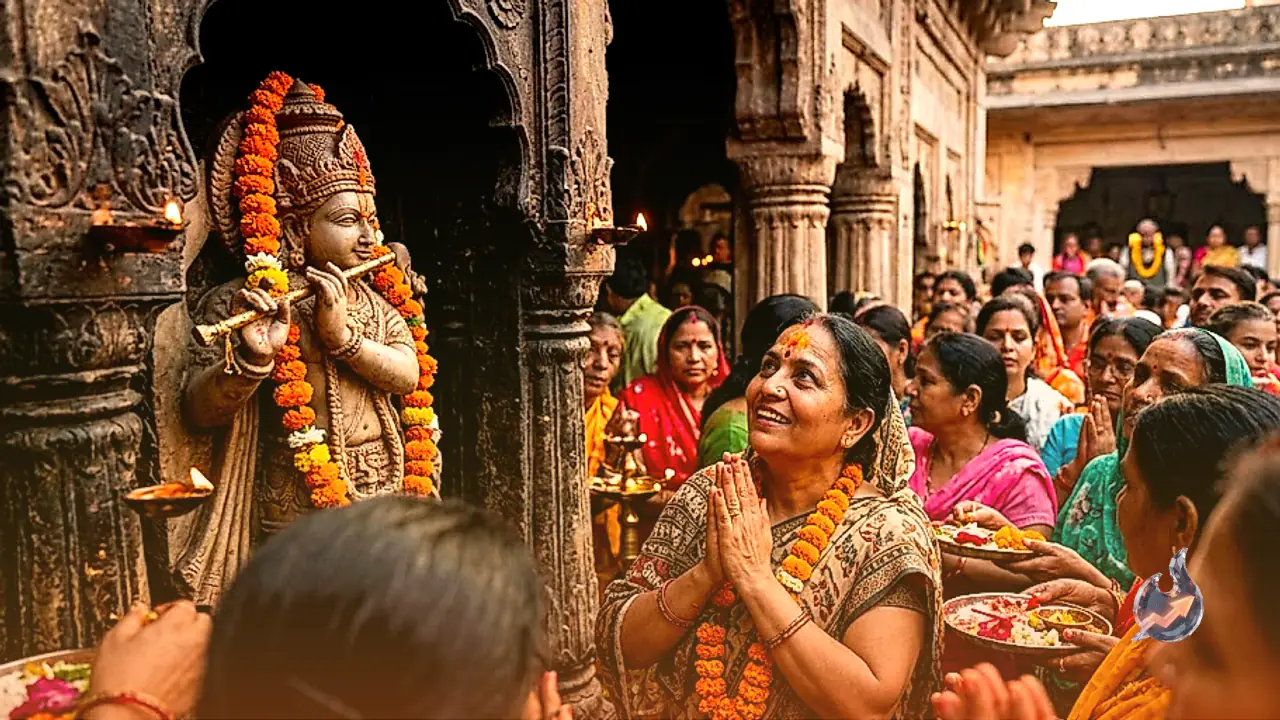























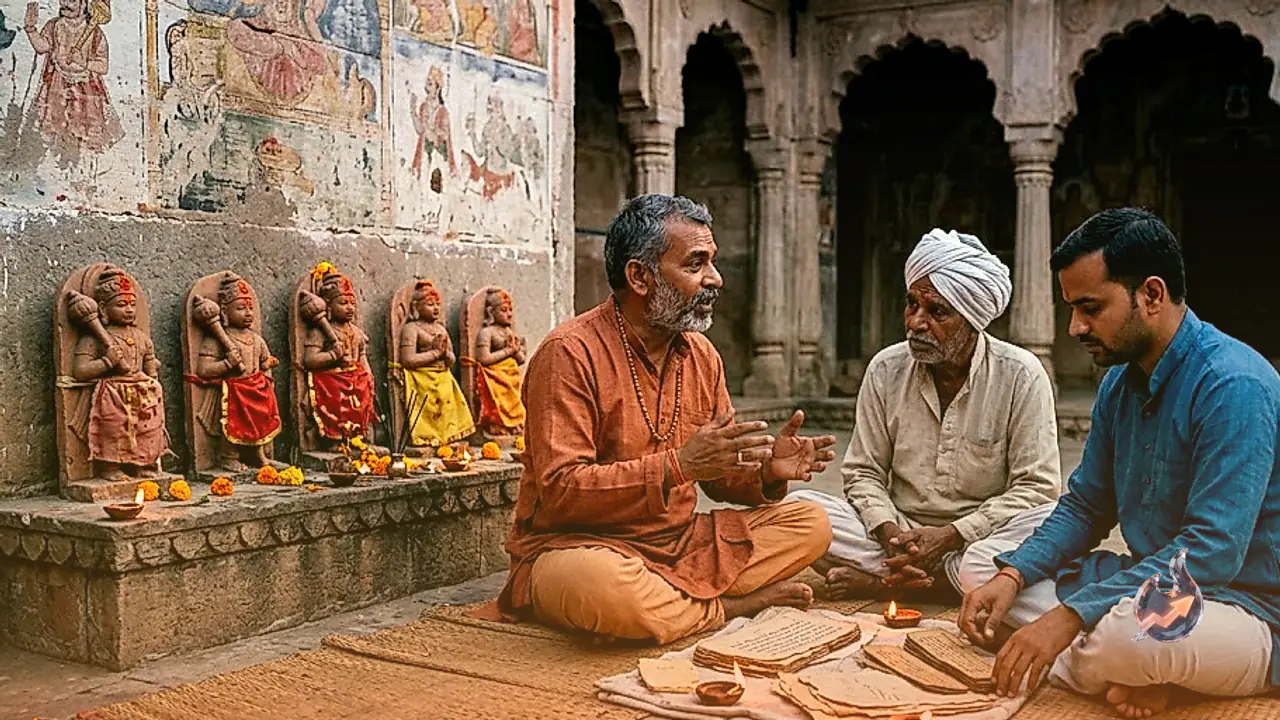

In Hindu tradition, Lord Hanuman is widely revered as the ultimate embodiment of devotion, immense strength, boundless courage, and selfless service. While primary scriptures like the epic Ramayana chronicle his legendary deeds in great detail, are you aware that certain regional folklore and oral traditions also mention that he had five brothers?
According to these popular folk accounts, the names of these five siblings are given as Matiman, Shrutiman, Gatiman, Ketuman, and Dhritiman. However, it is essential to understand that these stories regarding his brothers are not recognized as established facts within mainstream and universally accepted scriptural texts. Instead, they primarily circulate through localized cultural narratives, folklore, and storytelling traditions.
The Lessons Embodied by Matiman and Shrutiman
In folk narratives, Matiman is associated with intellect, sharp discernment, and the ability to make sound decisions under pressure. These regional tales convey the message that merely acquiring knowledge is insufficient unless a person applies it wisely at the right time and in the appropriate manner. The character of Matiman serves as a reminder to act thoughtfully, stay humble despite knowing much, and apply practical wisdom according to changing circumstances.
On the other hand, Shrutiman is traditionally linked with scriptural wisdom, religious learning, and spiritual education. His very name points toward the concept of shruti, which represents knowledge that is heard, learned, and retained. Within folk traditions, Shrutiman is viewed as a figure who highlights the continuous nature of learning, emphasizing that the process of acquiring wisdom lasts throughout a person's entire life.
Gatiman, Ketuman, and Dhritiman in Traditional Lore
In keeping with his name, Gatiman is regarded in these stories as a symbol of swift movement, agility, and the capacity for immediate action. The underlying philosophy of the tales associated with him is that merely contemplating an idea is never enough; taking prompt and calculated steps when the right opportunity arrives is equally vital for achieving success. Thus, Gatiman represents active engagement, alertness, and unwavering diligence.
Ketuman is closely connected with valor, physical prowess, and absolute fearlessness. His character in regional folklore highlights the importance of standing firm during severe crises and refusing to back down when faced with daunting obstacles. The core message tied to Ketuman is that preserving self-belief during turbulent times and confronting difficulties with bravery constitutes true inner strength.
Finally, Dhritiman is portrayed as the ultimate symbol of patience, mental resilience, discipline, and self-restraint. Traditional accounts suggest that remaining calm even amidst adversity and refusing to waver from one's ultimate goal were the defining traits of his personality. The narrative surrounding him imparts the lesson of maintaining patience and emotional control when circumstances do not immediately turn in one's favor.
The Deeper Significance of These Five Figures
Rather than viewing these five characters strictly as literal members of a divine family, traditional interpreters look at their symbolic value for daily life. Intellect points the way in the right direction, knowledge expands understanding, active effort pushes tasks forward, courage provides the strength to fight through hardships, and patience helps an individual stay focused on the final objective.
Despite their cultural resonance, these tales of the five brothers must not be treated as canonical scriptural facts. Diverse traditions across different regions present varying accounts concerning the birth, lineage, and life of Lord Hanuman. Consequently, viewing Matiman, Shrutiman, Gatiman, Ketuman, and Dhritiman as his brothers is best understood through the lens of regional folklore, serving primarily to impart timeless moral values through allegorical storytelling.