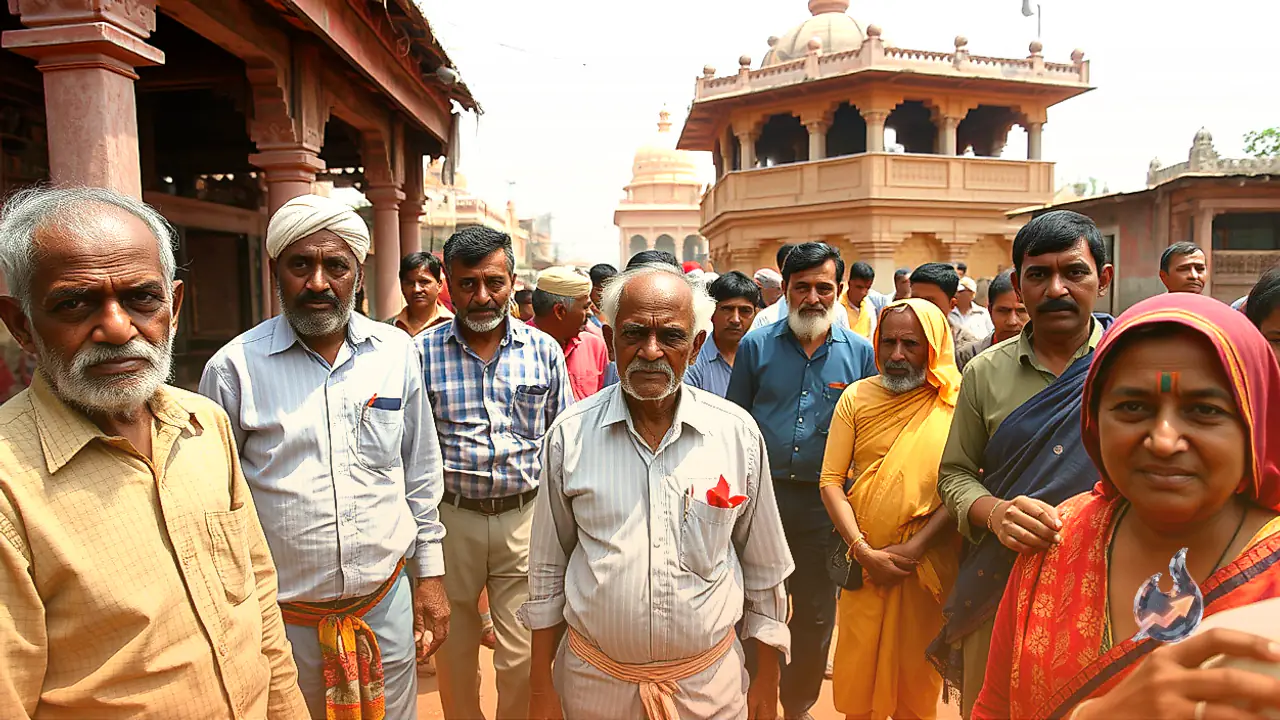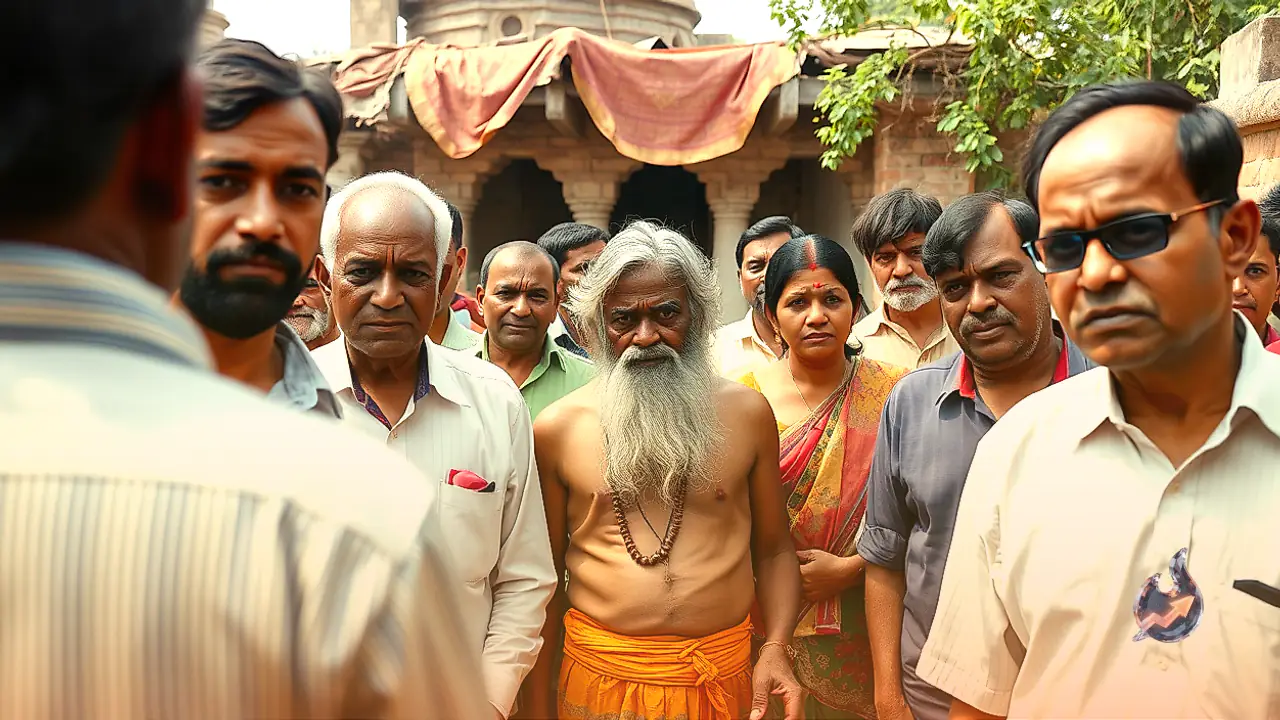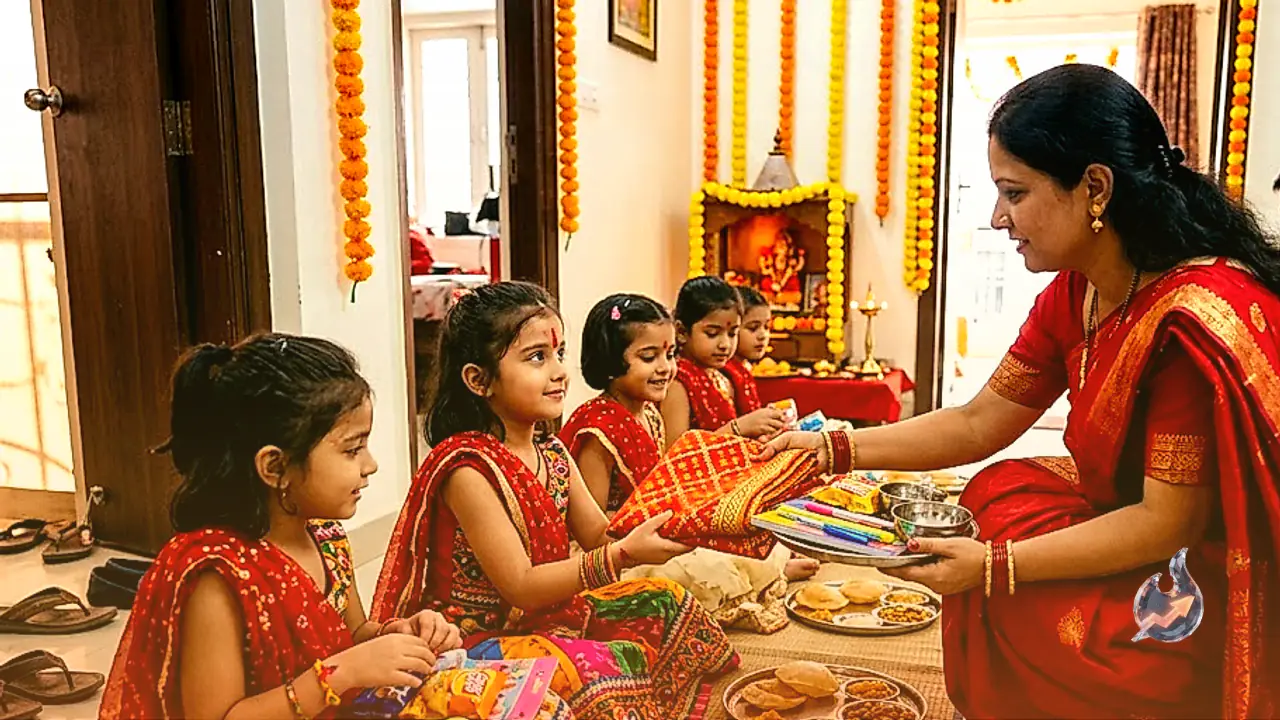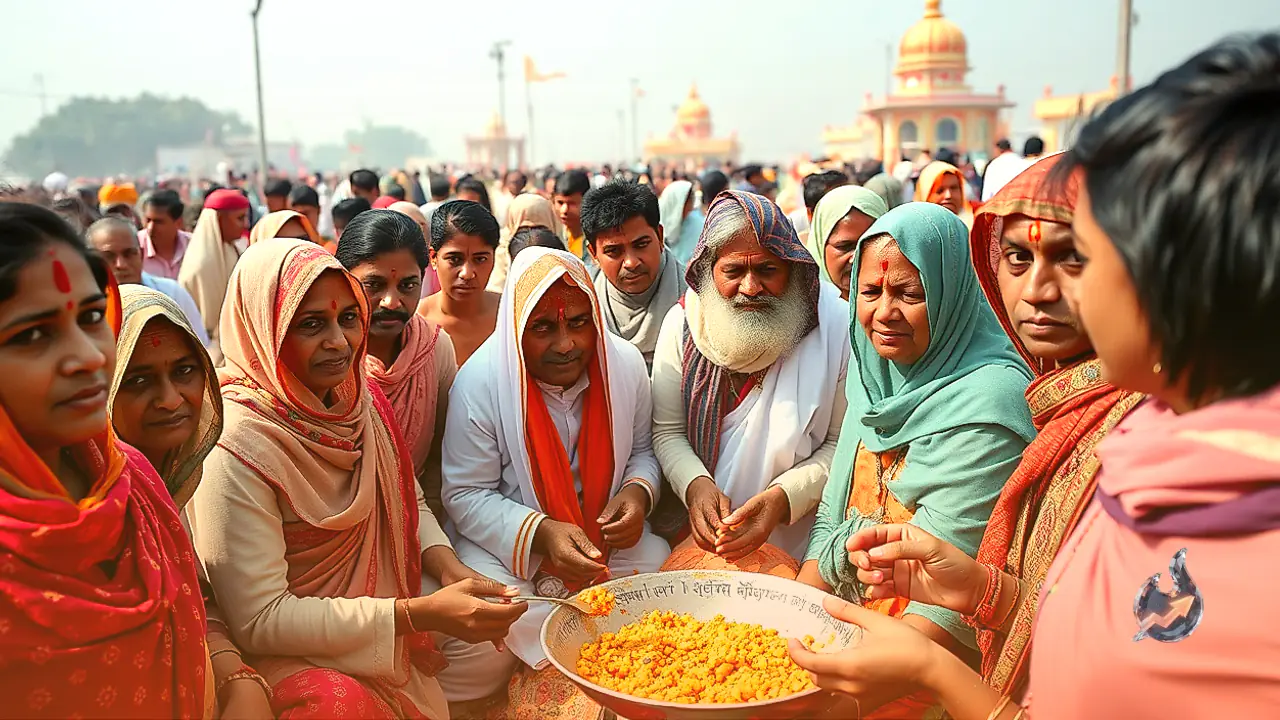























The fortnightly period dedicated to honouring departed ancestors reaches its culmination with Sarva Pitru Amavasya, scheduled to fall on Saturday, 10 October 2026. Within Vedic customs, this final day of Pitru Paksha serves as a collective memorial occasion. It is customary for individuals to observe tarpan and shraddha for deceased relatives whose exact lunar departure dates are either unrecorded or inadvertently skipped during the preceding fortnight. According to age-old beliefs, conducting these rites with sincere reverence allows ancestral spirits to accept offerings joyfully, ensuring their peaceful departure back to the spiritual realm while granting prosperity to their descendants.
Morning Purification and the Practice of Tarpan
The observance commences early in the morning during Brahma Muhurta, well before dawn breaks. Sacred texts encourage individuals to bathe in holy rivers on this auspicious occasion. When reaching a sacred river is impracticable, adding a few drops of holy Ganga water to ordinary bathing water at home fulfills the purification practice. Once bathed and dressed in clean attire, the devotee should sit facing the southern direction, which is spiritually regarded as the realm of ancestors and deities associated with the afterlife.
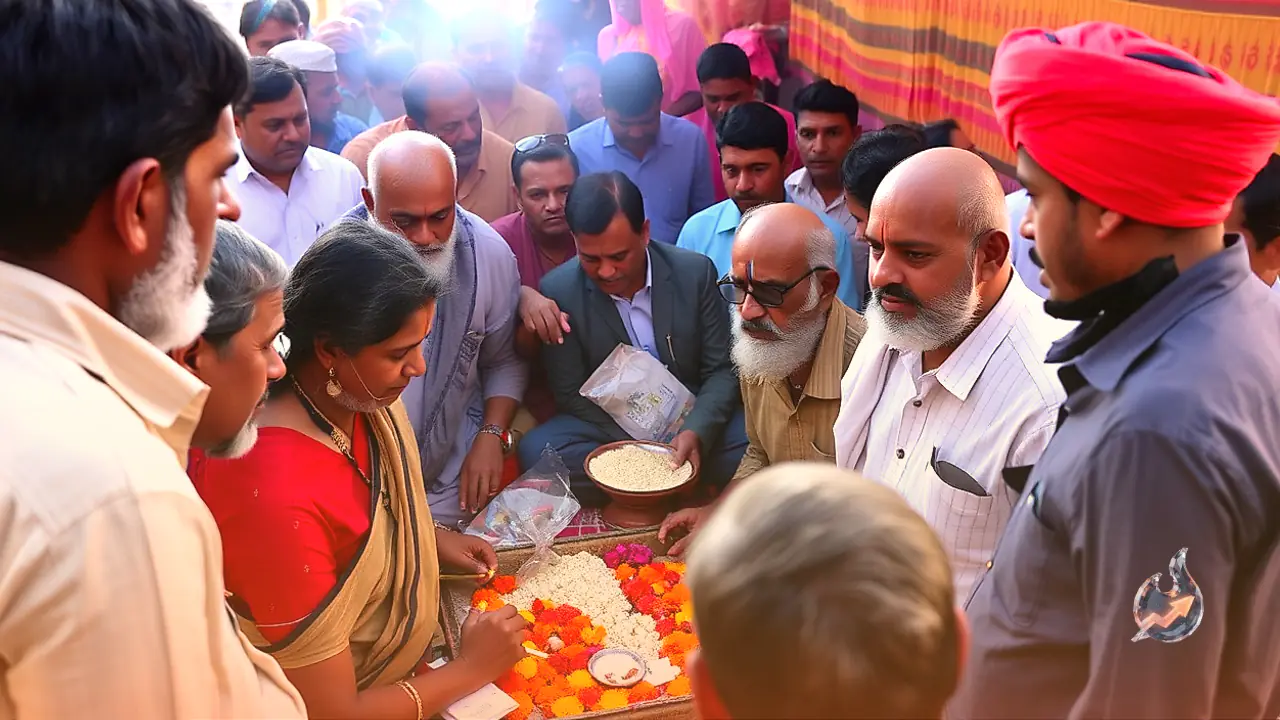
For the tarpan ritual, pure water mixed with black sesame seeds and fresh flowers is held in cupped hands and offered while chanting the mantra Om Adya Amuka Gotram Amuka Sharmanah (Ancestor's Name) Pretaya Namah. Following water offerings, ceremonial food spheres known as pindas are fashioned using wheat flour, barley, or rice mixed with honey, milk, and clarified butter. These pindas are presented one by one to satisfy departed souls and bring peace to their lineages.
Preparation of Satvik Meals and Traditional Offerings
Culinary preparations for this occasion must strictly observe purity and satvik principles, completely excluding garlic and onions. The traditional menu features fried puffed bread, pumpkin curry, spiced yoghurt curry, urad dal fritters soaked in yoghurt, and sweetened rice pudding. Rice kheer is traditionally considered particularly pleasing to departed ancestors.
Before offering food to invited priests, portions must first be dedicated to nature and living creatures. A share of the freshly cooked meal is offered to cows, crows, and dogs. Ancient scriptures indicate that offerings made through these animals reach ancestral entities directly. Only after this initial offering are brahmins and underprivileged people fed with respect and dignity.
Charity Guidelines and Forbidden Activities
Following the meal, families should distribute charitable gifts based on their personal capacity. Donating grains, comfortable footwear, clothing, and other utilitarian household goods to the needy is believed to alleviate ancestral burdens and bring harmony to the family. Generosity must be coupled with modesty and sincere devotion.
Conversely, rigorous restrictions govern personal conduct throughout this sacred day. The consumption of non-vegetarian food, intoxicating beverages, and spicy or fermented items is strictly forbidden. Personal grooming activities, including trimming hair, shaving facial hair, and cutting fingernails, should not be performed. Households are advised to maintain absolute peace, refraining from arguments or harsh words. Furthermore, because this day is exclusively reserved for remembrance, auspicious undertakings such as housewarming ceremonies, weddings, tonsure rituals, or purchasing novel commercial items should be strictly postponed.