




















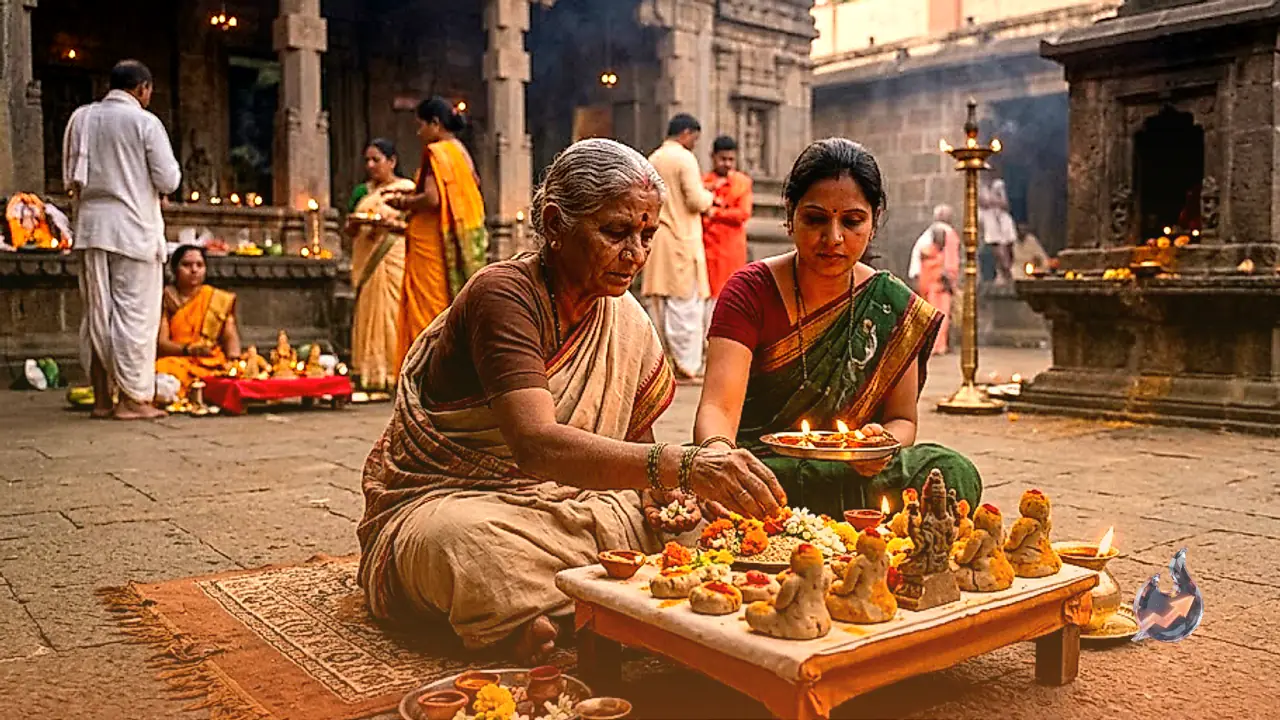

Bhadrapada Amavasya holds profound spiritual significance in Hindu traditions. Falling on 10 September 2026, this sacred lunar day is widely recognized by various regional names including Pithori Amavasya, Kushagrahani Amavasya, Pola Amavasya, and Matri Amavasya. According to religious beliefs, observing this fast eliminates planetary defects, protects family members from misfortunes, and ensures the prosperity of future generations. Mothers observe a strict daylong fast on this day to seek divine protection, long life, and overall well-being for their children. The core ritual involves creating dough figures (pithori) representing Goddess Pithori, the 64 Yoginis, and the Saptamatrikas, followed by elaborate evening worship.
Pithori Amavasya 2026: Date, Timings, and Auspicious Muhurat
According to astronomical calculations, the Amavasya Tithi begins at 10:33 AM on 10 September 2026 and concludes at 08:56 AM on 11 September 2026. Considering the auspicious overlap during twilight hours (Pradosh Kaal), all primary rituals and fasts will be observed on 10 September 2026. The most auspicious evening period for performing the puja ranges from 06:33 PM to 08:51 PM. Worshipping Lord Shiva, Goddess Parvati, and the 64 Yoginis during this designated time frame is believed to grant immense spiritual merit.
Morning Purification and Sacred Fast Resolution (Sankalp)
On the morning of Pithori Amavasya, devotees should rise early and complete their purification routines. Taking a bath in a holy river or adding Ganga water to household bathing water is recommended. Afterward, wear clean clothes and sit facing either East or North in a sanctified puja space. To officially begin the fast, hold clean water, fresh flowers, and rice grains (akshat) in your right hand, recite the month and lunar date, and chant the solemn resolution mantra: "मम इह जन्मनि जन्मान्तरे व सौभाग्यपुत्र पौत्रफलावाप्त्यर्थं पिठोरीव्रतं करिष्ये". After taking this pledge, observe a disciplined fast throughout the day.
Creating and Worshipping the 64 Yoginis and Saptamatrikas
During the evening Pradosh Kaal, arrange a clean wooden platform or sanctify a wall space. Devotees construct figures of Lord Shiva, Goddess Parvati, Goddess Pithori, the 64 Yoginis, and the Saptamatrikas using wheat flour dough or cow dung. The seven primary matrikas worshipped on this occasion are Brahmani, Vaishnavi, Varahi, Maheshwari, Kaumari, Indrani, and Chamunda. Auspicious symbols such as elephants, horses, swings, and thrones are also depicted alongside the deities.
Set up a sacred Kalash filled with clean water, adorned with coconut and mango or ashok leaves. Offer traditional puja items including turmeric, kumkum, roli, mauli, fresh flowers, incense sticks, oil lamps, and akshat to all deities. Devotees systematically recite the individual names of the 64 Yoginis while offering prayers and homage.
Traditional Bhog, Vrat Katha, and Fast Conclusion
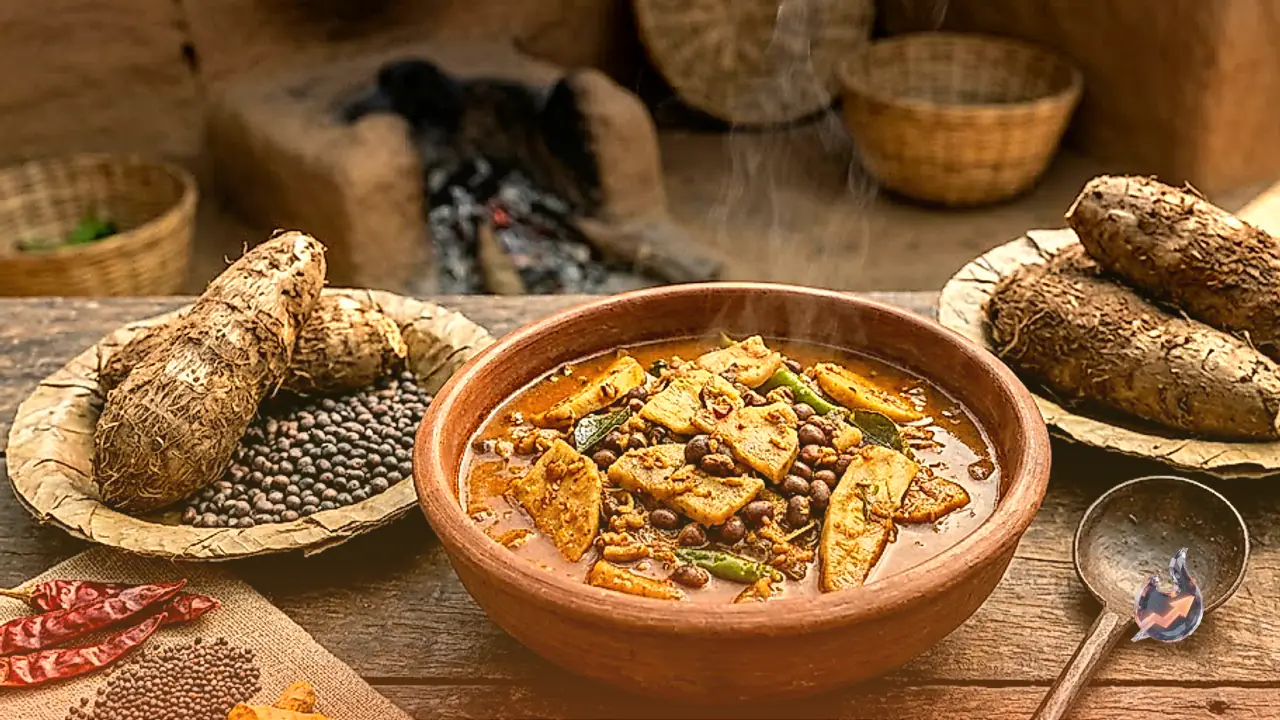
Preparing saattvik offerings is an integral element of Pithori Amavasya. Devotees offer freshly prepared wheat rotis, churma, jaggery, puri, kheer, and pure ghee to the deities. In many cultural traditions, 11 or 21 distinct items made of wheat dough (pithori) are dedicated as sacred food offerings.
Upon finishing the ritual offerings, devotees listen to the traditional Pithori Vrat Katha and perform the Aarti. Performing charitable acts (Pitru Daan) in memory of ancestors, such as donating food or clothes, is highly recommended. To conclude the fast, devotees feed a married woman (suhagan) and a Brahmin, seek their blessings, and then consume a saattvik meal to complete the observance.