

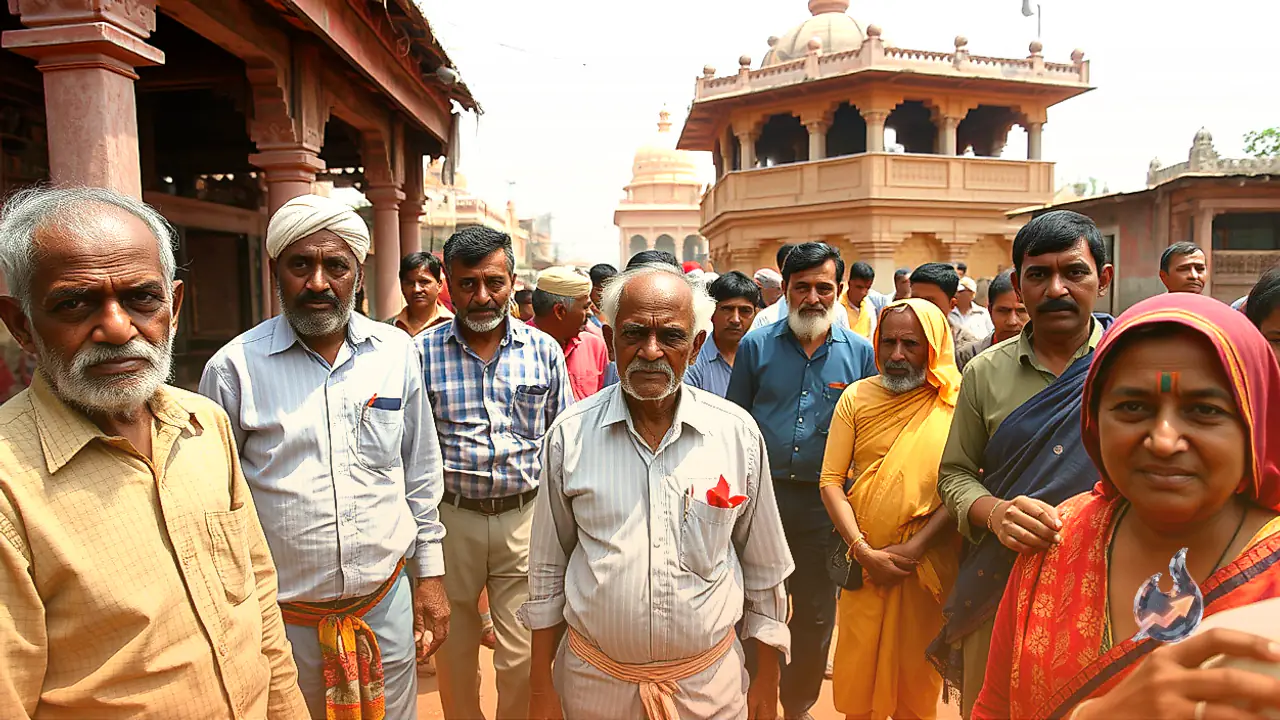
















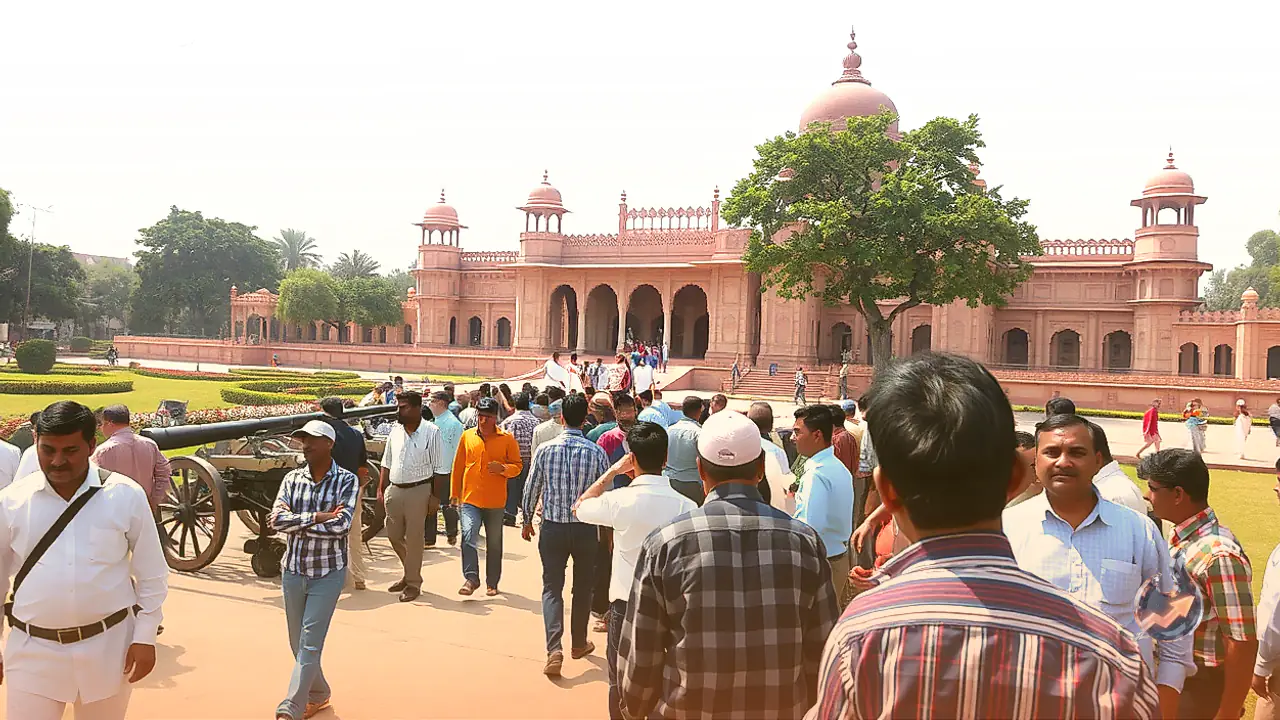

Situated opposite the Raj Niwas Palace in Dholpur, Rajasthan, the city's integrated park stands as much more than an ordinary leisure garden. It represents a vibrant historical timeline, documenting the monumental transition from princely rule to democratic governance. Within this sprawling green expanse, visitors encounter tangible remnants of the princely era, most notably an authentic historic water cannon that reflects the grandeur, engineering, and regal legacy of the former rulers of Dholpur. Every section of the park silently narrates episodes from the region's storied past.
Natural greenery forms another key dimension of this heritage sanctuary. The grounds house more than 100 distinct varieties of trees and plants, creating an enriching ecological belt within the urban landscape. During early morning and late evening hours, local residents gather in significant numbers for walking, jogging, and outdoor exercise. Beyond fitness and leisure, the park fulfills an active role in community life. Families from the township continue to organize traditional ceremonies, including Godh Bharai rituals, within its peaceful environment, keeping age-old customs alive in a shared civic space.
Transitioning from monarchy to democratic administration
Historian Arvind Sharma provides detailed background on the structural and civic evolution of this public ground. He explains that the park bore witness to the conclusion of royal governance and the gradual rollout of the democratic system in Rajasthan. During the princely era, the rulers of Dholpur commissioned and installed a specialized water cannon here. That artifact remains on display today, drawing history enthusiasts and travelers from surrounding districts as an enduring symbol of princely pageantry and defence craftsmanship.
Following India's transition to a republic, authorities introduced comprehensive changes to the layout. Historian Arvind Sharma explains that in the initial democratic phase, the area was divided into three separate gardens named Jawahar Park, Gandhi Park, and Subhash Park. Each individual garden carried distinct historical associations and honored pivotal figures of the freedom movement. Eventually, the civic administration decided to merge all three parcels into a single consolidated park, giving citizens access to a significantly larger, unified public zone.
National memorials and the path to conservation
The deepest historical significance of the park connects directly with Mahatma Gandhi. At the heart of the grounds sits the Gandhi platform, marked by a statue of the Father of the Nation alongside an ornate heritage fountain. Historian Arvind Sharma recounts that following Mahatma Gandhi's death, an urn carrying his ashes was brought to Dholpur and placed at this very site for 13 days. Throughout that period of state mourning, the citizens of Dholpur assembled daily to pay their respects and mourn the national tragedy.
Because of this profound historical event, the site gained lasting prominence as Gandhi Park among local communities. Today, the location serves as an active venue for civic rallies, cultural functions, and public discussions. Even so, historians emphasize that this historic landmark requires upgraded conservation measures and targeted tourism development to preserve its royal artifacts and memorial spaces for future generations.