



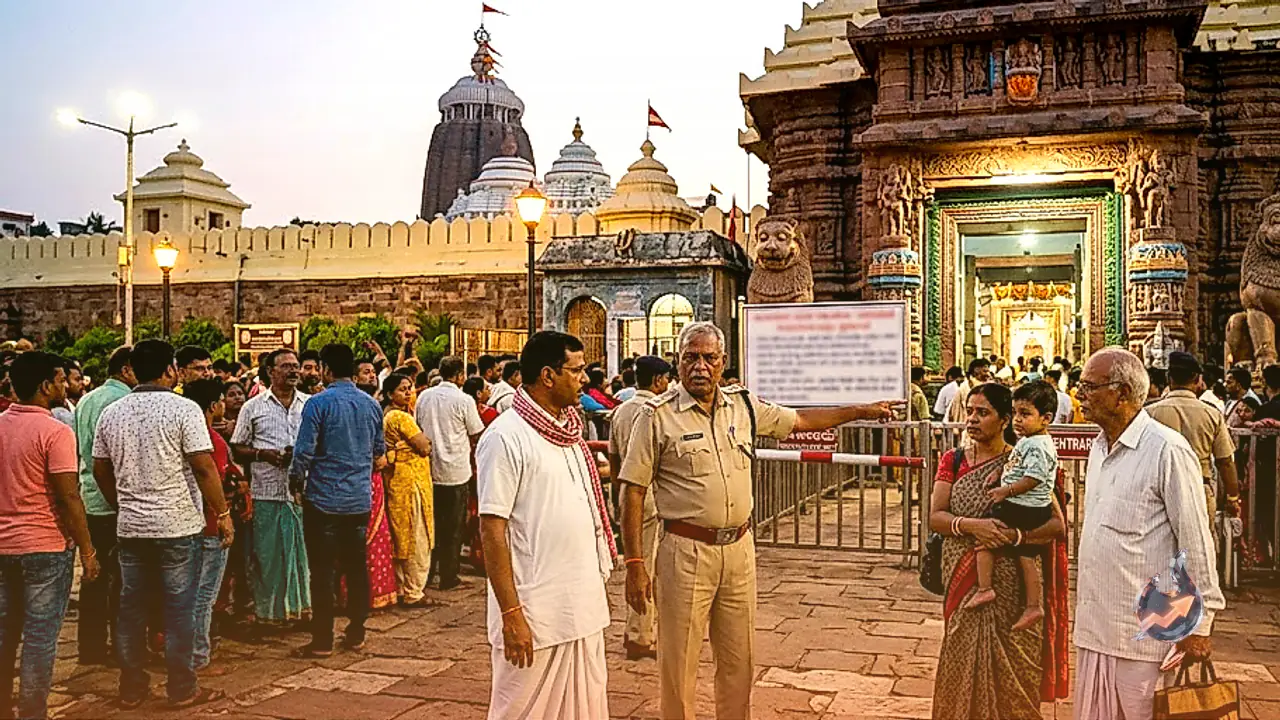
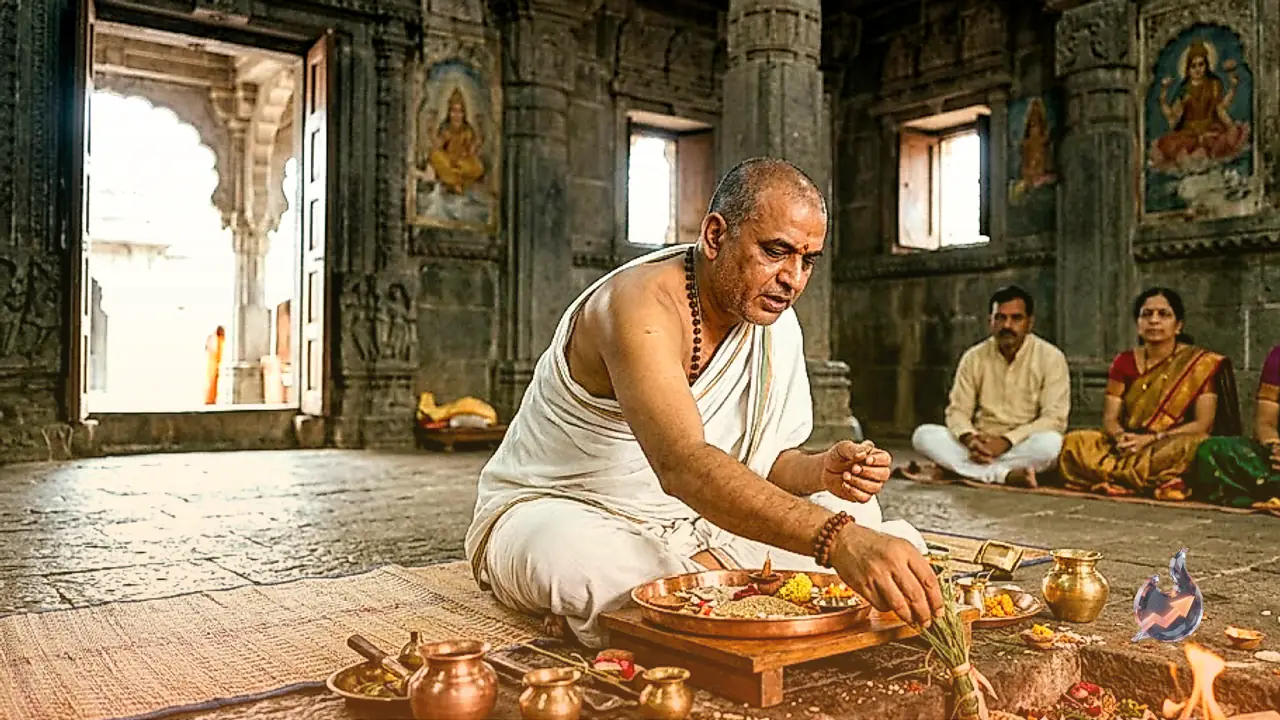
















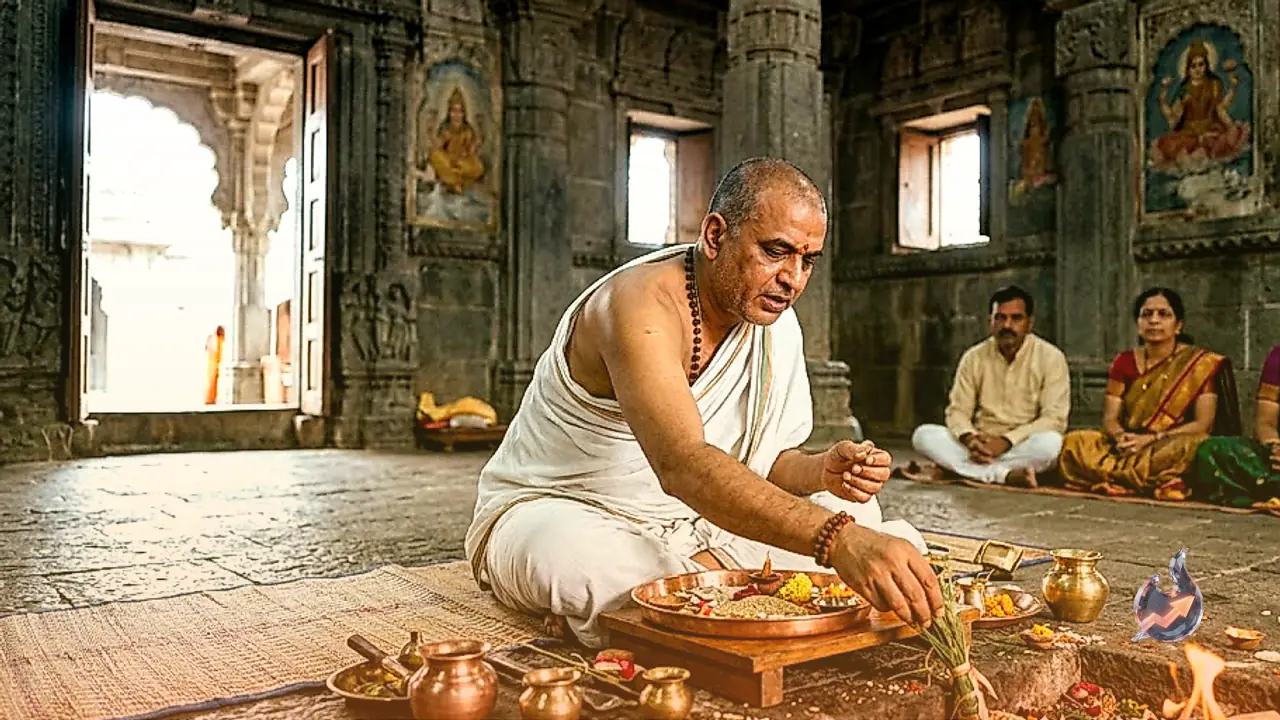

Located 28 kilometers from Nashik in Maharashtra, nestled at the base of the Sahyadri mountain range and Brahmagiri hills, Trimbakeshwar represents far more than an ancient temple complex. It serves as an enduring sanctuary for generational psychological healing and spiritual renewal. In Indian culture, paying homage to ancestors and seeking release from ancestral debt has always been a profound duty. Trimbakeshwar provides a tangible, sacred space for this spiritual devotion. Across India, the pilgrimage site is renowned as an unparalleled destination for mitigating Pitru Dosha, conducting Tarpan, and securing peace for souls that suffered untimely departures.
Hemadpanthi Architecture And The Trinity Lingam
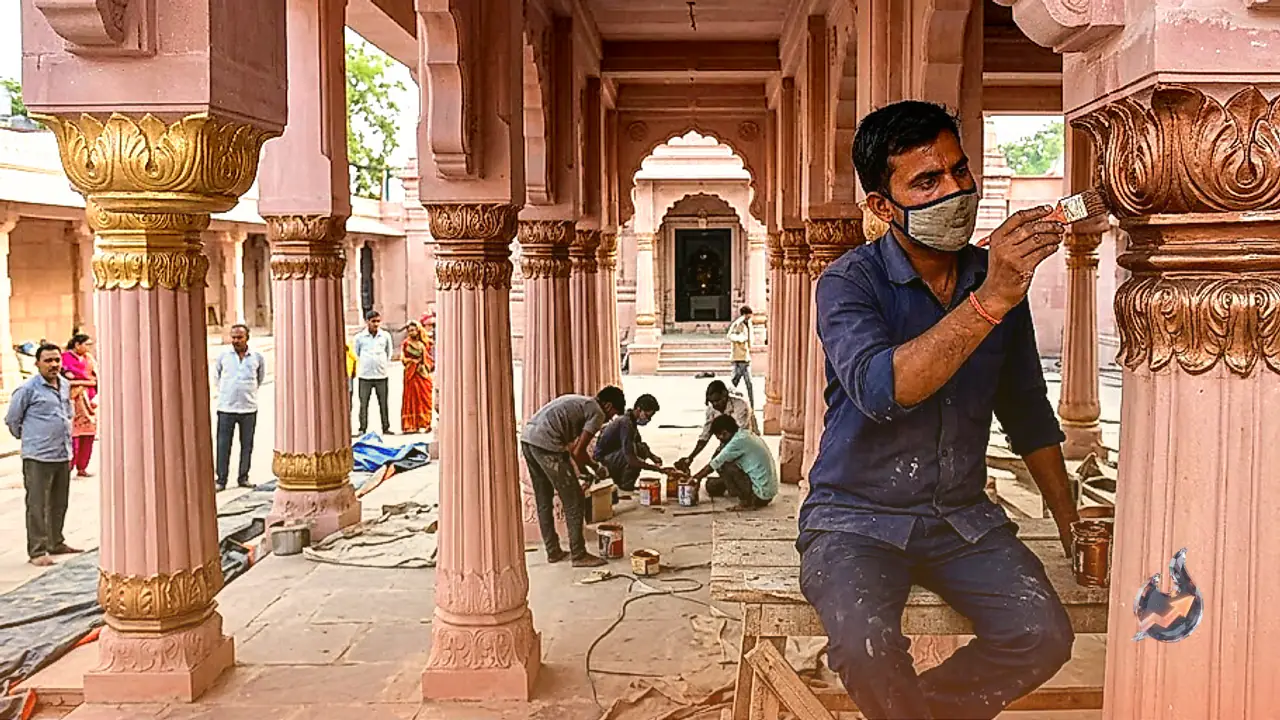
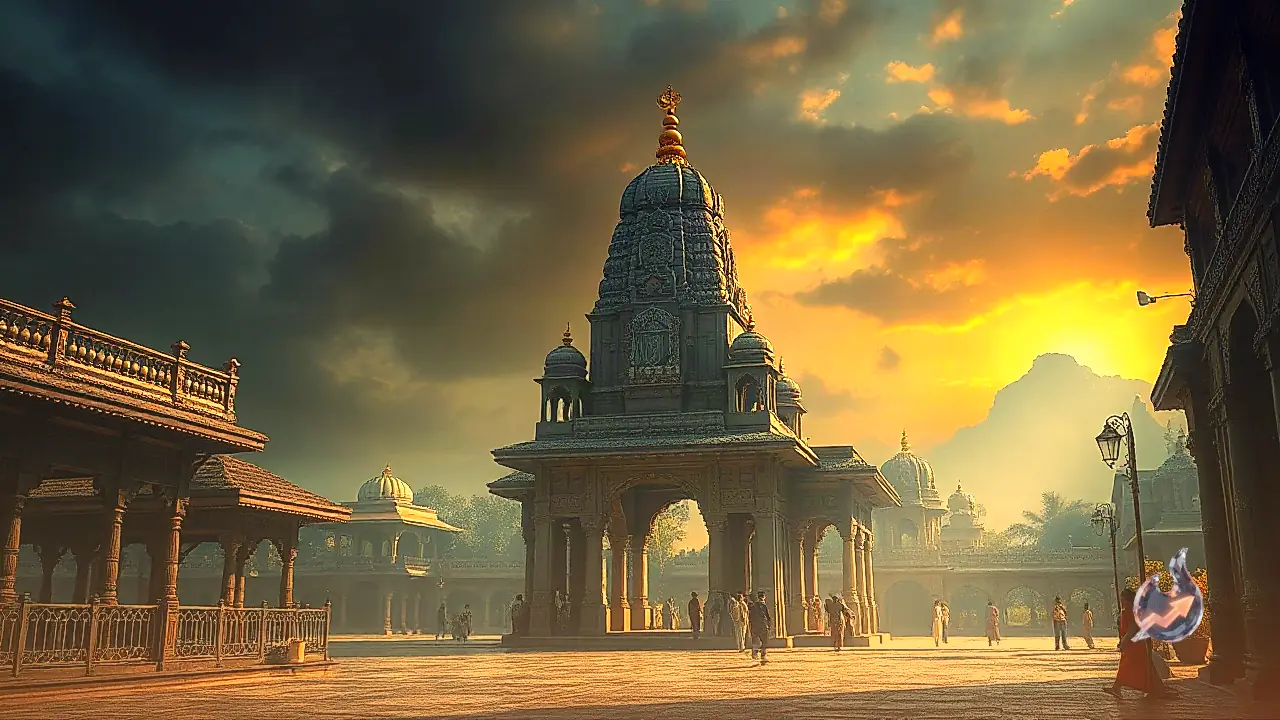
The distinctive historical and structural elements of the Trimbakeshwar shrine set it apart from other sacred destinations across the subcontinent. The existing temple structure was commissioned in the eighteenth century by the third Maratha Peshwa, Nanasaheb, also known historically as Balaji Baji Rao. Constructed entirely from black basalt stone, the monument stands as an exceptional showcase of the classical Hemadpanthi architectural style. Among India's twelve sacred Jyotirlinga shrines, Trimbakeshwar is unique because the core lingam houses a small cavity featuring the divine trinity of Brahma the creator, Vishnu the preserver, and Mahesh the transformer, represented together as three thumb-sized faces.
Sage Gautama's Austerities And The Advent Of The Godavari
The convergence of the Hindu trinity at this single sacred point is viewed by scholars as the primary reason for the site's unmatched efficacy in pacifying ancestral afflictions. Here, the cosmic energies governing life's origin, sustenance, and ultimate liberation intersect. The focal point of all Tarpan and Shraddha ceremonies conducted at Trimbakeshwar is the sacred Kushavarta Kund. Canonical scriptural accounts in the Skanda, Padma, and Garuda Puranas record that Sage Gautama and his wife Ahalya once maintained their hermitage at this location. According to traditional narratives, Sage Gautama inadvertently incurred the sin of causing the death of a cow. To cleanse himself of this profound remorse and guilt, he undertook severe spiritual penance addressed to Lord Shiva.
The Philosophical Significance Of Kushavarta Kund
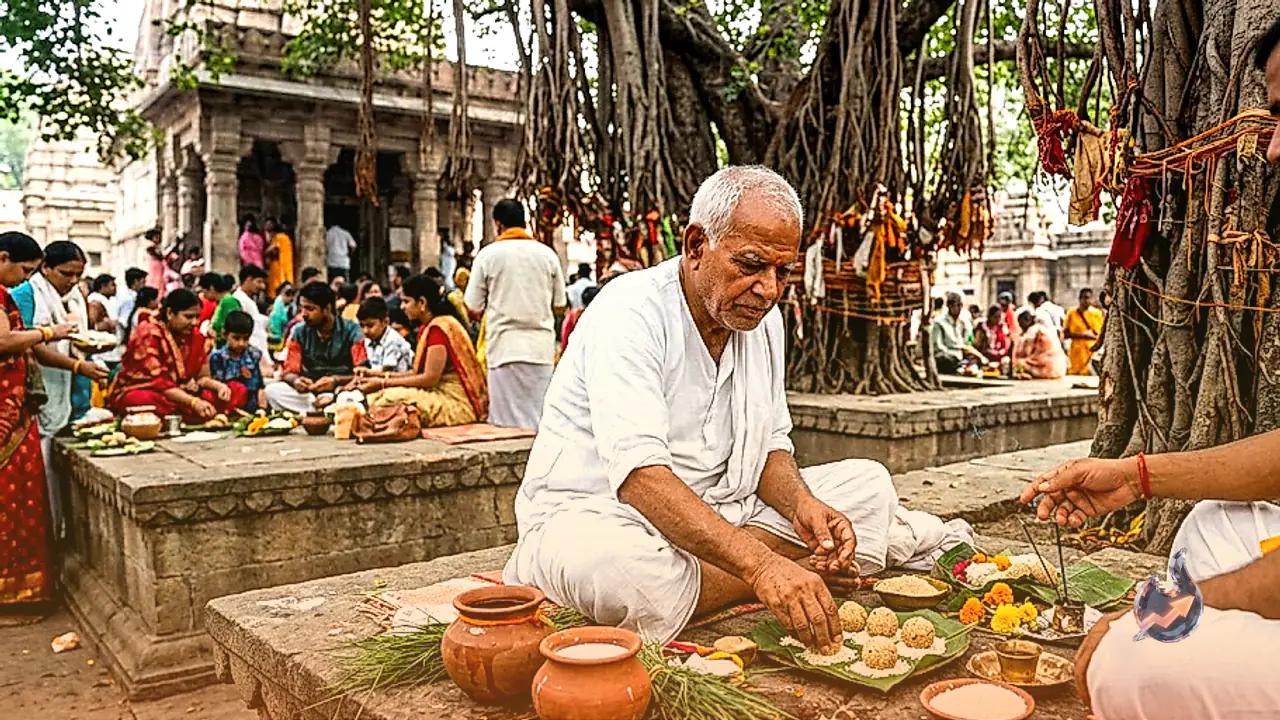
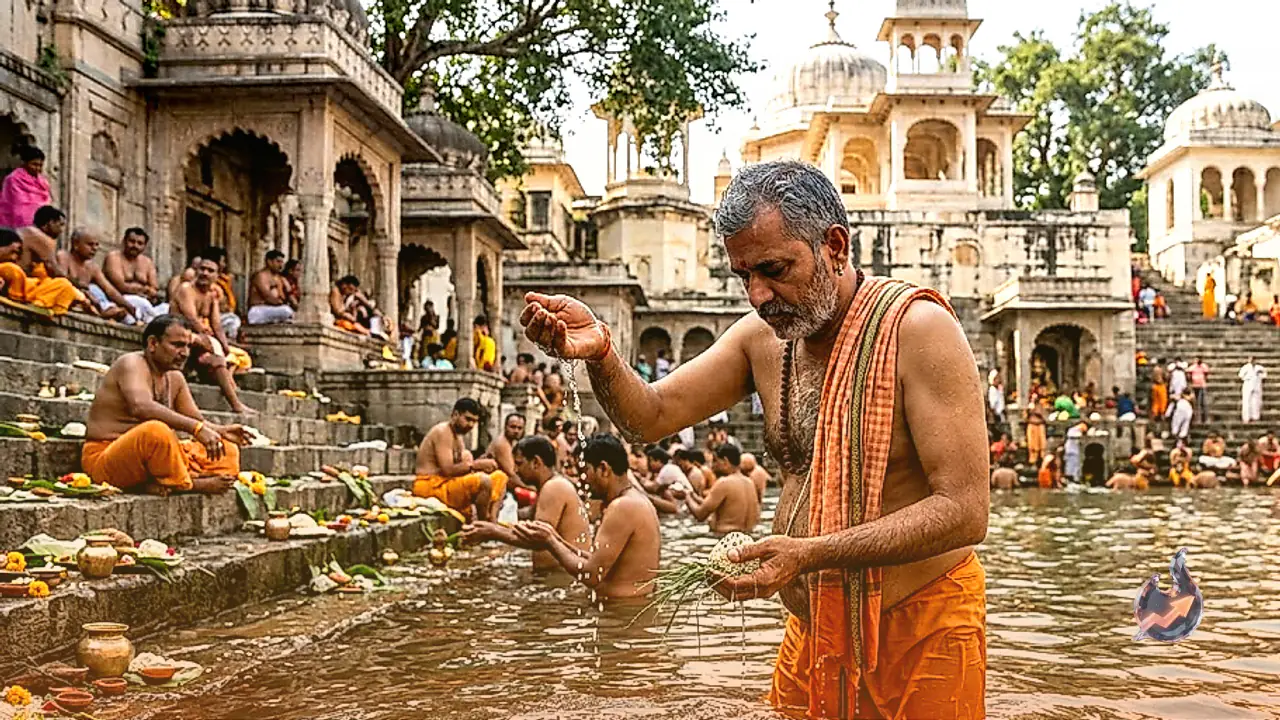
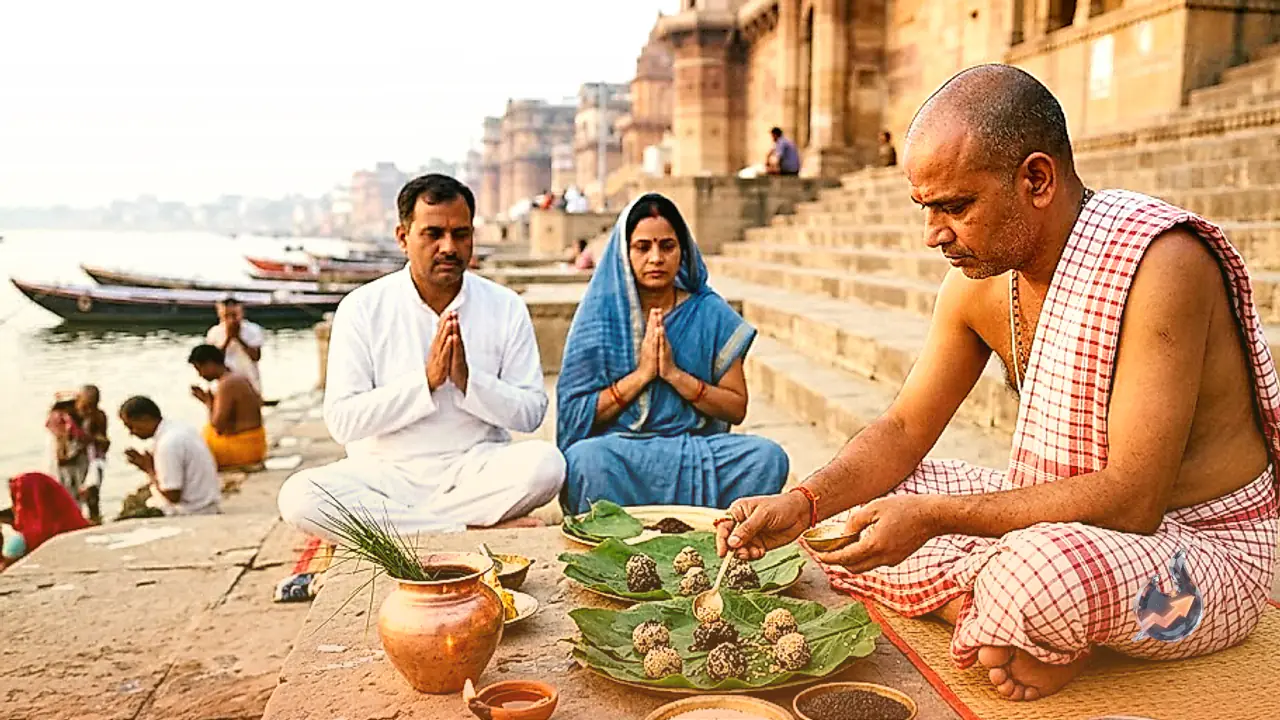
Pleased with his rigorous devotion, Lord Shiva released the sacred waters of the holy Ganga from his matted locks, which flowed down into southern India and came to be known as the Godavari River. As the newborn river surged with tremendous fury, Sage Gautama utilized sacred Kusha grass to contain and calm the torrent, creating a reservoir that is venerated today as Kushavarta Kund. Analysts view this mythological act of harnessing rushing waters as a profound symbol of disciplining restless inner tendencies and karmic momentum to attain personal purification. Performing sacred baths and ancestral rites at Kushavarta Kund is believed to grant ancestral spirits complete deliverance from worldly ties. Unsatisfied souls receive spiritual sustenance through classical Vedic oblations involving water, black sesame seeds, sacred grass, and rice grains.
The Sole Global Center Prescribed In Dharma Sindhu
The rituals conducted at Trimbakeshwar primarily address unexplained hurdles in human life, obstacles impeding lineage continuation, and lingering mental distress commonly categorized as Pitru Dosha. According to the authoritative seventeenth-century ritual treatise Dharma Sindhu, the complete Narayan Nagbali ceremony can only be performed at Trimbakeshwar and nowhere else on earth.
A Complex Three-Day Rite Using Flour Effigies
The Narayan Nagbali sequence is an elaborate three-day observance that integrates two distinct ritual frameworks: Narayan Bali and Nagbali. Narayan Bali is dedicated specifically to unfulfilled spirits that remain tethered to the earthly plane due to lingering earthly attachments. Throughout this observance, an artificial human form or effigy is molded from wheat flour. Through the chanting of sacred Vedic mantras, the wandering soul is ritually invoked into this temporary form, after which symbolic cremation and funeral rites are solemnly carried out. The psychological and metaphysical philosophy underpinning this rite is that a disembodied soul deprived of physical obsequies is provided with a symbolic vehicle, enabling an honorable departure while releasing surviving family members from unresolved grief, guilt, and invisible psychological burdens.
The Heritage Of The Tamrapatradhari Priests
The authenticity and spiritual efficacy of these Vedic ceremonies depend directly on the heritage of the celebrants administering them. Trimbakeshwar is home to a dedicated Purohit Sangh, an institutional council of local priests with an unbroken tradition spanning more than 1,200 years. These resident officiants are known as Tamrapatradhari priests because their ancestors were officially granted hereditary authority on engraved copper plates, or tamrapatras, by the Maratha Peshwas to conduct these specialized, closely guarded rites.