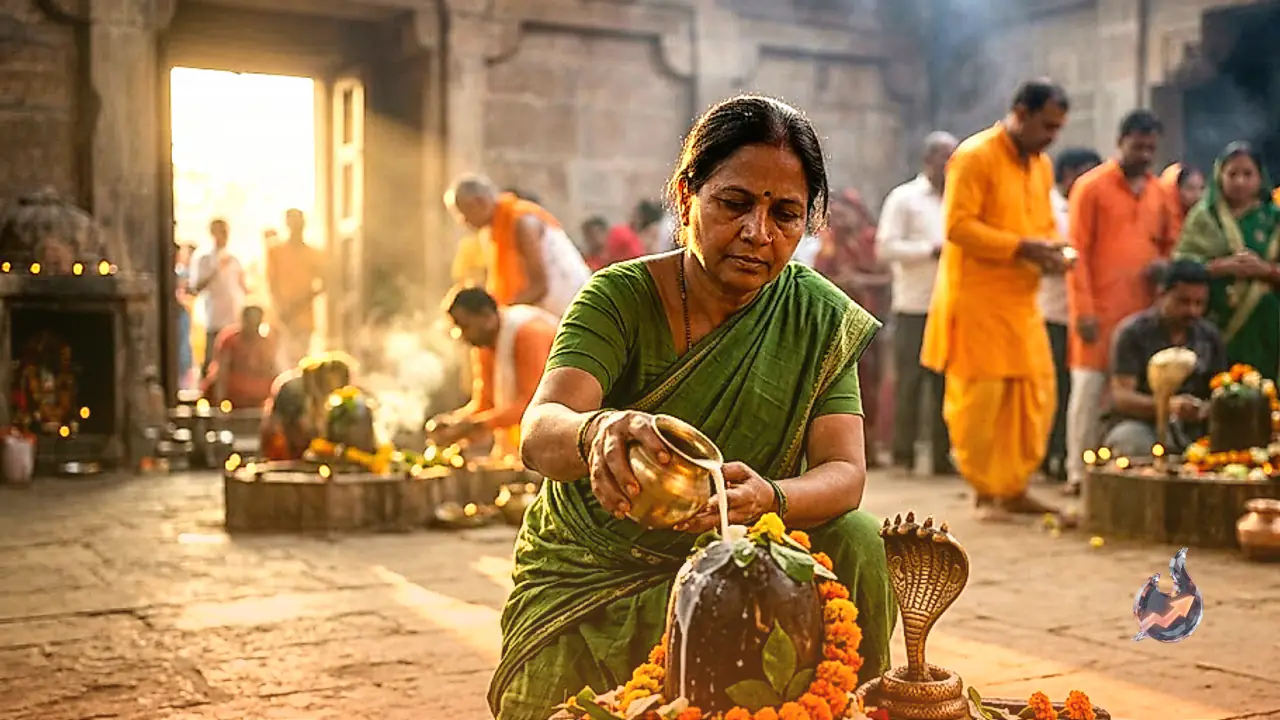

























With the arrival of the auspicious Sawan month, temples across the region resonate deeply with chants of “Om Namah Shivaya” and the Mahamrityunjaya mantra. Countless individuals dedicate time each day to recite Shiva mantras with utmost devotion, yet a common question frequently crosses their minds: Is it truly necessary to understand the literal meaning of a mantra before chanting it? If someone lacks knowledge of Sanskrit and recites the sacred words merely by listening or reading, do they still receive the full spiritual rewards? This lingering doubt troubles not just newcomers on the spiritual path, but also seasoned practitioners who have engaged in daily prayers for years.
Energy and Tradition of Sacred Sounds
Sacred traditions have long assigned immense significance to mantras. Many scholars and spiritual guides point out that mantras are far more than ordinary words, functioning instead as a powerful combination of sound vibrations and deep emotional intent. Given this perspective, examining how vital it is to comprehend the meaning alongside devotion, accurate pronunciation, and mental concentration becomes quite essential.
Is Knowing the Meaning Mandatory?
According to spiritual experts, knowing the exact meaning of a Shiva mantra while chanting is certainly beneficial, but it is never classified as a strict requirement. If an individual chants with complete devotion, unwavering faith, and a focused mind, they can experience profound spiritual peace. Mantras are traditionally viewed not merely as vocabulary from a language, but as embodiments of specific sound energies. Consequently, numerous people have maintained a regular chanting practice for years without fully knowing the direct translation.
How Comprehending Meaning Transforms Practice
When a person finally understands the underlying meaning of a mantra, their personal connection and inner attachment to the chant deepen significantly. For instance, if a devotee grasps that “Om Namah Shivaya” translates to a gesture of reverence, greeting, and absolute surrender to Lord Shiva, their concentration sharpens naturally. Armed with this understanding, the practitioner stops mechanical repetition and instead begins to feel the inner essence of every single phrase. This mindfulness minimizes distractions and helps sustain deep concentration for much longer durations.
Does Precise Pronunciation Matter?
Traditional practices place heavy emphasis on achieving pure and precise pronunciation during mantra recitation. It is widely believed that correct intonation makes the sound vibrations much more effective. Nonetheless, if a practitioner makes a minor slip while maintaining genuine devotion, the mistake is never viewed negatively. This explains why many traditional teachers first guide students slowly through correct pronunciation before explaining the underlying philosophy.
Why Understanding Matters for Mahamrityunjaya Mantra
The Mahamrityunjaya mantra is widely regarded as an exceptionally powerful invocation dedicated to Lord Shiva. It embodies prayers for robust health, mental resilience, and abundant positive energy. Because of its profound nature, many scholars recommend that those who practice this specific mantra regularly should also learn its literal translation to connect deeply with its emotional core. However, this guidance does not imply that chanting without knowing the meaning renders the effort entirely useless.
The Importance of Devotion and Discipline
According to traditional belief systems, mantra recitation relies heavily on the practitioner's inner intent, steadfast dedication, and routine discipline, rather than just the words themselves. Setting aside even a few minutes each day to remember Lord Shiva with a calm mind can foster remarkable mental stability and inner serenity. Many individuals kick off their daily routine with a few moments of Shiva chanting, believing it helps sustain a positive outlook throughout a busy day. This explains why the tradition of mantra recitation persists strongly even amidst today's fast-paced lifestyle.
Steps to Take If You Do Not Know Sanskrit
If you have zero background in Sanskrit, there is no need to worry or feel discouraged. Today, numerous reliable books, audio recordings, and detailed commentaries make it simple to grasp the straightforward meaning of these mantras in everyday language. Beginners should first focus on mastering the correct pronunciation and then gradually explore the inner significance. Taking this approach can make your personal spiritual journey far more meaningful and rewarding.