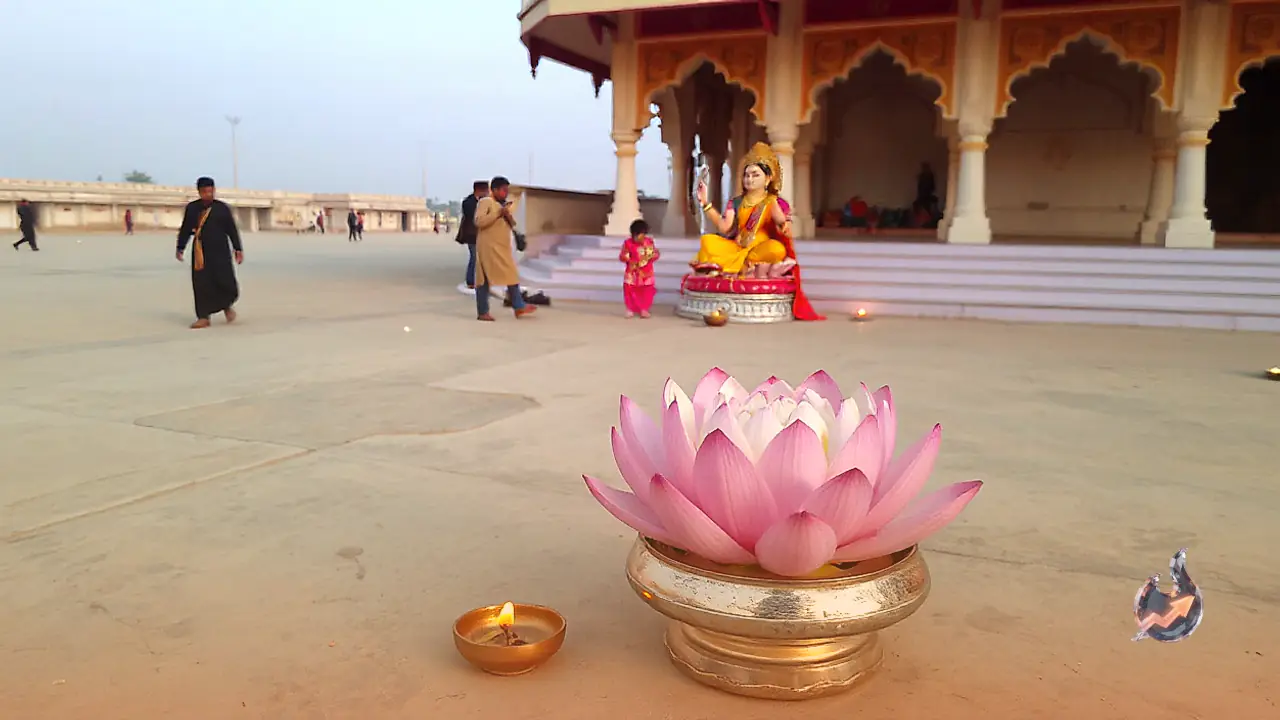
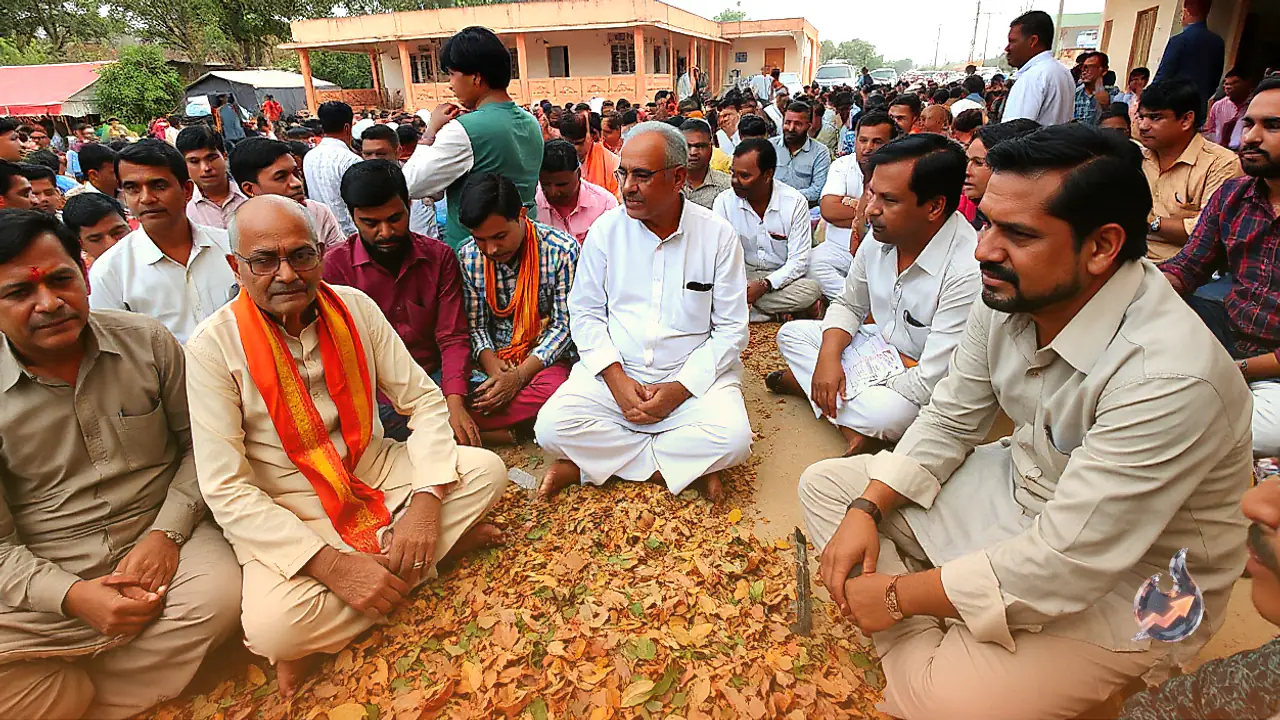
















In Hindu spiritual tradition, the month of Kartik is regarded as a deeply sacred period dedicated to self-discipline, ritual purification, and charitable offerings. The Amavasya falling within this month holds supreme importance, functioning as a dedicated occasion to venerate Goddess Lakshmi, Lord Vishnu, and ancestral spirits. Devotees traditionally assemble at the Ganga and other holy rivers to take ritual dips and distribute alms to those in need. In 2026, calendar timing variations have created uncertainty among devotees about whether the primary observances and holy bathing fall on November 8 or November 9. An examination of traditional astronomical calculations clarifies the precise schedule for worship and charitable acts.
Kartik Amavasya 2026 Exact Schedule and Timings
According to the traditional calendar, the Amavasya tithi of the Kartik month begins on November 8, 2026, at 11:27 AM. This lunar phase continues until November 9, 2026, concluding at 12:31 PM. Vedic customs place utmost weight on Udaya Tithi, which recognizes the lunar phase active at sunrise for daytime rituals, fasts, and general observances. Because the sunrise of November 9 witnesses the Amavasya phase, the sacred bathing rituals, ancestral offerings, and almsgiving must be carried out on November 9, 2026. Conversely, because evening and midnight hours are mandatory for Diwali festivities, the festival of lights and Lakshmi puja takes place on the night of November 8 when the Amavasya tithi is present during sunset.
Auspicious Windows for Holy Bathing and Almsgiving
For devotees seeking spiritual merit through holy rites, specific auspicious periods are designated throughout the day. The dawn period known as Brahma Muhurta is considered the most rewarding for ritual bathing, running on November 9 from 5:01 AM to 5:52 AM. Performing ablutions in sacred water bodies or bathing at home with Ganga water during this window brings peace of mind and spiritual clarity. Later in the day, the Abhijit Muhurta offers a favorable window between 12:00 PM and 12:45 PM. Furthermore, the Vijaya Muhurta, renowned for executing virtuous resolutions and generous donations, commences at 12:15 PM and concludes at 3:01 PM. Undertaking righteous deeds within these time slots is said to yield enduring spiritual rewards.
Significance Recorded in the Shanti Parva of Mahabharata
The spiritual eminence of Kartik Amavasya finds deep roots in ancient literature. In the Shanti Parva of the Mahabharata, Lord Krishna himself elucidated the profound importance of this sacred day. He proclaimed that this day remains particularly dear to him, assuring that sincere devotion and prayer offered on Kartik Amavasya help dispel all human suffering and distress. With the tithi overlapping two calendar dates, ceremonial duties naturally separate across both days. The celebratory lighting of lamps and Lakshmi worship belong to the evening of November 8, whereas morning prayers to the Sun, river rites, and assistance to the needy belong to the daylight hours of November 9.
Recommended Charitable Offerings for Devotees
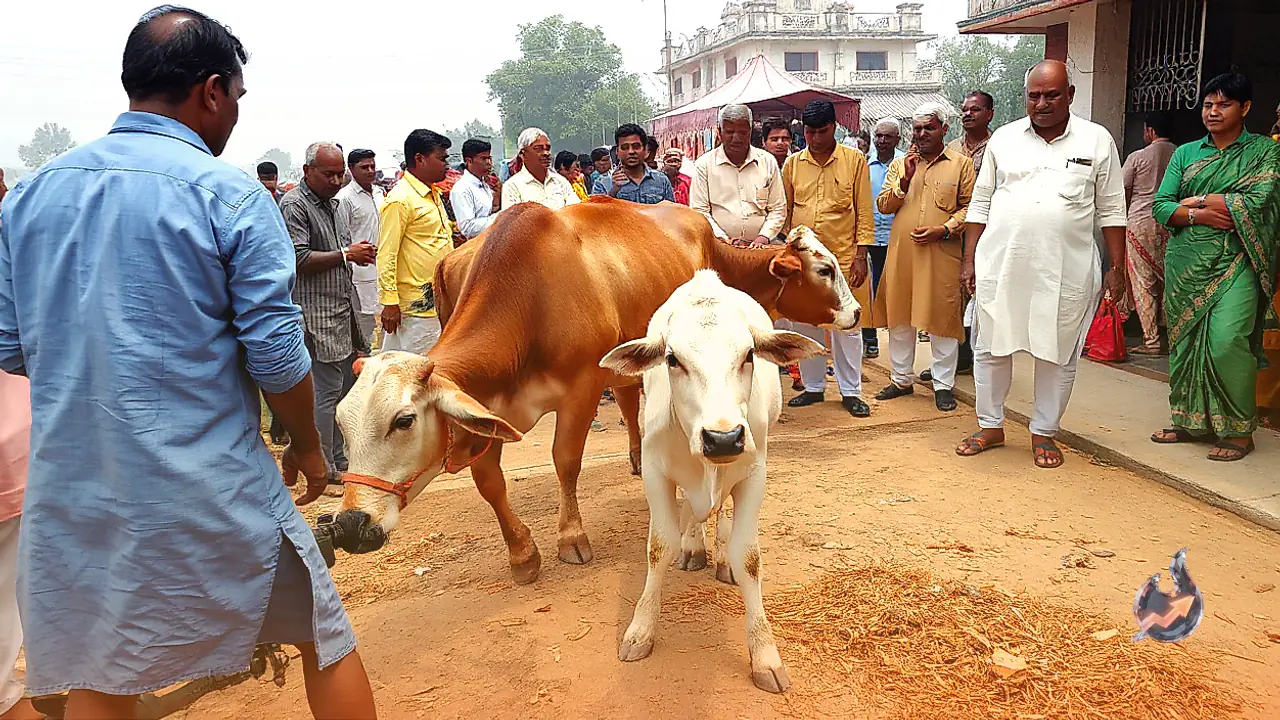
Scriptures highlight that giving alms to the needy on Kartik Amavasya invokes the divine grace of Goddess Lakshmi and Lord Vishnu while helping pacify ancestral afflictions. Ritual charity alongside devotional practices brings harmony, financial stability, and lasting well-being to households. Devotees may choose to donate essential commodities to the poor according to their capacity
- Food grains such as wheat and rice
- Clean clothing suited to the season
- Black sesame seeds for ancestral rites
- Jaggery for sweetness and nourishment
- Pure clarified butter or ghee
- Fresh milk for wholesome sustenance
- Everyday metal utensils
- Direct monetary aid or monetary alms
Providing food and necessary resources to underprivileged communities remains a cornerstone of this observance, inviting prosperity and dispelling difficulties from personal and family life.