





















Falling on the Trayodashi Tithi of the dark fortnight in the holy month of Kartik, Dhanteras marks the grand beginning of the festive calendar just two days prior to Diwali. While most devotees associate the occasion with goddess Lakshmi, traditional lore equally emphasizes the worship of Lord Kuber, the celestial treasurer, alongside Lord Dhanvantari. Taking place on November 6 this year, the festival sees households across the country preparing sacred altars and observing time-honored rituals designed to welcome lasting financial harmony, peace, and abundance into their living spaces.
Setting Up the Sacred Altar in the North Direction
Preparation begins early in the morning with a purifying bath and the donning of fresh attire. Because ancient spatial traditions associate the northern quadrant with prosperity and divine wealth, the ceremonial setup belongs in the north direction of the house. Devotees place a clean raised wooden pedestal and drape it with pristine red or yellow fabric. Upon this surface, one installs an idol, framed image, or energized yantra of Lord Kuber. Should none of these be at hand, household tradition permits using a jewelry box or safe as an honored proxy. The surface is then sanctified by drawing an auspicious swastika using vermilion paste and securing sacred protective threads around it.
Commencing Rituals with Ganesha Prayers and Meditation Mantras
In accordance with Vedic protocol, every auspicious endeavor opens with the invocation of Lord Ganesha, the remover of obstacles. Once the initial prayers to Ganesha conclude, devotees take fresh blossoms in their hands to meditate upon Lord Kuber. Spiritual verses praise his majestic presence as the guardian of divine treasures, adorned with regal diadems and holding his ceremonial mace, meditating upon his grace to clear worldly hardship and bestow upright wealth.
Core Offerings, Sacred Chants, and Pradosh Rituals
The consecrated image, yantra, silver coins, or cash repository receives offerings of holy water, sandalwood paste, kumkum, sindoor, sacred uncooked rice grains, and fragrant flowers. Following these primary honors, worshippers recite the chant Om Shreem Kuberaya Namah either 11 or 108 times using prayer beads. Deities are served an assortment of seasonal fruits, panchamrit, and traditional sweets, with pure white confectioneries regarded as particularly favorable for the offering. Concurrently, prayers extend to goddess Lakshmi and Lord Dhanvantari to ensure both wealth and health flourish together.
Offering the Seven Grains and Lighting 13 Evening Lamps
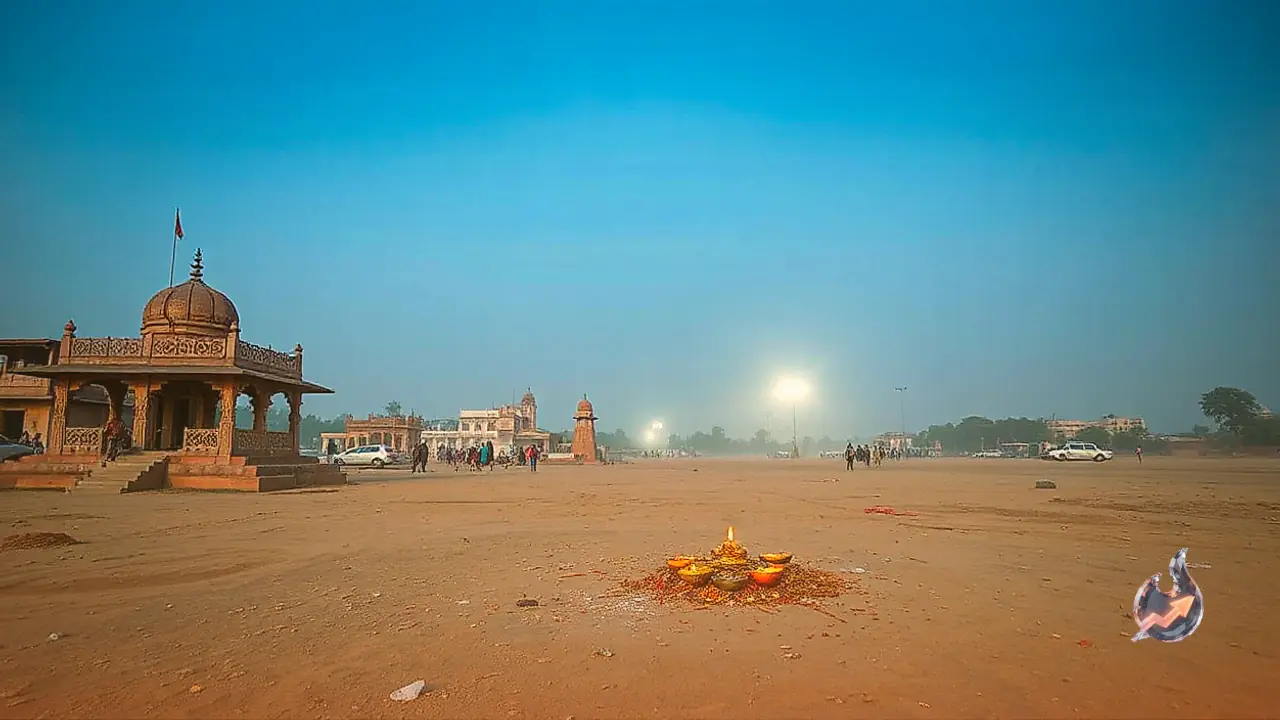
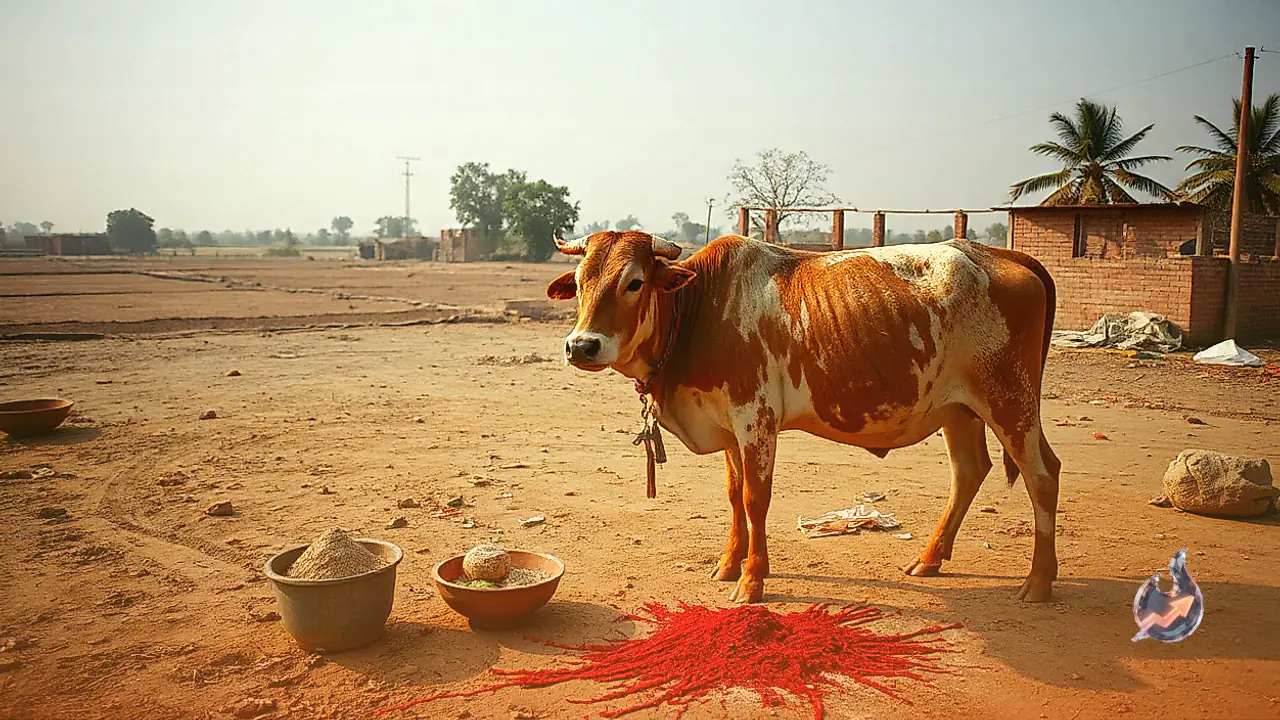
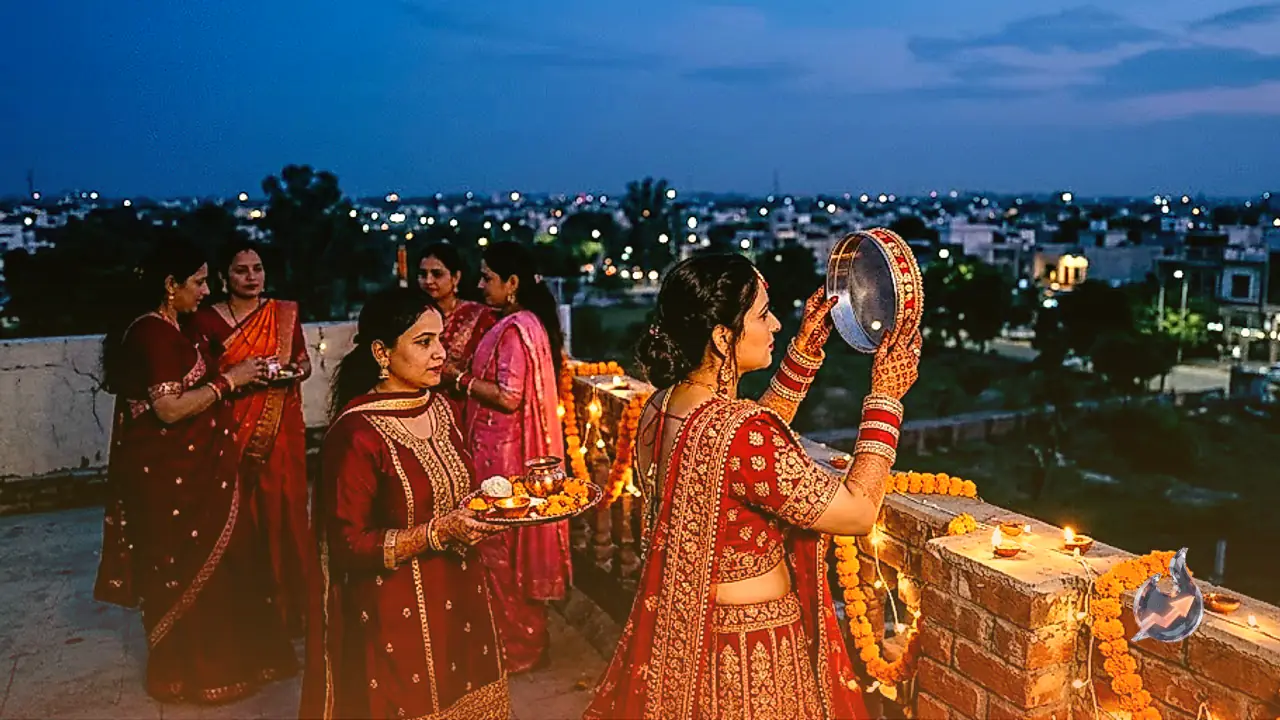
A distinctive element of the ceremony involves presenting seven traditional grains known as sapta dhanya, consisting of wheat, urad, moong, gram, barley, rice, and lentils. These agricultural offerings are placed alongside burning incense, sacred rice, and blossoms. Furthermore, the observance mandates lighting 13 earthen lamps during Pradosh Kaal, the twilight window of dusk. Devotees position these lamps where wealth and valuables are kept, keeping vigilance and reverence through the evening. The ritual concludes with formal devotional hymns, distribution of blessed sweets, and enshrining a blessed coin or metal plate within the domestic vault.
Spiritual Significance of the Celestial Treasurer
Regarded in sacred texts as the custodian of heavenly wealth, Lord Kuber oversees earthly riches, precious gems, and material well-being. Honoring him alongside goddess Lakshmi ensures not merely the acquisition of money, but also the wisdom to preserve and manage assets ethically. The traditional practices observed on Dhanteras reflect a deep desire for continuous security, family contentment, and the eradication of financial strife from the household.