

















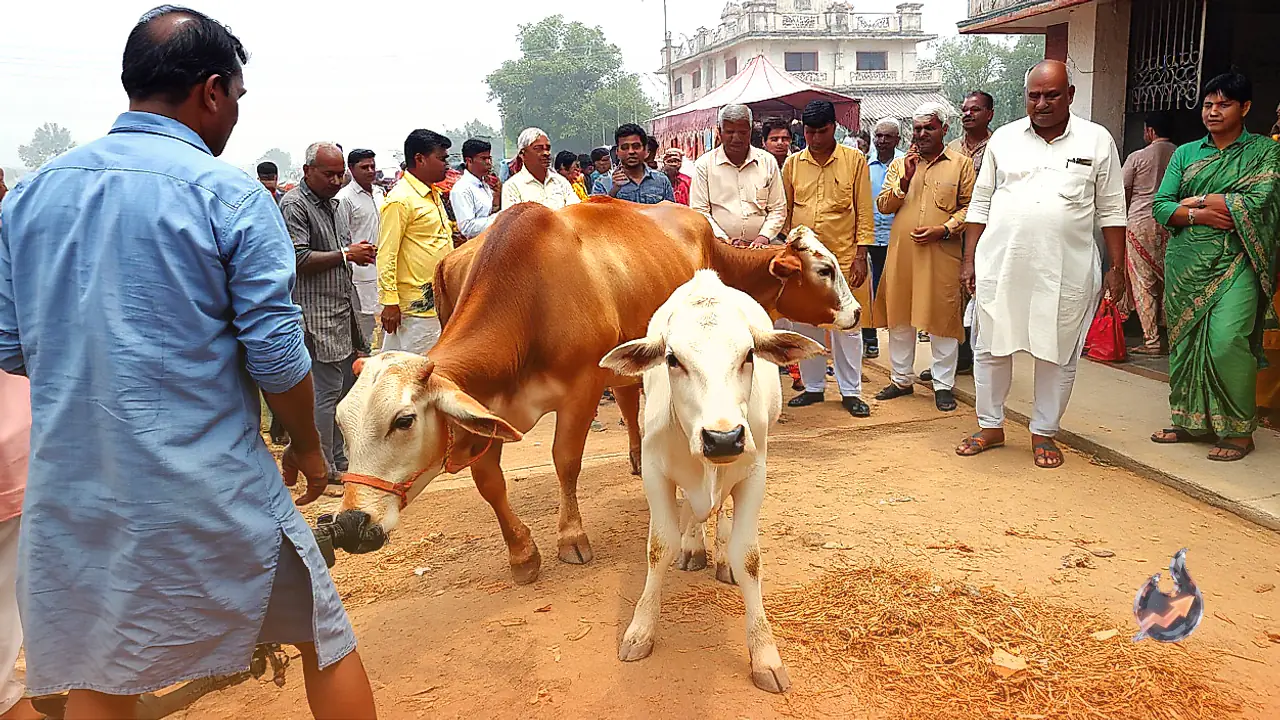

The traditional festivities leading up to Diwali commence with the observance of Govatsa Dwadashi. Known in different regions as Vagh Baras and Vasu Baras, this auspicious day is dedicated to the reverence of cows and their young calves. This year, the sacred date falls on November 5 alongside Rama Ekadashi, precisely one day before Dhanteras. Homemakers observe a strict fast on this occasion, praying for the longevity, sound health, and overall well being of their children. A key dietary restriction on this day is the complete avoidance of cow milk and dairy products derived from cows, as the occasion is treated as a day of rest for the sacred animal.
Auspicious Timings and Dwadashi Tithi Schedule
According to the traditional calendar, the Dwadashi Tithi begins at 10:35 AM on November 5 and concludes at 10:30 AM on November 6. The most auspicious window for conducting the evening rituals is set between 05:33 PM and 08:10 PM. Devotees are encouraged to complete the ceremonial worship and aarti during these evening hours to maximize the spiritual benefits of the observance.
Choghadiya Timings for November 5
Devotees seeking specific time windows throughout the day can plan their prayers according to the auspicious Choghadiya periods. The morning begins with the Shubh period from 06:36 AM to 07:58 AM. In the afternoon, the Labh window operates from 12:04 PM to 01:27 PM, immediately followed by the Amrit period from 01:27 PM to 02:49 PM. The late afternoon offers another Shubh window between 04:11 PM and 05:33 PM, while an Amrit period extends through the evening from 05:33 PM to 07:11 PM.
Simple Puja Rituals for Home Observance
The ritual practice begins by gently bathing cows and calves with clean water. Sacred vermilion, kumkum, and turmeric are then applied to their foreheads as a mark of devotion. In urban environments where living cows and calves might not be accessible, families can craft symbolic idols of a mother cow and her calf using clean clay. Turmeric and kumkum are offered to these clay representations, followed by a formal evening aarti with lighted lamps. Offerings of sprouted moong, whole wheat, and other grains are subsequently presented. Devotees also conduct special prayers dedicated to Lord Krishna, acknowledging his eternal association with cows and pastoral care.
Spiritual Significance and Beliefs
Tradition holds that offering sincere prayers to cows and Lord Krishna on Govatsa Dwadashi helps remove hardships and invites lasting peace and prosperity into the household. Mothers fast throughout the day seeking protection and long lives for their offspring. Furthermore, long standing beliefs suggest that women seeking to conceive are blessed with children when they observe this sacred fast with pure devotion. The day also marks the remembrance and worship of Shri Vallabh, regarded as an incarnation of Lord Dattatreya.