






















The auspicious festival of Diwali will be observed on November 8, 2026, marked by dedicated rituals and festive joy across households. Traditional observances on this sacred night include the collective worship of Goddess Lakshmi, Lord Ganesha, and Lord Kuber. According to traditional beliefs, Goddess Lakshmi descends to traverse the earth during Diwali, bestowing her blessings of prosperity upon devotees. People prepare extensively to welcome the goddess, illuminating their homes, courtyards, and entryways with radiant string lights and decorative fixtures, alongside conducting ceremonial puja according to prescribed rites.
The Sacred Significance of the Lotus in Lakshmi Puja
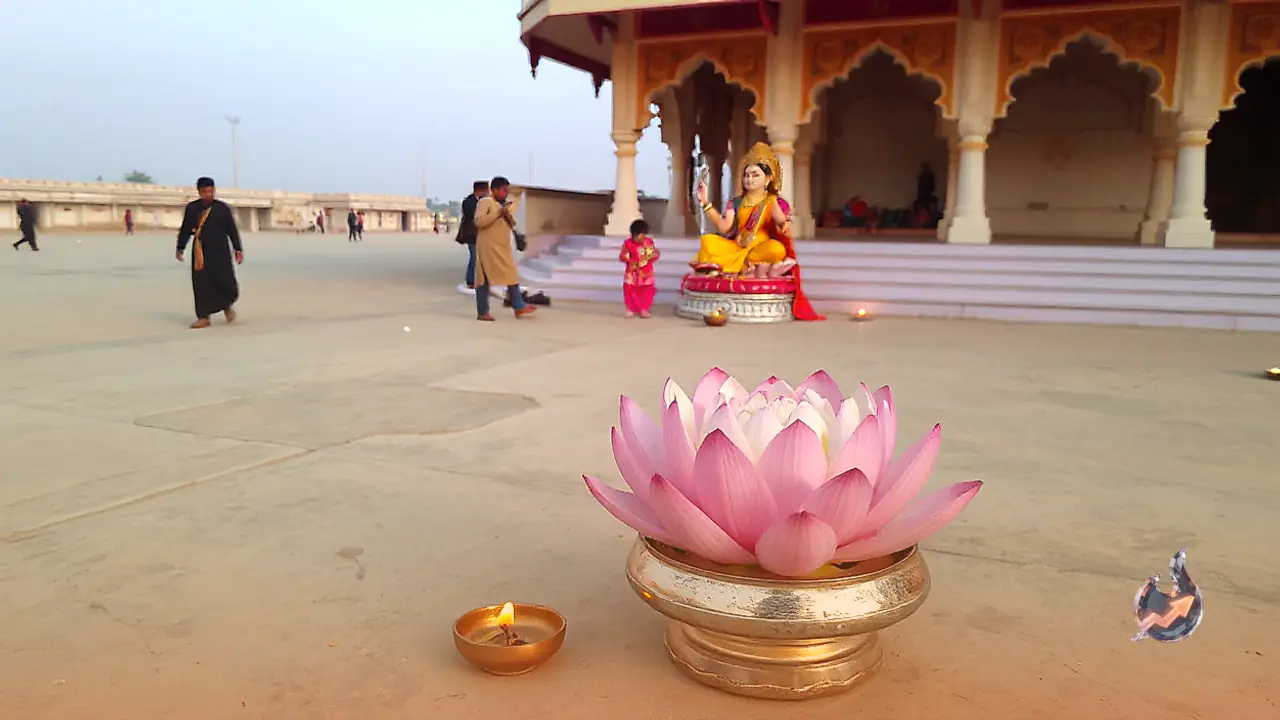
The lotus flower holds a prominent place in Diwali worship materials because it is considered exceptionally dear to Goddess Lakshmi. Ancient Hindu scriptures refer to the deity by titles such as 'Kamala' and 'Kamalasana', designating her as the goddess seated upon a lotus. Beliefs also hold that Goddess Lakshmi manifested from a lotus, establishing the sacred tradition of offering 'Ashtakamal', which refers to 8 lotus blossoms during ceremonial prayers. If procuring 8 flowers is not feasible, presenting even 1 fresh lotus blossom during the rituals is considered auspicious. Offering this flower during Diwali is believed to foster harmony, mutual affection, and enduring well-being within the household.
Avoiding Withered or Stale Blossoms
Utmost care is necessary when selecting flowers for the sacred altar on Diwali. Stale, drooping, or wilted lotus flowers should never be presented before Goddess Lakshmi. Worshippers must always look for fresh, fragrant, and fully blossomed flowers for the ceremonial service, as vibrant offerings reflect devotion and sanctity.
Inspecting for Blemished or Damaged Petals
When obtaining lotus flowers from local markets, every bloom must be inspected thoroughly for physical defects. Devotees should ensure that the petals are neither torn, damaged, nor partially eaten by insects. It is equally important to examine the interior of the blossom to ensure no hidden bugs or insects are present. In traditional ritual practices, flawed or damaged flowers are deemed unfit for sacred offerings and should strictly be set aside.
Washing with Clean Water and Maintaining Sanctity
After bringing lotus flowers home from the market, they should not be placed straight onto the shrine. Devotees should gently rinse the flower with clean and purified water to eliminate dust and surface impurities. Once cleansed, the flowers can be arranged in a spotless vessel within the prayer area. Offering unwashed blossoms or placing them in unsanctified locations beforehand goes against established worship customs.
Approaching the Ritual with Pure Devotion and Correct Placement
Along with material purity, maintaining an upright mental attitude is crucial when worshiping Goddess Lakshmi. Devotees should cultivate feelings of serenity, reverence, and purity in their hearts before presenting the lotus. The blossom should then be placed respectfully at the holy feet of Goddess Lakshmi, rested near her seat, or placed gracefully near her hands as an emblem of reverence.