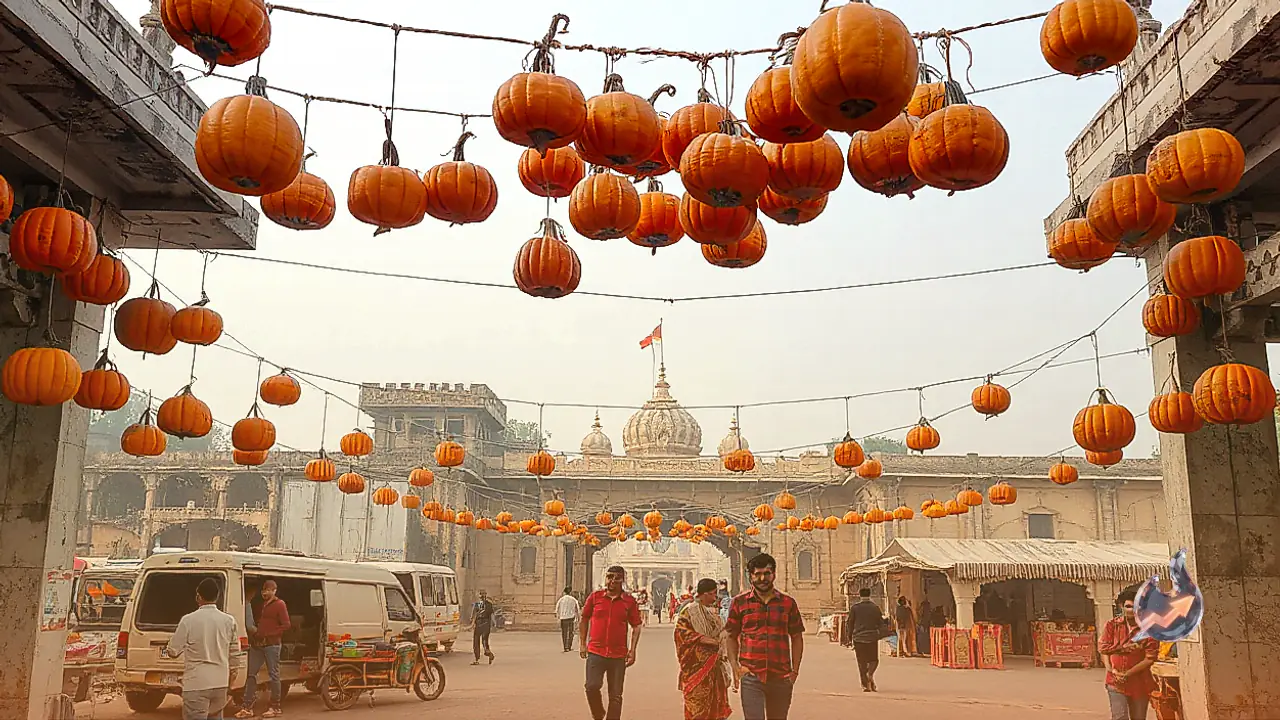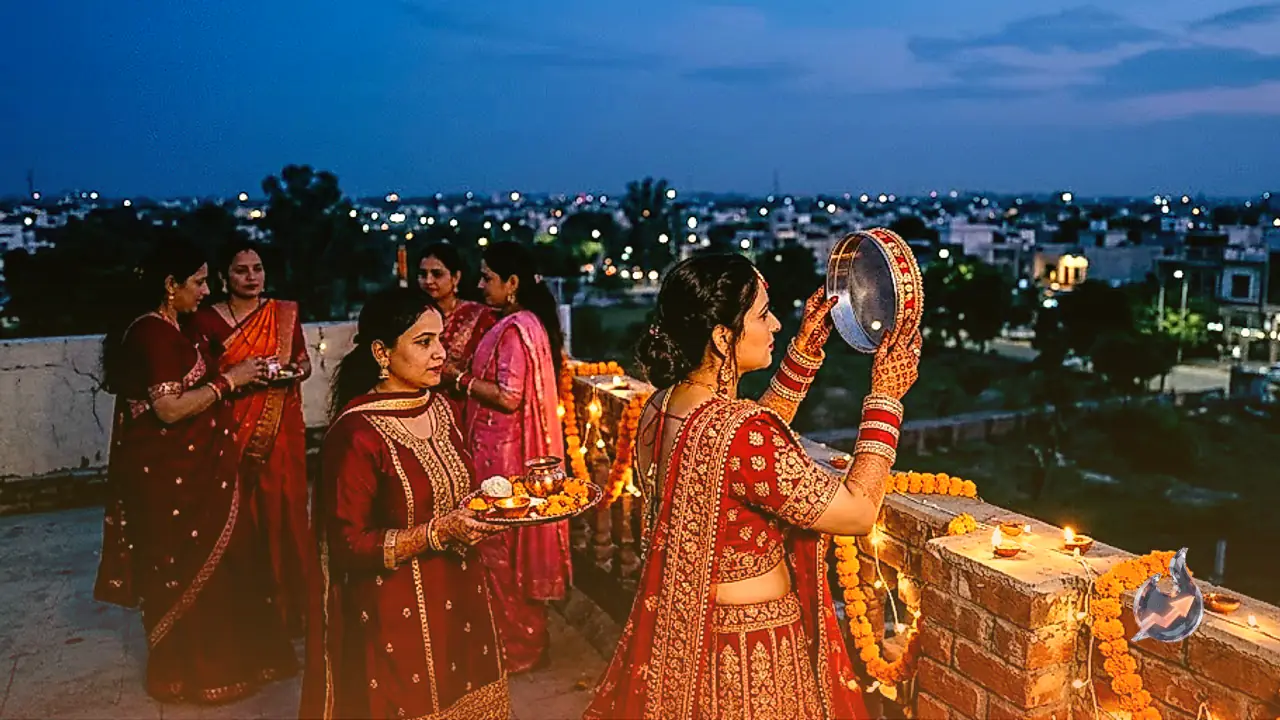



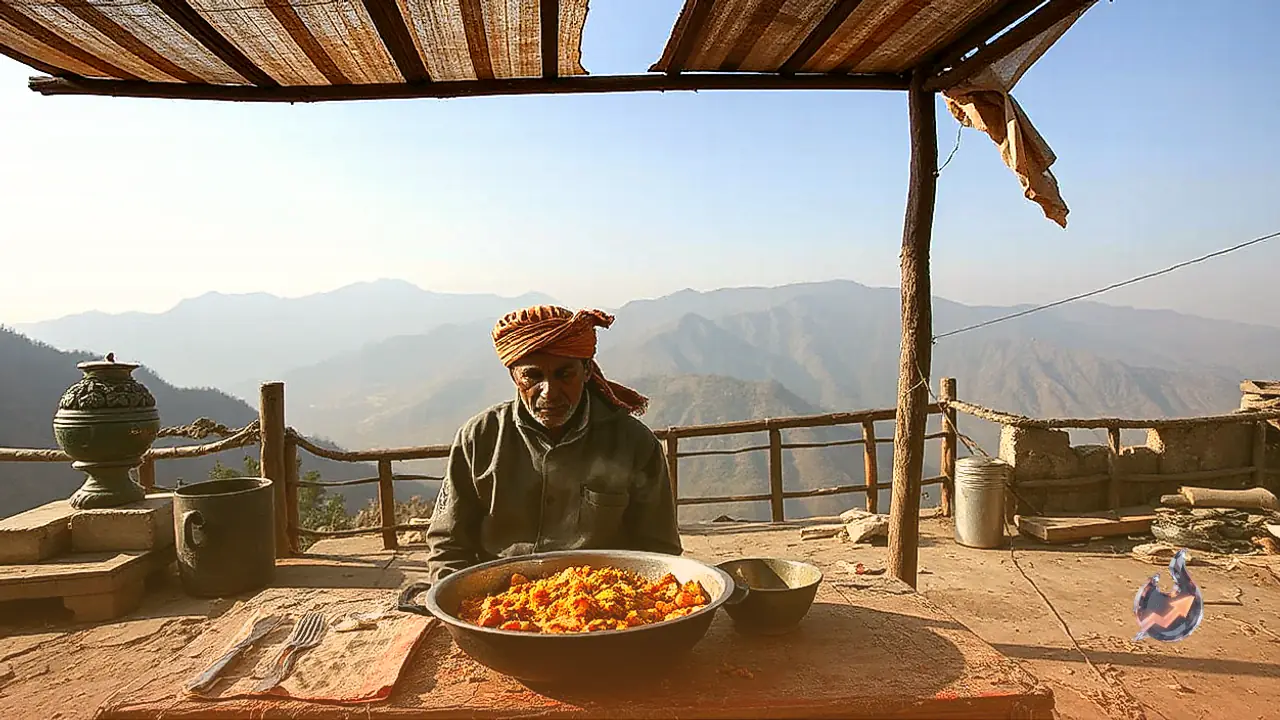


















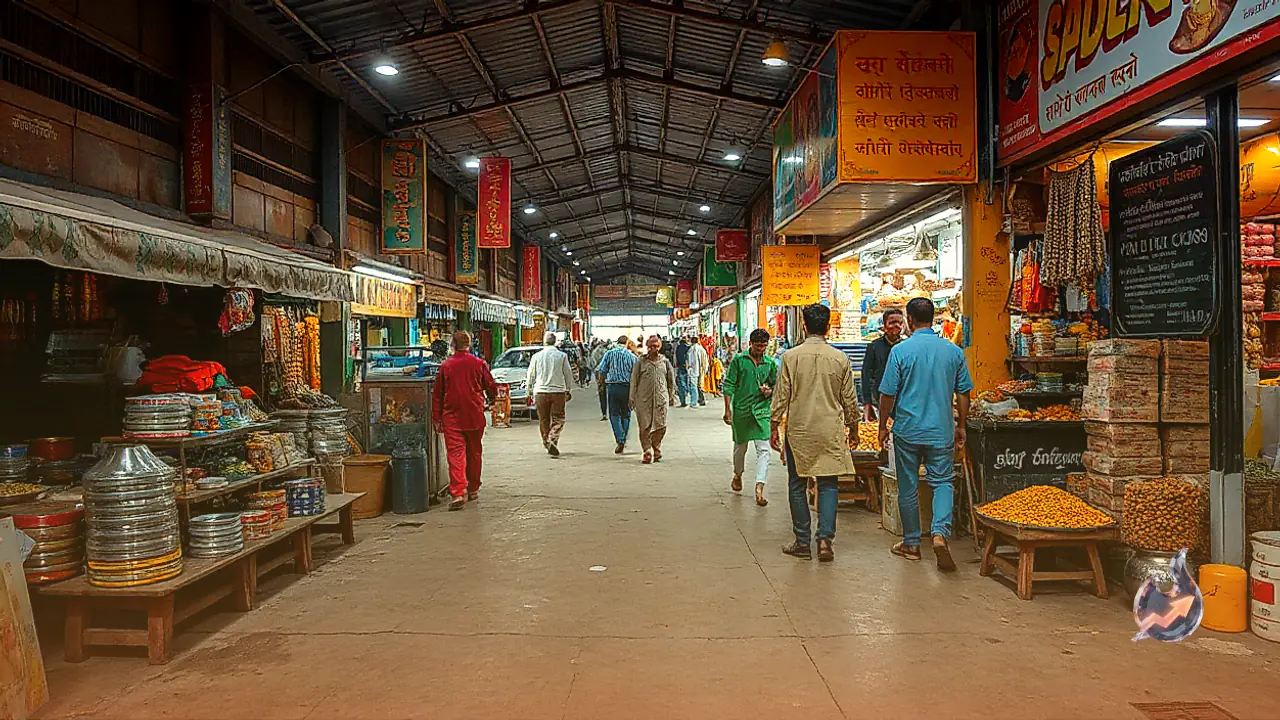

With the arrival of Diwali, vibrant market activities have picked up momentum as households complete cleaning and decoration while making detailed preparations to worship Goddess Lakshmi. A notable trend has emerged this season in the choice of ritual supplies. While shoppers previously relied on a narrow set of conventional items, the sacred offering platter now incorporates a much broader selection of goods. Consumers are pairing customary ritual supplies with specialized articles traditionally associated with auspicious omens and prosperity according to diverse religious beliefs.
Changing Consumer Patterns Across Udaipur Markets
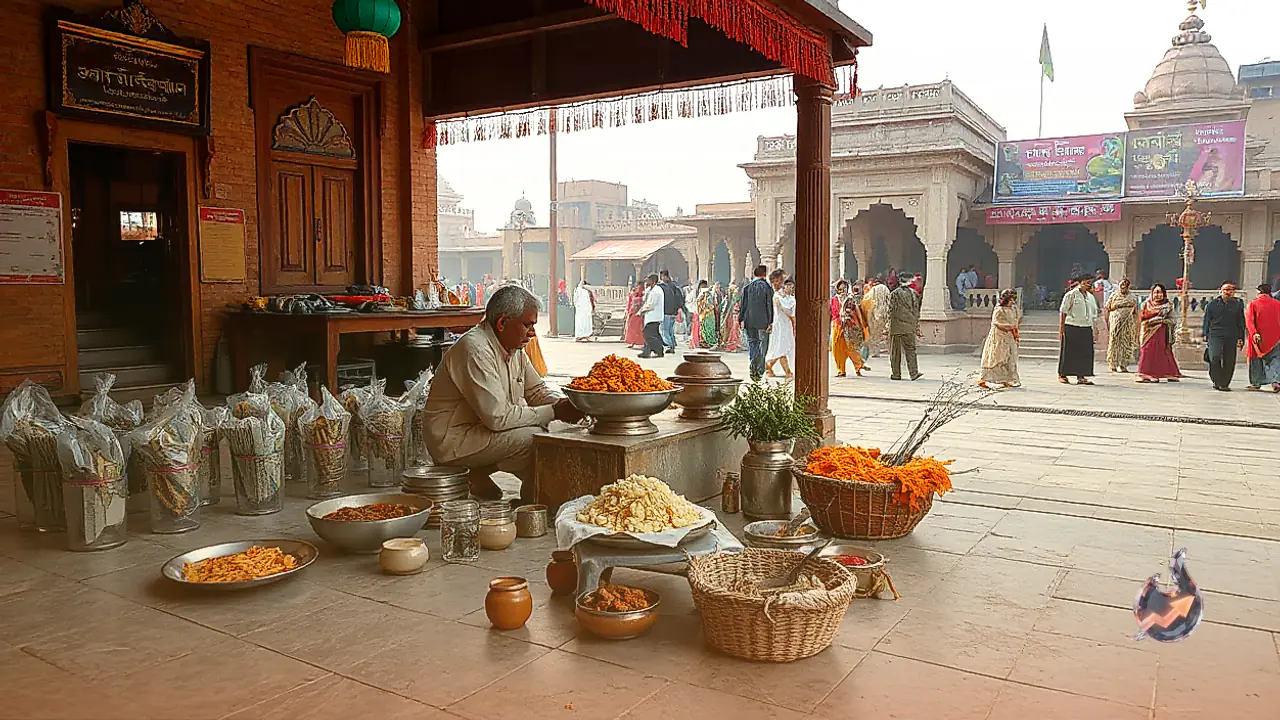
The bustling shopping hubs of Udaipur are witnessing a steady rise in footfall as residents gather essential supplies for the festival of lights. Virendra Jain, a veteran trader operating a puja supply business in the Old Mandi area, notes that customer preferences and purchasing habits have transformed substantially over recent years. Earlier, shoppers primarily bought standard essentials such as roli, sacred red thread or mauli, rice grains, earthen lamps, camphor, incense sticks, and a few basic materials. Today, however, households seek a far more diverse array of specialized articles to present in their prayer rituals.
Surging Demand for Lotus Seeds, Cowrie Shells, and Black Turmeric
According to merchant Virendra Jain, interest in cowrie shells and lotus seeds has escalated significantly this festive season. Alongside traditional yellow turmeric rhizomes, consumers are increasingly asking for whole black turmeric roots. Shopkeepers are also recording high sales volumes for both yellow and black mustard seeds. Deep religious customs surround these particular supplies, with devotees maintaining that offering them during Lakshmi rituals invites lasting wealth, comfort, and good fortune. This widespread belief has triggered an unprecedented independent demand for these items across neighborhood stalls.
The Impact of Social Media on Ritual Knowledge
Traders highlight that digital platforms and social media have been primary catalysts for this behavioral change among worshippers. In past generations, ritual procedures and required item lists were passed down orally by elders within the family. Today, however, people regularly consume short videos explaining spiritual remedies, worship methods, and ritual recommendations across social networks. After discovering the symbolic significance of lesser-known offerings online, buyers arrive at retail counters explicitly requesting those exact materials.
Shoppers Arrive With Detailed Checklists
Shop owners in Old Mandi whose families have traded in spiritual merchandise for decades point out that customer preparedness has reached new heights. In previous times, patrons picked up basic packages without much scrutiny, but contemporary shoppers now come armed with written lists. They inquire meticulously about each item, verifying its authenticity, traditional significance, and role in the ceremony before making their purchases, reflecting a more deliberate approach to festival preparations.
Evolving Expressions of Deep-Rooted Festive Traditions
The marketplace transformations seen during this Diwali extend far beyond illuminated lanterns and modern decor, deeply altering the presentation of the Lakshmi puja platter itself. Traditional elements like incense and earthen lamps now share space with black turmeric, cowries, lotus seeds, and mustard grains as regular festive staples. This evolution demonstrates how digital information and preserved religious traditions blend together, steering festive customs toward broader, more intricate ritual observances.