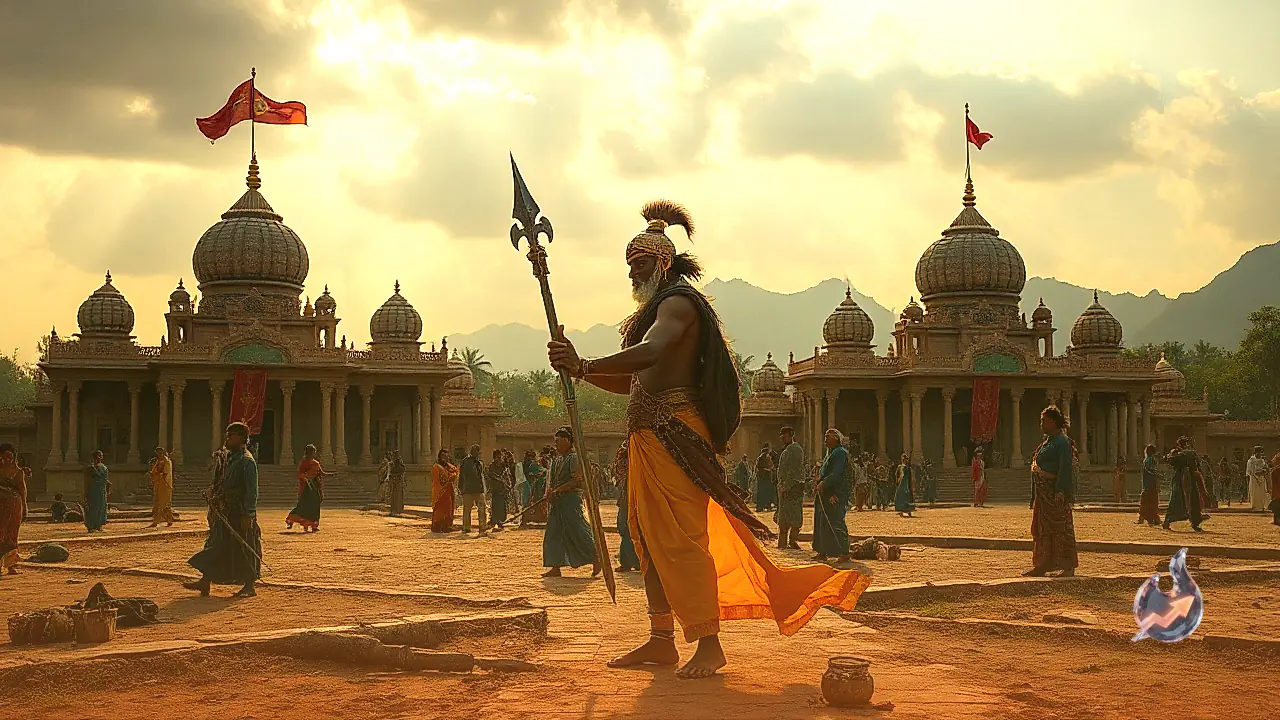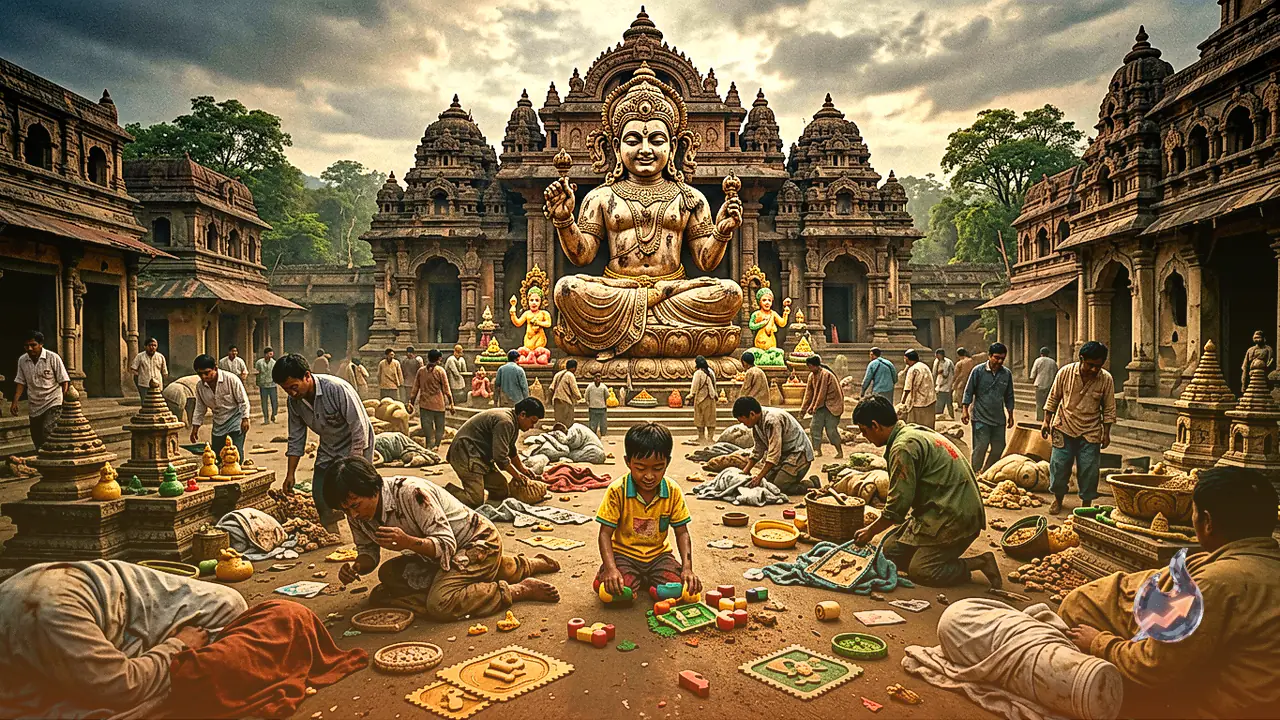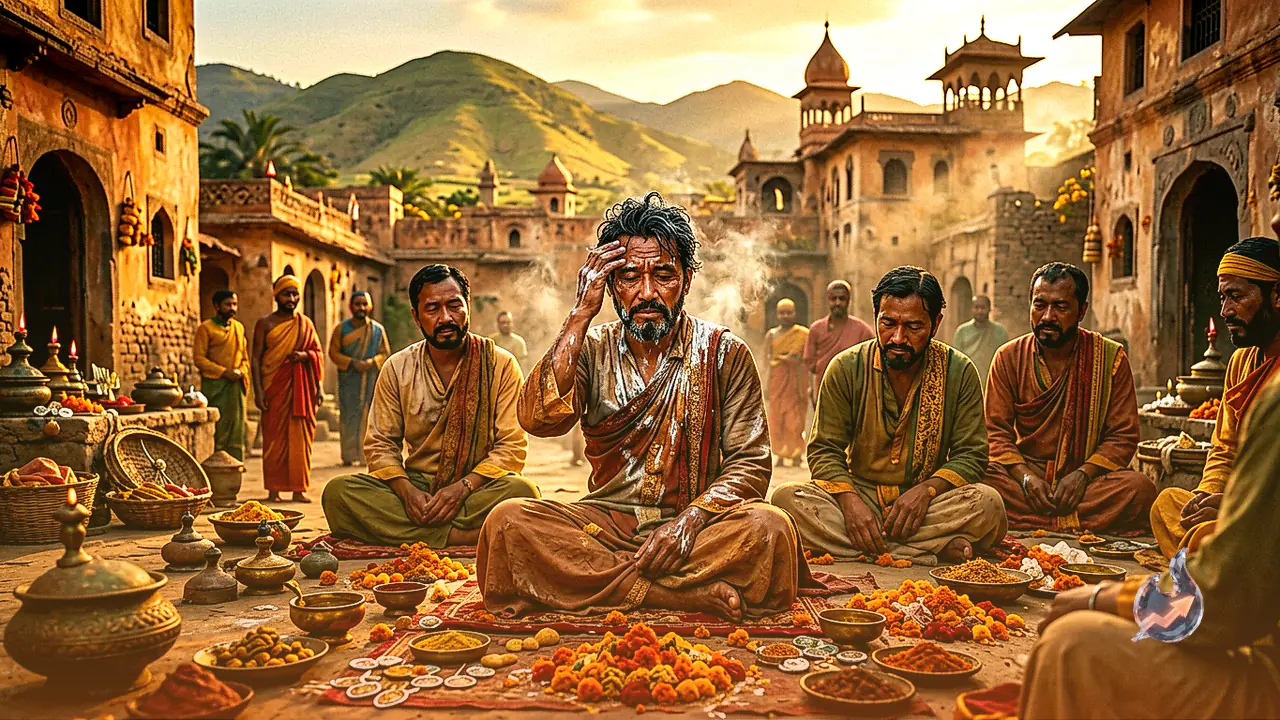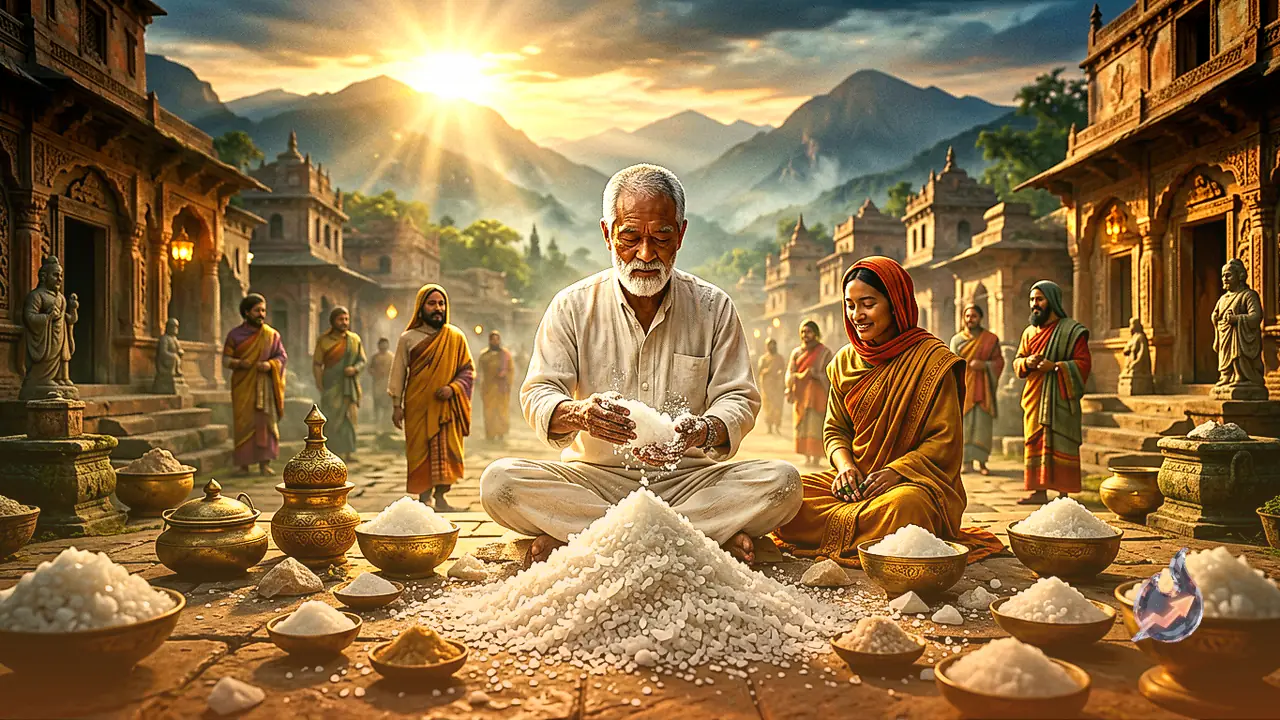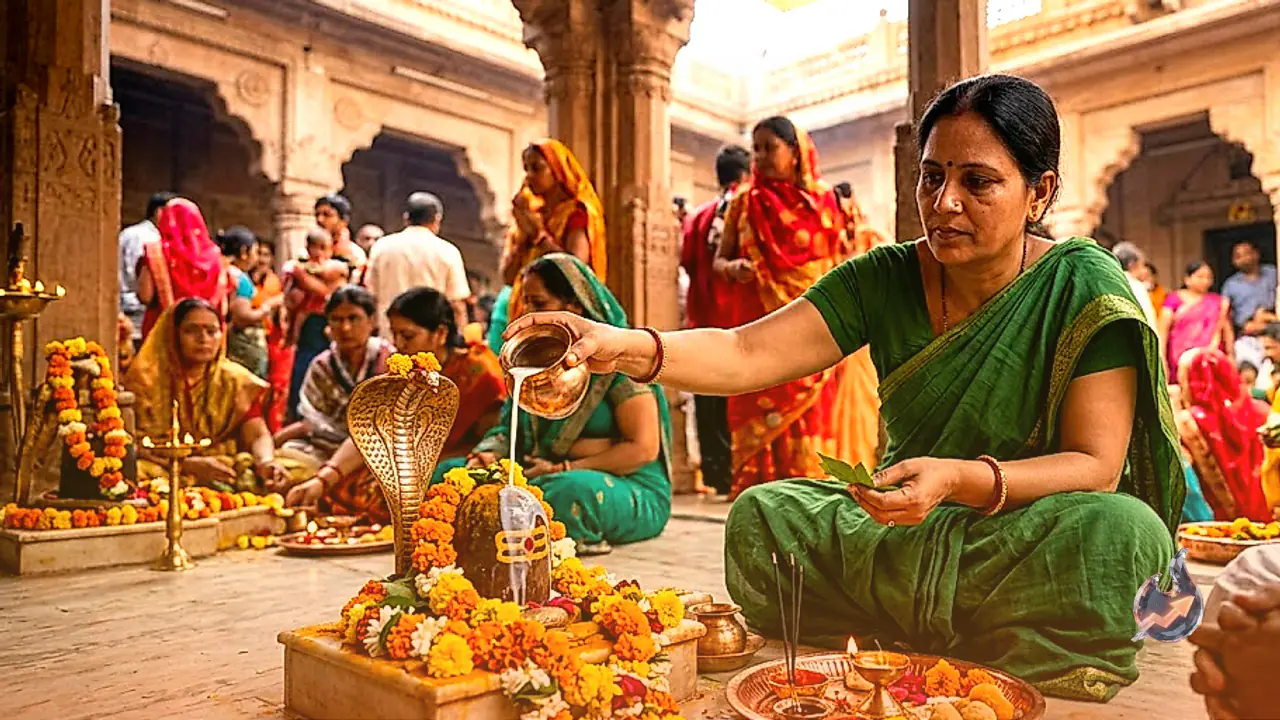



















The Devbhoomi of Uttarakhand holds a distinct identity across the country due to its unique folk culture and age-old traditions. Celebrated in the Kumaon region, Ghyu Tyar is one such folk festival that beautifully brings together religious faith, local cuisine, agriculture, and social bonding. Falling on the occasion of Singh Sankranti, this festival treats the consumption of ghee not just as a sign of auspiciousness, but as a crucial part of the tradition. An intriguing piece of folklore is attached to this day, stating that failing to eat ghee on this occasion results in being reborn as a snail in the next life.
Singh Sankranti and Festival Timing
Pandit Prakash Joshi, a resident of Nainital, explains that Kumaonis celebrate Ghyu Tyar in the form of Singh Sankranti. It arrives around the first day of the Bhado month, which is roughly a month after the Harela festival. Mountain villages witness elaborate preparations ranging from cleaning homes to making traditional delicacies. In many areas, Ghyu Tyar is also referred to as Olgia festival. Its significance extends far beyond religious devotion, connecting deeply with the lives of farmers, fresh harvests, and local dietary customs.
The Snail Folklore and Ghee Tradition
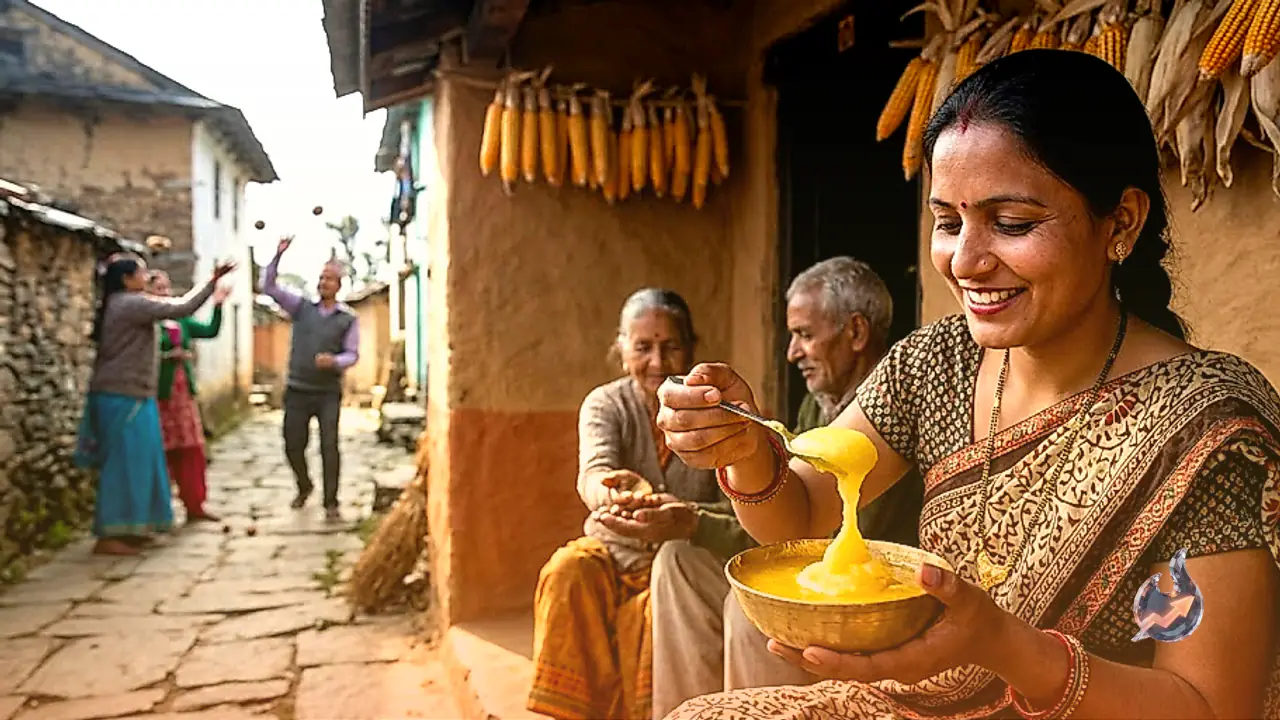
The most unique tradition of Ghyu Tyar involves consuming ghee without fail. Generations in Kumaon have passed down the saying that anyone who skips eating ghee on this day is destined to take the form of a snail in their next birth. This piece of local legend has historically served as a playful way to keep younger generations anchored to cultural practices. Local beliefs associate snails with sluggishness and inactivity, subtly encouraging vitality.
Traditional Delicacies and Local Crops
Homes make extensive preparations for traditional meals during the festival. Urad dal is soaked for six to eight hours, then ground on a traditional grinding stone to prepare dishes like bedu roti, puris, pua, and kheer. In various parts of Kumaon, households also begin preparing dishes made from pinalu or taro leaves, locally known as gabe. In this way, Ghyu Tyar acts as a festival that preserves indigenous crops and traditional recipes.
Applying Ghee on Children's Heads
A deeply affectionate ritual associated with Ghyu Tyar is applying fresh butter or ghee to the heads of children. Elderly family members apply ghee to bless the young ones with good health and longevity. This custom strengthens the cultural bridge between the experiences of elders and the younger generation, familiarizing children with the folk traditions and culinary heritage of the hills.
Agricultural Ties and Gratitude to Nature
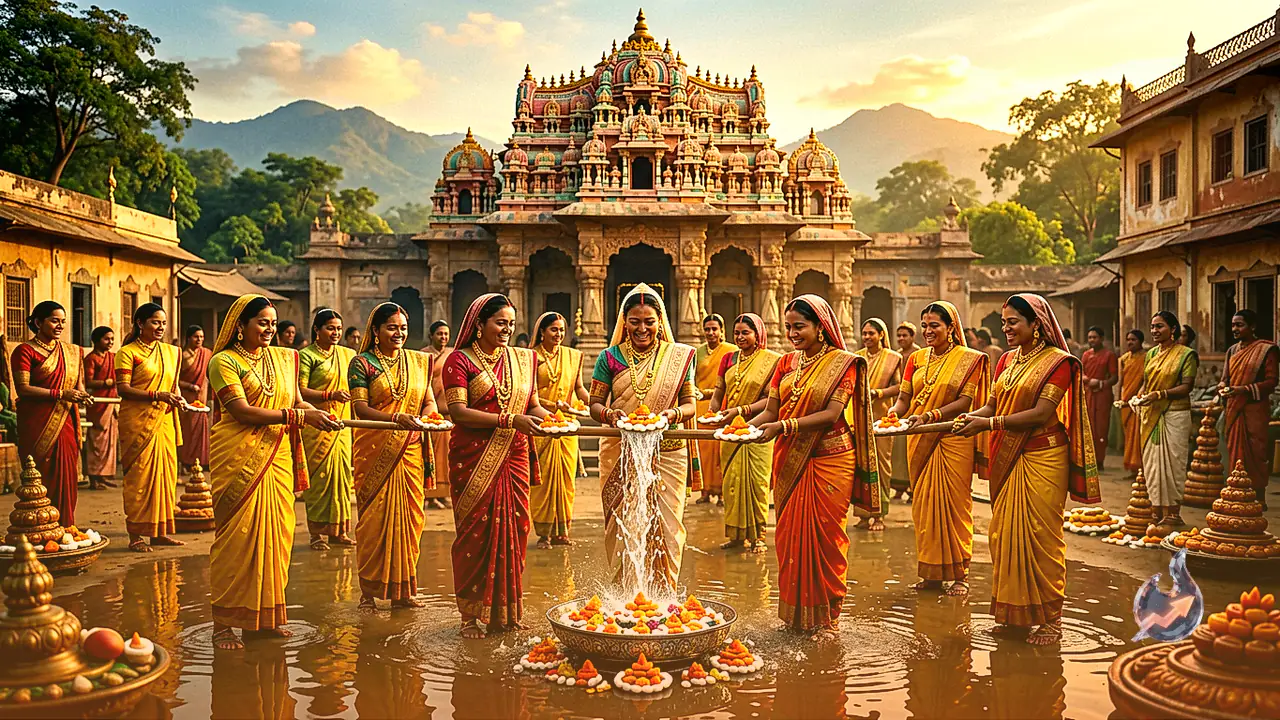
Ghyu Tyar is profoundly connected to agrarian culture. On this day, farmers offer the very first yield of their new harvest to deities. In many places, sharing items like gabe, corn, cucumbers, milk, and curd with priests, relatives, and acquaintances is customary. Because of this practice, Olgia festival is closely linked with farming life and prosperity, offering an opportunity to express gratitude for the resources provided by nature and agriculture.
Folk Dances and Astrological Beliefs
The celebrations of Ghyu Tyar are not confined to kitchens and homes. Women and men gather in villages to perform jhora and chanchari. The entire village immerses itself in festive colors amid traditional folk songs and dances. Singh Sankranti is also associated with the Sun god. Astrological beliefs suggest that worshiping the Sun, consuming ghee, and making donations on this day strengthens the Sun planet, though these remain traditional and religious beliefs.