
















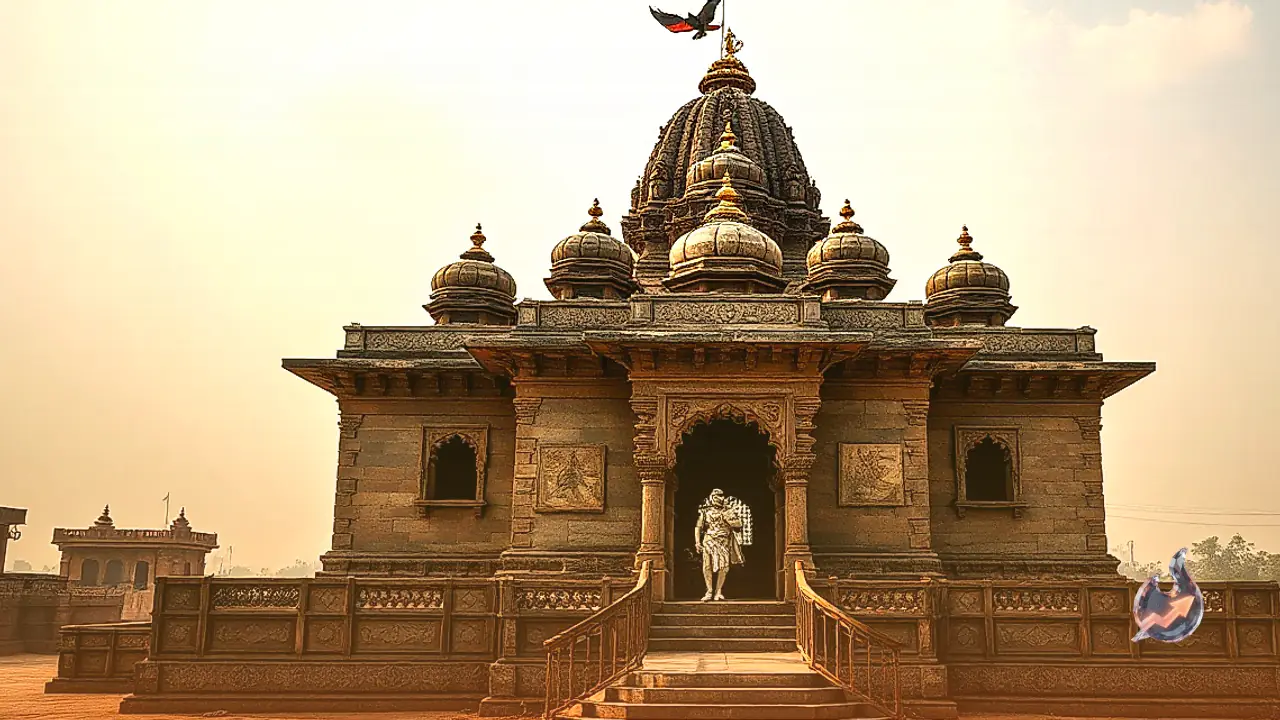

Nestled along the serene banks of the Yamuna River in the historic Kailash region of Agra, the ancient Bhura Mahadev Temple holds a deeply revered position in the hearts of local devotees. Situated just behind Shyam Kuteer along the pathway leading to the iconic Kailash Mahadev Temple, this traditional Shaivite shrine has served as a sanctuary of spiritual devotion for surrounding rural communities across generations. Although explicit historical documentation, founding charters, or verified dates regarding its original construction remain absent, the shrine is sustained by a rich tapestry of oral traditions and folk beliefs. For the local populace, Bhura Mahadev is far more than a physical place of worship; it represents a living touchstone of their cultural identity and ancestral heritage.
The Sacred Geography of Kailash Belt and Yamuna River
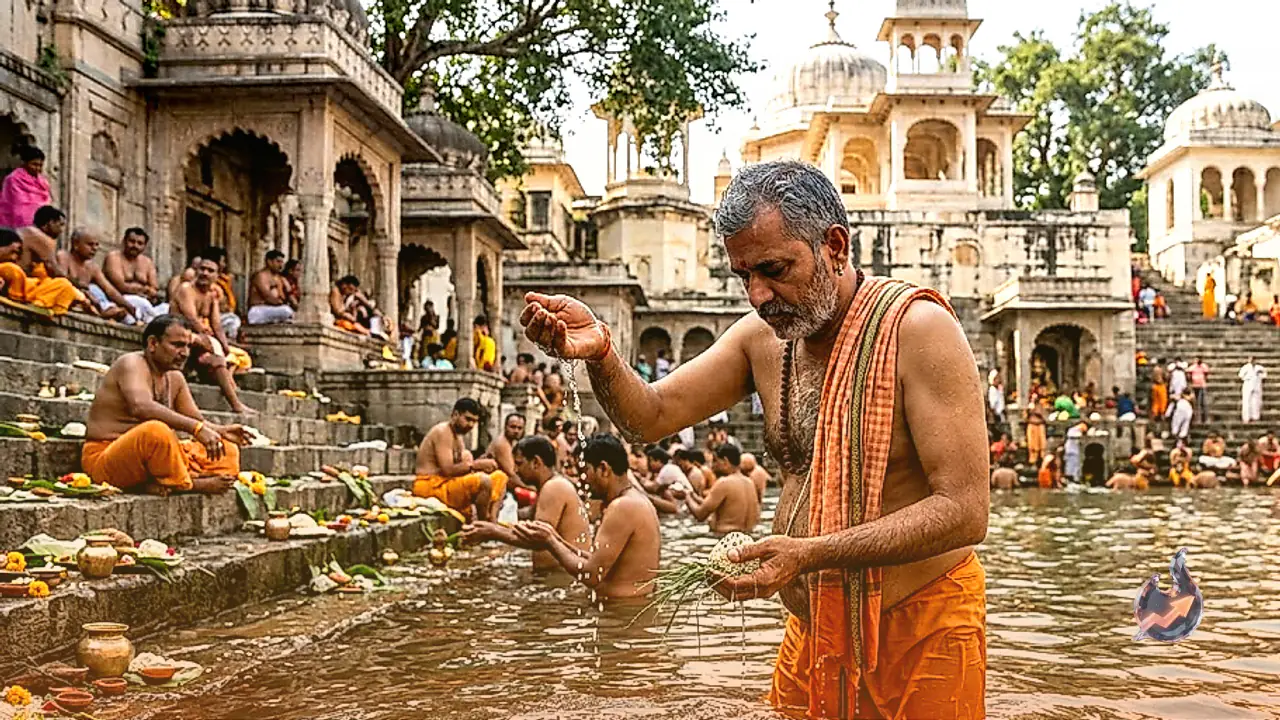
The geographical setting of Bhura Mahadev Temple is steeped in age-old Shaivite heritage that defines Agra's riverfront. Its close proximity to the famous Kailash Mahadev Temple links it directly to legendary narratives involving Lord Shiva and Maharshi Parashuram. Local folklore holds that the entire coastal belt along the Yamuna was once a sanctified site for ascetic penance. A particularly enchanting belief associated with the shrine concerns the seasonal rise of the Yamuna River. During monsoon floods, when the river waters surge to reach the holy Shivling inside the temple premises, devotees perceive the phenomenon not merely as a natural event, but as a divine act of ritual bathing performed by River Yamuna herself toward Lord Shiva.
Etymology of Bhura Mahadev and Lore of Miraculous Vows
The origin of the name Bhura Mahadev continues to evoke curiosity among pilgrims and researchers alike. While no certified archival records explain how the title originated, community elders attribute it to the unique physical appearance of the consecrated deity and ancient local nomenclature. Devotees firmly believe that the shrine is endowed with spiritual mysteries and protective energies capable of dispelling hardships. Across the region, it is widely held that sincere prayers offered at this altar lead to the fulfillment of personal vows. Though these miraculous accounts belong to the realm of faith rather than empirical scientific verification, they form the cornerstone of the temple's enduring spiritual appeal.
Sawan Festivities, Monday Fairs, and Community Life
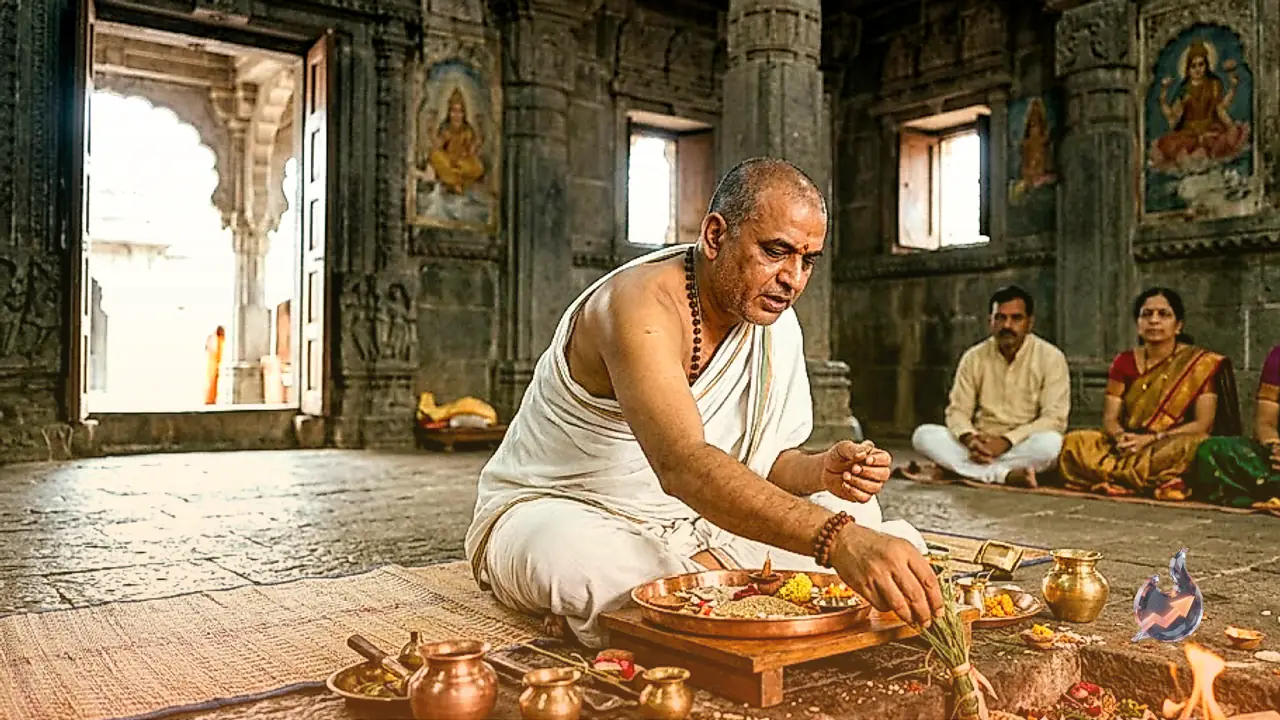
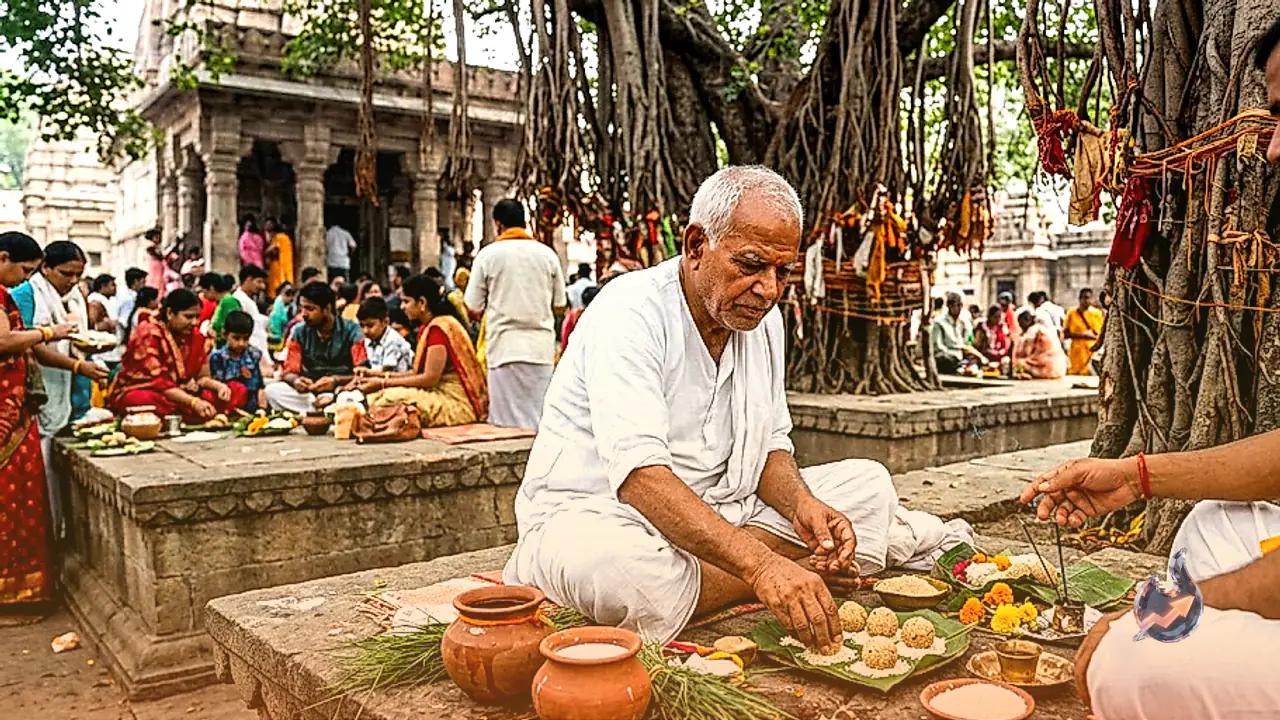
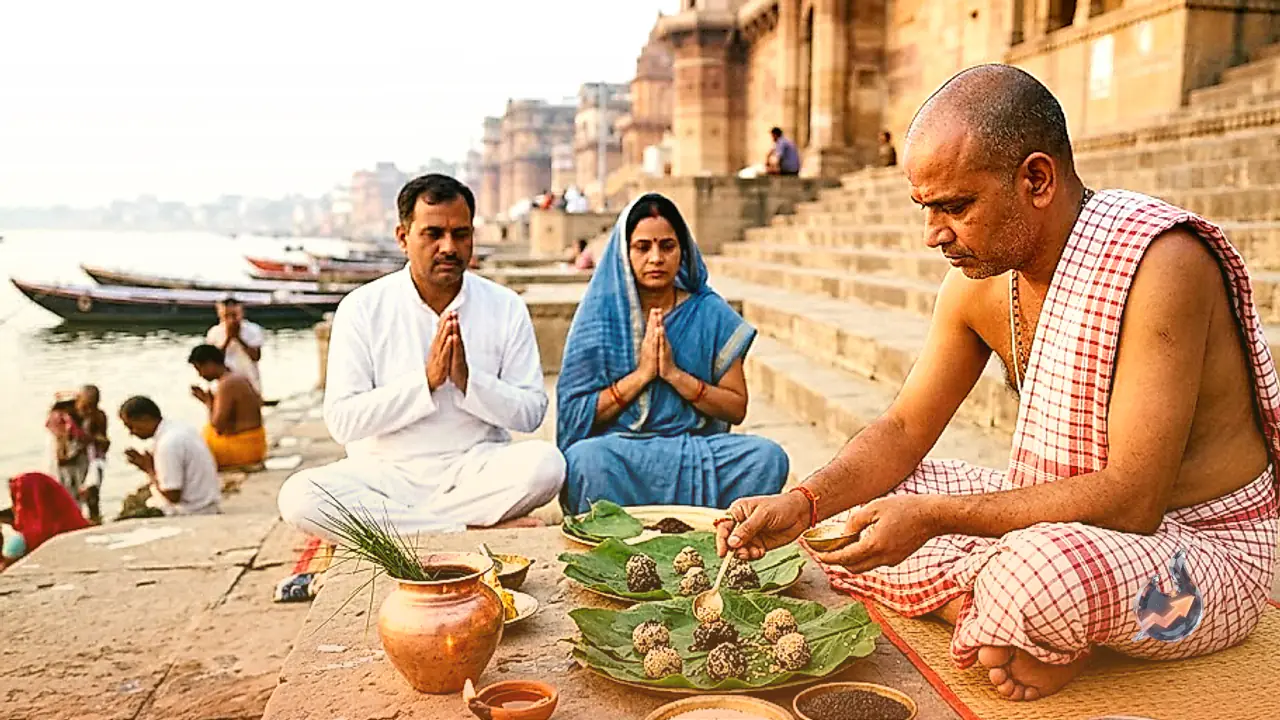
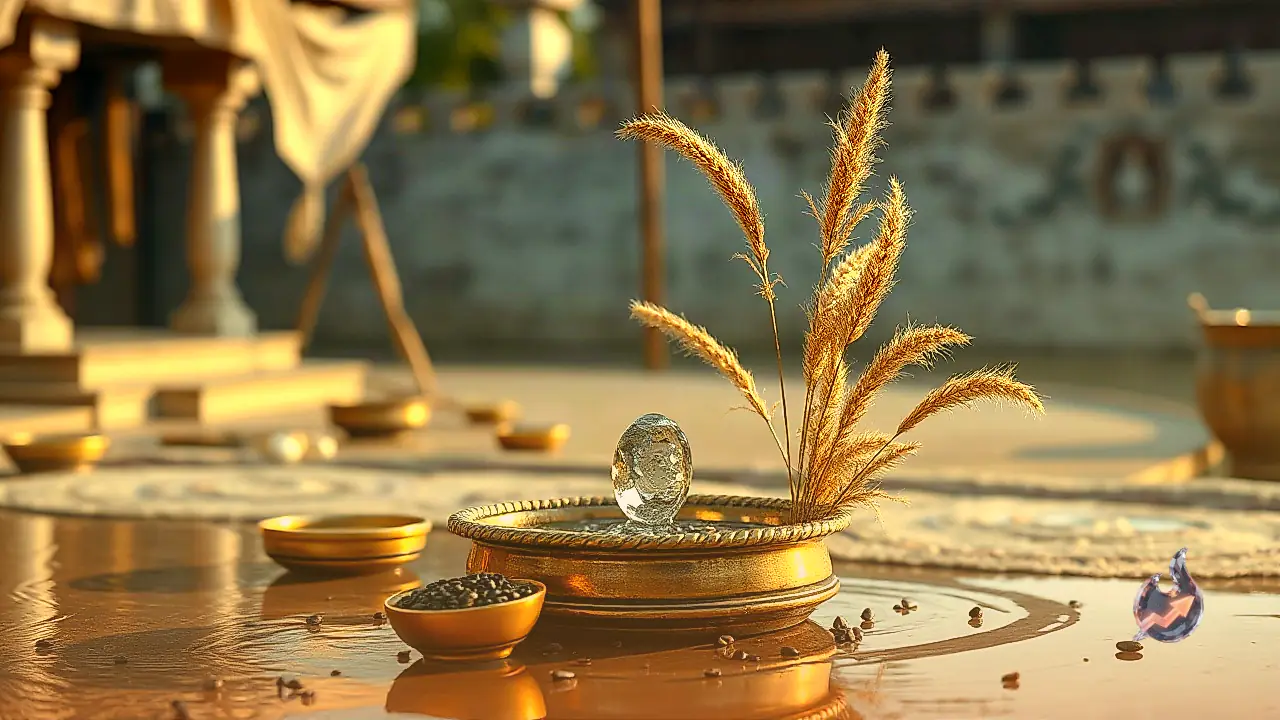
During the auspicious Hindu month of Sawan, the atmosphere around Bhura Mahadev Temple transforms into a vibrant hub of devotional enthusiasm. Pilgrims from nearby villages journey to the shrine carrying holy Yamuna water, sacred belpatra leaves, flowers, and ritual offerings to perform solemn Shiv Abhishekam. Mondays throughout the year, and especially in Sawan, witness festive mela-like gatherings where local families assemble. For village women, the temple serves as a vital focal point for offering prayers, singing traditional hymns, and reaffirming community bonds. The morning air echoes with sacred chants, reinforcing the temple's role as a preserver of regional socio-cultural memory.
Architectural Preservation and Heritage Renovation Needs
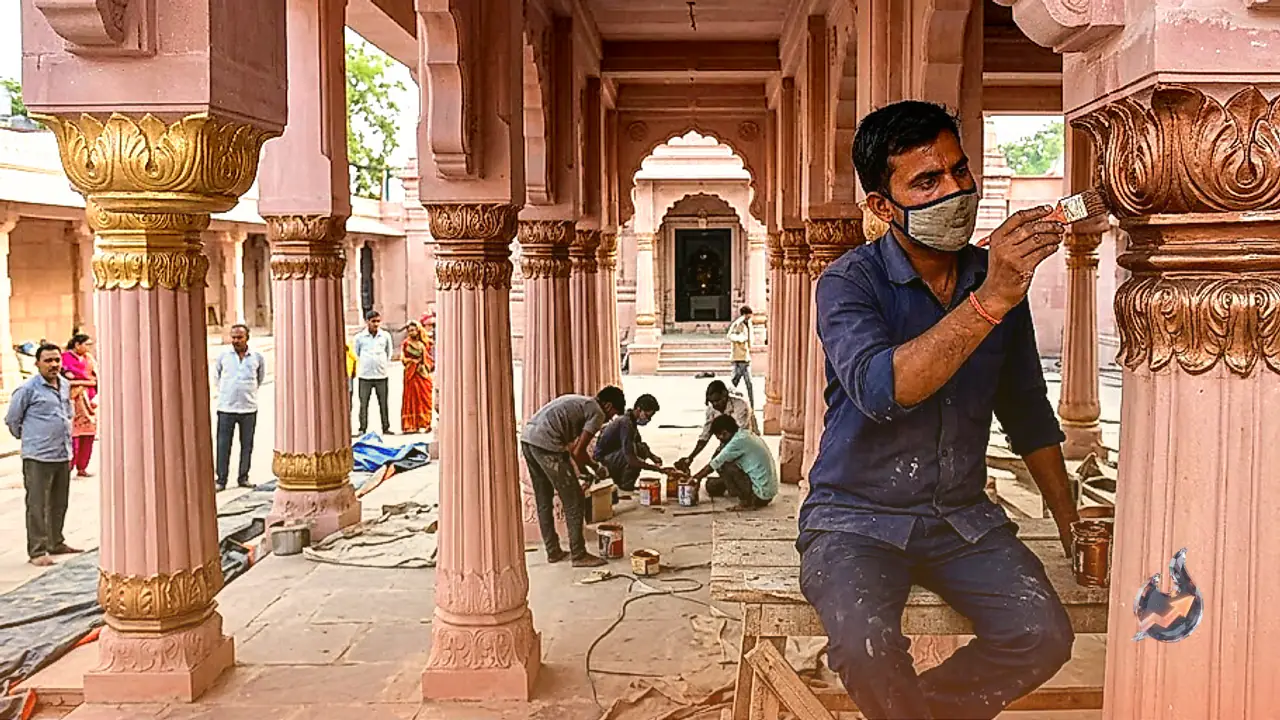
Unlike magnificent monumental temples, the architectural grandeur of Bhura Mahadev is modest, yet its significance lies in its unbroken lineage of popular devotion. Official documentation and survey reports on Agra's historical shrines explicitly highlight Bhura Mahadev as a key heritage site along the Yamuna corridor. These reports emphasize the urgent necessity for structural renovation and restoration work to safeguard the aging shrine from environmental weathering and riverbank erosion. Local residents continuously advocate for the conservation of this ancient sanctuary, ensuring that its spiritual legacy and historical resonance endure for future generations.